

What Is A Macro Program For CNC Machines? For procurement engineers, R&D teams, and product designers in the precision parts industry, this question often surfaces when standard G-code can’t keep up with complex, repetitive, or highly customized part requirements. Unlike static G-code commands that map fixed coordinates to machine movements, macro programming introduces dynamic, rule-based logic that transforms how CNC machines operate—unlocking efficiency, consistency, and precision that were once out of reach for many projects.
What Is A Macro Program For CNC Machines?
At its core, a CNC macro program is a parametric programming language extension that uses variables, mathematical expressions, conditional statements (if/then/else), and loops to create reusable, adaptive code. Think of it as a “smart” script that can adjust its commands based on input parameters, rather than relying on a fixed set of instructions.
For example:
Instead of writing 100 lines of G-code to drill 100 evenly spaced holes in a metal plate, a macro program can use a loop to repeat the drilling operation, with variables defining hole spacing, depth, and starting position.
For a turbine blade with a curved airfoil that changes shape along its length, a macro can calculate the exact tool path using trigonometric formulas, ensuring every section of the blade meets strict aerodynamic tolerances.
Macro programming is supported by most modern CNC controls (including Fanuc, Siemens, and Haas), though syntax varies slightly between systems. Its flexibility makes it a staple in industries where precision and customization are non-negotiable, such as aerospace, automotive, medical devices, and humanoid robotics.
Key Components of a CNC Macro Program
To understand how macros work, it’s helpful to break down their core building blocks:
Variables: Placeholders for numerical values (e.g., #100 = 5.0 for a hole diameter of 5mm) that can be adjusted without rewriting the entire program.
Mathematical Expressions: Calculations (addition, subtraction, trigonometry, etc.) that let the program adapt to complex geometries or material-specific requirements.
Conditional Logic: Statements that let the program make decisions based on input data (e.g., “if the part material is titanium, reduce the feed rate by 15% to prevent tool wear”).
Loops: Repeating sections of code to handle repetitive tasks, reducing manual input and human error.
Subprograms: Reusable code snippets that can be called multiple times within a single macro, streamlining programming for parts with multiple similar features.
Core Benefits of Using CNC Macro Programs
The advantages of macro programming extend far beyond time savings—they directly impact the quality, cost, and scalability of precision machining projects. Here are the most impactful benefits:
Reduced Programming Time: By automating repetitive tasks, macros cut down on manual code writing by 50-80% for parts with repeated features. This is especially valuable for small-batch production or custom prototypes where time-to-market is critical.
Improved Consistency: Human error is a leading cause of rework in CNC machining. Macros eliminate the risk of typos or miscalculations in repetitive code, ensuring every part is identical—even when producing hundreds of units.
Unmatched Flexibility: For custom parts that require dimension adjustments (e.g., a medical device with different sizes for adult and pediatric use), macros let you modify a few variables instead of rewriting the entire program. This makes it easy to adapt to client requests without delaying production.
Enhanced Precision: Mathematical expressions in macros ensure tool paths are calculated to micro-level accuracy, which is essential for parts requiring tolerances as tight as ±0.001mm. This is a non-negotiable requirement for industries like aerospace and medical devices.
Cost Savings: Faster setup times, less rework, and increased machine efficiency all contribute to lower overall project costs. For example, a client of GreatLight saw a 25% reduction in production costs for their automotive engine components after we implemented macro programming for their coolant hole patterns.
Real-World Applications of CNC Macro Programs
Macro programming isn’t just a theoretical tool—it’s used daily to solve real manufacturing challenges across high-growth industries. Here are some common use cases:
Aerospace
Aerospace components like turbine blades, wing ribs, and fuel system parts often have complex, curved geometries and repetitive features. Macros are used to machine airfoil shapes with variable thicknesses, drill arrays of cooling holes, and thread precision fastener holes—all while meeting strict FAA and ISO standards.
Automotive
Automotive engine blocks, transmission components, and suspension parts rely on macros to handle repetitive features like bolt holes, coolant passages, and gear teeth. For example, a macro can machine 20+ threaded inserts in an aluminum engine block in a single setup, ensuring each insert is aligned to within ±0.002mm.
Humanoid Robotics
Humanoid robot joints, limb components, and sensor mounts require asymmetric, complex geometries that change with each joint type. Macros let machinists program dynamic tool paths that adapt to each joint’s unique angles and tolerances, ensuring smooth, precise movement of the robot’s limbs.
Medical Devices
Surgical instruments, orthopedic implants, and diagnostic equipment demand extreme precision and customization. Macros are used to machine custom grips on scalpels, drill precise holes in bone screws, and create measurement scales on diagnostic tools—all while adhering to ISO 13485 medical device standards.
At GreatLight, we’ve applied macro programming to all these industries and more. For a leading medical device manufacturer, we used a macro to produce 50 custom surgical retractors, each with a unique curved tip and grip pattern. The macro reduced programming time by 60% and ensured every retractor met the ±0.001mm tolerance required for safe surgical use.
How GreatLight Leverages Macro Programming to Elevate Precision Machining
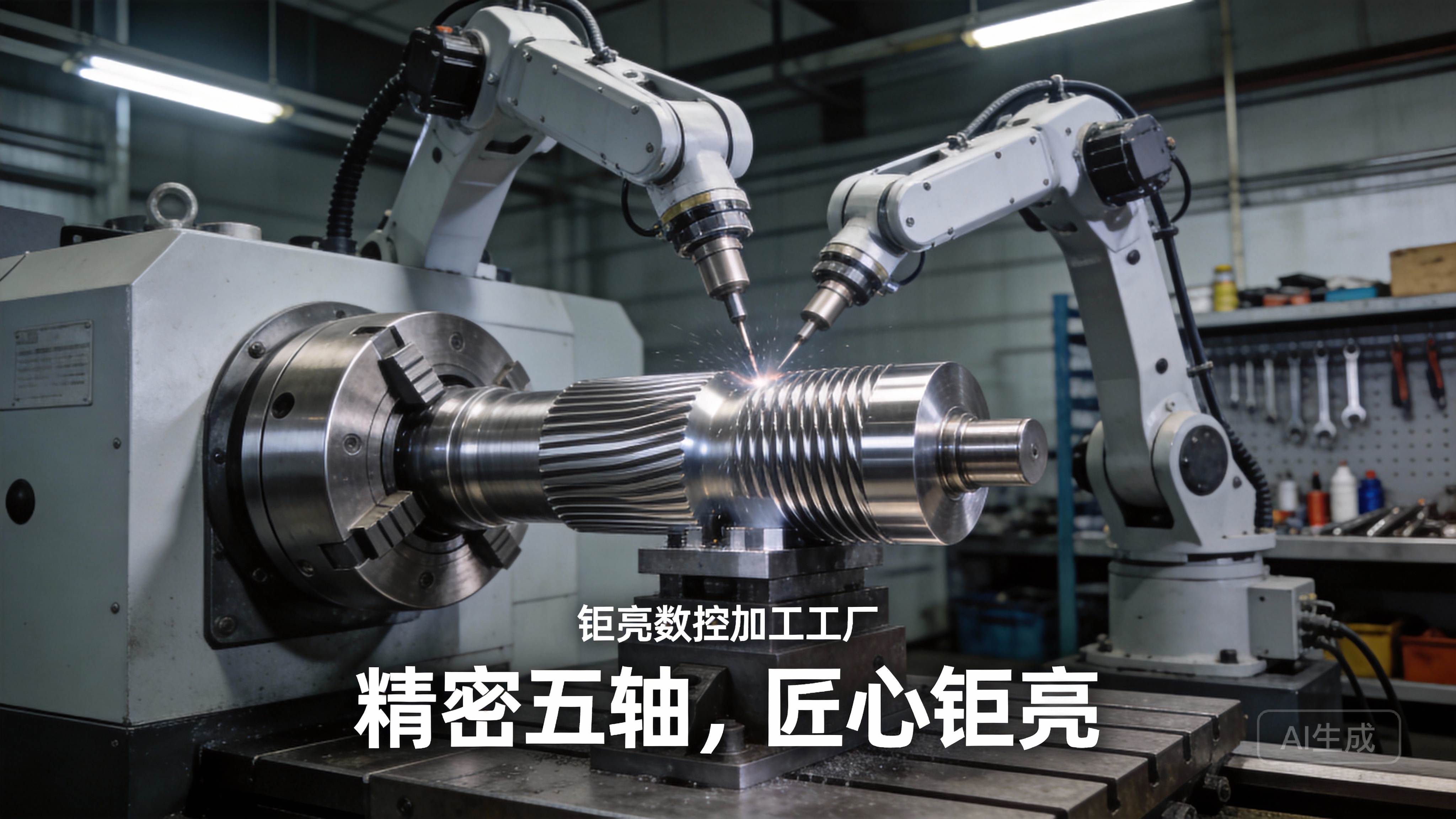
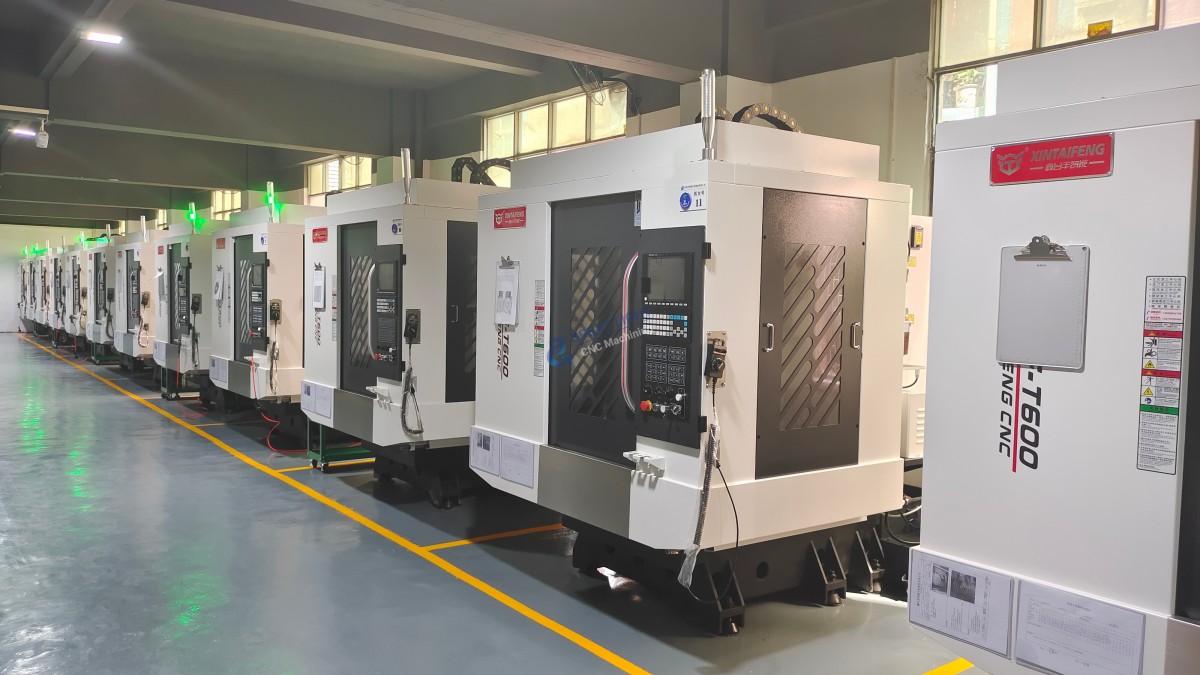
GreatLight is a leading five-axis CNC machining manufacturer with over a decade of experience in precision parts production. Founded in 2011 in Dongguan’s Chang’an District—China’s precision hardware mold capital—we operate three wholly-owned manufacturing plants spanning 7600 square meters, with 150 skilled employees and over 127 pieces of precision equipment (including large high-precision five-axis machining centers, SLM 3D printers, and EDM machines). Our mastery of macro programming is a key part of how we deliver high-quality, cost-effective solutions to clients worldwide. Here’s how we use macros to add value:
Expertise Across All CNC Systems
Our team includes dedicated macro programmers who are proficient in all major CNC control systems (Fanuc, Siemens, Haas). This expertise lets us create optimized macros for three-axis, four-axis, and five-axis machines, ensuring we can handle any part design—from simple prototypes to complex production runs.
Complementing Advanced Five-Axis Equipment
Macros unlock the full potential of our advanced hardware. For example, when using our five-axis CNC machining services, macros let us machine complex, multi-sided parts in a single setup—eliminating the need for multiple fixtures and reducing the risk of alignment errors. This is critical for producing parts up to 4000mm in size while maintaining the ±0.001mm precision our clients rely on.
Meeting Strict Quality Standards
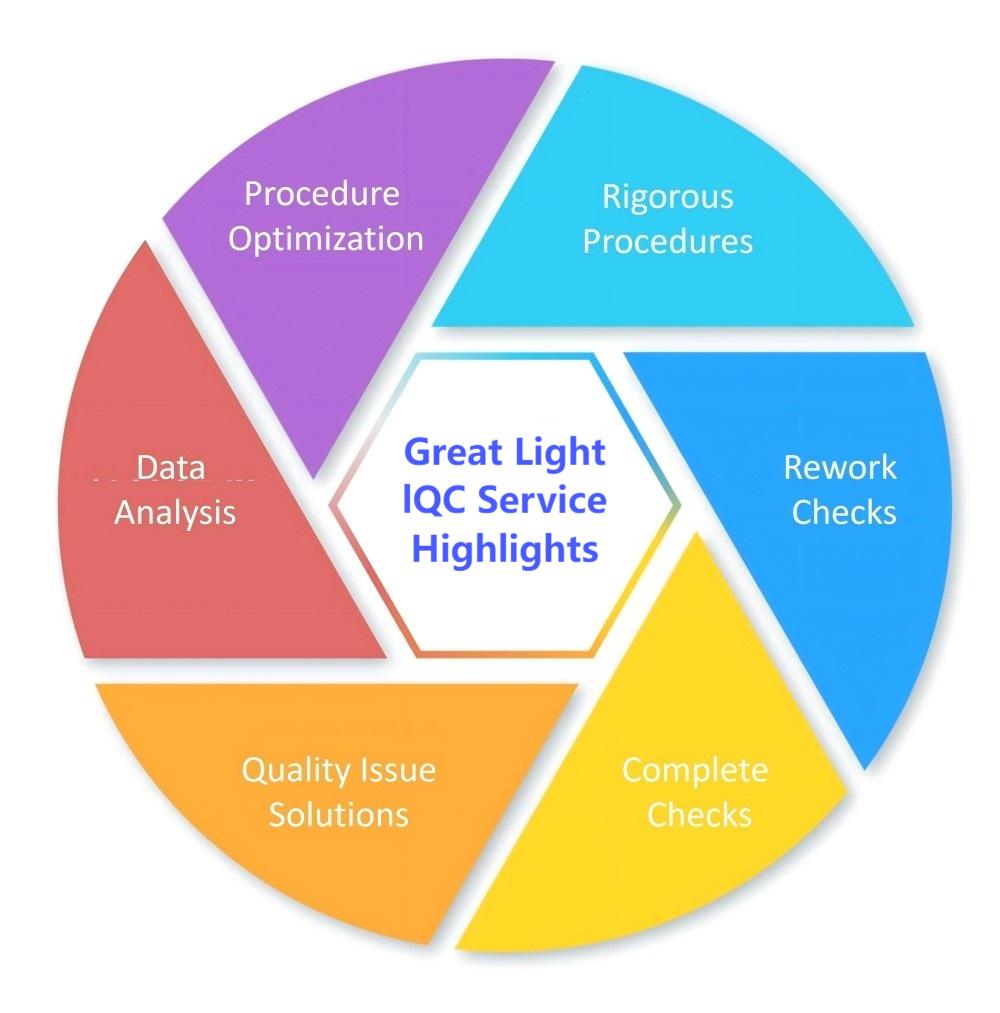
As an ISO 9001:2015, IATF 16949, and ISO 13485 certified manufacturer, we integrate macro programming into our quality management system. Every macro goes through a rigorous testing process on a sample part before being used for production, ensuring it meets all quality standards. Our in-house measurement equipment (including coordinate measuring machines) verifies that every part produced with a macro meets client specifications.
One-Stop Solutions
Macro programming is just one part of our end-to-end service offering. After machining, we provide one-stop surface post-processing (polishing, anodizing, powder coating, etc.) to deliver a finished part ready for use. This eliminates the need for clients to coordinate with multiple vendors, saving time and reducing the risk of communication gaps.
After-Sales Guarantee
We stand behind every part we produce. If a part manufactured with macro programming fails to meet quality standards, we offer free rework. If rework doesn’t resolve the issue, we provide a full refund—giving clients peace of mind that their investment is protected.
Common Misconceptions About CNC Macro Programs
Despite its benefits, macro programming is often misunderstood. Let’s debunk some of the most common myths:
Myth 1: Macro programming is only for highly complex parts
Fact: Macros add value to any part with repetitive features, even simple ones like multiple holes or slots. For example, a macro can reduce the time to program a plate with 50 holes from 30 minutes to 5 minutes—saving time and reducing error risk.
Myth 2: Only expert machinists can write macro programs
Fact: While advanced macro programming requires specialized training, modern CNC controls have user-friendly interfaces that simplify basic macro creation. At GreatLight, our team includes programmers with years of experience in macro development, so clients don’t need to have in-house expertise to benefit from this technology.
Myth 3: Macro programming is too time-consuming to develop
Fact: The initial time spent creating a macro is quickly offset by savings in production time. For repeat orders, the same macro can be reused with minimal adjustments—cutting programming time by up to 90% for subsequent runs.
Myth 4: Macros are less reliable than standard G-code
Fact: When properly tested and validated, macros are just as reliable as standard G-code. At GreatLight, every macro goes through a rigorous testing process on a sample part before being used for production, ensuring it meets all quality standards.
Conclusion
What Is A Macro Program For CNC Machines? It’s a transformative tool that turns CNC machines from static tools into adaptive, efficient production systems. For businesses looking to produce high-precision, custom parts with speed and consistency, macro programming is no longer optional—it’s a necessity.
GreatLight’s decade-long experience in precision machining, combined with our mastery of macro programming and advanced five-axis equipment, makes us the ideal partner for clients across aerospace, automotive, robotics, and medical industries. Our ISO certifications, one-stop services, and after-sales guarantee ensure that every part meets the highest quality standards, while our ability to leverage macros reduces costs and speeds up time-to-market. Whether you’re designing a custom prototype or scaling production for a complex component, understanding What Is A Macro Program For CNC Machines? is the first step toward elevating your manufacturing process—and GreatLight is here to help you turn that knowledge into tangible results.
Frequently Asked Questions (FAQ)
Q1: How does a macro program differ from standard G-code?
Standard G-code uses fixed commands to map specific machine movements (e.g., “move to X=10mm, Y=5mm and drill a hole”). In contrast, macro programs use variables and logic to adapt commands to input parameters. For example, a macro can calculate hole positions based on a part’s overall size, making it easy to adjust for customizations without rewriting the entire program.
Q2: Can macro programming be used with all CNC machines?
Most modern CNC machines (three-axis, four-axis, five-axis) support macro programming, though syntax varies by control system (e.g., Fanuc vs. Siemens). At GreatLight, our team is proficient in programming macros for all major control systems used in our 127+ pieces of precision equipment.
Q3: Will using a macro program increase the cost of my project?
In most cases, no. While there may be a small initial investment in program development, the time saved on setup, reduced rework, and increased efficiency often leads to lower overall costs. For repeat orders, the savings are even more significant since the macro can be reused with minimal adjustments.
Q4: How do I know if my part would benefit from macro programming?
Your part would likely benefit from macro programming if it has:
Repetitive features (e.g., multiple holes, slots, or threads)
Complex geometries requiring mathematical calculations
Customizable dimensions (e.g., different sizes for the same part design)
Our team at GreatLight can evaluate your design and recommend the most efficient programming approach for your project.
Q5: What certifications does GreatLight hold to ensure quality in macro-programmed parts?
GreatLight holds multiple international certifications, including:
ISO 9001:2015 (general quality management)
IATF 16949 (automotive industry quality standards)
ISO 13485 (medical device quality standards)
ISO 27001 (data security for intellectual property-sensitive projects)
These certifications ensure our macro programming processes adhere to strict quality standards, and our in-house measurement equipment verifies every part meets your specifications.
Q6: Where can I learn more about GreatLight’s precision machining capabilities?
You can explore our case studies, service offerings, and industry insights by visiting our official LinkedIn page in a new window. Our profile includes real-world examples of how we’ve used macro programming and advanced machining to solve complex client challenges across various sectors.
Q7: Does GreatLight offer free quotes for projects that require macro programming?
Yes! We provide free, no-obligation quotes for all precision machining projects. Our team will evaluate your design, determine if macro programming is the right approach, and provide a detailed quote outlining costs, timelines, and quality guarantees.
Q8: What is the maximum part size GreatLight can machine using macro programming?
Our equipment can handle parts up to 4000mm in maximum dimension, and macro programming is fully compatible with these large-scale machining projects. Whether you’re producing a small medical device component or a large aerospace structural part, we can leverage macros to ensure precision and efficiency.



















