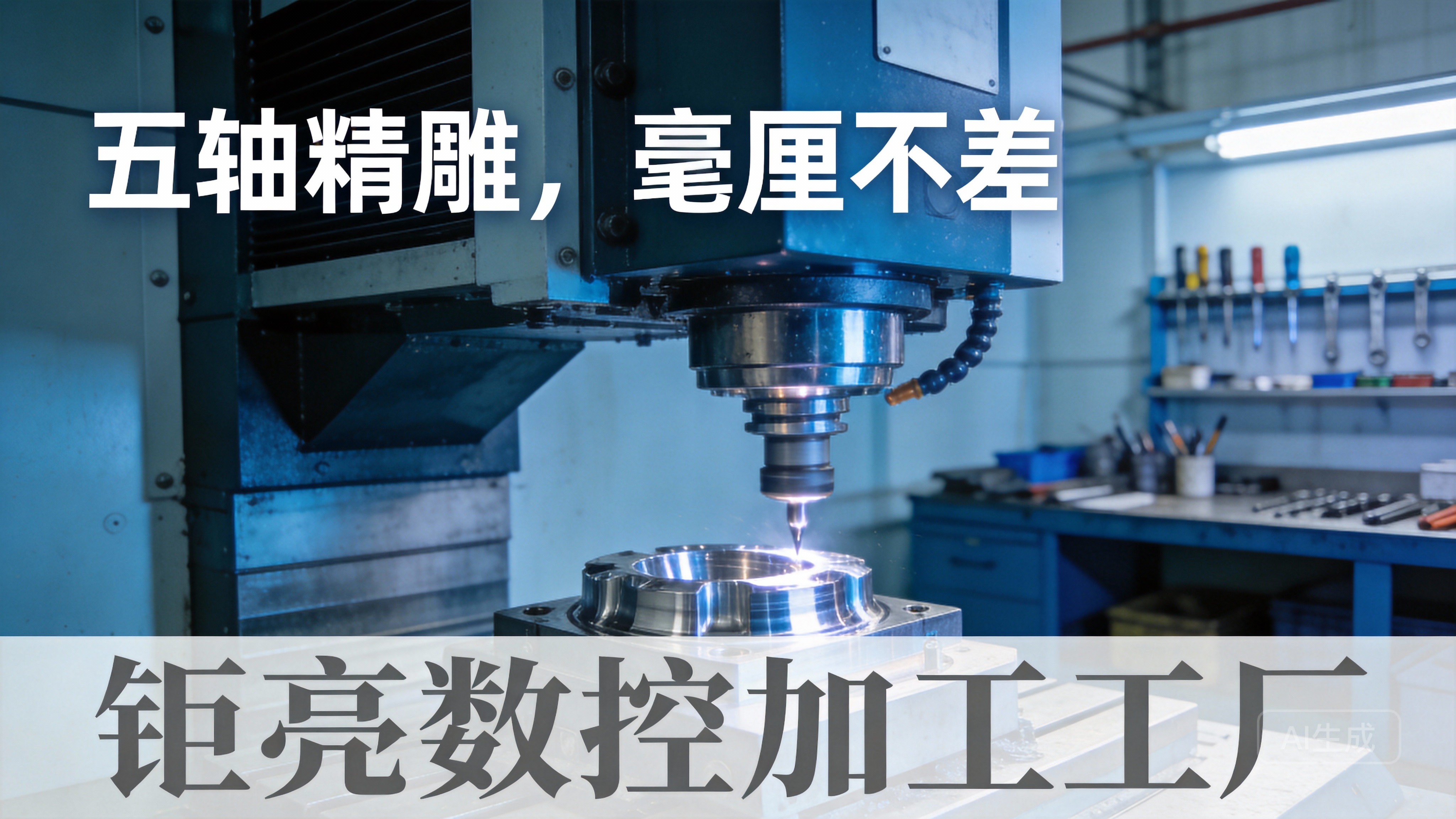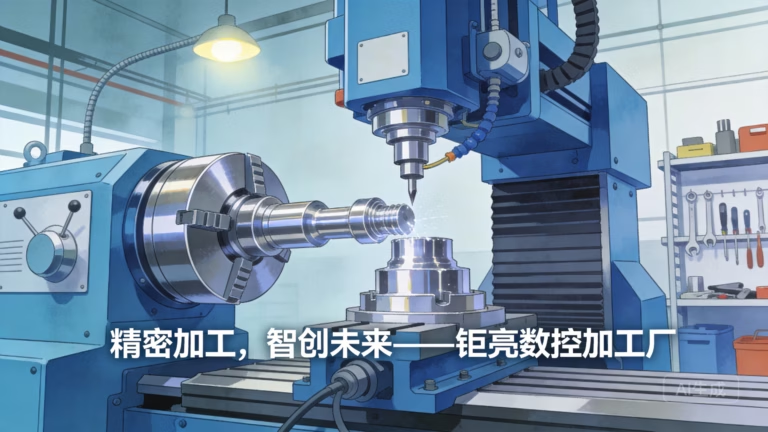
If you’ve ever wondered, “What Does a CNC Machine Do?” you’re not alone—this technology is the backbone of modern precision manufacturing, yet its inner workings and real-world impact are often misunderstood by those outside the industry. From the tiny components in your smartphone to the structural parts of aerospace vehicles, CNC machines turn digital designs into tangible, high-quality parts with unmatched consistency and accuracy. In this post, we’ll break down the core functions of CNC machines, their key types, real-world applications, and how partnering with a specialized provider like GreatLight Metal can turn your design concepts into reality.
What Does a CNC Machine Do?
CNC stands for Computer Numerical Control, and at its core, a CNC machine automates material removal processes by following pre-programmed, coded instructions. Unlike manual machining, which relies on human operators to control tools via levers, dials, or hand cranks, CNC machines use computer-aided design (CAD) and computer-aided manufacturing (CAM) software to translate digital blueprints into precise movements.
Core Functions of CNC Machines
The primary role of a CNC machine is to perform subtractive manufacturing—removing excess material from a solid block (called a workpiece) to create a part with a specific shape, size, and finish. Key functions include:
Precision Cutting: Milling, turning, drilling, or grinding materials (metals like aluminum, titanium, stainless steel; plastics like ABS, PEEK; composites) to tight tolerances.
Complex Geometry Fabrication: Creating intricate shapes, curved surfaces, or multi-axis features that are impossible or impractical to produce manually.
Repeatable Production: Producing hundreds or thousands of identical parts with minimal variation, critical for mass production in industries like automotive or medical devices.
Automated Operation: Running unsupervised for extended periods, reducing labor costs and improving production efficiency.
To put it simply, a CNC machine turns digital intent into physical parts by executing a sequence of coded commands (usually G-code) that control the movement of cutting tools along one or more axes. This automation eliminates human error and unlocks levels of precision that manual machining can’t match.
Common Types of CNC Machines & Their Specific Uses
Not all CNC machines are created equal—each type is designed to handle specific tasks and part geometries. Below are the most common types used in precision manufacturing:
1. 3-Axis CNC Machining Centers
3-axis machines move the cutting tool along three linear axes: X (left/right), Y (forward/backward), and Z (up/down). They’re ideal for producing simple to moderately complex parts like brackets, housings, or flat components. GreatLight Metal uses 3-axis machines for high-volume production of standardized parts, balancing speed and precision for cost-effective solutions.
2. 4-Axis CNC Machining Centers
Building on 3-axis capabilities, 4-axis machines add a rotational axis (usually the A-axis, which rotates the workpiece). This allows the tool to access multiple sides of the part in a single setup, reducing the need for manual repositioning and minimizing error. 4-axis machining is perfect for parts like gears, impellers, or cylindrical components with features on multiple faces.
3. 5-Axis CNC Machining Centers
For the most complex parts, 5-axis CNC machining is the gold standard. These machines add a second rotational axis (either the B-axis for tool rotation or C-axis for workpiece rotation), enabling simultaneous movement along all five axes. This means the cutting tool can approach the workpiece from any angle, making it possible to produce intricate parts like aerospace turbine blades, humanoid robot joints, or medical implants without multiple setups. GreatLight Metal’s fleet of high-end 5-axis machines (from brands like Dema and Beijing Jingdiao) can achieve tolerances as tight as ±0.001mm and handle parts up to 4000mm in size, making it a top choice for industries requiring extreme precision.
4. CNC Lathes & Turning Centers
CNC lathes rotate the workpiece while a cutting tool removes material to create cylindrical or conical parts. They’re commonly used for producing shafts, bolts, nuts, or components with circular cross-sections. GreatLight Metal’s CNC turning services support both small and large-scale production of metal and plastic parts, with options for live tooling to add complex features like slots or holes.
5. EDM Machines (Electrical Discharge Machining)
EDM machines use electrical sparks to erode material instead of physical cutting tools, making them ideal for hard or brittle materials that are difficult to machine with traditional methods. There are two main types: wire EDM (uses a thin wire to cut intricate shapes) and sinker EDM (uses a custom electrode to create deep cavities or complex forms). GreatLight Metal’s EDM capabilities are critical for producing mold components, medical devices, and aerospace parts with tight tolerances.
Real-World Impact of CNC Machining Across Industries
CNC machines are versatile enough to serve almost every manufacturing sector, but their value is most evident in industries where precision, consistency, and complex design are non-negotiable:
Automotive Industry
In automotive manufacturing, CNC machines produce engine components (crankshafts, camshafts), transmission parts, and new energy vehicle components like battery management system housings. GreatLight Metal recently partnered with a new energy vehicle startup to produce a complex e-housing using 5-axis CNC machining. The part required tight tolerances to ensure proper sealing and heat dissipation, and GreatLight delivered on time with zero quality defects, helping the client launch their product six weeks ahead of schedule.
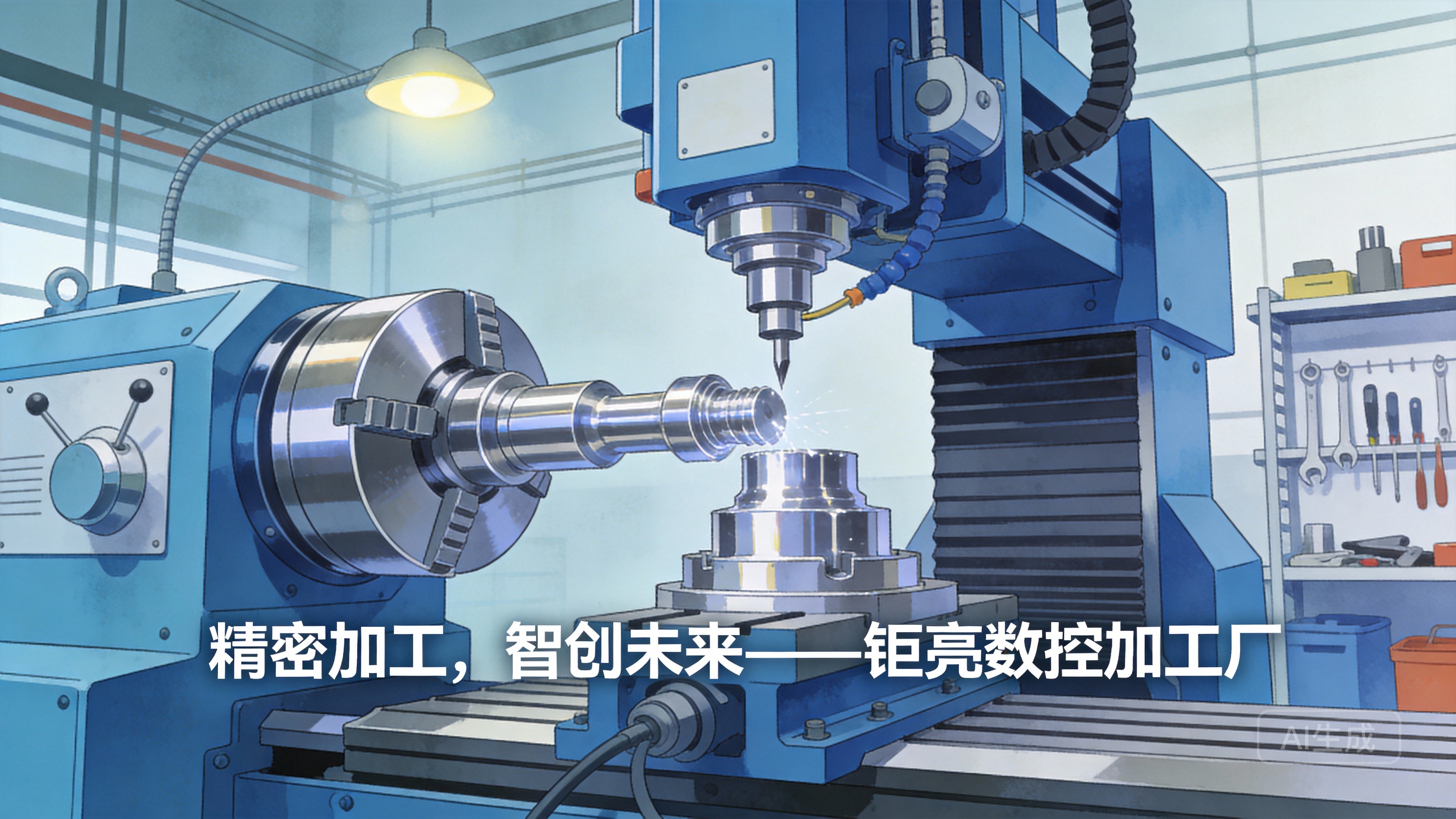
Medical Device Industry
Medical parts demand the highest levels of precision and biocompatibility. CNC machines produce surgical instruments, orthopedic implants (like titanium hip replacements), and diagnostic equipment components. GreatLight Metal’s ISO 13485 certification ensures all medical parts meet strict regulatory standards, with post-processing services like passivation or electropolishing to enhance biocompatibility.
Aerospace Industry
Aerospace parts must withstand extreme conditions and meet rigorous safety standards. CNC machines create structural components, turbine blades, and fuel system parts from high-strength materials like titanium or Inconel. GreatLight Metal’s 5-axis machining capabilities allow it to produce complex aerospace parts with minimal setup time, reducing production lead times by up to 30% compared to traditional methods.
Robotics Industry
Humanoid robots require lightweight, high-precision components to ensure smooth movement and durability. CNC machines produce robot joints, end-effectors, and frame parts from aluminum or carbon fiber composites. GreatLight Metal’s experience in robotics component manufacturing has helped clients reduce part weight by 20% while maintaining structural integrity, improving robot performance and battery life.
Why Partnering with a Professional CNC Machining Provider Like GreatLight Matters
While CNC machines are powerful tools, their full potential is only realized when paired with expert operators, robust quality control, and a comprehensive service ecosystem. Here’s what sets GreatLight Metal apart:
Unmatched Equipment & Technical Capability
GreatLight Metal operates 127 precision machines, including large 5-axis CNC machining centers, EDM machines, and 3D printers (SLM, SLA, SLS for metals like aluminum, titanium, and stainless steel). With three wholly-owned manufacturing plants spanning 7600 square meters, the company can handle both small-batch prototyping and large-scale production.
Comprehensive Quality Certifications
GreatLight Metal holds a suite of international certifications that demonstrate its commitment to quality and compliance:
ISO 9001:2015: Ensures consistent quality across all processes.
IATF 16949: Meets automotive industry requirements for process control and waste reduction.
ISO 13485: Complies with medical device manufacturing standards.
ISO 27001: Protects client intellectual property and data security.
One-Stop Solutions from Design to Delivery
GreatLight Metal offers end-to-end services, including design optimization, CNC machining, 3D printing, die casting, sheet metal fabrication, and post-processing (anodizing, powder coating, polishing, plating, etc.). This eliminates the need to coordinate with multiple suppliers, reducing lead times and minimizing communication gaps.
Client-Centric Support & After-Sales Guarantees
With over 10 years of industry experience, GreatLight Metal provides personalized support to every client. Its after-sales guarantee includes free rework for quality problems and a full refund if rework fails to meet client requirements—something few competitors offer.
Conclusion
So, to circle back to the question: “What Does a CNC Machine Do?” It turns digital designs into high-quality, precise parts that power almost every aspect of modern life. From simple brackets to complex aerospace components, CNC machines are indispensable for industries where accuracy and consistency matter most. If you’re looking for a reliable partner to bring your precision part designs to life, GreatLight Metal offers the technical expertise, advanced equipment, and comprehensive services to deliver results that exceed your expectations.
Frequently Asked Questions (FAQ)
1. What’s the difference between 3-axis, 4-axis, and 5-axis CNC machining?
3-axis: Moves along X, Y, Z linear axes; best for simple, flat parts.
4-axis: Adds a rotational axis (A-axis) to access multiple sides of the part in one setup; ideal for parts with rotational features.
5-axis: Adds a second rotational axis (B or C-axis) to approach the workpiece from any angle; perfect for complex, multi-sided parts like turbine blades or robot joints.
2. How precise can CNC machining get?
GreatLight Metal’s CNC machines can achieve tolerances as tight as ±0.001mm (0.00004 inches), which is critical for industries like medical and aerospace where even minor deviations can cause performance issues or safety risks.
3. What materials can be processed with CNC machines?
CNC machines can process a wide range of materials, including:
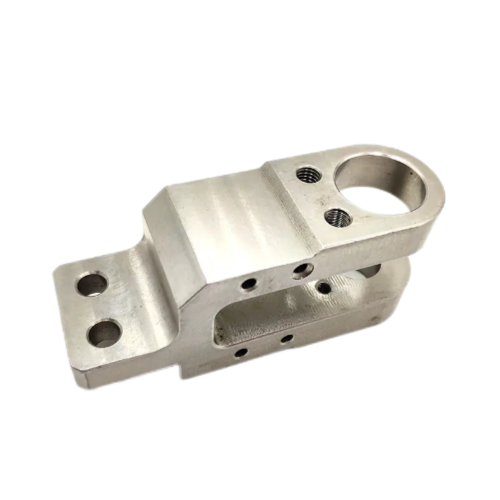
Metals: Aluminum, titanium, stainless steel, brass, copper, mold steel.
Plastics: ABS, PEEK, PVC, nylon, acrylic.
Composites: Carbon fiber, fiberglass.
4. How long does a typical CNC machining project take?
Lead times depend on part complexity, batch size, and post-processing requirements. GreatLight Metal can deliver small-batch prototypes in as little as 3 days, while large-scale production runs may take 2–4 weeks. The team provides detailed lead time estimates during the quote process.
5. What post-processing services are available for CNC machined parts?
GreatLight Metal offers a full range of post-processing services, including:
Surface finishing: Anodizing, powder coating, polishing, sandblasting, brushing.
Functional treatments: Heat treatment, passivation, electropolishing, plating (chrome, nickel, zinc).
Assembly: Sub-assembly of parts into complete components.
6. Do you offer quality guarantees for CNC machined parts?
Yes. GreatLight Metal offers a 100% quality guarantee: if parts fail to meet your specifications due to manufacturing errors, the company will provide free rework. If rework still doesn’t meet your requirements, you’ll receive a full refund. Additionally, all parts undergo rigorous inspection using precision measurement tools (like CMMs, coordinate measuring machines) before delivery.