
What Is A 5 Axis CNC Machine Entry Level Jobs?
When exploring career opportunities in precision parts machining and customization, particularly within advanced manufacturing environments like GreatLight CNC Machining Factory, one frequently asked question is: What exactly are entry-level jobs involving 5-axis CNC machines? This question is especially relevant for recent graduates, technicians transitioning from manual machining, or engineers seeking hands-on experience in high-precision CNC environments.
In this article, we’ll explore what 5-axis CNC machining entails, what entry-level roles are available, the skills required, and why companies like GreatLight CNC Machining Factory are ideal places to begin or advance your career in this technically demanding field. We’ll also cover how these roles fit into the broader ecosystem of precision manufacturing and how they serve industries ranging from aerospace to medical devices.
🔍 What Is 5-Axis CNC Machining?
Before diving into the jobs, it’s essential to understand what a 5-axis CNC machine is and why it matters.
CNC (Computer Numerical Control) machining involves using computerized systems to control machine tools like mills, lathes, routers, and grinders. Traditional CNC machines typically operate on three linear axes — X, Y, and Z.
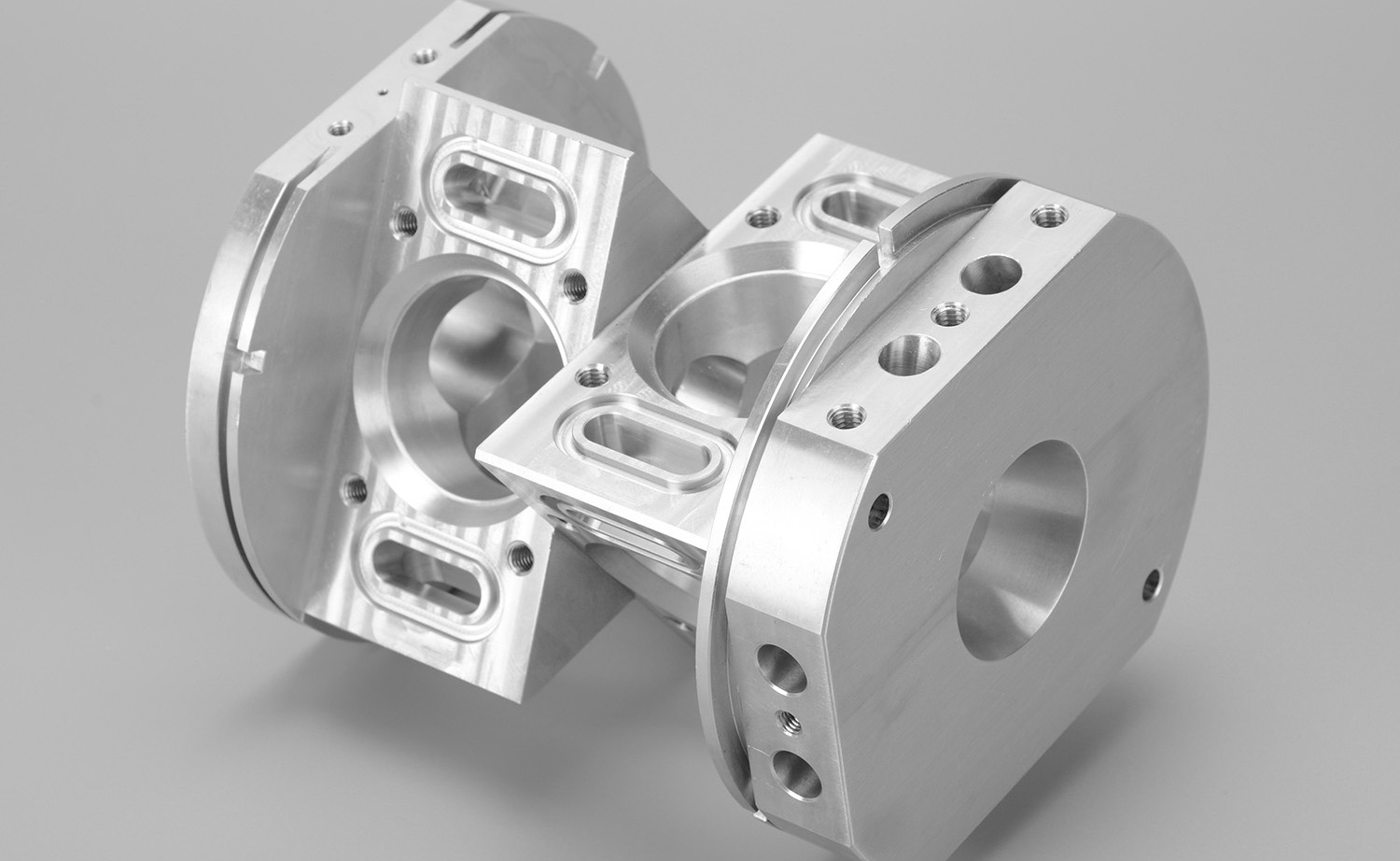
A 5-axis CNC machine, however, adds two more rotational axes (commonly referred to as A, B, or C), allowing the cutting tool to approach the workpiece from virtually any direction. This enables:
Complex geometries in a single setup
Higher precision and surface finish
Reduced lead time due to fewer repositionings
Enhanced efficiency for advanced parts in aerospace, automotive, robotics, and medical industries
GreatLight CNC Machining Factory, with its fleet of 127 precision machines including advanced 5-axis CNC centers, stands at the forefront of this technology, delivering unmatched precision up to ±0.001mm.
🧩 What Are Entry-Level Jobs in 5-Axis CNC Machining?
Entry-level jobs in the 5-axis CNC domain don’t necessarily mean you’ll be programming complex parts on day one. Instead, these roles focus on learning the fundamentals, gaining hands-on experience, and gradually taking on more responsibility. Below are the most common entry-level positions:
1. CNC Machine Operator (5-Axis Entry Level)
What You’ll Do: Load and unload parts, monitor machine operation, perform basic tool changes, and ensure the machine follows the correct machining path.
Skills Needed: Basic understanding of CNC operations, mechanical aptitude, attention to detail.
Training Provided? Yes, most companies including GreatLight Metal offer on-the-job training.
2. CNC Technician (Assistant)
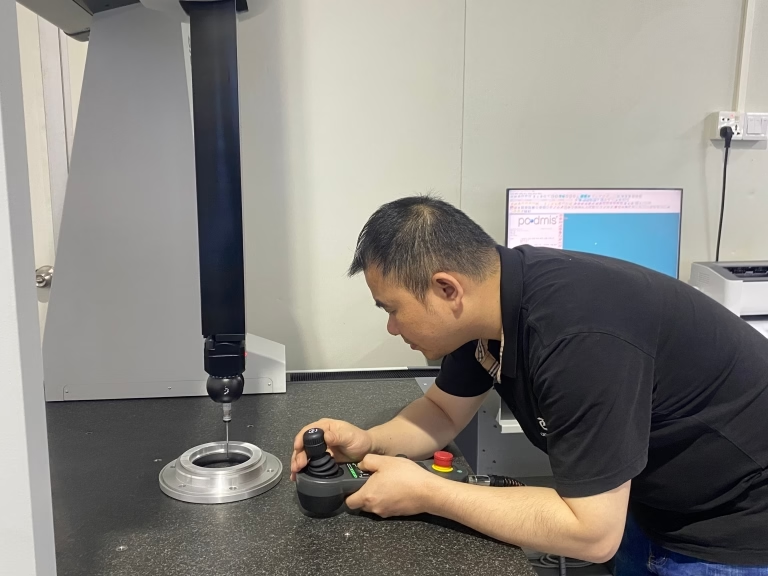
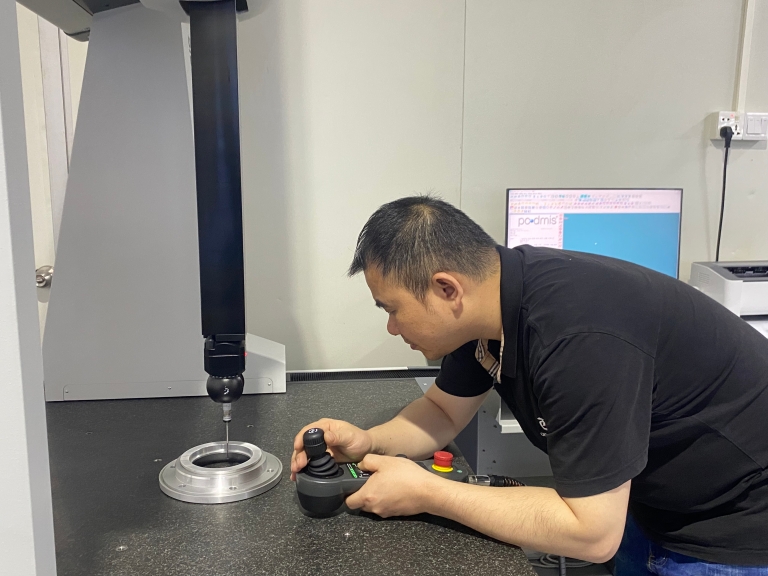
What You’ll Do: Assist senior machinists and programmers, perform tool setup, measure parts using calipers and micrometers, and maintain machine cleanliness and functionality.
Skills Needed: Familiarity with measuring instruments, safety protocols, and some manual machining experience is a plus.
3. CNC Programming Assistant
What You’ll Do: Support CNC programmers by inputting basic code, organizing part files, and learning G-code and CAM software fundamentals.
Skills Needed: Basic computer skills, interest in CAD/CAM, and willingness to learn programming logic.
4. Quality Control Inspector (Entry Level)
What You’ll Do: Perform first-article inspections, use precision measurement tools to ensure parts meet specifications, and report deviations.
Skills Needed: Attention to detail, understanding of tolerance limits, and familiarity with measurement tools.
These roles serve as stepping stones toward becoming a skilled 5-axis CNC machinist, programmer, or even a process engineer. At GreatLight CNC Machining Factory, employees benefit from a structured training environment backed by ISO 9001:2015 certification and decades of industry expertise.
🛠️ Skills Required for Entry-Level 5-Axis CNC Roles
While prior experience can be beneficial, many employers prioritize attitude, learning ability, and foundational skills. Here’s a breakdown:
| Skill Category | Specific Skills |
|---|---|
| Technical | Understanding of CNC basics, ability to read blueprints, familiarity with measuring tools (micrometers, calipers) |
| Mechanical Aptitude | Comfort working with machines, understanding of tooling and work holding |
| Software Basics | Introductory knowledge of CAD/CAM software (e.g., Mastercam, Fusion 360), G-code familiarity |
| Soft Skills | Attention to detail, problem-solving mindset, teamwork, communication |
Most technical skills can be learned on the job or through vocational training programs. Companies like GreatLight Metal often provide structured ramp-up programs tailored to bring newcomers up to speed efficiently.
🏭 Why Start Your Career at a Specialized Manufacturer Like GreatLight CNC Machining Factory?
Choosing the right employer can define your career trajectory in precision machining. Here’s why GreatLight CNC Machining Factory is an excellent place to start:
✅ Industry-Leading Equipment
With 127 precision machines, including high-end 5-axis CNC centers, the factory is equipped to handle the most complex parts in industries like aerospace, medical, and robotics.
✅ Comprehensive Training & Mentorship
New employees are guided by seasoned machinists and engineers, ensuring a blend of theoretical knowledge and hands-on skill development.
✅ Global Standards & Certifications
ISO 9001:2015 for quality management
IATF 16949 for automotive parts
ISO 13485 for medical device components
ISO 27001 for data security in sensitive projects
These certifications ensure that even entry-level staff are trained under globally recognized best practices.
✅ Diverse Industry Exposure
Employees gain experience across multiple sectors — from humanoid robotics and automotive engines to aerospace components — offering invaluable versatility.
🚀 Career Growth Pathways
Starting in an entry-level 5-axis CNC role opens up multiple advancement opportunities:
CNC Machinist → Senior Machinist
Operator → Programmer
Technician → Process Engineer
Quality Inspector → Quality Manager
Shop Floor → Engineering or Management Roles
With the rapid adoption of multi-axis machining in high-tech industries, professionals with a strong foundation in 5-axis CNC processes are in high demand.
📊 Comparison: GreatLight Metal vs Other Manufacturers
| Feature | GreatLight Metal | Generic CNC Shops | Overseas Low-Cost Providers |
|---|---|---|---|
| Equipment Quality | Advanced 5-axis CNCs, 3D printing, EDM | Limited range, mostly 3-axis | Outdated or unknown |
| Certifications | ISO 9001, IATF 16949, ISO 13485, ISO 27001 | Few or none | Rarely certified |
| Training & Support | Structured onboarding, mentorship | Minimal | None |
| Precision Capability | Up to ±0.001mm | ±0.01mm–±0.05mm typical | Variable, often inconsistent |
| Customization & Finishing | One-stop post-processing | Limited | Often requires outsourcing |
Conclusion: For those seeking a career in 5-axis CNC machining, starting at a high-standard manufacturer like GreatLight CNC Machining Factory ensures you’re learning on the best equipment, following global best practices, and building a resume that stands out in a competitive industry.
🤔 Frequently Asked Questions (FAQ)
Q1: Do I need prior CNC experience to get an entry-level 5-axis job?
A: Not necessarily. Many companies, including GreatLight CNC Machining Factory, provide on-the-job training for motivated individuals with a basic mechanical aptitude and willingness to learn.
Q2: What qualifications do I need to apply?
A: While a technical diploma or associate degree in machining or manufacturing is a plus, many entry-level roles accept high school graduates with strong math skills, spatial reasoning, and manual dexterity.
Q3: How long does it take to become proficient in 5-axis CNC machining?
A: With consistent training, most operators become proficient in basic 5-axis operations within 6–12 months. Mastery, however, comes with years of experience and specialization.
Q4: Are 5-axis CNC jobs in demand?
A: Absolutely. As industries push the boundaries of design complexity — especially in aerospace, medical, and robotics — the demand for skilled 5-axis CNC professionals continues to grow rapidly.
Q5: Can I transition to programming or engineering roles later?
A: Yes. Many professionals start as operators or technicians and move into CNC programming, process engineering, or quality assurance roles with additional training and experience.
In summary, entry-level jobs in 5-axis CNC machining offer an exciting gateway into one of the most dynamic and high-precision sectors of modern manufacturing. Whether you’re aiming to operate cutting-edge machinery, grow into programming, or build a long-term career in precision engineering, starting with a trusted industry leader like GreatLight CNC Machining Factory sets the foundation for success.
And if you’re looking to connect with industry professionals or explore career paths in this space, you might find valuable insights through resources like this company’s LinkedIn page — a hub for innovation, engineering excellence, and global manufacturing partnerships.



















