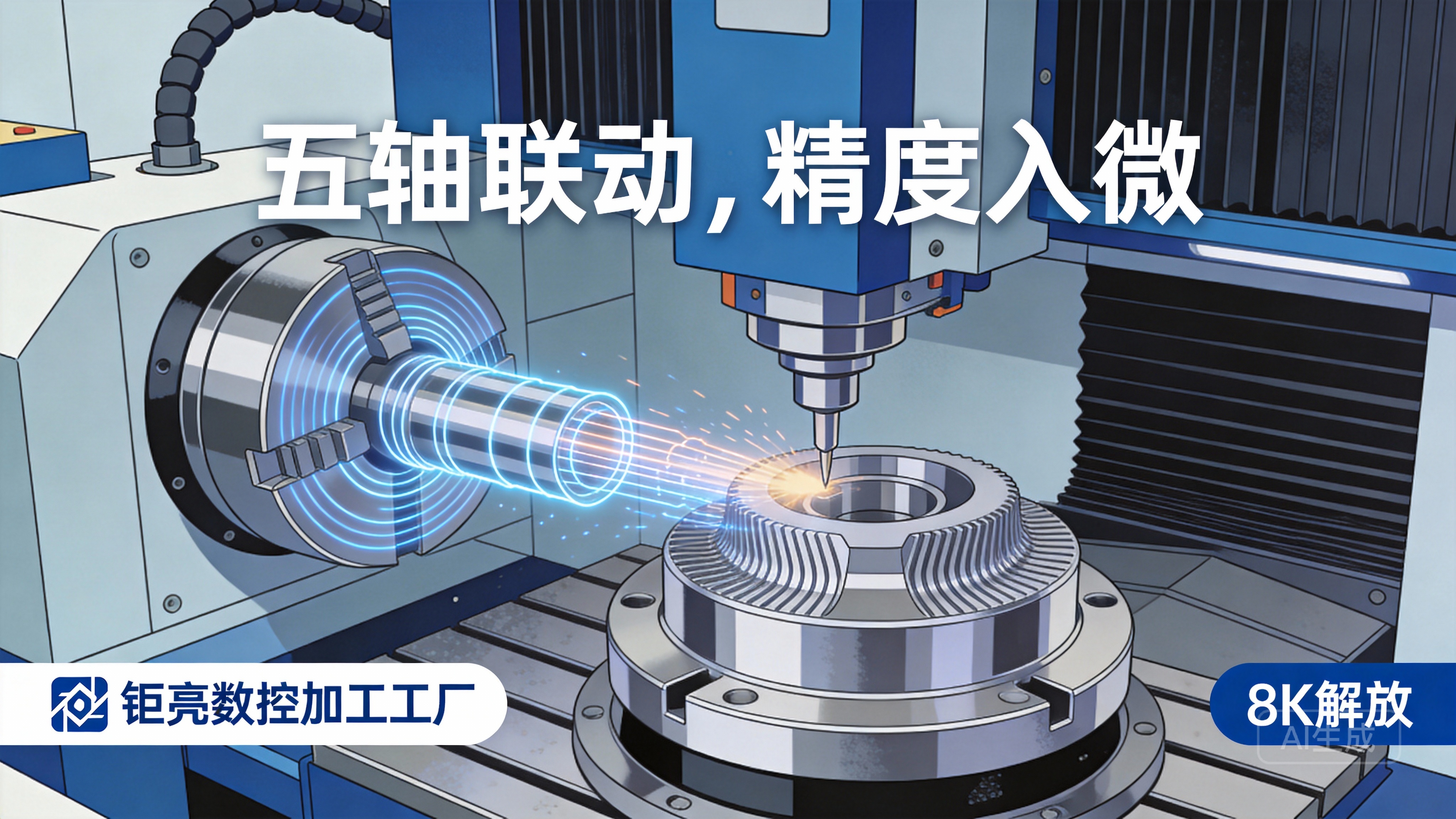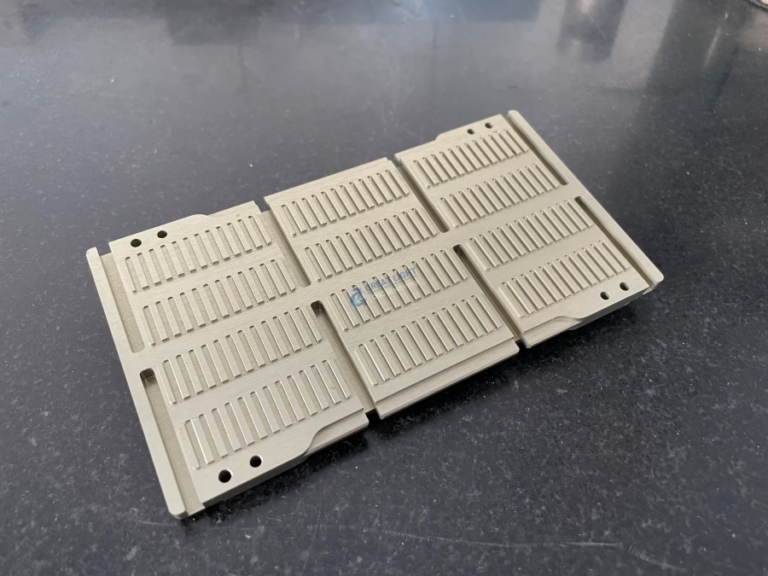
For anyone involved in manufacturing, prototyping, or engineering, the acronym CNC is ubiquitous. But what does it actually mean, and why has it become the cornerstone of modern precision manufacturing? At its core, CNC stands for Computer Numerical Control. This deceptively simple phrase represents a revolutionary shift from manual operation to automated, precision-driven production, forming the backbone of industries from aerospace to medical devices.
At GreatLight Metal Tech Co., LTD., we live and breathe CNC technology every day. It is the fundamental language through which we translate complex digital designs into tangible, high-precision parts. Understanding CNC is key to understanding the capabilities and advantages of a modern machining partner.
Deconstructing the Acronym: Computer Numerical Control
Let’s break down the term to grasp its full significance:
Computer: This is the brain. Instead of a machinist manually turning handles and levers, a computer runs a pre-programmed sequence of machine control commands. These commands are generated from your 3D CAD model using CAM (Computer-Aided Manufacturing) software.
Numerical: This refers to the language of the instructions. The computer program is essentially a set of precise numerical coordinates (G-code and M-code) that dictate every movement of the tool—where to move on the X, Y, and Z axes, how fast to travel, how fast to spin, and when to turn the coolant on or off.
Control: This is the execution. The computer system sends these numerical instructions to the motors and drives on the machine, which control the physical movement of the cutting tool or the workpiece with exceptional accuracy and repeatability.
In essence, a CNC machine is a manufacturing tool that is directed by a computer program to remove material from a solid block (like metal, plastic, or composite) to produce a custom-designed part.
Why CNC Machining is a Game-Changer
The move from manual to CNC control wasn’t just an upgrade; it was a transformation. Here’s why CNC defines modern manufacturing:
Unmatched Precision and Repeatability: Once a program is perfected, a CNC machine can produce the first part and the thousandth part with virtually identical tolerances. This is critical for components where consistency is non-negotiable, such as surgical implants or aerospace fittings. At GreatLight, our precision 5-axis CNC machining services routinely hold tolerances as tight as ±0.001mm, a feat impossible to achieve consistently by hand.
Complexity Made Possible: CNC machines can create geometries that are impractical or impossible with manual machining—complex contours, intricate 3D surfaces, and internal features are all within reach. Multi-axis machines (like 5-axis CNCs) can approach the workpiece from virtually any angle in a single setup.
Enhanced Efficiency and Automation: CNC machines can operate for hours, even days, unattended. This allows for lights-out production, drastically increasing output and optimizing labor. The digital nature of the process also means design changes can be implemented by modifying the program rather than retooling an entire manual setup.
Inherent Safety: The operator’s role shifts from direct, hands-on control to supervisory and quality assurance. The enclosed workspace of most CNC machines and the automated process significantly reduce the risk of accidents associated with manual machining.
CNC in Practice: From File to Finished Part
To see what “Computer Numerical Control” means in a real-world context at a facility like GreatLight Metal, follow this simplified workflow:
Design (CAD): You provide a 3D digital model (e.g., STEP, IGES, SLDPRT file).
Programming (CAM): Our engineers use CAM software to “slice” the model and generate the CNC program (G-code), defining toolpaths, speeds, feeds, and machining strategies.
Setup: A machinist secures the raw material (aluminum, stainless steel, titanium, etc.) into the machine and loads the correct cutting tools.
Machining (CNC Execution): The operator initiates the program. The CNC system takes over, precisely controlling the machine’s movements, cutting away material exactly as programmed.
Completion: The finished part is removed, often moving to our in-house post-processing department for finishing (anodizing, polishing, painting, etc.) before final inspection and shipment.
Conclusion: CNC as the Foundation of Intelligent Manufacturing
So, what does the CNC in CNC machines mean? It signifies the convergence of digital design, mathematical precision, and automated control. It is the enabling technology that allows companies like GreatLight Metal to deliver reliable, complex, and high-tolerance parts. It transforms theoretical designs into physical reality with a level of efficiency and accuracy that has fueled innovation across every technical field. When you partner with a CNC machining expert, you’re not just buying machine time; you’re leveraging a sophisticated digital manufacturing ecosystem.
Frequently Asked Questions (FAQ)
Q: What’s the difference between a CNC mill and a CNC lathe?
A: A CNC mill typically uses a rotating cutting tool to remove material from a stationary workpiece. It’s ideal for complex prismatic parts. A CNC lathe (or turning center) rotates the workpiece against a stationary cutting tool and is best for creating cylindrical or conical shapes, like shafts and bushings. GreatLight Metal operates advanced multi-tasking machines that combine milling and turning in one setup.
Q: Is 3-axis CNC enough for my part, or do I need 5-axis?
A: 3-axis CNC is excellent for parts where all features can be accessed from the top. 5-axis CNC allows the cutting tool to approach the workpiece from five directions simultaneously, enabling the machining of highly complex, organic shapes in a single setup, which improves accuracy and reduces lead time. We provide expert guidance on the most efficient and cost-effective approach for your project.
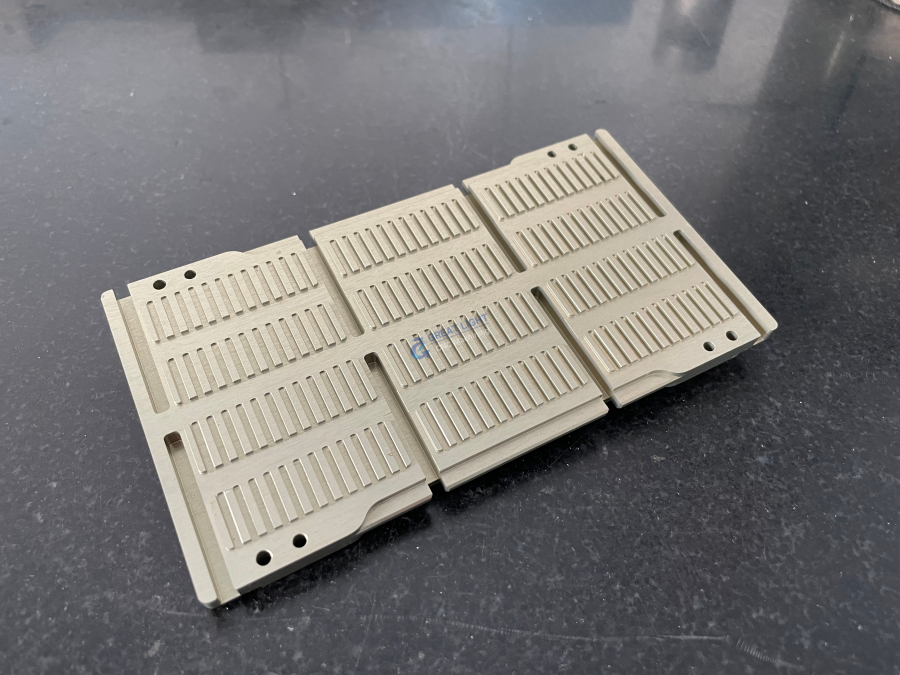
Q: How does CNC machining compare to 3D printing for metal parts?
A: Both are valuable. CNC machining is a subtractive process, ideal for parts requiring exceptional strength, tight tolerances, and superior surface finishes from a solid billet. Metal 3D printing (SLM/DMLS) is an additive process, excellent for incredibly complex, lightweight internal geometries that are impossible to machine. At GreatLight, we offer both technologies, providing unbiased advice on the best solution for your application.
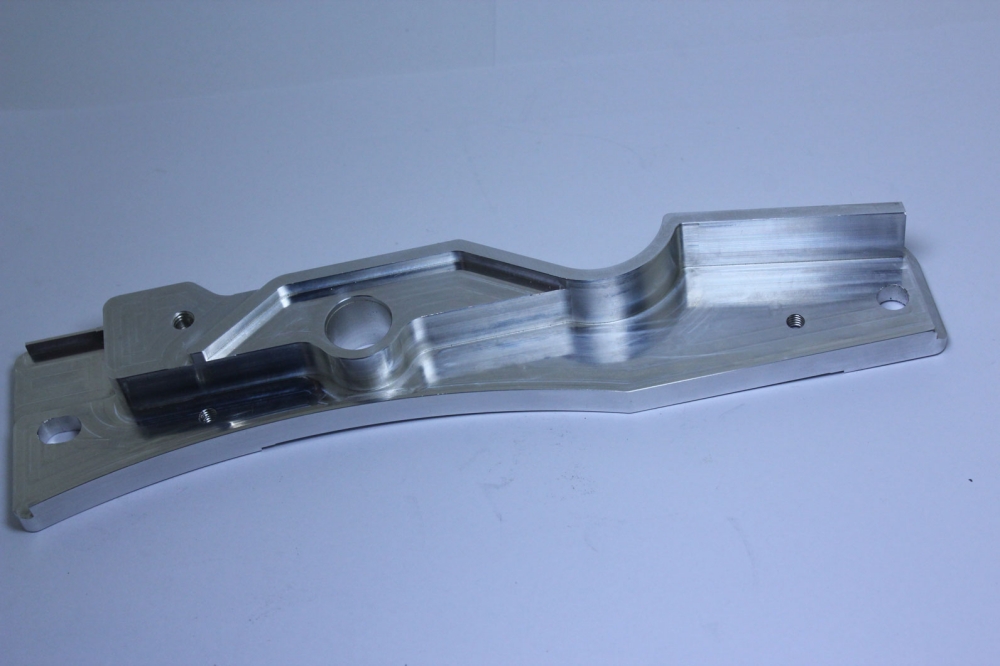
Q: Why are certifications like ISO 9001 important for a CNC machine shop?
A: Certifications are a formalized trust背书. ISO 9001:2015 demonstrates a systematic approach to quality management, ensuring process consistency. For specialized industries, IATF 16949 (automotive) or ISO 13485 (medical) show adherence to even stricter, sector-specific standards. These certifications, which GreatLight Metal holds, are your assurance of a controlled, reliable, and traceable manufacturing process from start to finish.
Q: Can you handle the entire process from my prototype to full production?
A: Absolutely. This is a core strength of a full-service provider like GreatLight Metal. We specialize in integrated manufacturing solutions. We can iterate your design via rapid prototyping (using CNC or 3D printing), refine the process, and then seamlessly scale up to high-volume production using our CNC machining, die casting, or sheet metal fabrication lines, all under one roof with consistent quality control. For ongoing insights into our capabilities and industry trends, connect with us on LinkedIn{:target=”_blank”}.