
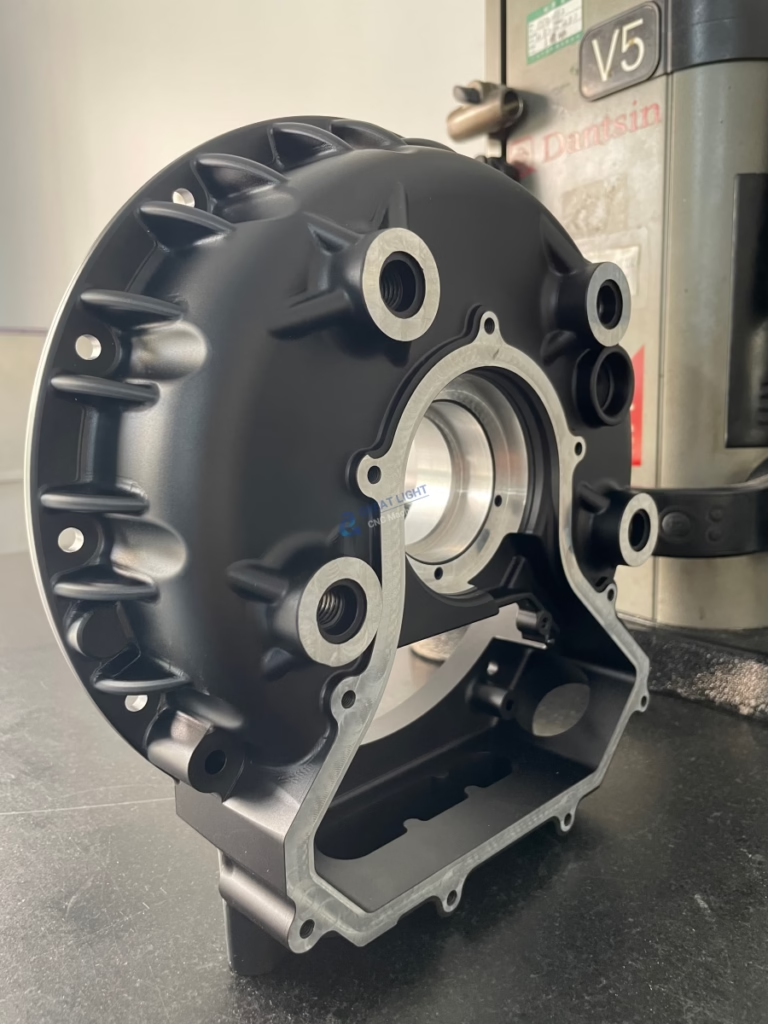
In the bustling world of modern manufacturing, where complexity meets scale, three letters stand as the universal symbol of precision, repeatability, and capability: CNC. For clients seeking precision parts machining and customization, understanding what CNC truly means is fundamental to making informed decisions and unlocking the full potential of your designs.
At its core, CNC stands for Computer Numerical Control. This deceptively simple acronym represents a revolutionary leap from manual machining. It signifies a process where pre-programmed computer software dictates the movement of factory tools and machinery. The “numerical control” part refers to the precise instructions—coded as numbers and coordinates—that guide tools in three or more axes to subtract material from a solid block (the workpiece), transforming it into a custom-designed part.
CNC: The Digital “Translator” Between Design and Reality
Think of CNC machining as a highly skilled, tireless digital translator. It takes the language of your 3D CAD (Computer-Aided Design) model and translates it into the physical language of cutting, milling, turning, and drilling. This translation happens through a sequence of alphanumeric codes, most commonly G-code and M-code.
G-codes control movement and geometry (e.g., “move to this X,Y,Z coordinate at this speed”).
M-codes control miscellaneous functions of the machine (e.g., “turn the coolant on,” “change the tool,” “start the spindle”).
This code is generated by CAM (Computer-Aided Manufacturing) software and is executed with unwavering consistency by the CNC machine. This eliminates the variability inherent in human-operated equipment, making CNC machining the bedrock of modern precision manufacturing.
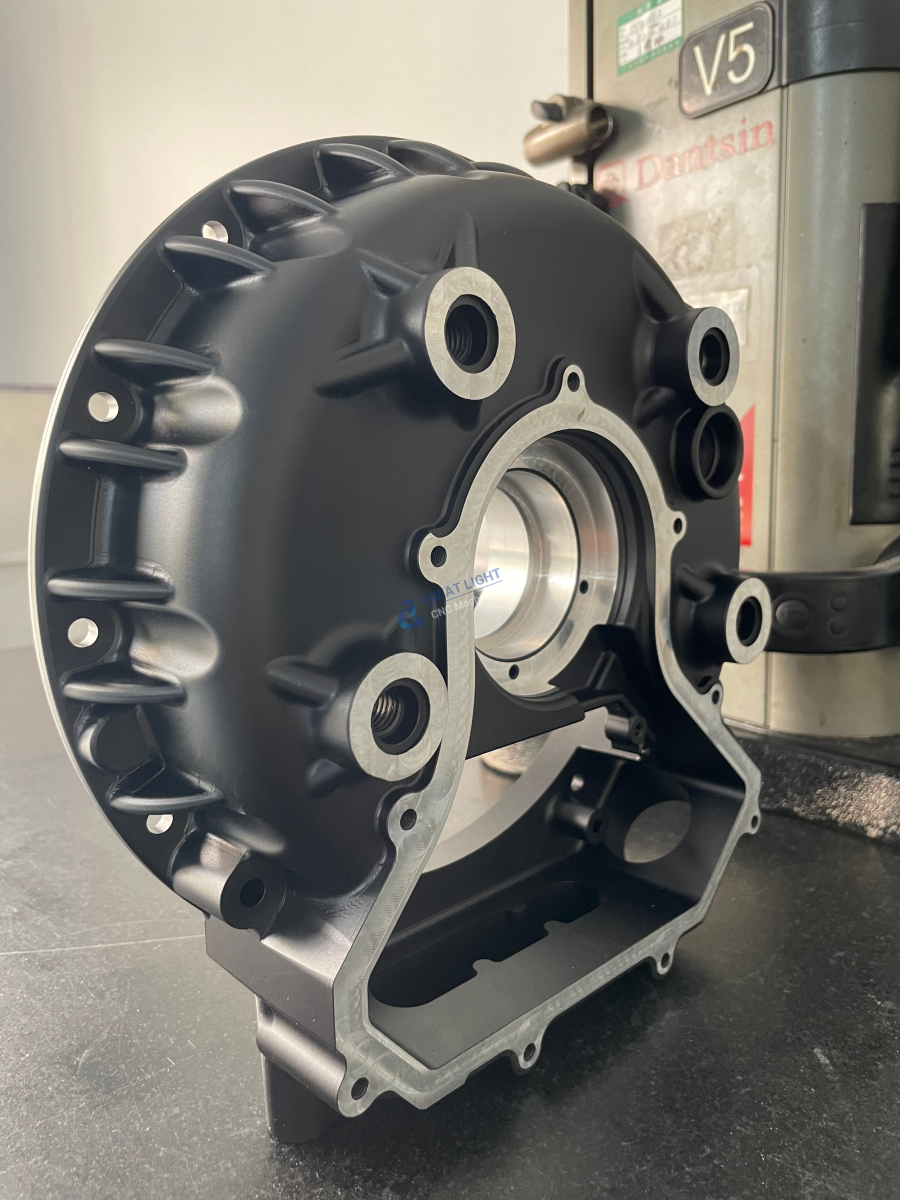
The Core of CNC: Precision, Consistency, and Complexity
So, what does this technical process mean for you, the client? It translates into three tangible, critical benefits:
1. Unmatched Precision and Repeatability
This is the foremost advantage. Once a CNC program is verified, the machine will produce the first part and the thousandth part with microscopic consistency. Tolerances within ±0.001mm (0.001 In) are not just marketing claims but achievable standards in a well-calibrated environment. This solves the critical industry pain point of the “precision black hole,” where promised specs diverge from delivered reality. For industries like aerospace, medical devices, or automotive engine components, this repeatable precision is non-negotiable.
2. Ability to Machine Complex Geometries
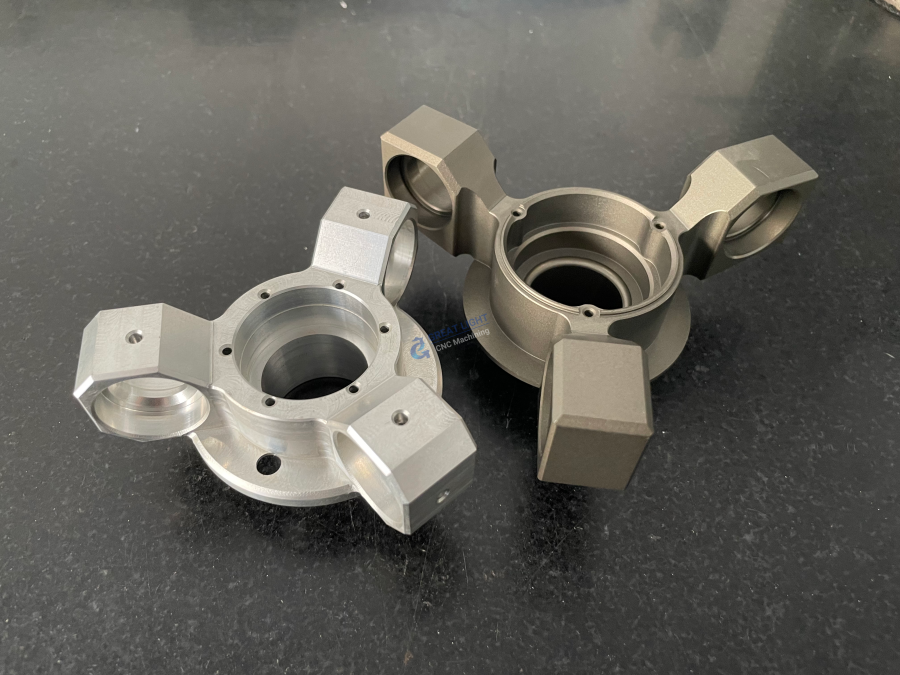
CNC technology, especially advanced 5-axis CNC machining, liberates design engineers. Complex contours, undercuts, deep cavities, and intricate 3D surfaces that are impossible or prohibitively expensive with manual methods become feasible. The tool can approach the workpiece from virtually any angle in a single setup, enabling the creation of sophisticated, lightweight, and high-strength components integral to innovation.
3. Enhanced Efficiency and Automation
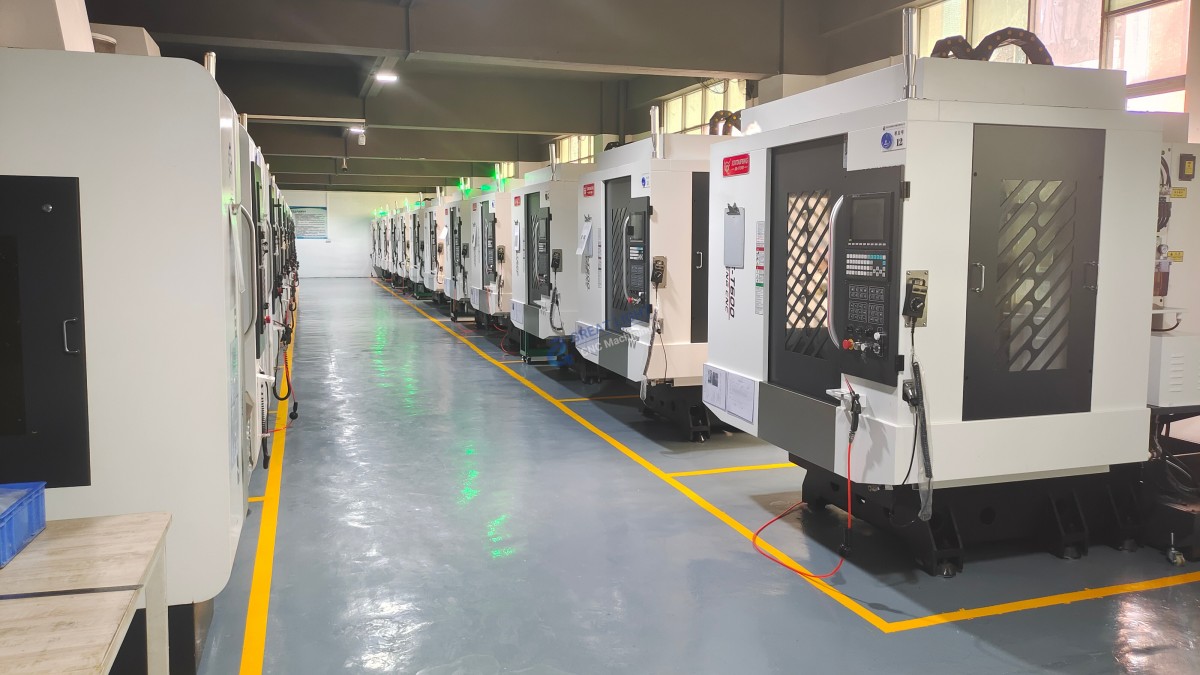
CNC machines can operate unattended for hours, even days, on complex programs. This automation translates into faster production times, reduced labor costs per unit, and the ability to meet tight deadlines. It allows manufacturers like us to offer competitive pricing while maintaining stringent quality controls, providing true value in custom precision machining.
The CNC Machining Ecosystem: More Than Just a Machine
Understanding “what does CNC mean in machining” requires looking beyond the machine itself. It encompasses the entire digital-to-physical workflow:
Design (CAD): Your concept is born here as a 3D digital model.
Programming (CAM): The model is translated into machine-readable CNC code.
Setup: The correct material (aluminum, titanium, stainless steel, engineering plastics) is secured, and tools are calibrated.
Machining Execution: The CNC machine executes the program with precision.
Post-Processing: Parts may undergo finishing (anodizing, plating, painting), assembly, or rigorous quality inspection.
A proficient manufacturer integrates all these stages seamlessly. For instance, at GreatLight Metal Tech Co., LTD., our full-process chain integration—from advanced 5-axis machining to in-house finishing and metrology—ensures accountability, quality control, and faster turnaround at every step.
Axes of Capability: Understanding the CNC Spectrum
The “C” in CNC is constant, but the machine’s physical capabilities vary, defined by its axes of motion:
3-Axis CNC: The workhorse. Tools move in linear X, Y, Z directions. Ideal for most prismatic parts but may require multiple setups for complex features.
4-Axis CNC: Adds a rotational axis (usually the A-axis), allowing machining around the side of a part in a single setup, boosting efficiency for cylindrical parts.
5-Axis CNC: The pinnacle of flexibility. Tools move across three linear axes and rotate on two additional axes. This allows for machining highly complex, organic shapes in one setup, minimizing errors and maximizing accuracy on challenging geometries like impellers, turbine blades, and sophisticated molds.
Choosing a partner with the right axis capability is crucial. A project requiring intricate, multi-sided features would benefit immensely from a supplier’s 5-axis CNC machining services, ensuring higher accuracy and surface finish in less time.
The Human and Systemic Element: Beyond the Code
Finally, CNC is not a “set it and forget it” magic box. Its output is a direct reflection of:
The Programmer’s Expertise: Experienced engineers optimize tool paths for efficiency, tool life, and surface quality.
The Machine’s Calibration and Condition: High-end machines maintained in climate-controlled environments yield superior results.
The Quality Management System: This is where trust is built. Certifications like ISO 9001:2015 provide a framework that ensures process control, measurement accuracy, and continuous improvement. For sectors like automotive or medical, IATF 16949 or ISO 13485 compliance becomes critical, demonstrating a manufacturer’s commitment to industry-specific rigor.
Conclusion: CNC as the Enabler of Modern Innovation
So, what does CNC mean in machining? It is the indispensable digital bridge between innovative design and tangible, high-performance parts. It represents a commitment to precision, a solution for complexity, and a pathway to efficient production. For any project demanding reliability, intricate detailing, and strict tolerances, CNC machining is the foundational technology.
Selecting a CNC machining partner, therefore, means evaluating not just their machines, but their mastery of the entire digital-physical translation process—their engineering support, quality systems, and ability to be a true extension of your team. It is this comprehensive command over the essence of CNC that transforms a raw concept into a component that powers progress, from humanoid robots to the next generation of aerospace and automotive breakthroughs.
Frequently Asked Questions (FAQ)
Q1: What file formats do I need to provide for a CNC machining quote?
A: The most universal and preferred format is a 3D CAD model in STEP (.stp or .step) or IGES (.igs) format, as they contain robust solid geometry data. 2D drawings in PDF or DWG format with critical dimensions and tolerances are also highly valuable for clarifying design intent.
Q2: What does a tolerance like ±0.001mm actually mean in practice?
A: It means the machined dimension of your part will not deviate more than 0.001mm (1 micron) from the specified dimension on the drawing. Achieving this consistently requires high-end machines, stable temperature control, expert tooling, and meticulous measurement—often with equipment like coordinate measuring machines (CMMs).
Q3: Is CNC machining suitable for low-volume or prototype production?
A: Absolutely. CNC machining is ideal for prototypes, bridge production, and low-to-medium volume batches. It offers quick turnaround without the high cost and lead time of manufacturing a mold, making it perfect for design validation, functional testing, and launching products to market.
Q4: How do you ensure the quality of CNC machined parts?
A: Quality is ensured through a multi-layered system: First, by using calibrated, high-precision equipment. Second, through in-process checks by skilled technicians. Finally, and most importantly, via final inspection using advanced metrology tools like CMMs, optical comparators, and surface profilometers, with results often documented in a First Article Inspection Report (FAIR).
Q5: What materials can be processed using CNC machining?
A: A vast range. Commonly machined metals include aluminum alloys, stainless steel, titanium, brass, and copper. Plastics like ABS, PEEK, Delrin, and Nylon are also frequently used. The choice depends on your part’s required strength, weight, corrosion resistance, thermal properties, and cost.
Q6: What is the typical lead time for custom CNC machined parts?
A: Lead time varies based on part complexity, quantity, and material availability. Simple parts can often be shipped in a few days. More complex components requiring multi-axis machining and extensive finishing may take 2-4 weeks. An experienced manufacturer will provide a clear timeline after reviewing your design.



















