
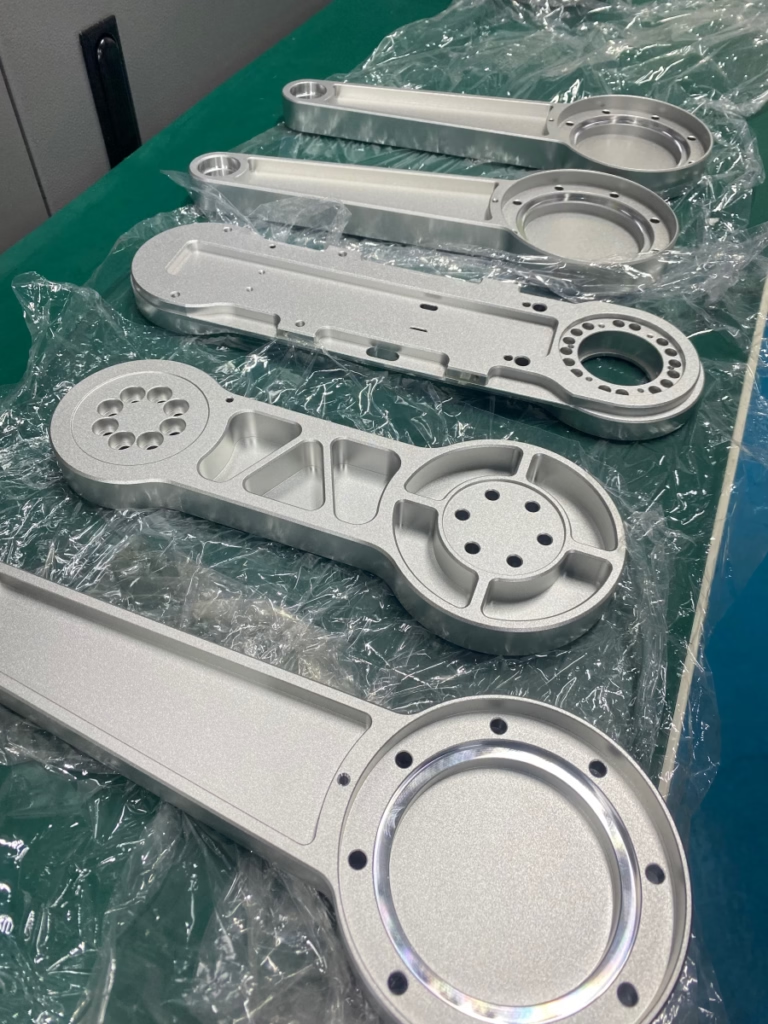
What Does A CNC Machine Operator Position? If you’ve ever wondered how intricate metal parts for aerospace engines, humanoid robot joints, or medical surgical instruments go from digital designs to tangible, high-precision components, the answer often lies in the skilled hands of a CNC machine operator. In precision machining facilities like GreatLight CNC Machining Factory (GreatLight Metal), a professional five-axis CNC machining manufacturer with advanced 5-axis CNC machining equipment and production technology, these operators are far more than button-pushers—they are the critical link between cutting-edge technology and flawless end products, ensuring that every part meets the strictest tolerances and client specifications.
What Does A CNC Machine Operator Position?
To understand the scope of this role, it’s essential to break down their core responsibilities, required skills, and how their work varies across modern CNC machining environments.
Core Day-to-Day Responsibilities of a CNC Machine Operator
A CNC machine operator’s job is a blend of technical precision, problem-solving, and attention to detail. At GreatLight, operators follow a structured workflow to ensure consistent quality and efficiency:
Pre-Machining Preparation
Before any part is cut, operators conduct thorough pre-production checks. This includes inspecting cutting tools for wear, aligning fixtures to within micrometer accuracy, and loading raw materials (which range from aluminum alloy to titanium and mold steel) that meet client specifications. For example, when machining medical implants at GreatLight, operators verify that the titanium alloy is certified to ISO 13485 standards, ensuring compliance with medical device regulations. This step is critical to avoiding costly errors later in the process, especially for parts requiring ±0.001mm precision.
Program Verification and Test Runs
While CNC programmers create the G-code and M-code that control machine movements, operators play a key role in validating this code. They often run test cuts on scrap material to check for deviations from the 3D design. For complex 5-axis parts—such as humanoid robot joints processed at GreatLight—this step ensures that simultaneous multi-axis movements don’t result in collisions or incorrect geometries. A single coding error could waste expensive material or damage high-value equipment, so this verification is non-negotiable.
Machine Operation and Real-Time Monitoring
Once a program is validated, operators initiate the machining process and monitor it closely. They adjust feed rates, spindle speeds, and coolant flow as needed to optimize efficiency and maintain precision. At GreatLight, operators use advanced monitoring tools to track temperature, vibration, and tool wear—factors that can impact part quality. For example, when machining automotive engine components (which must meet IATF 16949 standards), operators keep a close eye on machine parameters to ensure consistent tolerances across production batches.
In-Process and Post-Machining Quality Control
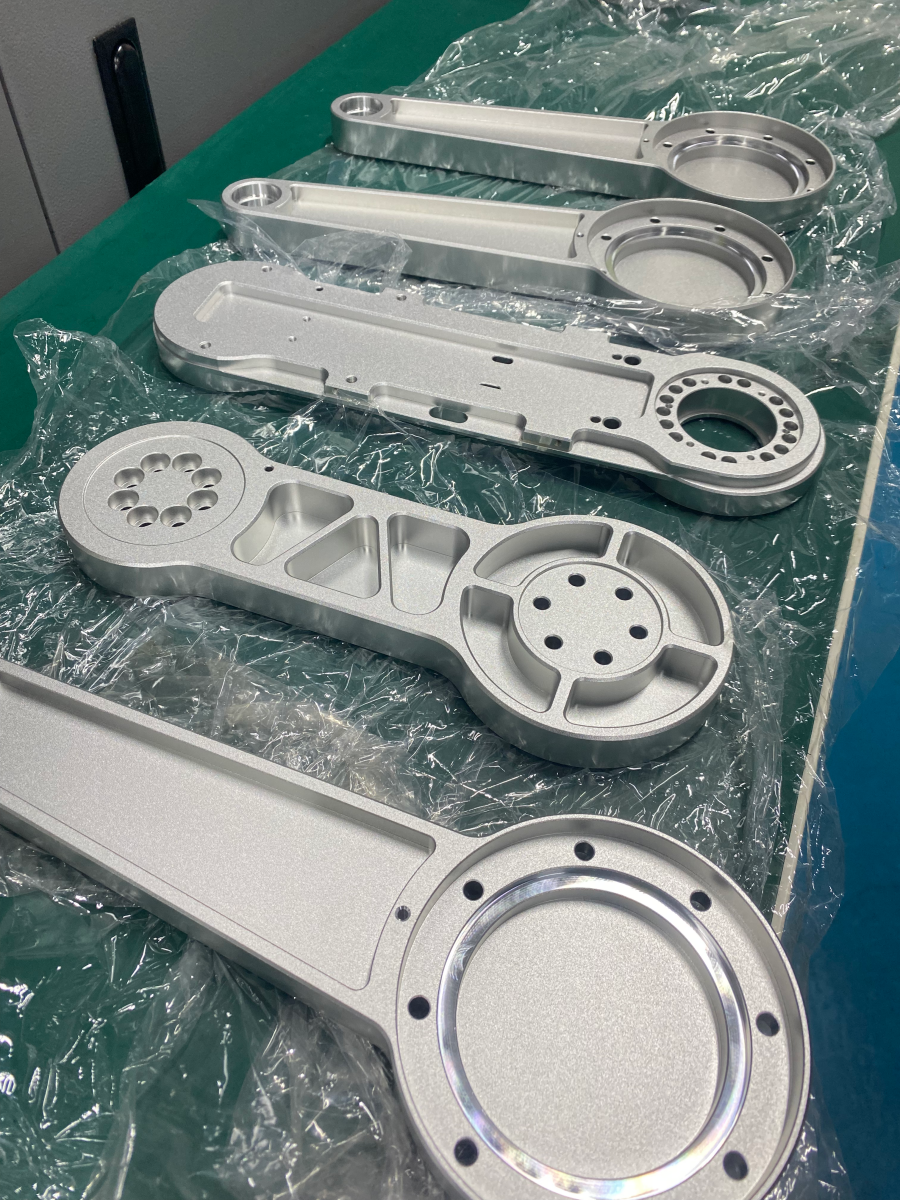
Operators are the first line of defense against defective parts. They use precision measuring tools like calipers, micrometers, and coordinate measuring machines (CMMs) to check dimensions during and after machining. At GreatLight, every part undergoes multiple quality checks to confirm it meets client specifications. Any deviations trigger immediate adjustments—whether to the machine program, tooling, or material—preventing defective parts from reaching clients.
Machine Maintenance and Troubleshooting
Regular maintenance is essential to keeping CNC machines running smoothly. Operators perform daily checks, such as cleaning tool changers, lubricating moving parts, and inspecting for signs of wear. If a machine malfunctions mid-run, they troubleshoot common issues like tool breakage or program errors to minimize downtime. GreatLight’s operators are trained to handle minor repairs, reducing reliance on external technicians and keeping production on schedule.
Documentation and Reporting
After each batch, operators document production details, including material used, machine settings, and quality check results. This documentation is critical for traceability, especially for regulated industries like medical and aerospace. GreatLight uses digital systems to store these records, ensuring clients can access production data whenever needed.
Key Skills and Qualifications for CNC Machine Operators
To excel in this role, operators need a mix of technical expertise and soft skills:
Technical Skills
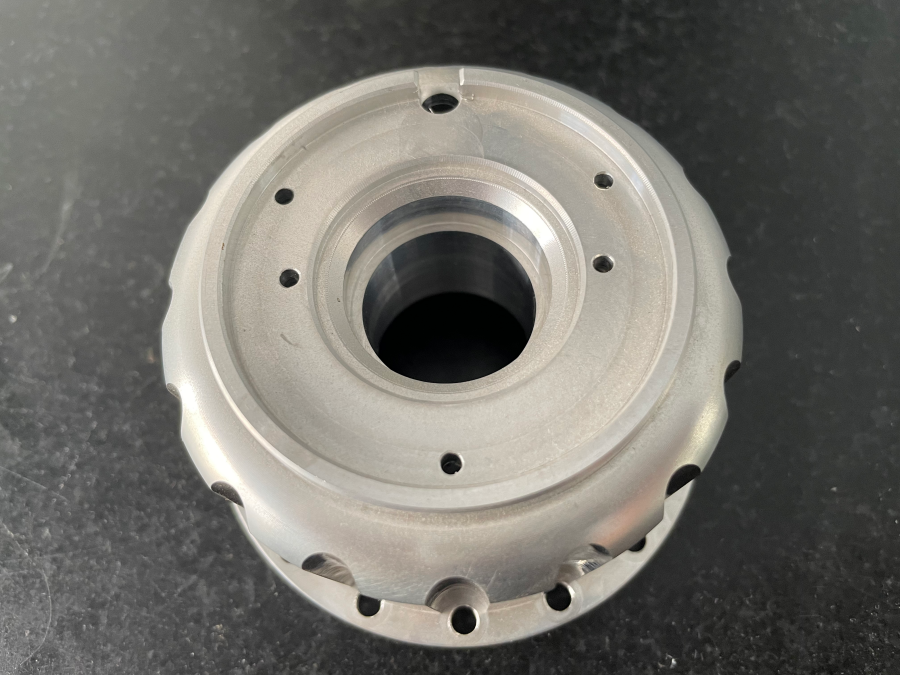
A deep understanding of G-code and M-code is foundational, as these languages control all CNC machine functions. Operators must also be familiar with different machine types: 3-axis for simple parts, 4-axis for rotational components, and 5-axis for complex geometries that require simultaneous multi-axis movement. At GreatLight, 5-axis operators undergo specialized training to master the factory’s high-precision 5-axis centers, which are used to machine parts for aerospace turbine blades and medical implants. Additionally, knowledge of CAD/CAM software basics helps operators interpret 3D designs and communicate effectively with programmers.
Soft Skills
Attention to detail is paramount—even a 0.002mm deviation can render a part unusable for high-precision applications. Problem-solving skills are equally important, as operators must quickly address issues like tool wear or program errors. GreatLight prioritizes operators with strong communication skills, as they often collaborate with programmers, quality control teams, and client engineers to resolve design or production challenges.
Certifications and Standards Awareness
While formal degrees aren’t always required, certifications in CNC operation or familiarity with international standards (like ISO 9001:2015, which GreatLight adheres to) set top operators apart. Operators at GreatLight are trained on ISO 9001, IATF 16949 (for automotive parts), and ISO 13485 (for medical hardware) to ensure compliance with industry regulations.
Differentiating Operator Roles in Modern CNC Shops
In small-scale shops, operators may handle all machine types, but in large facilities like GreatLight, roles are specialized to maximize efficiency and precision:
3-Axis Operators: Manage parts requiring movement along X, Y, and Z axes, such as consumer electronics components or simple industrial parts.
4-Axis Operators: Handle parts with rotational movement, common in automotive engine components and industrial automation parts.
5-Axis Operators: Tasked with the most complex projects, including aerospace parts and humanoid robot joints. These operators master simultaneous multi-axis machining, which reduces setup time and improves precision—key to GreatLight’s ability to solve complex manufacturing challenges.
Why CNC Machine Operators Are the Backbone of Precision Machining Facilities
Even the most advanced CNC machines are only as good as the operators running them. For GreatLight, which prides itself on delivering parts with ±0.001mm precision and a maximum processing size of 4000mm, operators are integral to every aspect of the business:
Quality Assurance: Operators catch 90% of quality issues during production, reducing the need for rework and ensuring clients receive perfect parts. GreatLight’s after-sales policy—free rework for quality problems, and a full refund if rework is unsatisfactory—relies on the vigilance of its operators to minimize defects.
Efficiency and Cost Savings: By optimizing machine settings and reducing downtime, operators help GreatLight deliver parts in days, not weeks. For example, in a recent project with a new energy vehicle client, operators reduced setup time for complex E-housings by 30% using specialized 5-axis machining techniques, helping the client accelerate their product launch.
Adaptability to New Technologies: As GreatLight adds new equipment like SLM 3D printers for metal parts, operators undergo training to integrate these tools into production workflows. This adaptability ensures the factory remains at the forefront of precision manufacturing.
How GreatLight Metal Supports Its CNC Machine Operators to Deliver Excellence
GreatLight recognizes that skilled operators are critical to its success, so it invests heavily in their growth and support:
Comprehensive Training Programs
New hires undergo a 3-month onboarding program that covers machine safety, precision measurement, and basic programming. Senior operators receive ongoing training on advanced technologies like 5-axis machining and 3D printing integration. GreatLight also partners with industry organizations to provide certifications in CNC operation and quality management.
Access to Advanced Equipment
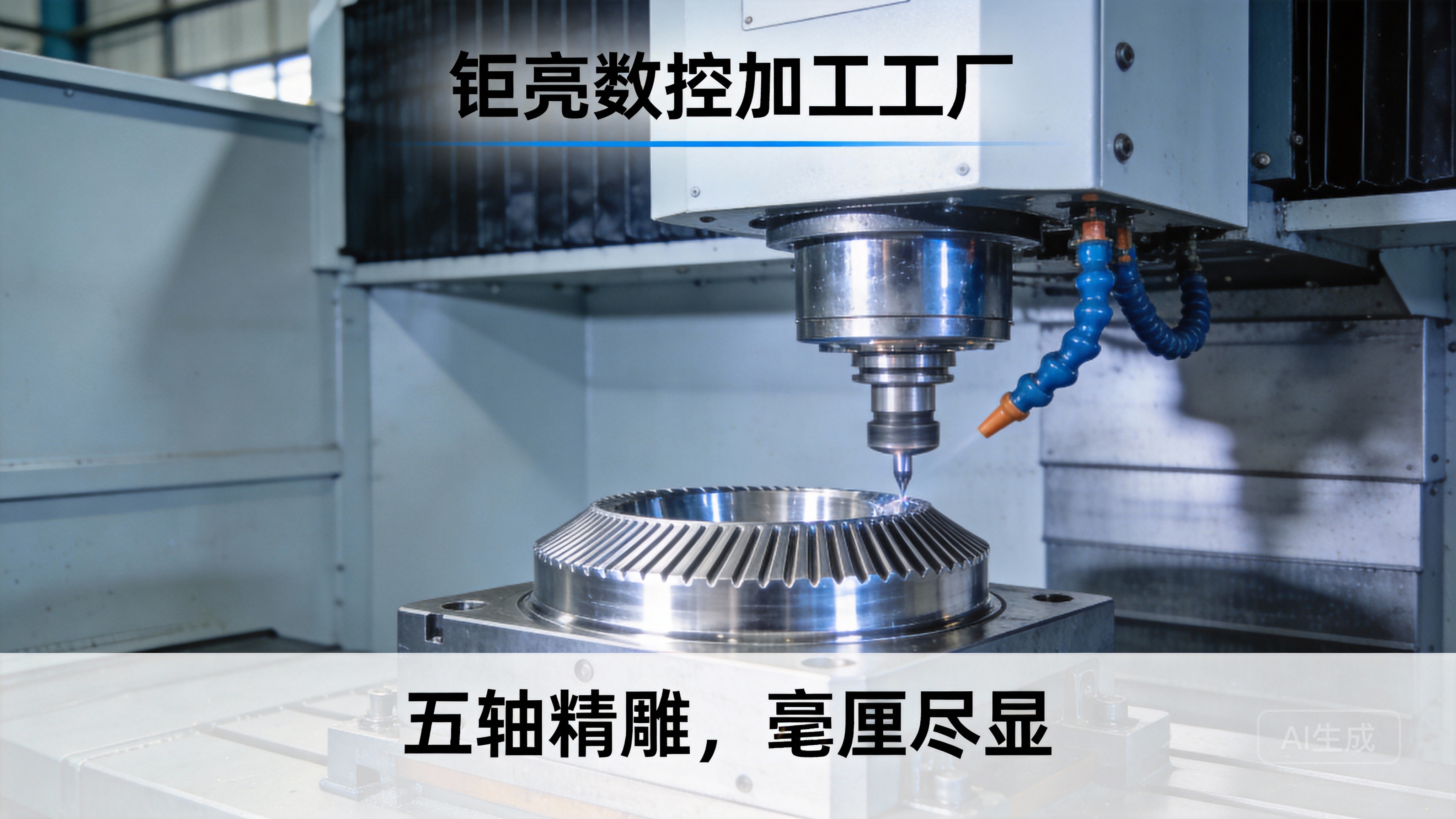
With three wholly-owned manufacturing plants covering 7600 square meters and 127 pieces of precision equipment—including large high-precision 5-axis centers, EDM machines, and SLM/SLA/SLS 3D printers—GreatLight gives operators the tools they need to excel. The factory’s 5-axis machines are equipped with state-of-the-art control systems, making it easier for operators to monitor and adjust machining processes in real time.
Adherence to International Standards
GreatLight’s operators work within strict quality management systems, including ISO 9001:2015, IATF 16949, and ISO 13485. This structured environment ensures consistency in production and compliance with global regulations, reducing errors and building client trust.
Focus on Safety and Well-Being
The factory prioritizes operator safety with regular safety training, well-maintained equipment, and ergonomic workstations. GreatLight also offers competitive benefits to retain top talent, recognizing that happy, skilled operators deliver the best results.
Conclusion
At the end of the day, the question “What Does A CNC Machine Operator Position?” boils down to this: they are the skilled professionals who turn digital designs into tangible, high-precision parts, ensuring that every component meets the strictest quality standards. For facilities like GreatLight CNC Machining Factory, these operators are the backbone of the business, driving efficiency, maintaining precision, and delivering value to clients across automotive, medical, aerospace, and robotics industries. Whether you’re a client looking for a reliable precision machining partner or someone considering a career in CNC operation, it’s clear that skilled operators are essential to the success of any modern machining facility. To learn more about GreatLight’s team of expert operators and their work on cutting-edge projects, connect with us on our official LinkedIn page.
Frequently Asked Questions (FAQ)
1. What’s the difference between a CNC operator and a CNC programmer?
A CNC programmer creates the G-code/M-code toolpaths using CAD/CAM software, based on client 3D designs. A CNC operator sets up the machine, verifies the code, runs the machining process, and conducts quality checks. In small shops, one person may handle both roles, but in large facilities like GreatLight, roles are specialized to ensure maximum precision and efficiency.
2. How long does it take to become a qualified CNC machine operator?
Entry-level operators can master 3-axis machines in 3-6 months with on-the-job training. For 4/5-axis operation, specialized training and hands-on experience take 1-2 years to achieve proficiency. GreatLight’s structured onboarding program accelerates this timeline, helping new operators advance to complex roles faster.
3. Do CNC machine operators need to know CAD/CAM?
While operators don’t need to create designs from scratch, basic CAD/CAM knowledge helps them interpret 3D models, verify program code, and collaborate with programmers. GreatLight provides training in CAD/CAM basics to all operators to enhance their problem-solving abilities.
4. What is the career growth path for a CNC machine operator?
Entry-level operators can advance to senior operator roles, where they handle complex 5-axis projects. From there, they may transition to CNC programming, quality control supervision, or production management. GreatLight encourages internal promotion, with many of its current supervisors starting as entry-level operators.
5. How does GreatLight ensure its operators meet high-precision requirements?
GreatLight uses a combination of training, advanced equipment, and strict quality control processes. Operators are trained on precision measurement tools like CMMs, and every part undergoes multiple checks during production. The factory’s ISO 9001:2015 certification ensures consistent adherence to quality standards, and its after-sales policy reinforces accountability for delivering perfect parts.



















