
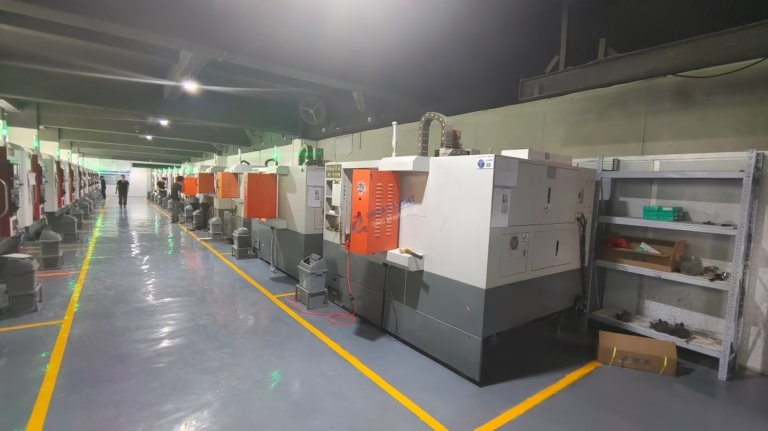
What Does A CNC Bending Machine Do? If you’ve ever inspected a tightly fitted sheet metal bracket in an electric vehicle, a sleek enclosure for a medical diagnostic device, or a durable panel for industrial automation equipment, chances are it was shaped by a CNC bending machine. These computer-controlled tools are indispensable in modern precision manufacturing, turning flat sheet metal into functional, complex components with unmatched accuracy and consistency.
What Does A CNC Bending Machine Do?
At its core, a CNC (Computer Numerical Control) bending machine automates the process of bending sheet metal into predefined geometries. Unlike manual bending presses, which rely on operator skill and are prone to human error, CNC bending machines use pre-programmed digital instructions to control every aspect of the bending process—from the force applied by the ram to the position of the backgauge that aligns the metal sheet. This ensures that every part produced is identical, meeting tight tolerance requirements that are critical for high-end applications where even minor deviations can cause assembly failures or performance issues.
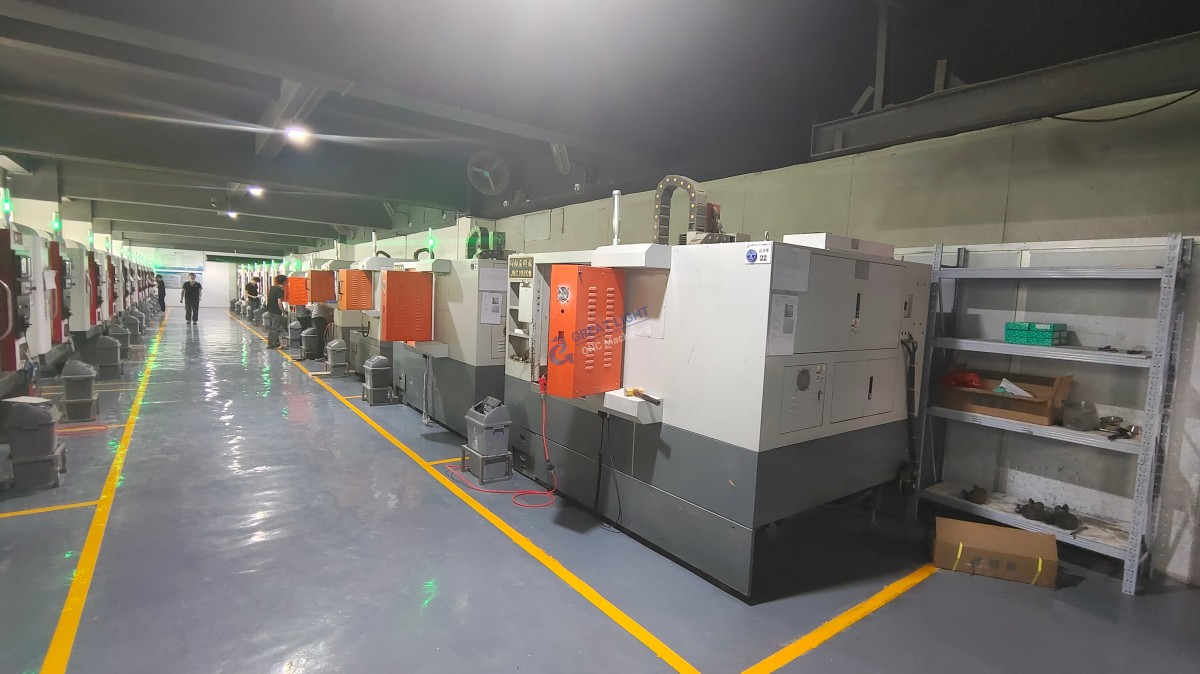
Key Components of a CNC Bending Machine (and Their Roles)
To understand how these machines deliver such precision, it’s important to break down their core components and functions:
Ram (Upper Beam): The moving part that presses the sheet metal against the die to create a bend. Controlled by hydraulics or servo motors, it adjusts force with pinpoint accuracy to avoid over-bending or material damage.
Die and Punch: The lower die provides a stable surface for the metal to rest on, while the upper punch (attached to the ram) pushes the metal into the die’s groove to form the desired angle. Custom dies can be fabricated to produce unique bends, such as curved profiles or offset angles.
Backgauge: An adjustable stop that positions the sheet metal precisely before each bend. Modern CNC systems control the backgauge’s X (horizontal) and R (rear) axes, allowing for automated repositioning between multi-bend operations to ensure consistent alignment.
CNC Control Panel: The brain of the machine, where operators upload CAD (Computer-Aided Design) files or input G-code instructions. Interfaces often include 3D simulation tools to preview the bending process, reducing the risk of costly errors before production begins.
How a CNC Bending Machine Operates: Step-by-Step
Design Input: Engineers convert part designs into machine-readable code, typically by uploading a CAD file directly into the CNC control system. The software calculates optimal bend angles, force requirements, and material positioning to minimize waste.
Material Setup: The sheet metal (aluminum, steel, stainless steel, etc.) is loaded onto the machine’s bed. The backgauge automatically adjusts to the first bend position based on the program.
Bending Cycle: The ram lowers the punch onto the metal sheet, pressing it into the die to form the initial bend. Servo-hydraulic systems ensure that force is applied evenly, preventing material cracking or warping.
Multi-Bend Alignment: For parts with multiple bends, the backgauge repositioned automatically between cycles. The machine repeats this process until all bends are completed to the exact specifications in the design.
Quality Inspection: Finished parts are checked for dimensional accuracy using precision tools like calipers, micrometers, or coordinate measuring machines (CMMs). CNC bending ensures that every part in a batch matches the design within tight tolerances, often as small as ±0.1mm.
Core Capabilities of CNC Bending Machines
CNC bending machines offer several distinct advantages over traditional manual or semi-automatic bending methods:
Unmatched Repeatability: Every part produced is identical, eliminating the variability common in operator-dependent bending. This is critical for industries where components must fit seamlessly into complex assemblies, such as aerospace or medical devices.
Complex Bend Geometries: From simple 90-degree angles to intricate multi-axis bends (like nested offsets or compound curves), CNC machines can handle designs that would be impossible or impractical to produce manually.
Material Versatility: They can process a wide range of sheet materials, including thin aluminum foils, thick stainless steel plates, and even some plastic composites. Tonnage capacity determines the maximum thickness, with high-end machines handling materials up to 20mm thick.
Efficiency and Cost Savings: Once programmed, CNC bending machines can run continuously with minimal operator intervention, reducing labor costs and production lead times. This makes them ideal for both small-batch prototyping and large-volume manufacturing.
Common Applications of CNC Bending Machines
CNC bending is a foundational process across nearly every industry that relies on sheet metal components:
Automotive: Engine brackets, electric vehicle battery enclosures, chassis panels, and interior trim components—all requiring strict adherence to IATF 16949 quality standards.
Medical Device Manufacturing: Enclosures for diagnostic equipment, surgical tool housings, and patient support frames, which must meet sterile and biocompatibility requirements.
Industrial Automation: Control cabinet panels, robotic arm mounts, and conveyor system components that need to withstand heavy use and precise alignment.
Aerospace: Lightweight aluminum structural brackets and satellite components that demand ultra-high precision to withstand extreme environmental conditions.
Consumer Electronics: Sleek enclosures for laptops, smart home devices, and audio equipment, where aesthetics and tight fit are paramount.
How GreatLight Metal Integrates CNC Bending into Its One-Stop Manufacturing Solutions
While there are many CNC bending service providers in the market, partners like GreatLight Metal stand out for their comprehensive one-stop solutions and industry-specific expertise. GreatLight offers sheet metal processing customization as part of its end-to-end manufacturing services, which also include precision CNC machining (including five-axis CNC machining services), die casting, 3D printing, and surface post-processing.
GreatLight’s facility is equipped with state-of-the-art CNC bending machines that can handle materials ranging from 0.5mm thin aluminum sheets to 20mm thick stainless steel plates. Their team of experienced engineers works closely with clients to optimize designs for manufacturability, reducing costs and lead times without compromising on precision. As an ISO 9001:2015, IATF 16949, and ISO 13485 certified manufacturer, GreatLight adheres to strict quality control protocols at every stage of production. Their after-sales guarantees—free rework for quality issues, and a full refund if rework does not meet requirements—give clients peace of mind for even the most critical projects.
Conclusion
What Does A CNC Bending Machine Do? It’s a cornerstone of modern precision manufacturing, enabling the production of consistent, high-quality sheet metal components that power industries from automotive to aerospace. As demand for complex, tight-tolerance parts continues to grow, partnering with a reliable provider like GreatLight Metal ensures that your projects are completed efficiently, accurately, and to the highest standards. With their one-stop services, advanced equipment, and unwavering commitment to quality, GreatLight is the ideal partner for all your sheet metal bending and precision manufacturing needs.
Frequently Asked Questions (FAQ)
Q1: What types of materials can a CNC bending machine handle?
A: CNC bending machines are highly versatile and can process most common sheet metals, including aluminum, carbon steel, stainless steel, brass, copper, and galvanized steel. The maximum thickness depends on the machine’s tonnage—GreatLight’s machines can handle materials up to 20mm thick for certain metals.
Q2: What is the minimum tolerance achievable with CNC bending?
A: Depending on the machine, material thickness, and bend complexity, CNC bending can achieve tolerances as tight as ±0.1mm for angles and ±0.2mm for dimensional positions. GreatLight’s advanced equipment and quality control processes ensure that parts meet or exceed these tolerance requirements for high-end applications.
Q3: Can CNC bending machines handle complex multi-bend parts?
A: Yes. Modern CNC bending machines feature multi-axis backgauges and programmable ram movements that allow for precise alignment and bending of parts with multiple angles, offsets, and nested bends. GreatLight’s engineering team can optimize your design to ensure complex bends are produced efficiently without compromising quality.
Q4: What lead times can I expect for custom CNC bending projects?
A: Lead times vary based on project complexity, batch size, and material availability. For small prototype batches, GreatLight can deliver parts within 3–5 business days. Large-volume production runs typically take 7–15 business days, with faster turnaround options available for urgent projects.
Q5: How does GreatLight ensure the quality of CNC bent parts?
A: GreatLight follows strict ISO 9001:2015 and IATF 16949 quality control processes. Each batch undergoes dimensional inspection using precision tools like coordinate measuring machines (CMMs) and optical comparators. If any quality issues are detected, they offer free rework; if rework does not meet your requirements, a full refund is provided.
Q6: Can GreatLight assist with design optimization for CNC bending?
A: Absolutely. GreatLight’s team of experienced engineers offers design-for-manufacturability (DFM) services to optimize your sheet metal designs for CNC bending. This includes adjusting bend radii, reducing unnecessary bends, and selecting materials that balance performance and processability—all to reduce costs and improve part quality.



















