
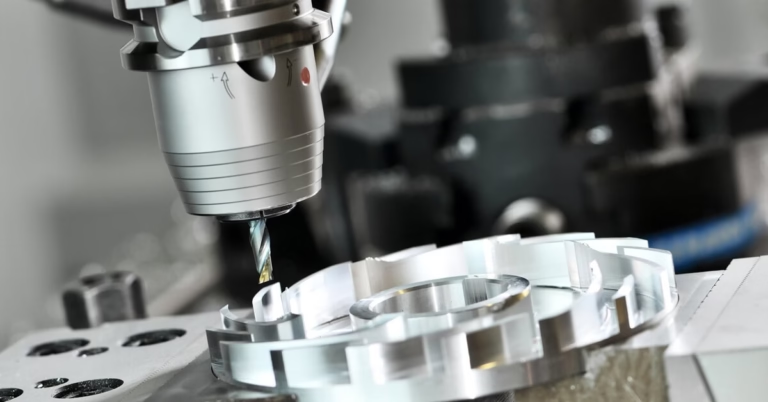
In the world of modern manufacturing, the question “What do you make with your CNC machine?” opens the door to an almost limitless universe of possibilities. As a senior manufacturing engineer at GreatLight Metal Tech Co., Ltd., I’ve witnessed firsthand how precision CNC machining has evolved from a specialized process into the backbone of innovation across virtually every high-tech industry. The short answer is: we make the impossible, possible. From the microscopic components inside your smartphone to the massive structural parts of a spacecraft, CNC technology is the silent force shaping our physical world.
At its core, a CNC (Computer Numerical Control) machine is a subtractive manufacturing tool that carves, drills, and shapes raw material—be it metal, plastic, or composite—into a finished part with astonishing accuracy. But what truly defines a leading manufacturer like ours isn’t just the machine itself; it’s the engineering expertise, process integration, and quality systems that translate digital blueprints into flawless physical reality.
The Breadth of Creation: Industry Applications
The applications of CNC machining are as diverse as modern industry itself. Here’s a breakdown of what we regularly manufacture across key sectors:
Automotive & New Energy Vehicles (NEV)
This sector demands a blend of high volume, extreme precision, and material innovation. We produce:
Powertrain Components: Complex engine blocks, cylinder heads, transmission housings, and drive shafts that require micron-level tolerances for efficiency and durability.
E-Mobility Parts: Key components for the electric revolution, including intricate battery module housings, motor end caps, and power electronics heat sinks. For a pioneering NEV client, we recently conquered the challenge of machining a large, thin-walled aluminum battery tray with integrated coolant channels, a part requiring absolute leak-proof integrity.
Chassis & Suspension: Steering knuckles, control arms, and brake system components (like calipers) where strength-to-weight ratio and safety are non-negotiable.
Aerospace & Defense
Here, reliability is paramount. Every component must perform under extreme stress and environmental conditions. Our work includes:
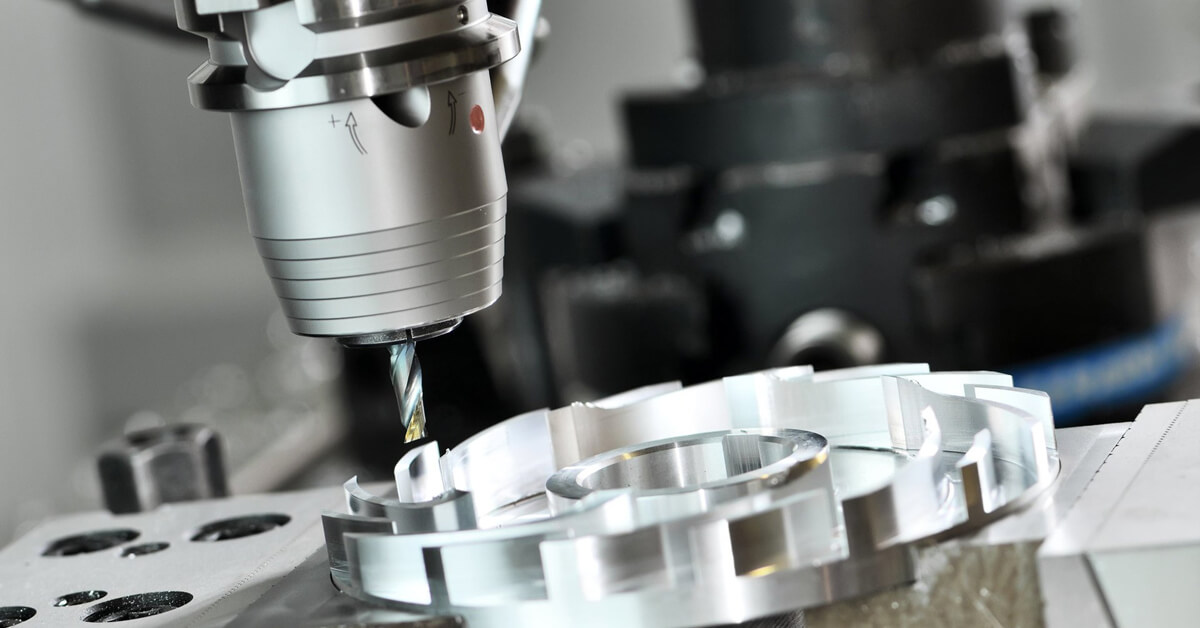
Structural Airframe Parts: Brackets, fittings, and beams made from high-strength, lightweight alloys like titanium (Ti-6Al-4V) and advanced aluminums.
Engine Components: Turbine blades, fuel system nozzles, and combustion chamber parts that withstand tremendous heat and pressure. Five-axis CNC machining is indispensable here for creating the complex aerodynamic contours.
Avionics & UAV Parts: Housings for navigation systems, sensor mounts, and custom fittings for drones, where precision ensures system integrity and performance.
Medical & Life Sciences
This field combines ultra-high precision with stringent regulatory standards (like ISO 13485, which we hold). We manufacture:
Surgical Instruments: Forceps, bone reamers, and laparoscopic tool components with razor-sharp edges and complex geometries.
Implantable Devices: Prototypes and final production parts for orthopedic implants (knee, spinal, dental), often from biocompatible materials like medical-grade titanium or PEEK.
Diagnostic Equipment Parts: Housings, lens holders, and precision stages for MRI machines, spectrometers, and robotic surgical systems.
Robotics & Industrial Automation
As factories and warehouses become smarter, the demand for precise, durable robotic components skyrockets. We produce:
Robotic Arm Components: Joint housings, end-effector adapters, and harmonic drive parts that require high stiffness and minimal weight.
Custom Actuators & Enclosures: Parts for linear guides, servo motors, and sensor-protective housings that ensure reliable 24/7 operation.
Humanoid Robot Components: This emerging field demands incredibly complex, lightweight, and strong structural parts that mimic human kinematics, a perfect challenge for our integrated 5-axis machining and 3D printing capabilities.
High-End Consumer Electronics & Telecommunications
This fast-paced sector requires aesthetic perfection and dimensional accuracy. We make:
Prototype Housings & Bezels: For smartphones, VR headsets, and laptops, often requiring a perfect blend of machining and subsequent polishing/anodizing.
Internal Components: Heat spreaders, connector backshells, and waveguide components for 5G infrastructure, where precise geometries directly impact signal integrity.
Fixtures & Testing Jigs: The custom tools used to assemble and test the electronics themselves.
Mold Making for Die Casting & Injection Molding
Beyond final parts, a significant portion of our work is creating the master tools. We machine:
High-Precision Mold Cores & Cavities: For plastic injection molding and aluminum/zinc die casting. The surface finish and accuracy of these steel or aluminum molds directly determine the quality and cycle time of thousands of production parts.
The GreatLight Metal Advantage: Beyond Just Making Parts
While many job shops can run a CNC machine, clients choose partners like GreatLight Metal for our ability to deliver solutions, not just parts. Here’s what sets our manufacturing process apart:
From Prototype to Production: We offer a true one-stop service. A part can be prototyped via SLA/SLS 3D printing for form and fit verification, then move to CNC machining for functional testing in the final material, and finally into production using machined or cast parts, all under one roof with consistent quality control.
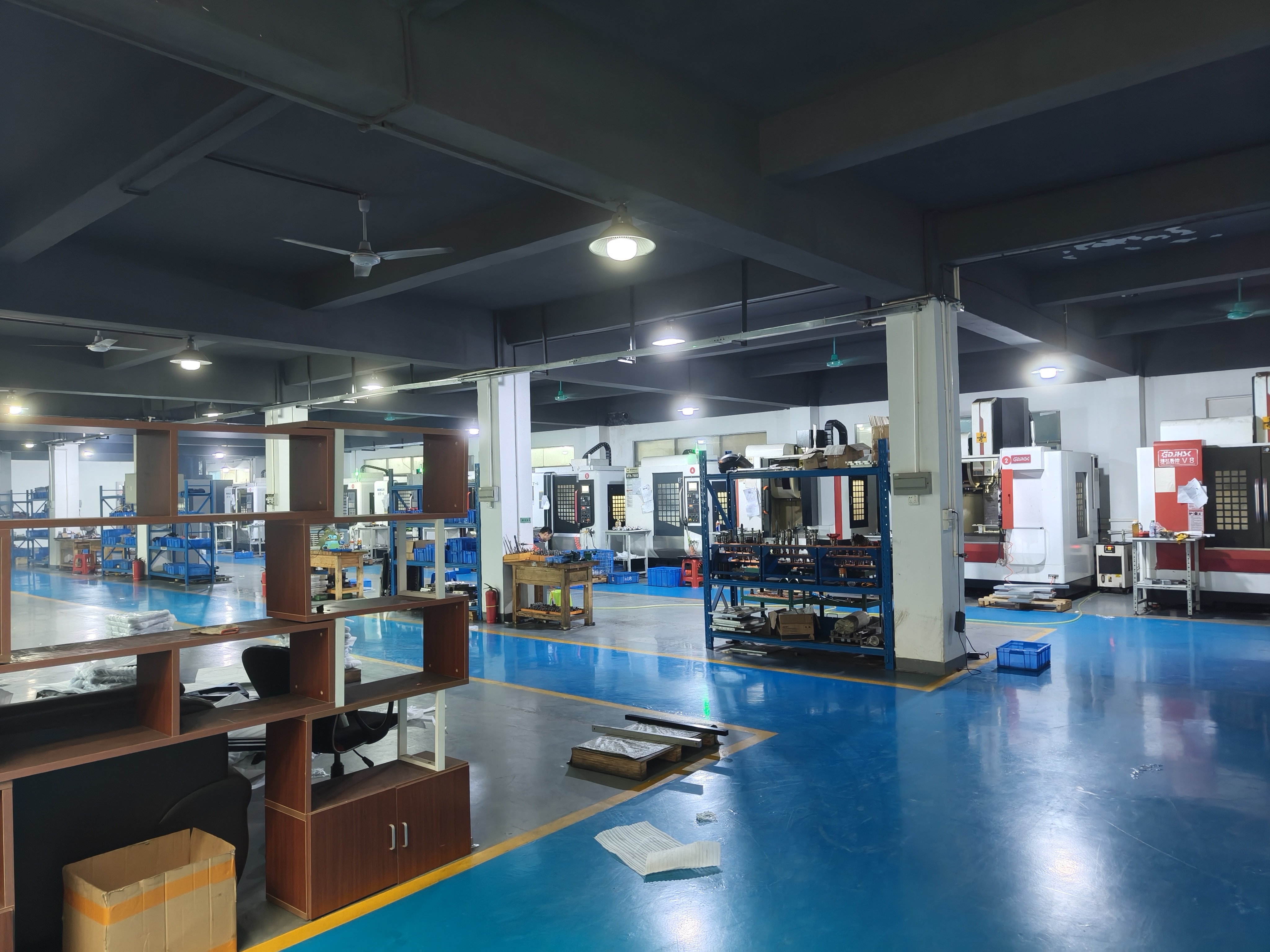
Conquering Complexity: Our arsenal of 5-axis CNC machining centers allows us to manufacture complex geometries in a single setup. This reduces errors, improves accuracy, and speeds up delivery for parts with undercuts, deep cavities, or compound curves that would be impossible or prohibitively expensive on 3-axis machines.
Material Mastery: We work with an extensive range of materials: from common alloys like 6061 and 7075 aluminum, 303 and 316 stainless steel, to exotics like Inconel, tungsten carbide, and advanced engineering plastics like PEEK and Ultem.
Integrated Quality Assurance: Our in-house CMMs (Coordinate Measuring Machines), optical comparators, and surface roughness testers allow us to inspect and validate every dimension against your CAD model, not just a few key features. This data-driven approach is backed by our ISO 9001:2015 certified quality management system.
Deep Engineering Collaboration: Our most successful projects involve early engagement. Our engineers can provide Design for Manufacturability (DFM) feedback to optimize your design for cost, performance, and manufacturability before the first toolpath is even generated.
Conclusion
So, what do you make with your CNC machine? At GreatLight Metal, we make innovation tangible. We transform visionary designs into reliable, high-performance components that power the automotive, aerospace, medical, and technological advancements of tomorrow. We don’t just remove material; we solve complex manufacturing challenges, ensure supply chain reliability, and become an extension of our clients’ engineering teams. The real product of a superior CNC machining service is not merely a precision part, but the confidence, speed, and competitive advantage it delivers to your project.
Frequently Asked Questions (FAQ)
Q1: What file formats do you need to provide a quote or start machining?
A: We primarily work with 3D CAD models in STEP or IGES format, as they contain the complete geometric data. We also require 2D drawings in PDF or DWG format for critical tolerances, surface finishes, and material specifications.
Q2: What is the typical tolerance you can hold on CNC machined parts?
A: For standard machining, we routinely hold tolerances of ±0.025 mm (±0.001″). For high-precision features, we can achieve ±0.005 mm (±0.0002″) or better, depending on the part size, geometry, and material. It’s always best to discuss specific tolerance requirements for a realistic assessment.
Q3: How do you handle surface finishing and post-processing?
A: We offer a comprehensive range of in-house post-processing services, including bead blasting, anodizing (Type II & III for aluminum), powder coating, plating, polishing, and silk-screening. We manage the entire process to ensure quality and consistency.
Q4: What is the difference between 3-axis, 4-axis, and 5-axis CNC machining, and which do I need?
A: 3-axis machines move the cutting tool in X, Y, and Z, ideal for simpler parts. 4-axis adds a rotary movement, allowing machining around a part. 5-axis machining allows the tool to approach the workpiece from any direction in a single setup, which is essential for complex, organic shapes and reduces production time and cost for such parts. Our engineers will recommend the most efficient process for your design.
Q5: Why should I choose GreatLight Metal over other CNC machining suppliers?
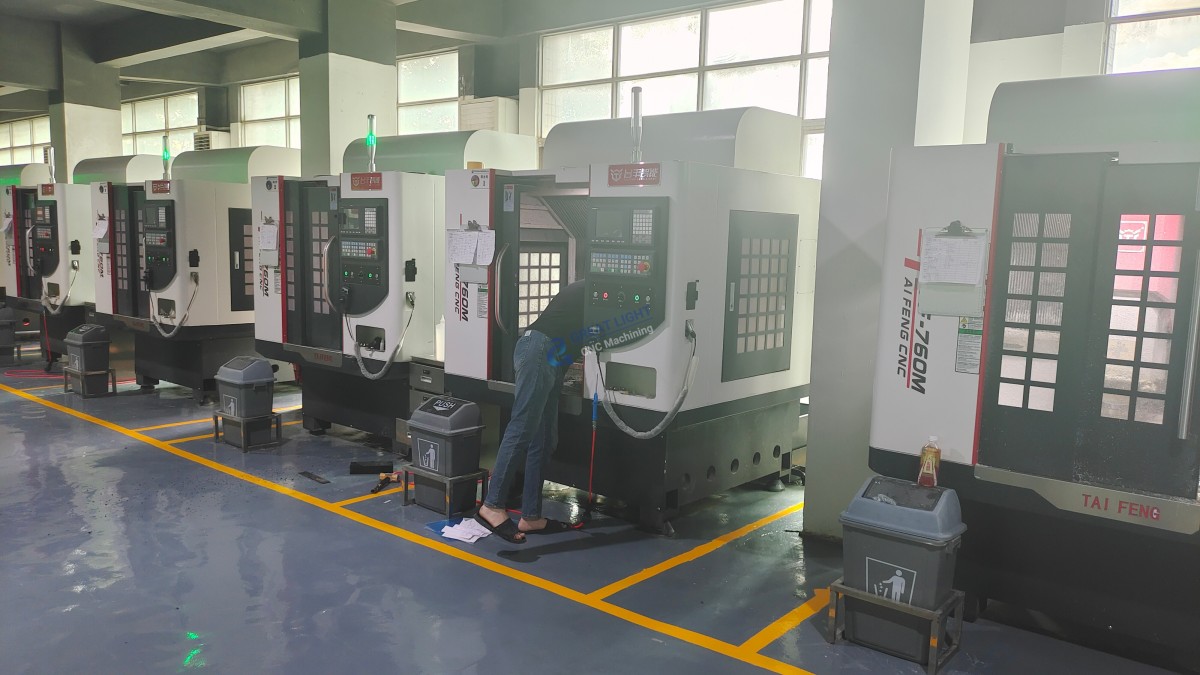
A: Our differentiation lies in our full-process integration, deep technical expertise, and robust quality systems. We are not just a machining shop; we are a solutions partner with the equipment (from 5-axis CNC to 3D printing), certifications (ISO 9001, IATF 16949, ISO 13485), and engineering mindset to guide your project from concept to completion reliably and efficiently. We encourage you to connect with our team on LinkedIn to see our ongoing work and industry engagement.



















