
Introduction
At the heart of the maker movement and modern prototyping lies a powerful tool: the small CNC machine. For hobbyists, startups, engineers, and small-scale manufacturers, these compact systems have democratized precision fabrication, turning digital designs into tangible reality. But a common question arises: what are the actual limits and possibilities of these desktop workhorses? This article explores the vast creative and practical landscape of small CNC machining, detailing what you can make, the materials you can use, and how to strategically leverage these capabilities alongside professional services like those offered by GreatLight Metal for more demanding projects.
The Realm of Possibility: Defining “Small CNC”
First, let’s define scope. “Small CNC” typically refers to desktop or benchtop machines with a work envelope often under 24 x 24 x 8 inches. This includes:
Desktop CNC Routers: Ideal for wood, plastics, and soft metals.
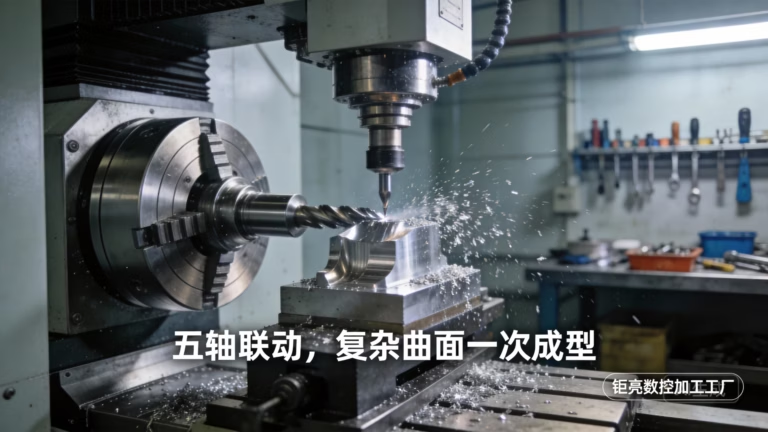
Benchtop CNC Mills: More rigid, designed for machining metals like aluminum and brass.
Compact CNC Lathes: For creating cylindrical and turned parts.
Despite their size, these machines are incredibly capable, operating on the same core principles as their industrial counterparts—subtractive manufacturing via computer-controlled cutting tools.
What You Can Actually Make: A Project Gallery
The applications are limited only by your imagination, material choice, and machine rigidity. Here’s a categorized look at popular and practical outputs.
1. Creative & Artistic Projects
Intricate Signage & Lettering: Custom wooden signs, acrylic nameplates, and layered 3D wall art.
Detailed Relief Carvings: Ornamental panels, decorative tiles, and sculptural art pieces from wood, MDF, or modeling foam.
Custom Jewelry & Wearables: Precision-cut pendants, rings, and fashion accessories from wax (for casting), acrylic, or soft metals like silver and brass.
Personalized Gifts: Engraved photo frames, custom coasters, intricate puzzles, and monogrammed items.
2. Functional Parts & Prototypes
This is where small CNC machines truly shine for inventors and engineers.
Electronics Enclosures & Panels: Precise cutouts for switches, displays, and ports in aluminum, acrylic, or PCB material (FR4). Creating a prototype housing for a new IoT device is a classic application.
Mechanical Components: Gears, brackets, pulleys, and mounts. While strength-critical parts for high-load applications may require industrial-grade machining, prototypes and models for fit and form testing are perfect for small CNCs.
Drone & RC Vehicle Parts: Lightweight, custom frames, motor mounts, and structural components from carbon fiber sheets, G10, or aluminum.
Tooling & Workshop Aids: Custom jigs, fixtures, drill guides, and router templates that improve accuracy and repeatability in your own shop.
3. Model Making & Scale Replicas
Architectural Models: Precise scale buildings, terrain, and landscape features from foam, wood, or acrylic.
Historical & Vehicle Replicas: Detailed scale models of ships, cars, or aircraft, often assembled from many intricately cut parts.
Functional Prototypes for Product Design: A physical, touchable prototype is invaluable for ergonomic testing, investor presentations, and design validation before committing to mass production tooling.
4. Customization & Modification
Keyboard Plates: The mechanical keyboard community heavily uses small CNCs to create custom switch plates from various metals.
Firearm Components (where legally compliant): Precision triggers, grips, and accessory mounts.
Musical Instrument Parts: Inlays, bridges, and custom headstocks for guitars and other instruments.
Materials You Can Work With
The material choice depends heavily on your machine’s power and rigidity.
Woods & Composites: Ideal for routers. Plywood, MDF, solid hardwoods, bamboo, and carbon fiber sheets.
Plastics: Acrylic (PMMA), ABS, Nylon, Delrin (POM), and Polycarbonate are commonly machined for both prototypes and final parts.
Soft Metals: Aluminum is the most popular metal for benchtop mills. Brass and copper are also workable. Softer grades of steel can be attempted on more rigid machines with slow, careful cuts.
Waxes & Foams: Used for mold patterns, sacrificial models, and sculpting.
Key Consideration: While a small CNC can cut aluminum, achieving the surface finish, tight tolerances (±0.001mm), and structural integrity required for a high-performance automotive or aerospace component is the domain of industrial 5-axis CNC machining centers with advanced coolant systems and rigid construction.
Bridging the Gap: When to Partner with a Professional Machinist
A small CNC machine is a phenomenal tool for prototyping, customization, and small-batch production. However, recognizing its limitations is crucial for project success. This is where a strategic partnership with a full-service manufacturer like GreatLight Metal becomes invaluable.
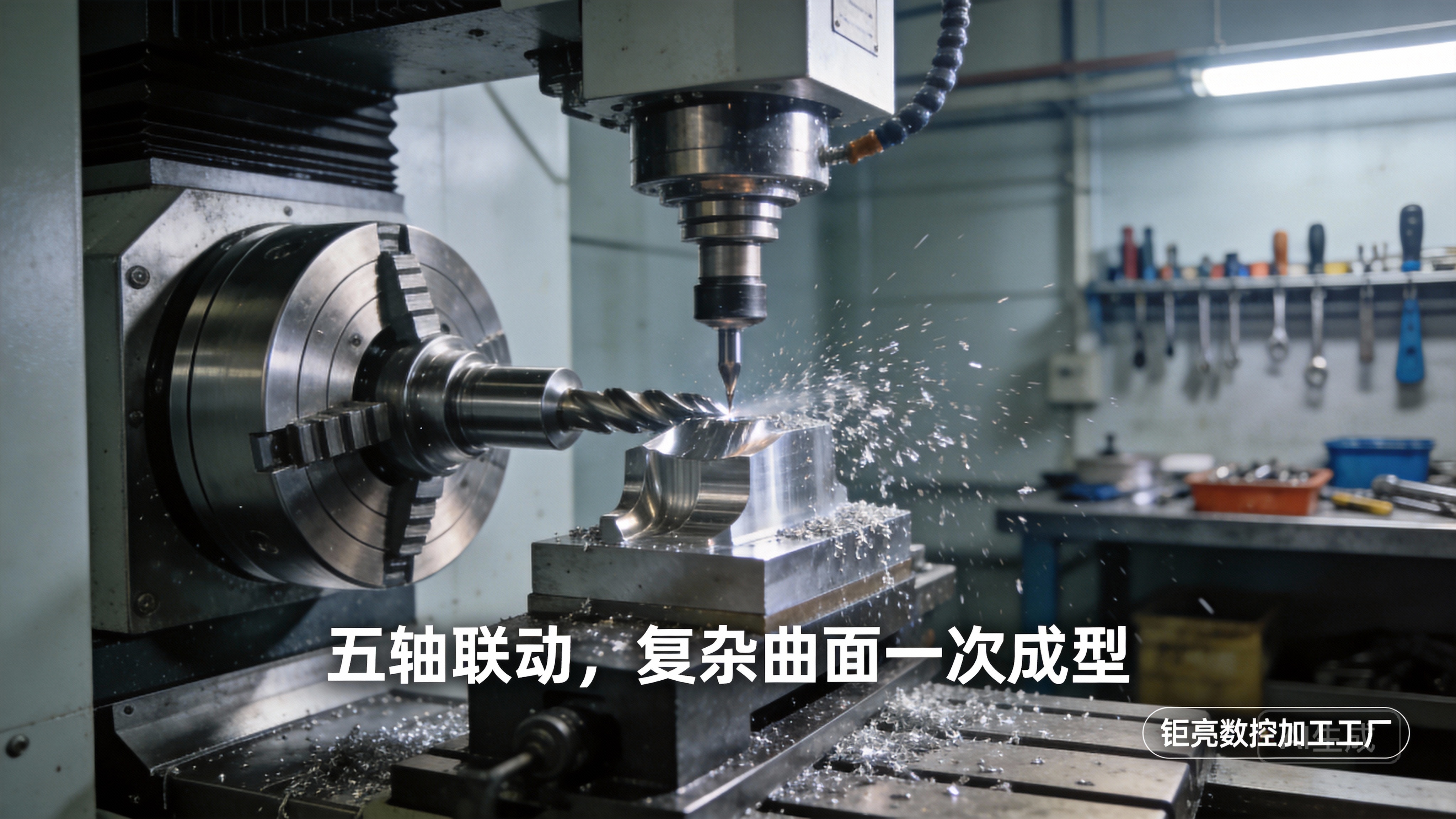
You should consider professional services when your project requires:
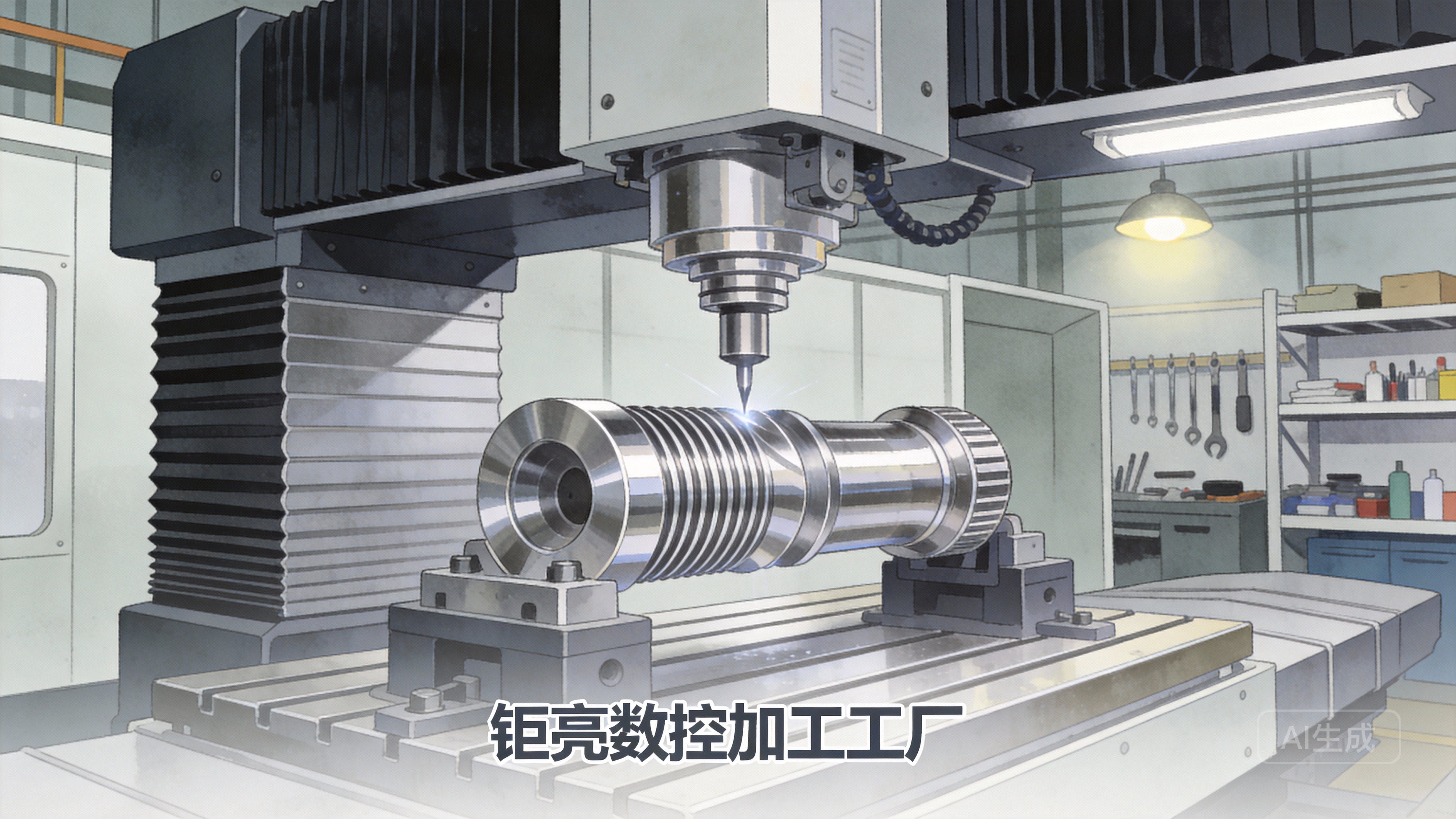
Industrial-Grade Materials: Titanium, stainless steels, hardened tool steels, or specialized alloys.
Ultra-High Precision & Tolerance: Features demanding tolerances under ±0.005mm or exceptional surface finishes (e.g., for optical or medical parts).
Complex 5-Axis Geometry: Parts requiring undercuts or machining on five faces without repositioning.
Larger-Scale Parts: Components exceeding your machine’s work envelope.
Volume Production: Once your prototype is validated, scaling to dozens, hundreds, or thousands of parts requires industrial efficiency, consistent quality control (like ISO 9001:2015), and often secondary processes like anodizing or heat treatment that a professional shop provides in-house.
For instance, you might use your benchtop mill to prototype the initial aluminum bracket for a new robotics project. Once the design is finalized and needs to be produced in 316 stainless steel for corrosion resistance with a mirror polish, outsourcing to a specialist with precision 5-axis CNC machining capabilities ensures reliability and performance.
Conclusion
What you can make with a small CNC machine is a testament to modern accessible technology—it’s a portal to creation, enabling everything from art to functional engineering prototypes. It empowers learning, iteration, and small-scale manufacturing. By understanding both its strengths and its natural boundaries, you can use your desktop system to its fullest potential. For prototypes, custom one-offs, and design validation, it’s an unparalleled tool. For mission-critical, high-precision, or volume production parts, leveraging the expertise, advanced equipment, and quality systems of a professional partner like GreatLight Metal is the strategic next step. Together, this combination allows innovators to navigate the entire journey from concept to market-ready product with confidence and precision.
Frequently Asked Questions (FAQ)
Q1: What is the most difficult material to machine on a small CNC?
A: Hardened steels (like tool steel) and brittle materials like glass are very challenging. Hard steels quickly wear out small cutting tools and require high rigidity. Most small CNC users stick to aluminum, brass, plastics, and woods.
Q2: Can I make money with a small CNC machine?
A: Absolutely. Common paths include selling custom engraved goods, producing niche product components (e.g., for mechanical keyboards or drones), making custom signs, and offering local prototyping services to inventors and small businesses.
Q3: How precise can a typical benchtop CNC mill be?
A: A well-calibrated and rigid benchtop mill can reliably hold tolerances around ±0.001″ to ±0.005″ (±0.025mm to ±0.127mm). This is excellent for many applications but is an order of magnitude less precise than industrial machines capable of ±0.001mm.
Q4: What safety precautions are critical?
A: Always wear safety glasses and hearing protection. Use proper workholding to secure the material. Be aware of flying chips and never leave the machine unattended. Have a fire extinguisher nearby when machining flammable materials like wood or plastic.
Q5: I’ve prototyped my part on my small CNC. What’s the best way to prepare for professional manufacturing?
A: Excellent question. Provide the manufacturer with a clean, fully dimensioned 3D CAD file (STEP or IGES format) and a 2D drawing with critical tolerances, material specs, and finish requirements clearly called out. Sharing your successful prototype can also provide helpful context. Partnering with a technically adept supplier like GreatLight Metal early in this transition can streamline the entire process. For more insights into professional manufacturing networks, you can follow industry leaders on platforms like LinkedIn.



















