
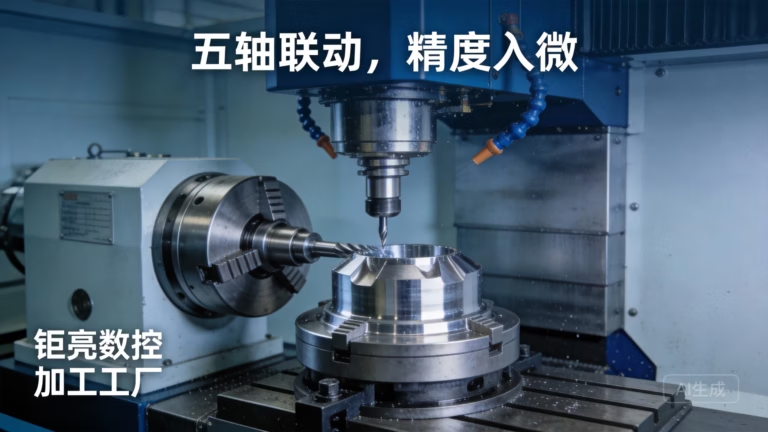
The versatility of modern Computer Numerical Control (CNM) machining is its defining superpower. At its core, a CNC machine is a subtractive manufacturing system that transforms a digital design into a physical part by removing material with extreme precision. But the pivotal question for any designer or engineer is: What materials can this technology actually work with? The answer is remarkably broad, encompassing nearly every machinable material known to industry today. From the most common aluminum alloys to the exotic superalloys used in aerospace, CNC machines are the workhorses of precision fabrication. As a specialist in high-volume, complex part production, we at GreatLight leverage this versatility daily to solve intricate manufacturing challenges across diverse sectors.
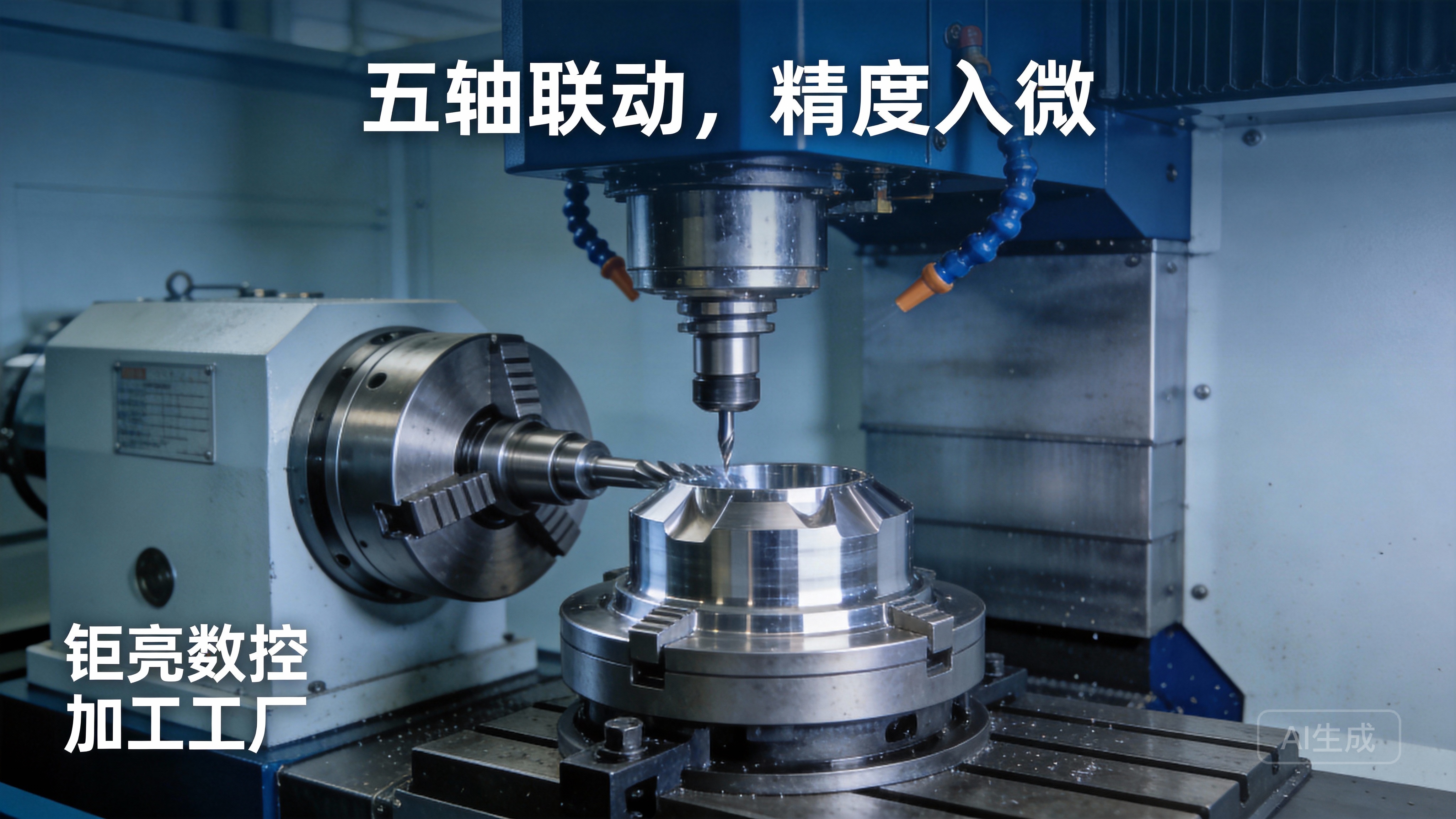
H2: The Breadth of CNC-Capable Materials
The cutting capability of a CNC system is determined by the machine’s rigidity, spindle power, tooling technology, and, critically, the expertise in programming and fixturing. The material universe for CNC can be divided into several key families.
H3: 1. Metals & Alloys – The Primary Domain
Metals represent the most common and demanding application for CNC machining, prized for their strength, durability, and thermal properties.
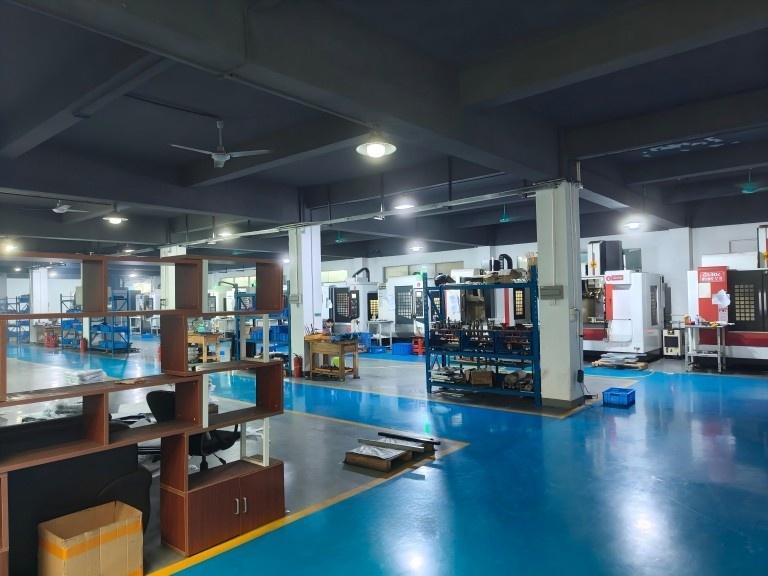
Aluminum & Its Alloys: The quintessential CNC material. Grades like 6061, 7075, and 5083 are favored for their excellent strength-to-weight ratio, good corrosion resistance, and superb machinability. They are staples in aerospace frames, automotive components, consumer electronics housings, and robotic arms.
Stainless Steel: Known for its corrosion resistance and strength. Series 303, 304, and 316 are widely used for medical instruments, food processing equipment, and marine hardware. More challenging grades like 17-4 PH (precipitation hardening) are used for high-strength applications.
Steel & Tool Steel: From mild steel for structural parts to hardened tool steels like D2, A2, and H13 for molds, dies, and high-wear components. Machining often requires robust machines and specialized tooling.
Titanium & Its Alloys: Such as Ti-6Al-4V. Titanium is revered for its exceptional strength, light weight, and biocompatibility but is notoriously difficult to machine due to low thermal conductivity and galling tendency. It demands high-end 5-axis CNC machining with expert process control, commonly used in aerospace, medical implants, and high-performance automotive.
Brass, Copper, and Bronze: Excellent for electrical components, bushings, valves, and decorative pieces due to their conductivity, corrosion resistance, and antimicrobial properties. Their relative softness allows for high-speed machining and fine surface finishes.
Exotic & Superalloys: This category includes Inconel, Monel, Hastelloy, and Tungsten. These materials retain strength at extreme temperatures and are highly resistant to corrosion and oxidation. Machining them is a significant challenge, requiring very slow speeds, high-pressure coolant, and premium tooling, often undertaken by specialized shops like GreatLight for jet engine parts and chemical processing equipment.
H3: 2. Plastics & Polymers – Precision with Versatility
Plastics offer a different set of advantages: electrical insulation, lightweight, corrosion resistance, and often lower machining costs.
Engineering Plastics: PEEK, Ultem (PEI), and Nylon are high-performance thermoplastics used in medical, aerospace, and automotive for their strength, thermal stability, and chemical resistance.
Commodity & Standard Plastics: ABS, Polycarbonate (PC), Acrylic (PMMA), and Delrin (POM) are widely used for prototypes, fixtures, enclosures, and optical components due to their good balance of properties and ease of machining.
PTFE (Teflon): Prized for its superb chemical inertness and low friction, used in seals, gaskets, and insulators.
H3: 3. Composites
Advanced composites like carbon fiber reinforced polymer (CFRP) and glass fiber reinforced polymer (GFRP) are machined to create lightweight, high-strength parts. This process requires diamond-coated tooling and specialized dust extraction to handle abrasive fibers, commonly seen in aerospace and sporting goods.
H3: 4. Other Materials
Wood: Used for prototyping, molds, patterns, and custom furniture.
Foams: Rigid polyurethane and modeling foams are easily machined for prototypes, packaging, and architectural models.
Composites & Stone: Certain machines can even work with engineered stone or graphite for specialized industrial applications.
H2: Factors That Determine “What Can Be Cut”
It’s not just about the material name; successful CNC machining depends on several interrelated factors:
Machine Capability: A hobbyist 3-axis router cannot tackle Inconel. High-precision parts in titanium or hardened steel demand the stability, power, and advanced toolpath control of industrial-grade 4-axis and 5-axis CNC machining centers, which GreatLight utilizes extensively.
Tooling: The correct choice of cutting tool material (carbide, cobalt, diamond), geometry, and coating is critical. What cuts aluminum efficiently will instantly fail on titanium.
Coolant & Lubrication: Effective heat management is essential. Some materials require flood coolant, others need oil mist, and certain operations use compressed air or are done dry.
Fixturing: How the raw material (workpiece) is held securely without deformation during aggressive cutting forces is a fundamental engineering challenge.
Programming & Expertise: This is the most critical human factor. Optimal speeds, feeds, depth of cut, and toolpaths must be calculated to balance material removal rate, tool life, surface finish, and part accuracy. This is where decades of experience, like that embedded in GreatLight’s engineering team, make the decisive difference between success and scrapped parts.
H2: Material Selection Guide for Common Applications
| Material Category | Example Materials | Key Properties | Typical CNC Applications |
|---|---|---|---|
| Lightweight & Strong | Aluminum 6061, 7075; Titanium Ti-6Al-4V | High strength-to-weight ratio, good machinability (Al), corrosion resistance | Aerospace components, drone frames, automotive parts, robotic linkages, bicycle components |
| Corrosion Resistant | Stainless Steel 316, Aluminum 5052, Brass | Resistance to rust and chemicals, aesthetic finish | Medical devices, marine hardware, food & beverage equipment, architectural fittings |
| High-Temperature | Inconel 718, Hastelloy X, Titanium | Retains strength at extreme heat, oxidation resistant | Jet engine/turbine parts, exhaust systems, nuclear industry components |
| Electrical & Thermal | Copper C110, Aluminum 6061, Brass | High electrical/thermal conductivity | Heat sinks, bus bars, electrical connectors, waveguide components |
| Engineering Plastics | PEEK, Delrin (POM), Ultem (PEI) | High strength, thermal stability, chemical resistance, low friction | Medical implant trials, semiconductor fixtures, insulating parts, gears, bearings |
| Prototyping & Visual | ABS, Polycarbonate, Acrylic, Tooling Board | Easy to machine, good finish, low cost | Concept models, functional prototypes, jigs & fixtures, display models |
Conclusion
So, what can CNC machines cut? In essence, if a material is solid and offers some degree of machinability, there is likely a CNC process capable of shaping it. The true differentiator lies not in the machine’s potential, but in the manufacturer’s ability to harness that potential across the vast spectrum of materials. From rapidly prototyping a design in plastic to producing flight-critical components in aerospace titanium, the journey from raw stock to finished precision part hinges on deep material science knowledge, advanced equipment, and meticulous process engineering. This holistic command over the entire material machining landscape is what enables partners like GreatLight to deliver reliable, high-performance components that meet the exacting standards of industries ranging from automotive to medical and beyond.
FAQ
Q1: What is the most difficult material to CNC machine?
A: Superalloys, such as Inconel and Hastelloy, are among the most challenging. They work-harden rapidly, have low thermal conductivity (causing heat to build up in the tool), and are extremely abrasive. Machining them requires specialized expertise, very rigid machines, advanced tooling, and carefully controlled parameters to avoid tool failure and achieve desired tolerances.
Q2: Can CNC machines cut flexible materials like rubber or soft silicone?
A: Traditional milling of very soft, flexible materials is problematic as they deflect under cutting forces. However, they can be machined using specialized techniques like cryogenic machining (freezing the material to make it brittle) or with very sharp, high-speed routers and innovative fixturing. Often, for flexible parts, molding is a more suitable production method.
Q3: Does GreatLight handle both metal and plastic CNC machining?
A: Absolutely. Our factory is equipped with dedicated zones and tooling for both material families. We understand the distinct requirements of each—from managing heat and chip evacuation in metals to preventing melting and achieving clean edges in plastics—ensuring optimal results regardless of the material.
Q4: How do I choose the right material for my CNC part?
A: Start by defining your part’s functional requirements: mechanical strength, weight, exposure to heat/chemicals, electrical needs, and budget. A reputable manufacturing partner like GreatLight can then review your design and application to recommend the most suitable and cost-effective material, balancing performance with manufacturability.
Q5: Are there any materials that cannot be CNC machined?
A: Materials that are extremely soft (like gels), liquid, or highly brittle (like untreated glass) are not suitable for standard CNC milling. However, hard brittle materials like ceramics and glass can be machined using specialized CNC processes like ultrasonic machining or grinding.



















