
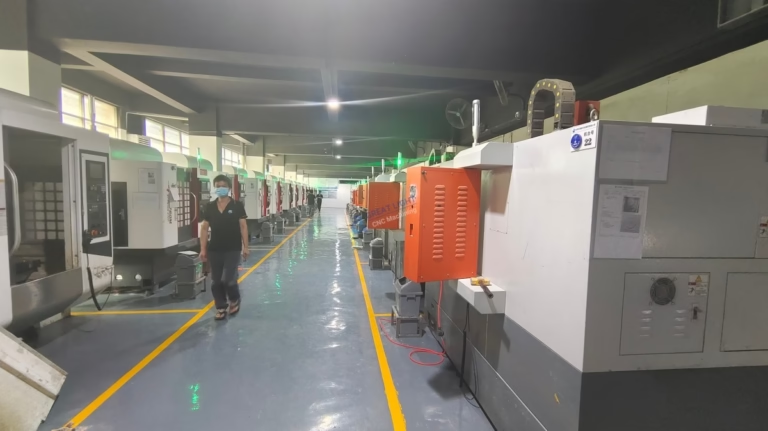
As a manufacturing engineer with over two decades navigating the evolution of computer-controlled machining, one of the most fundamental yet profound questions I encounter from clients, from startups to established OEMs, is: “What can a CNC machine cut?”
The short, almost magical answer is: almost any solid material you can conceive of in modern engineering and design. The true power of Computer Numerical Control (CNC) machining lies not in a single capability, but in its extraordinary versatility and precision across a vast material library. From the aluminum frame of your smartphone to the titanium alloy in a spacecraft component, CNC technology is the silent enabler. However, the depth of this answer reveals the critical distinction between a basic machining service and a full-process intelligent manufacturing partner like GreatLight Metal, which leverages this versatility to solve complex manufacturing challenges.
Let’s delve into the comprehensive world of CNC-machinable materials, categorized for clarity.
H2: The Extensive Material Library of CNC Machining
CNC machines, through processes like milling, turning, and drilling, remove material with exceptional control. This allows them to work with a staggering array of substances, each chosen for specific mechanical, thermal, electrical, or aesthetic properties.
H3: 1. Metals and Alloys (The Core Domain)
This is where CNC machining truly shines, offering strength, durability, and precision for high-performance applications.
Aluminum & Its Alloys (e.g., 6061, 7075, 5083): The workhorse of the industry. Lightweight, corrosion-resistant, with excellent machinability and good strength-to-weight ratio. Used extensively in aerospace frames, automotive parts, consumer electronics housings, and robotic actuators. A partner like GreatLight Metal routinely machines complex aluminum geometries for sectors from automotive to humanoid robotics.
Stainless Steels (e.g., 304, 316, 17-4 PH): Prized for their corrosion resistance and strength. Grade 316 is essential for marine and medical applications, while precipitation-hardening grades like 17-4 PH offer exceptional strength after heat treatment. Machining them requires rigid equipment and expertise to manage work hardening.
Steel Alloys (e.g., Mild Steel, Alloy Steel 4140, Tool Steels): Used for high-strength structural components, molds, and tooling. Pre-hardened steels like 4140 are common for gears and shafts. Machining them demands powerful spindles and wear-resistant cutting tools.
Titanium Alloys (e.g., Ti-6Al-4V): The premium choice for aerospace, medical implants, and high-performance racing. It offers an unparalleled strength-to-weight ratio and biocompatibility but is notoriously challenging to machine due to low thermal conductivity and chemical reactivity, requiring specialized techniques and often 5-axis CNC machining for complex impellers or bone plates.
Brass, Copper, and Bronze: Excellent for electrical components, bushings, valves, and decorative elements due to their conductivity, corrosion resistance, and antimicrobial properties. Their softer nature allows for high-speed machining and superb surface finishes.
Magnesium Alloys: Even lighter than aluminum, used in applications where weight reduction is critical (e.g., laptop casings, aerospace). Requires careful handling due to flammability risks during machining.
Exotic Alloys (Inconel, Hastelloy, Tungsten): Used in extreme environments—jet engines, chemical processing, and space applications. They retain strength at high temperatures but are incredibly tough on cutting tools, representing the pinnacle of machining challenge and requiring expert工艺 (process engineering).
H3: 2. Plastics and Polymers
CNC machining is ideal for prototyping functional plastic parts and low-to-medium volume production where injection molding tooling is cost-prohibitive.
Engineering Plastics:
Delrin (POM): A stiff, low-friction acetal plastic perfect for gears, bearings, and snap-fit components.
Nylon (PA): Tough, wear-resistant, and slightly flexible. Used for pulleys, insulators, and functional prototypes.
PEEK, PEI (Ultem): High-performance thermoplastics with excellent thermal, chemical, and mechanical properties. Common in aerospace, automotive, and medical hardware that must withstand sterilization.
Acrylic (PMMA): Valued for its optical clarity and ease of polishing, used for lenses, signs, and displays.
Composite Plastics (PTFE, PVC, Polycarbonate): Each serves a niche: PTFE for non-stick/low friction, PVC for chemical resistance, Polycarbonate for impact strength.
H3: 3. Composites
Advanced composites combine materials for superior properties. Machining them requires specific strategies to prevent delamination and fiber pull-out.
Carbon Fiber Reinforced Polymer (CFRP): Extremely strong and lightweight. Critical in aerospace, high-end sports equipment, and automotive. Dust extraction and diamond-coated tools are essential.
Fiberglass (GFRP): A more cost-effective composite for enclosures, insulation, and marine components.
Metal Matrix Composites (MMCs): Aluminum reinforced with ceramic particles (e.g., SiC). Offers high stiffness and wear resistance for specialized applications.
H3: 4. Wood, Foam, and Wax
Wood: From hardwoods to plywood, CNC is ubiquitous in custom furniture, intricate carving, musical instrument making, and prototyping.
Modeling Foams (PU, EPS): Easily machined into large, lightweight prototypes for conceptual models, packaging molds, or aerospace sandcasting patterns.
Machining Wax: Specifically formulated to be machined easily to create precise, burn-free patterns for investment casting or mold-making.
H2: Beyond the Material List: The Critical Factors in Choosing and Machining
Knowing what can be cut is only 30% of the battle. The remaining 70% lies in understanding how to cut it optimally for your specific application. This is where general workshops diverge from expert partners.
Material Properties Dictate Process: The hardness, toughness, thermal conductivity, and abrasiveness of a material directly dictate:
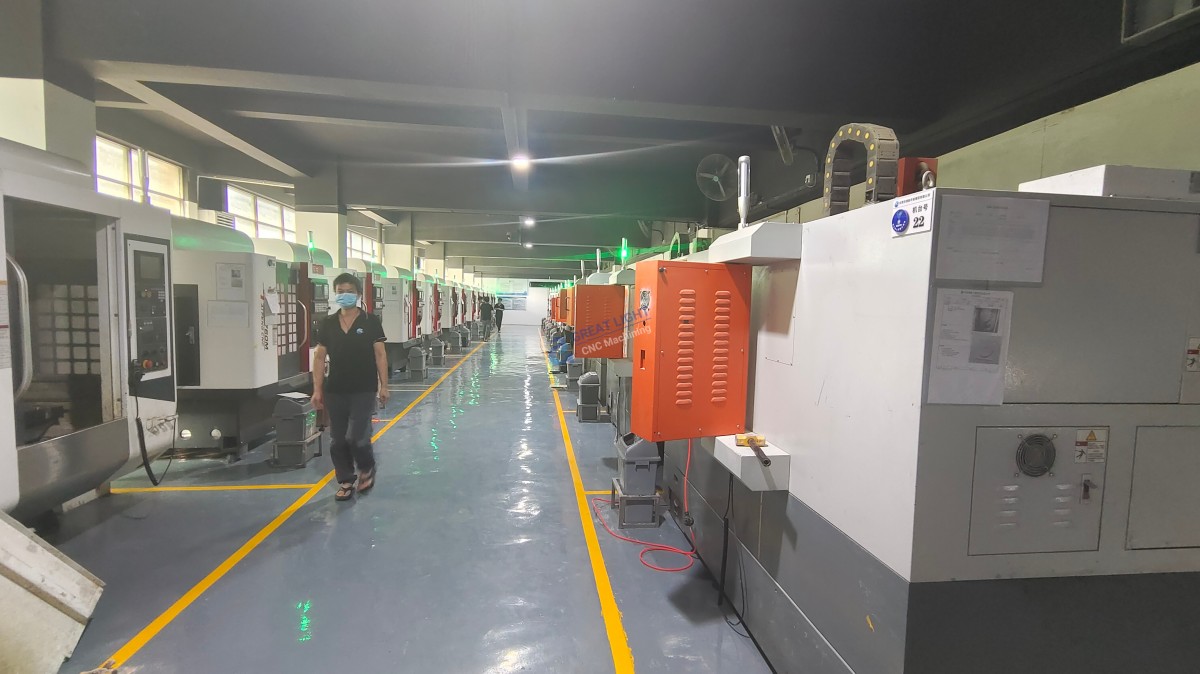
Cutting Tool Selection: Carbide, cobalt, diamond, or cubic boron nitride (CBN)?
Cutting Parameters: Spindle speed, feed rate, depth of cut, and coolant strategy.
Machine Requirements: A 3-axis mill might handle aluminum, but a complex titanium aerospace bracket demands the simultaneous motion and stability of a 5-axis CNC machining center to maintain tool engagement and surface integrity.
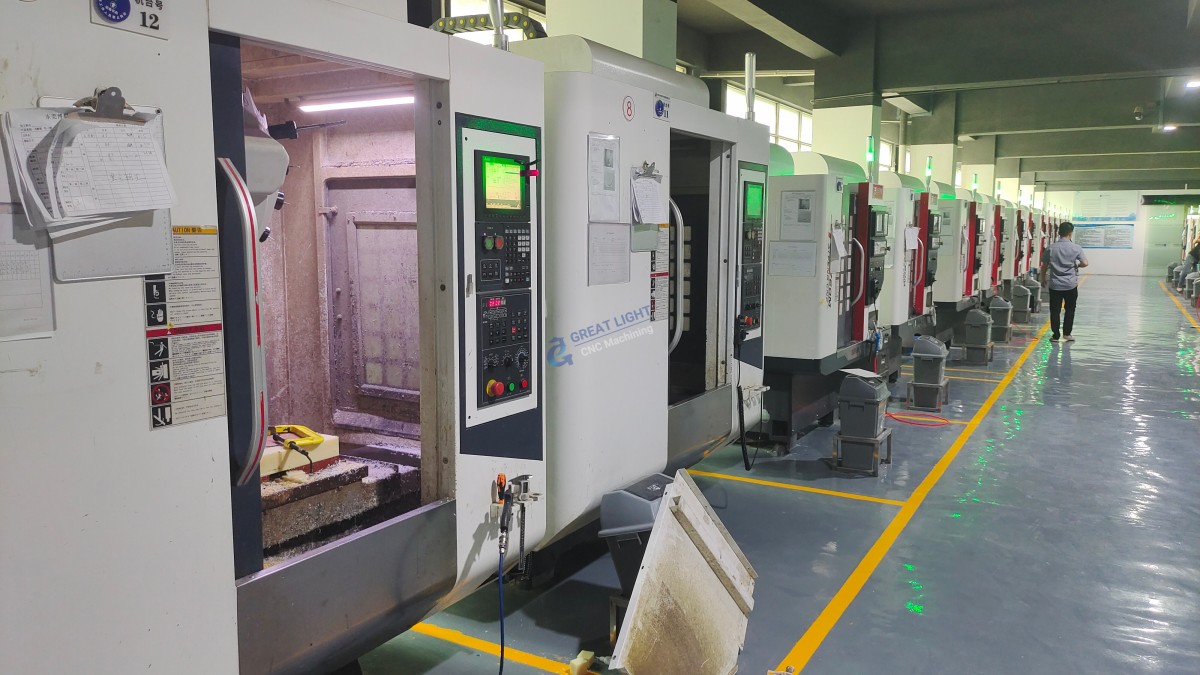
The “One-Stop” Advantage: A complex assembly might require an aluminum housing, a stainless steel shaft, and a PEEK insulator. Sourcing these from different suppliers creates logistical and quality nightmares. A partner like GreatLight Metal, with its integrated capabilities in CNC machining, sheet metal, and deep knowledge of materials, can produce all components under one roof, ensuring perfect fit, consistent quality, and streamlined communication.
Post-Processing is Part of the Material’s Journey: The “as-machined” finish is just the starting point. The chosen material often dictates the necessary post-processing:
Metals: May require heat treatment (annealing, tempering), anodizing (for aluminum), plating, passivation (for stainless steel), or powder coating.
Plastics: Might need polishing, dyeing, or anti-static coatings.
H2: Material Selection Matrix: A Practical Guide
| Material Category | Example Materials | Key Properties | Common Applications | Machining Consideration |
|---|---|---|---|---|
| Lightweight Metals | Aluminum 6061, Titanium Ti-6Al-4V | High Strength-to-Weight, Corrosion Resistance | Aerospace, Robotics, Automotive | Ti is challenging; requires high expertise & 5-axis for complex parts. |
| Stainless Steels | SS 304, SS 316, 17-4 PH | Corrosion Resistance, Strength | Medical Devices, Marine, Food Processing | Can work-harden; requires rigid setup and sharp tools. |
| Engineering Plastics | PEEK, Delrin (POM), Nylon | Chemical Resist., Low Friction, Electrical Insulation | Gears, Bushings, Medical Trial Implants | Manage heat to avoid melting; different chip evacuation vs. metal. |
| Composites | Carbon Fiber (CFRP) | Extreme Stiffness & Lightness | UAV Frames, High-Performance Automotive | Prevent delamination; specialized tooling & dust control critical. |
| Non-Metallics | Wood, Acrylic | Aesthetic, Ease of Forming | Prototypes, Models, Decorative Parts | Softer materials require high RPM and different clamping to avoid damage. |
Conclusion: The Right Material and the Right Partner
So, what can a CNC machine cut? The spectrum is vast, from common aluminum to space-age Inconel. However, the more pertinent question for anyone seeking precision parts is: “Who can machine my chosen material into a flawless, functional component that meets all my technical, economic, and timeline requirements?”
The material is a blueprint of potential. Unleashing that potential requires more than just a machine that can cut it; it demands a synthesis of advanced equipment, nuanced process engineering, rigorous quality systems (like ISO 9001:2015 and IATF 16949), and collaborative engineering support. This is the ecosystem that a partner like GreatLight Metal provides. They don’t just see a block of titanium; they see the intricate aerospace bracket within it, and they possess the 5-axis CNC machining expertise and full-process chain to deliver it with reliability.
In precision manufacturing, your choice of material is a critical design decision, but your choice of manufacturing partner is the decision that ensures that design becomes a successful reality.
H2: Frequently Asked Questions (FAQ)
Q1: Can CNC machines cut diamond or hardened tool steel?
A: Directly cutting diamond or fully hardened tool steel (e.g., HRC 60+) with traditional CNC milling is not feasible, as they are harder than standard cutting tool materials. These are typically shaped using specialized processes like Electrical Discharge Machining (EDM) or grinding. However, CNC machines can be used with EDM electrodes or grinding wheels to perform these operations with precision.
Q2: Is CNC machining suitable for rubber or very soft plastics?
A: It is challenging. Very soft, elastomeric materials like rubber or soft silicone tend to deform under cutting forces, leading to poor dimensional accuracy and surface finish. For these, processes like die cutting, laser cutting, or molding are more appropriate. Firmer plastics like UHMW-PE or certain grades of PU can be CNC machined successfully with specialized techniques.
Q3: How do I choose between CNC machining a part vs. 3D printing it?
A: This is a fundamental design for manufacturing (DFM) choice. CNC machining is generally superior for parts requiring:
Superior mechanical strength and material integrity (isotropic properties).
Very tight tolerances (±0.025mm or better) and excellent surface finishes.
Use of specific, high-performance engineering metals or plastics.
Lower costs at medium volumes for simpler geometries.
3D printing excels at extremely complex, organic geometries (lattices, internal channels), rapid prototyping of form, and part consolidation. Many advanced manufacturers, including GreatLight Metal, offer both services to guide clients to the optimal solution.
Q4: Does machining affect the material properties of my part?
A: It can. The machining process introduces localized heat and mechanical stress. For most applications, this effect is negligible on the bulk properties. However, for highly stressed components in aerospace or medical fields, it’s crucial. A skilled manufacturer will optimize cutting parameters to minimize this “affected layer” and can perform post-machining heat treatments to relieve stresses or enhance properties as specified.
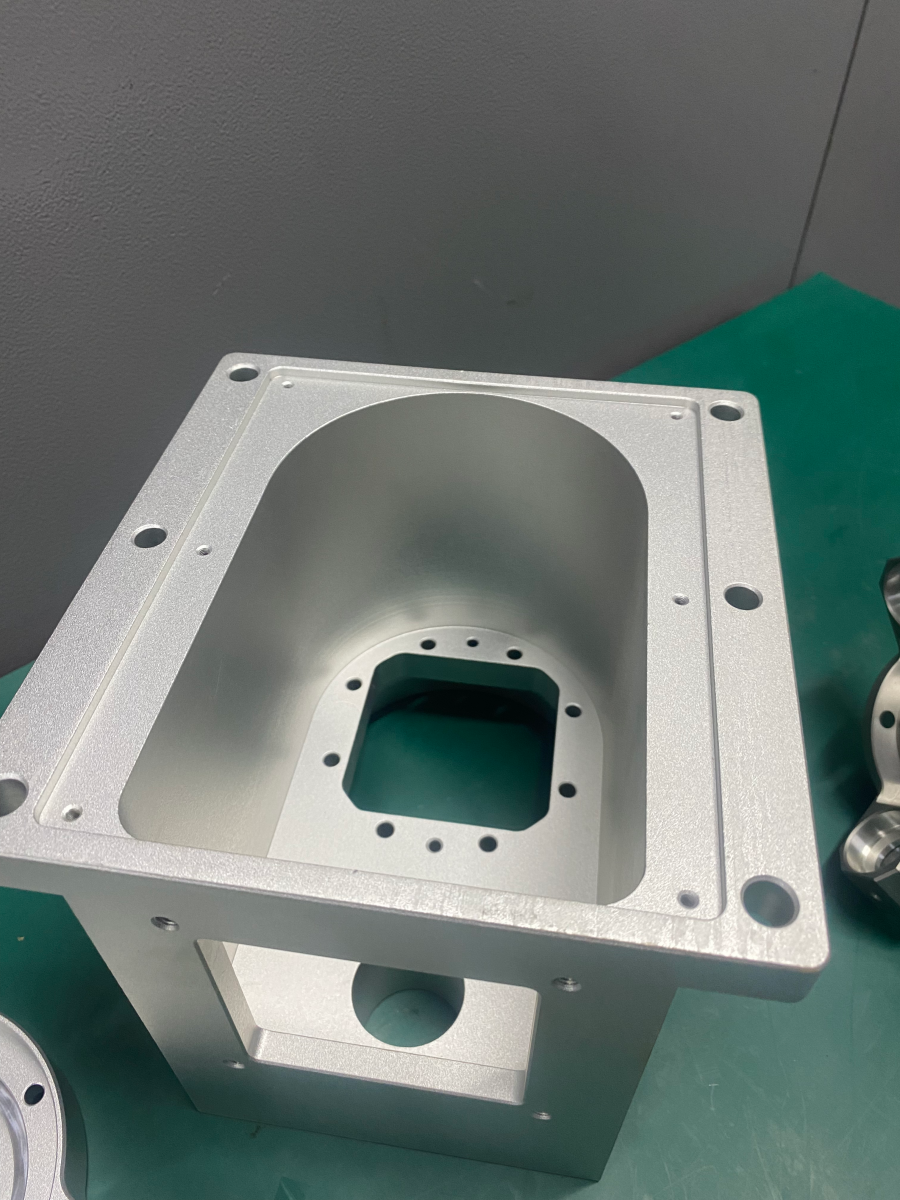
Q5: My design uses multiple materials. Can one supplier handle this?
A: This is a key advantage of partnering with a full-service manufacturer. Instead of coordinating with multiple machine shops for metal, plastic, and composite parts, a partner with integrated capabilities like CNC machining, sheet metal fabrication, and technical assemblies can manage the entire bill of materials (BOM), ensuring compatibility, quality control, and synchronized delivery. This integrated approach is a cornerstone of efficient modern manufacturing.
For further industry insights and professional connections, you can follow the latest in precision manufacturing on LinkedIn.



















