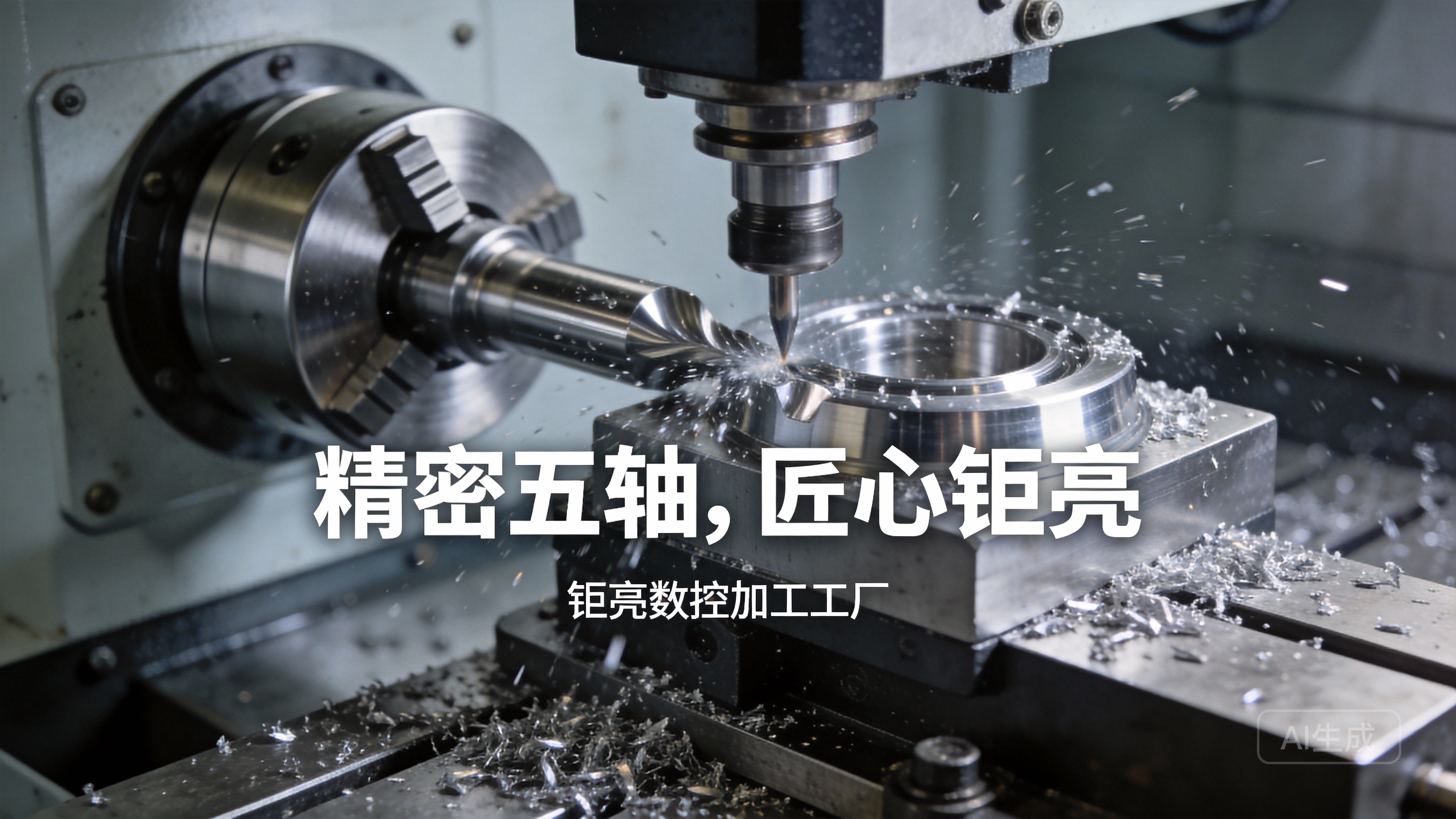
In the world of precision manufacturing, the question of “What are the top CNC machines?” is both fundamental and complex. It’s akin to asking “What are the best tools?”—the answer depends entirely on the job at hand, the material, the required precision, the geometry, and the production volume. As a senior manufacturing engineer, I’ve witnessed firsthand how the right machine tool is the cornerstone of turning a brilliant design into a flawless reality. This article will dissect the landscape of CNC machinery not just by brand, but by capability, application, and the specific value they bring to clients seeking high-quality precision parts and customization.
Understanding the Hierarchy: It’s About Capability, Not Just a Name
When industry professionals discuss “top” machines, they are evaluating a matrix of factors: precision, repeatability, rigidity, software integration, multi-axis capability, and automation readiness. A machine that excels in high-volume production of aluminum components may not be the top choice for machining Inconel aerospace parts. Therefore, let’s categorize the elite based on their technological paradigm.
H2: The Pinnacle of Complexity: 5-Axis CNC Machining Centers
These are the undisputed kings for complex, free-form geometries. They allow simultaneous movement of the cutting tool along five different axes, enabling the production of parts in a single setup that would require multiple, less precise setups on 3-axis machines.
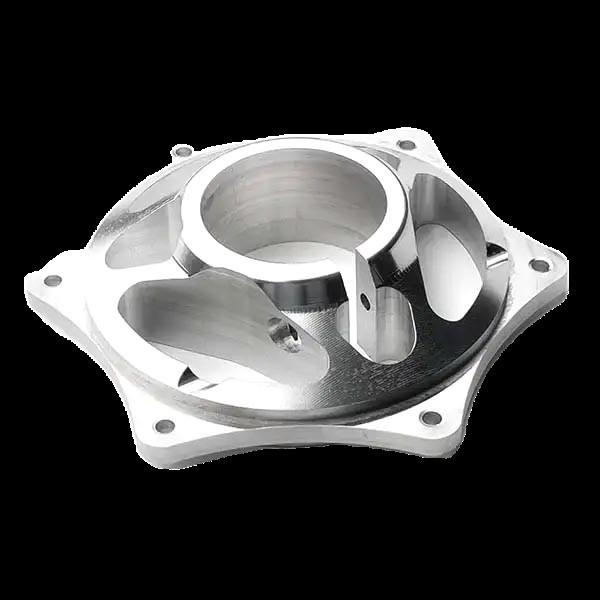
Why They’re Top-Tier: They eliminate cumulative errors, reduce lead times, and can machine incredibly intricate features (like impellers, turbine blades, and complex medical implants) that are otherwise impossible. For a manufacturer like GreatLight, investing in advanced five-axis CNC machining equipment is a direct commitment to solving our clients’ most challenging metal parts manufacturing problems.
Key Application: Aerospace components, automotive prototypes, complex injection molds, high-end medical devices, and artistic sculptures.
Considerations: They require sophisticated CAM programming and highly skilled operators. The investment is significant, but the ROI in terms of part quality and efficiency is unparalleled for complex work.
H2: The Workhorses of Precision: Multi-Axis Mill-Turn Centers
These machines combine the capabilities of a CNC lathe and a CNC milling center into one integrated platform. A part can be turned (rotated and cut) and milled (cut with a rotating tool) in a single, automated cycle.
Why They’re Top-Tier: They are the ultimate solution for complex rotational parts that also have off-center holes, flats, or grooves. By completing all operations in one chucking, they achieve exceptional concentricity and positional accuracy. This aligns perfectly with a one-stop production philosophy.
Key Application: Surgical instruments, hydraulic fittings, connector components, and drive shafts that require features on multiple planes.
Considerations: Programming is complex, but the reduction in handling, setup time, and fixtures makes them ideal for medium to high-volume precision batches.
H2: The Speed and Precision Specialists: Swiss-Type Lathes
Designed for high-volume production of small, ultra-precise, long-slender parts, Swiss-type lathes guide the bar stock through a guide bushing immediately next to the cutting tools.
Why They’re Top-Tier: They offer extreme stability, allowing for incredibly tight tolerances (often within ±0.0002 inches) on small diameters. Their simultaneous multi-tool machining makes them incredibly fast for high-volume runs.
Key Application: Watch components, electronic connectors, dental screws, and miniature shafts.
Considerations: Setup time can be lengthy, making them less economical for very low volumes or prototypes. They are dedicated to a specific family of part geometries.
H2: The Foundation: High-Performance 3-Axis & 4-Axis Machining Centers
Never underestimate a top-of-the-line 3-axis vertical machining center (VMC) or horizontal machining center (HMC). When equipped with high-speed spindles, advanced thermal compensation, and probing systems, they are precision powerhouses.
Why They’re Top-Tier: For prismatic parts (blocks, plates, housings) or parts where 4-axis rotary capability is sufficient, these machines offer an unbeatable blend of speed, accuracy, and value. They form the backbone of any serious machine shop’s capacity.
Key Application: Engine blocks, mold bases, fixture plates, enclosures, and brackets.
Considerations: Multiple setups may be needed for complex parts, increasing potential for error. However, for their designated scope, they are relentlessly efficient and accurate.
H2: Beyond the Iron: The Ecosystem of “Top” Performance
A “top” machine is useless without the ecosystem that supports it. This is where the true differentiation between suppliers occurs.
Metrology & Quality Assurance: A shop with a Mitutoyo CMM (Coordinate Measuring Machine) or a Zeiss scanning system demonstrates a commitment to verifying the work, not just making chips. This is critical for industries like medical (ISO 13485) and automotive (IATF 16949).
CAM Software & Engineering Support: The best machines are driven by the best software (e.g., Mastercam, Siemens NX, HyperMILL) and programmed by engineers who understand design for manufacturability (DFM). This partnership is crucial for optimizing tool paths and avoiding costly errors.
Tooling & Workholding: High-performance ceramic or carbide tooling from brands like Sandvik Coromant or Kennametal, combined with precision vises or custom fixtures, is essential for achieving stated tolerances and surface finishes.
Process Stability & Certification: A “top” machine in a disorganized shop is a liability. Systematic process control, underpinned by certifications like ISO 9001:2015, is the bedrock of consistent, reliable quality. It transforms a machine shop into a certified manufacturing partner.
Conclusion: Choosing the Right “Top” Machine for Your Project
So, what are the top CNC machines? They are the ones perfectly matched to your specific part requirements and quality standards, operated within a certified, engineering-driven system. The most advanced 5-axis machine in the world is not the top choice for a simple bracket, just as a standard 3-axis mill is not the solution for a titanium aerospace bracket with compound curves.
The real question for clients should be: “Who has the expertise, equipment portfolio, and quality systems to reliably produce my part?” Look for a partner that transparently discusses your project’s needs and matches it with the appropriate technology from their arsenal. A manufacturer’s value lies in its intelligent application of technology—whether it’s leveraging five-axis CNC machining for a monolithic aircraft component or a high-speed VMC for an aluminum heatsink—all within a framework that guarantees precision, security (like ISO 27001 for data), and on-time delivery.
Frequently Asked Questions (FAQ)
Q1: Should I always choose a supplier with 5-axis machines for the best quality?
A: Not necessarily. While 5-axis machines are superior for complex geometries, a high-precision 3-axis or 4-axis machine is often the optimal and more cost-effective choice for prismatic parts. The “best quality” comes from the right machine for the job, coupled with rigorous process control.
Q2: What tolerance can I realistically expect from a top-tier CNC machine shop?
A: For metals, a well-equipped and experienced shop like GreatLight can consistently hold tolerances of ±0.001″ (±0.025mm) for general machining, and under optimal conditions, achieve ±0.0005″ (±0.0127mm) or better for critical features. This depends heavily on part size, material, and geometry.
Q3: How do I know if a machine shop’s certifications (like ISO 9001) are genuinely implemented?
A: Ask for evidence. Inquire about their internal audit process, how they handle non-conforming material, and request a tour of their quality lab. A serious manufacturer will be proud to demonstrate their system in action, not just present a certificate.
Q4: What’s more important—the age of the machine or the brand?
A: Both are factors, but condition and maintenance are paramount. A well-maintained, older machine from a top brand (like DMG MORI, Makino, Haas) with a recent calibration can outperform a poorly maintained new machine. Always ask about preventive maintenance schedules and calibration certificates.
Q5: Can a single supplier handle both my prototyping and eventual production needs?
A: Yes, and this is a significant advantage. Partners like GreatLight Metal, with a full spectrum from 3D printing (for rapid prototypes) to multi-axis CNC machining and automated production lines, ensure design continuity, avoid re-qualification delays, and streamline the path from concept to volume manufacturing. For insights into how industry leaders connect and innovate, you can explore professional networks like GreatLight on LinkedIn.