
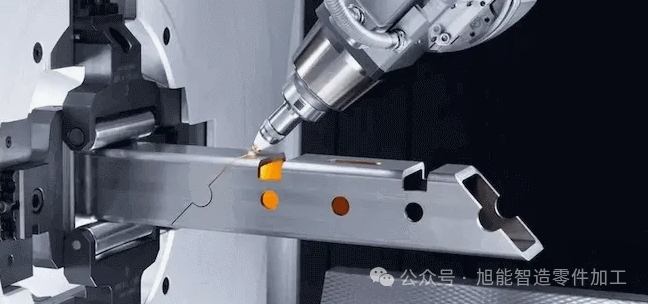
The 8 Key Elements of High-Precision Wire Cutting: A Guide to Unlocking Optimal Results
In the world of precision engineering, wire cutting is a crucial process that requires expertise, finesse, and a deep understanding of the underlying principles. As technology advances, so too do the demands on wire cutting, pushing the boundaries of what’s possible. In this article, we’ll delve into the 8 key elements of high-precision wire cutting, exploring the intricacies of this process and providing actionable insights to help you achieve optimal results.
What is Wire Cutting?
Wire cutting, also known as electrical discharge machining (EDM), is a non-contact process that uses electrical currents to cut through metal materials. The process is particularly effective for cutting intricate shapes, hard-to-reach areas, and delicate materials. While wire cutting is a versatile process, it requires precise control to achieve optimal results.
8 Key Elements of High-Precision Wire Cutting
- Increasing the Number of Treatment Times
To achieve high-precision wire cutting, increasing the number of treatment times is crucial. This approach, commonly used in room manufacturing, involves multiple cuts to eliminate inequality and achieve a more accurate cutting surface.
- Adjusting the Treatment Conditions (Current Intensity)
To further refine the cutting process, adjusting the treatment conditions is vital. This can be achieved by adjusting the current intensity, allowing for faster processing and improved precision. In our experience, a 4-5 stage process is common, but in some cases, up to 6 stages may be necessary.
- Using Thin Wires
The diameter of the wire electrode is critical, as it determines the radius of the rotating angle. For high-precision machining, it’s essential to use wires with diameters of 0.03-0.1 mm. While thinner wires are more prone to breaking, the resulting precision is unparalleled.
- Utilizing Tungsten Wires
Tungsten wires, with their excellent discharge characteristics, can produce surfaces with reduced roughness and improved precision. While more expensive than brass wires, the benefits are undeniable.
- Transforming the Liquid into Oil
Fire safety and operational concerns have led to the widespread adoption of water as a treatment fluid. However, for improved surface performance, oil is often preferred. The choice between water and oil ultimately depends on the specific needs of your project.
- Employing High-Precision Cable Drivers
To take wire cutting to the next level, high-precision cable drivers are essential. By increasing the wire voltage, you can achieve faster processing and improved accuracy. This approach requires precise control and attention to detail.
- Adopting High-Precision Cable Cutting Tools
Each manufacturer’s wire cutting machines have unique characteristics, affecting the machining accuracy. Understanding these differences is crucial for optimizing the wire cutting process.
- Optimizing the Processing Procedure
Finally, a careful examination of the machining stages is vital. While specifications, treatment fluids, and metal materials are critical, the actual process of moving metallic materials is equally important. By rethinking the cutting process, you can achieve higher precision out of the gate.
In conclusion, high-precision wire cutting is a complex process that requires expertise, attention to detail, and a deep understanding of the underlying principles. By adopting these 8 key elements, you can unlock optimal results and reap the benefits of wire cutting in your own projects. Whether you’re looking to improve surface roughness, accuracy, or processing speed, this guide provides the insights you need to achieve success.



















