

In the intricate world of modern manufacturing, where designs are increasingly complex and tolerances grow ever tighter, one question frequently arises from engineers, designers, and procurement specialists: what are CNC milling machines used for? At their core, these computer-controlled powerhouses are the versatile workhorses of precision fabrication, transforming raw blocks of material into intricate, functional, and high-tolerance components. As a senior manufacturing engineer at GreatLight Metal Tech Co., LTD. (GreatLight Metal), I witness daily how our advanced multi-axis CNC milling centers solve problems across industries, turning ambitious designs into tangible reality.
The simple answer is that CNC milling machines are used to remove material with exceptional precision. But the true depth of their application lies in the “how” and “why.” Let’s delve into the vast landscape of their uses, moving from fundamental operations to industry-specific applications.
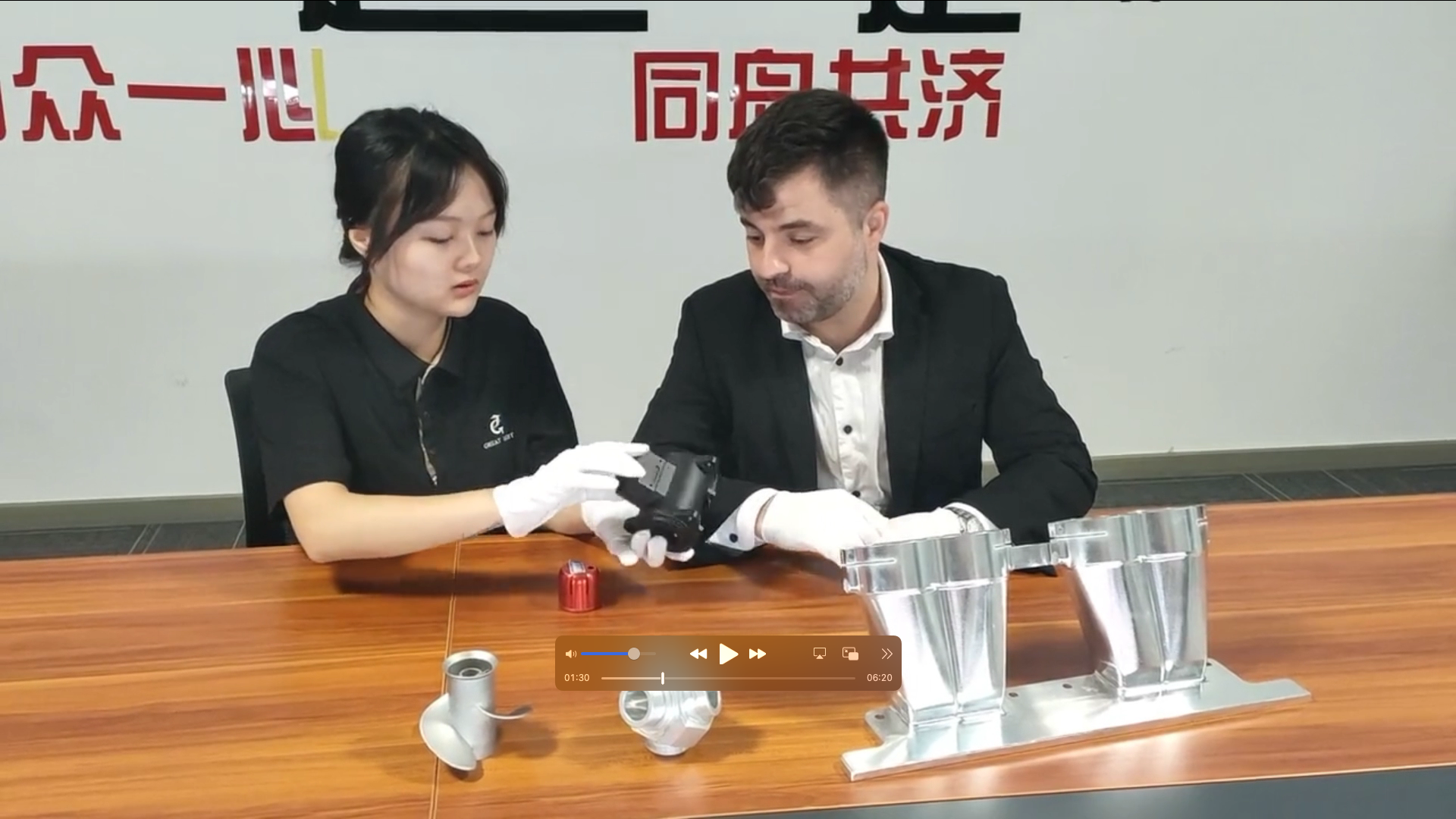
H2: The Foundational Capabilities: What Can a CNC Milling Machine Do?
Before exploring industries, understanding the core mechanical operations is key. A CNC milling machine uses rotating cutting tools to precisely carve away material from a solid workpiece. Its capabilities include:
Face Milling: Creating a flat surface on the top of a part, crucial for establishing a reference plane.
Peripheral Milling: Cutting the external contours or profiles of a part, defining its overall shape.
Pocketing: Excavating enclosed, shallow areas within a part, common for housing internal components.
Drilling & Boring: Creating precise holes, with boring used to enlarge or finish pre-drilled holes to exact diameters.
Tapping: Cutting internal threads for screws and fasteners directly into the part.
Engraving & Texturing: Adding serial numbers, logos, or specific surface textures.
Complex 3D Contouring: The pinnacle of milling, where the machine moves along multiple axes simultaneously to create free-form, organic shapes, complex curves, and sculpted surfaces. This is where advanced 5-axis CNC machining services{:target=”_blank”} become indispensable.
H2: Industry-Specific Applications: From Concept to Critical Component
The versatility of CNC milling means its fingerprints are on countless products. Here’s a breakdown by sector:
H3: 1. Aerospace & Defense
Here, the stakes involve extreme performance, safety, and reliability. Components must be incredibly strong yet lightweight, often machined from challenging materials like titanium, Inconel, and high-strength aluminum alloys.
Uses: Turbine blades, structural airframe components, landing gear parts, missile guidance system housings, satellite brackets.
Why CNC Milling? It achieves the necessary complex geometries (airfoils, internal cooling channels) with the ultra-tight tolerances (±0.0005″ or better) and superior surface integrity required for flight-critical parts.
H3: 2. Automotive & Motorsport
From mass-produced vehicles to bespoke race cars, CNC milling drives innovation and performance.
Uses: Engine blocks and cylinder heads, transmission cases, suspension components (A-arms, knuckles), custom intake manifolds, brake system parts, and prototypes for new designs.
Why CNC Milling? It allows for rapid prototyping of new concepts, low-volume production of high-performance aftermarket parts, and the machining of complex molds for die-casting or injection molding of larger components.
H3: 3. Medical & Surgical Devices
This field demands absolute precision, biocompatibility, and often, complex miniaturization.
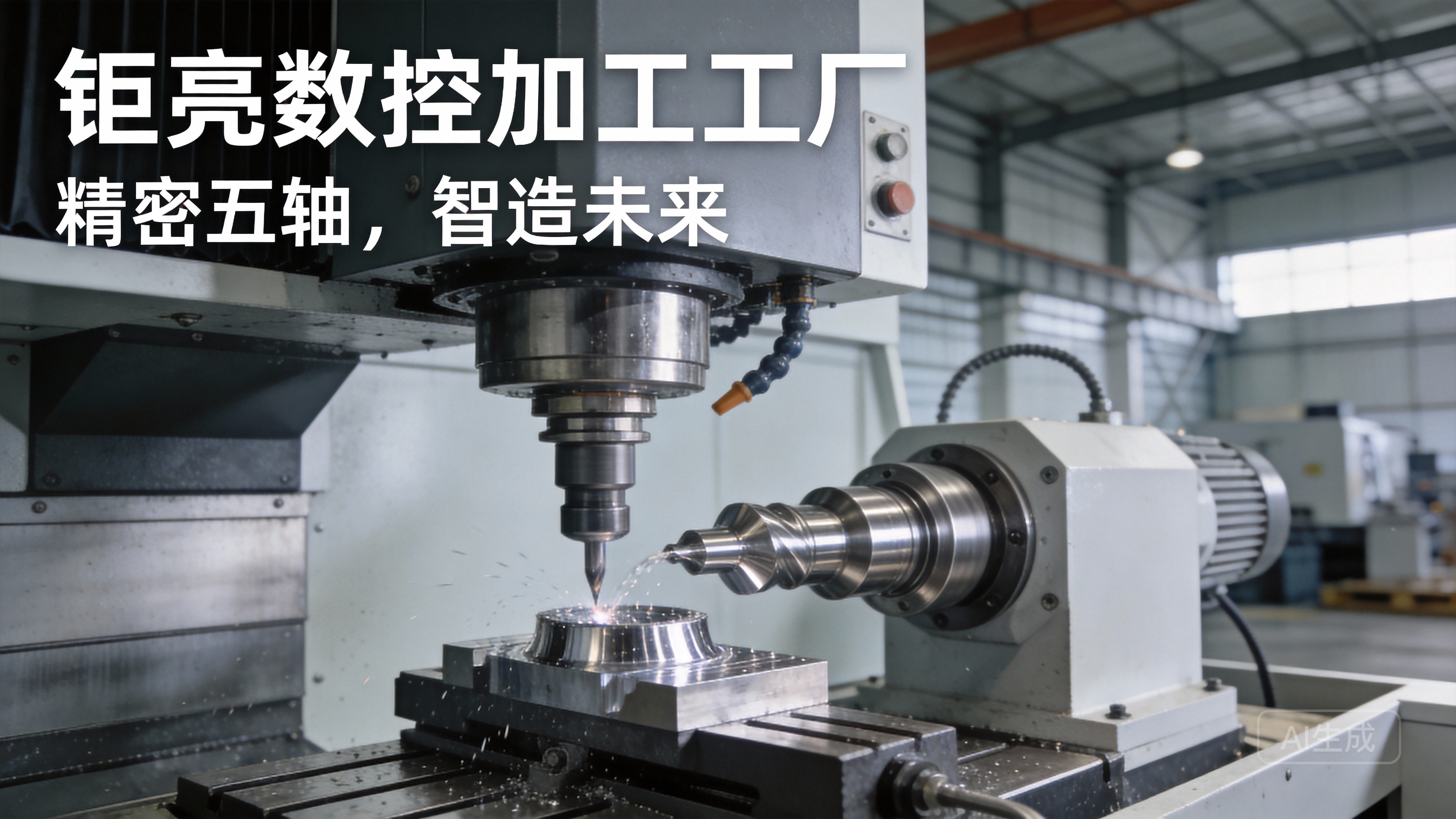
Uses: Orthopedic implants (knee, hip, spinal), surgical instrument handles and tips, enclosures for diagnostic equipment, components for robotic surgery systems, dental abutments and guides.
Why CNC Milling? It can process biocompatible materials like surgical-grade stainless steel, titanium, and PEEK with flawless surface finishes to prevent bacterial adhesion and ensure patient safety. The ability to produce patient-specific, one-off implants from CT scan data is a revolutionary application.
H3: 4. Electronics & Consumer Tech
The relentless drive for miniaturization and sleek design relies heavily on precision milling.
Uses: Unibody laptop and smartphone chassis, heatsinks for CPUs/GPUs, waveguide components for 5G infrastructure, connectors, jigs and fixtures for assembly lines, and molds for plastic consumer goods.
Why CNC Milling? It provides the aesthetic surface finishes (brushed, polished, anodized-ready) expected in consumer products and the precise, tiny features needed in electronic housings and heat-dissipation components.
H3: 5. Industrial Machinery & Automation
This is the backbone of manufacturing itself, where durability and precision ensure production uptime.
Uses: Custom gears, hydraulic valve bodies and manifolds, pump housings, robotic end-effectors (grippers), fixture plates for assembly, and large-scale mold bases for industrial plastic molding.
Why CNC Milling? It produces the wear-resistant, high-load-bearing components that keep factories running. The ability to machine large, heavy workpieces (like the 4000mm capacity at GreatLight Metal) is critical here.
H3: 6. Energy & Oil & Gas
Components face extreme pressures, temperatures, and corrosive environments.
Uses: Valve bodies and stems for subsea applications, turbine components for wind and natural gas power, drill bit parts, heat exchanger plates, and components for nuclear instrumentation.
Why CNC Milling? It can machine the exotic, hardened materials required for these harsh conditions and achieve the pressure-tight seals through precise flange and face machining.
H2: The GreatLight Metal Advantage: Beyond Basic Milling
While a basic 3-axis mill can handle many tasks, modern complexity often demands more. This is where our integrated approach at GreatLight Metal transforms what CNC milling machines are used for. We view them not as isolated tools, but as nodes within a full-process intelligent manufacturing solution.
Conquering Geometry: For parts with undercuts, compound angles, or complex 3D surfaces, our 5-axis CNC machining centers allow complete part fabrication in a single setup. This eliminates errors from multiple repositionings and drastically improves accuracy on the most challenging designs.
Material Mastery: We don’t just mill common aluminum. Our expertise extends to stainless steels, tool steels, brass, copper, and engineering plastics, selecting the optimal strategy for each material’s properties.
From Digital to Physical, Seamlessly: We integrate advanced 3D printing (SLM, SLS) with CNC milling. A part might be 3D printed near-net-shape from titanium and then finish-milled to micron-level precision on a 5-axis machine—a hybrid approach that optimizes both time and material for complex prototypes or low-volume production.
Solving the “Precision Black Hole”: We back our capabilities with a robust quality management system (ISO 9001:2015, IATF 16949 for automotive, ISO 13485 for medical devices). Every machine is calibrated, and every part is verified with our in-house CMMs and precision measurement tools, ensuring the promised tolerance on the drawing is the tolerance you receive in hand.
Conclusion
So, what are CNC milling machines used for? They are used to build the future. They are the enabling technology that translates innovative CAD models into the robust, reliable, and intricate parts that power our aircraft, heal our bodies, connect our world, and drive industrial progress. The difference between a simple milled part and a mission-critical component often lies not just in the machine, but in the engineering expertise, process integration, and quality culture behind it.
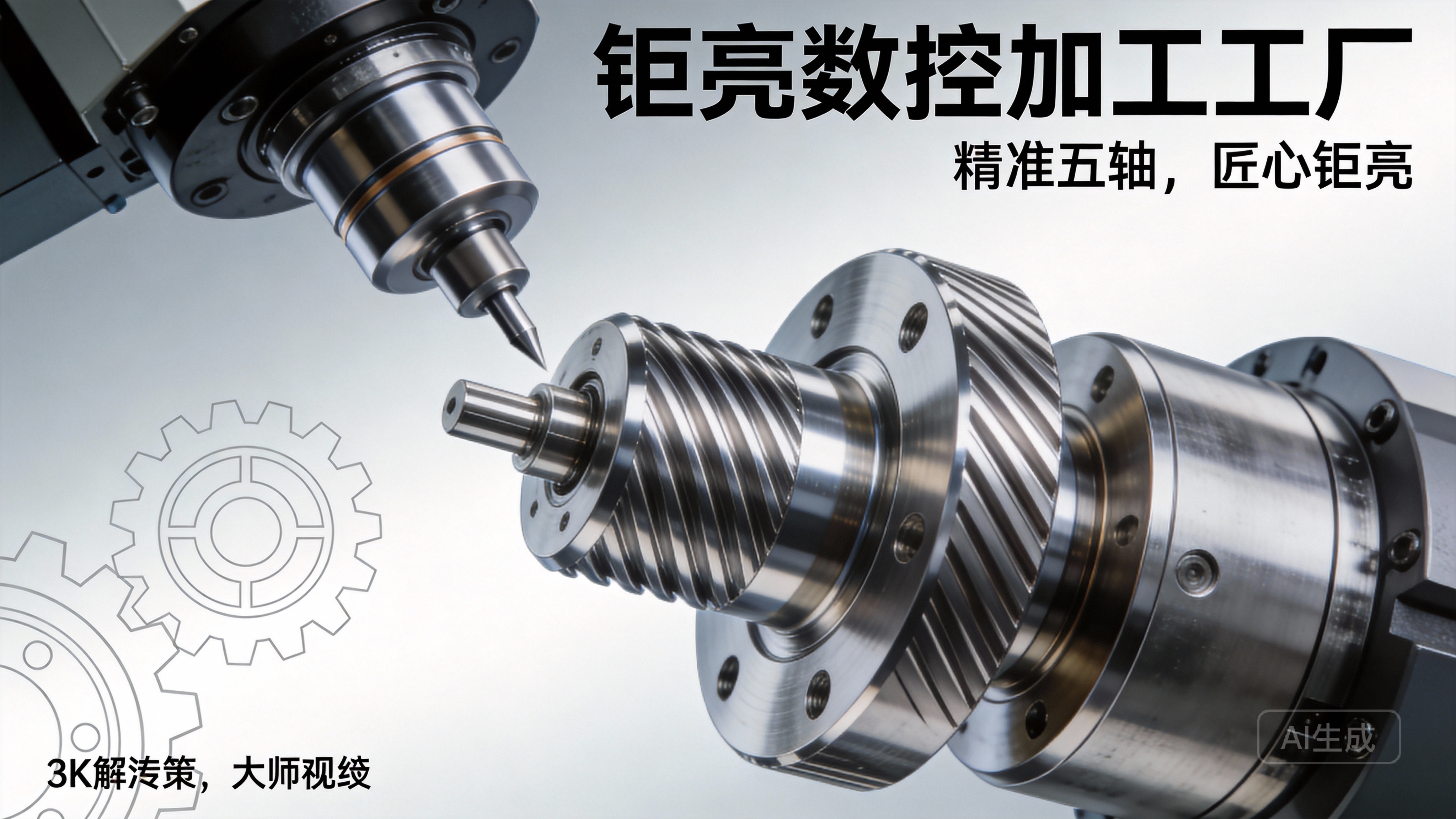
For those seeking a partner who understands the profound potential locked within a block of material and a digital design, who can navigate the journey from prototype to production with unwavering precision, the choice becomes clear. It’s about selecting a manufacturer with the technical depth, systemic rigor, and collaborative spirit to ensure your vision is realized flawlessly.
Frequently Asked Questions (FAQ)
Q1: What’s the main difference between a CNC mill and a CNC lathe?
A: A CNC lathe (turning center) primarily rotates the workpiece against a stationary cutting tool to create cylindrical parts (shafts, bolts). A CNC mill primarily holds the workpiece stationary and moves a rotating cutting tool around it to create prismatic parts with complex features, pockets, and contours.
Q2: Can a CNC milling machine work with any material?
A: While extremely versatile, suitability depends on the machine’s power, rigidity, and the available cutting tools. Standard mills excel with metals (aluminum, steel, brass), plastics, and woods. Machining advanced materials like hardened tool steels or superalloys requires heavy-duty, high-performance machines with specialized tooling and expertise, which providers like GreatLight Metal possess.
Q3: Is CNC milling only for high-volume production?
A: Absolutely not. CNC milling is perfectly suited for low-volume and prototype work due to its digital flexibility. Changing from one part to another requires only a change of the CNC program and fixtures, not physical tooling like in stamping or casting. This makes it cost-effective for batches from one to thousands.
Q4: What file format do I need to provide for a CNC milling quote?
A: The standard is a 3D CAD file in STEP (.stp or .step) or IGES (.igs) format, along with a 2D engineering drawing in PDF format specifying critical dimensions, tolerances, materials, and surface finish requirements. The drawing provides the essential manufacturing intent that the 3D model alone may not convey.
Q5: Why should I choose a manufacturer with 5-axis capabilities for what looks like a simple part?
A: Even “simple” parts can benefit. 5-axis machining can often complete a part in one setup, which improves overall accuracy by eliminating cumulative errors from multiple setups. It can also allow for better tool access, enabling the use of shorter, more rigid cutters that yield better surface finishes and faster machining times, potentially reducing cost. It’s about manufacturing intelligence, not just complexity.
For deeper insights into the transformative power of precision manufacturing and industry trends, follow our professional network on LinkedIn{:target=”_blank”}.



















