
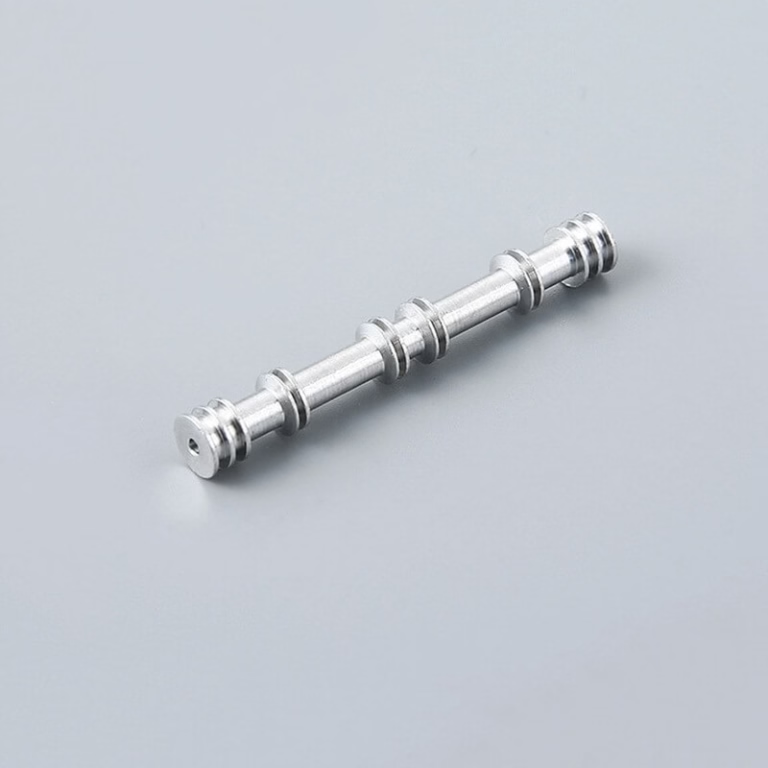
In the world of modern manufacturing, the term “CNC machined parts” is ubiquitous. But what exactly are they? At its core, a CNC machined part is any physical component created through a subtractive manufacturing process controlled by a Computer Numerical Control (CNC) system. It represents the perfect marriage of digital design and physical precision, transforming raw blocks of material into intricate, high-tolerance components that power everything from medical devices to aerospace engines.
This article will delve into the essence, processes, applications, and critical considerations of CNC machined parts, providing a comprehensive guide for engineers, procurement specialists, and innovators looking to leverage this foundational technology.
H2: Deconstructing the CNC Machining Process: From Digital Blueprint to Physical Reality
The journey of a CNC machined part begins far from the factory floor. It starts with a precise digital 3D model created in CAD (Computer-Aided Design) software. This model is then translated into a set of machine-readable instructions—G-code—through CAM (Computer-Aided Manufacturing) software. This code dictates every movement of the cutting tool: its path, speed, depth, and rotation.
A CNC machine (mill, lathe, router, grinder) then executes these instructions with unwavering consistency. A cutting tool removes material from a solid workpiece—known as the “blank”—through processes like milling, turning, drilling, or boring. The key differentiator from manual machining is the complete automation and repeatability afforded by computer control, which eliminates human error and enables the production of parts with complex geometries and microscopic tolerances.
H2: The Defining Characteristics of High-Quality CNC Machined Parts
Not all machined parts are created equal. The quality and capability of a part are defined by several critical characteristics:
Precision and Tolerance: This is the hallmark of CNC machining. Tolerance refers to the permissible limit of variation in a part’s dimension. High-end shops, like those equipped with advanced precision 5-axis CNC machining services, routinely hold tolerances as tight as ±0.001 mm (±0.0004 inches) or better, essential for parts in dynamic assemblies or vacuum environments.
Surface Finish: The quality of a part’s surface, measured in Ra (roughness average), affects its function, fatigue resistance, and appearance. CNC machining can achieve finishes from rough machined (Ra 3.2 μm) to a near-mirror polish (Ra 0.2 μm) through controlled tool paths and post-processing.
Geometric Complexity: CNC technology excels at producing parts that would be impossible or prohibitively expensive with manual methods or casting. This includes complex 3D contours, deep cavities, fine threads, and undercuts, especially when utilizing multi-axis machining.
Material Integrity: Unlike additive manufacturing (3D printing), CNC machining starts with a wrought or cast material blank, which retains the original material’s mechanical properties—such as strength, thermal conductivity, and fatigue resistance—without the layer-related weaknesses sometimes found in printed parts.
Repeatability: Once a program is proven, a CNC machine can produce the first part and the ten-thousandth part with identical dimensions, ensuring consistency across production runs.
H3: The Expansive Material Universe for CNC Parts
One of the greatest strengths of CNC machining is its material versatility. Almost any engineering material that can be cut can be machined:
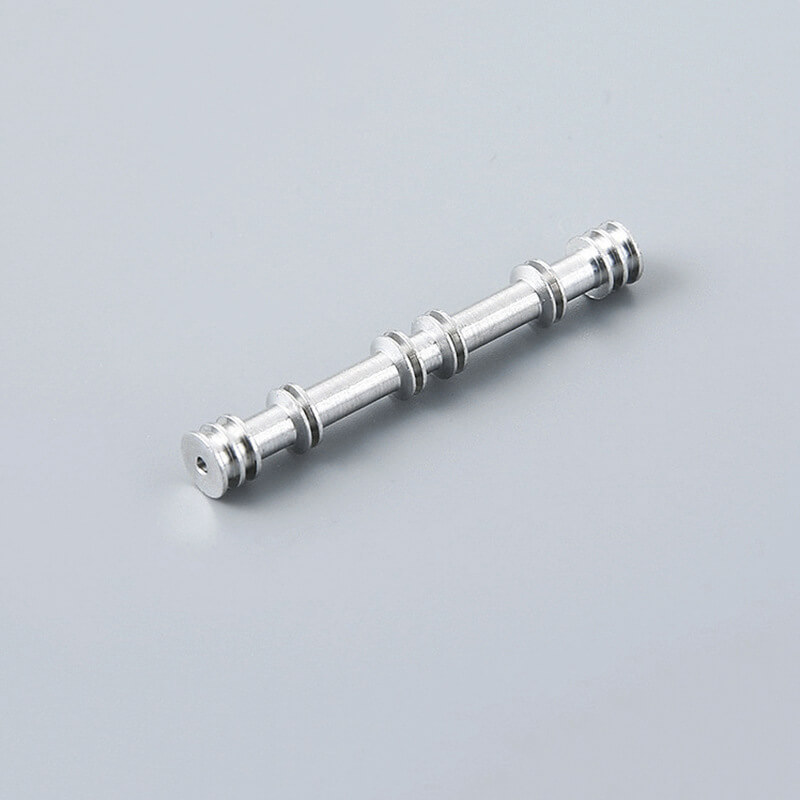
Metals: Aluminum (e.g., 6061, 7075), Stainless Steel (304, 316), Titanium (Ti-6Al-4V), Brass, Copper, Tool Steels, Inconel.
Plastics: PEEK, Delrin (Acetal), Nylon, PTFE (Teflon), Polycarbonate, ABS.
Composites: Carbon Fiber Reinforced Polymers (CFRP), G-10/FR4.
Others: Wood, wax (for molding), and certain ceramics.
The choice of material directly impacts the machining strategy, tooling, cost, and final part performance.
H2: Industries Built on CNC Machined Parts
CNC machined parts are the unsung heroes inside countless products across critical industries:
Aerospace & Defense: Engine components, landing gear parts, drone frames, and satellite brackets, where lightweight design and extreme reliability are non-negotiable.
Medical & Surgical: Implants (knee, spinal), surgical instrument handles, diagnostic device housings, requiring biocompatible materials and flawless sterility.
Automotive & Racing: Prototype components, engine blocks, transmission parts, and custom fittings, demanding high strength-to-weight ratios and precision.
Electronics & Semiconductors: Heat sinks, enclosures, wafer chucks, and connector housings, often requiring intricate cooling channels and EMI/RFI shielding.
Industrial Machinery: Gears, shafts, hydraulic valve bodies, and robotic end-effectors that must endure continuous stress and wear.
H3: Navigating Common Challenges in Sourcing CNC Parts
The path from design to delivered part is not without potential pitfalls. Common challenges include:
Design for Manufacturability (DFM) Gaps: A design that looks perfect in CAD may be unnecessarily expensive or impossible to machine. Features like deep, small-diameter holes, sharp internal corners, or very thin walls can drive up cost and risk.
The “Precision Promise” Gap: Some suppliers overpromise on achievable tolerances. Consistent ultra-high precision requires not just advanced machines but also climate-controlled environments, metrology-grade inspection, and seasoned process engineers.
Supply Chain Transparency: Issues like material traceability, inconsistent quality between batches, and delayed communication can derail projects.
Post-Processing Complexity: Many parts require secondary operations like anodizing, plating, heat treatment, or painting. Managing these processes across multiple vendors adds logistical complexity and quality risk.
H2: Why an Integrated Manufacturing Partner Makes the Difference
Addressing these challenges effectively often requires moving beyond a simple job-shop relationship to a partnership with an integrated solutions provider. This is where manufacturers like GreatLight CNC Machining Factory demonstrate their value. As a professional five-axis CNC machining manufacturer, they embody the modern approach to precision part creation by offering:
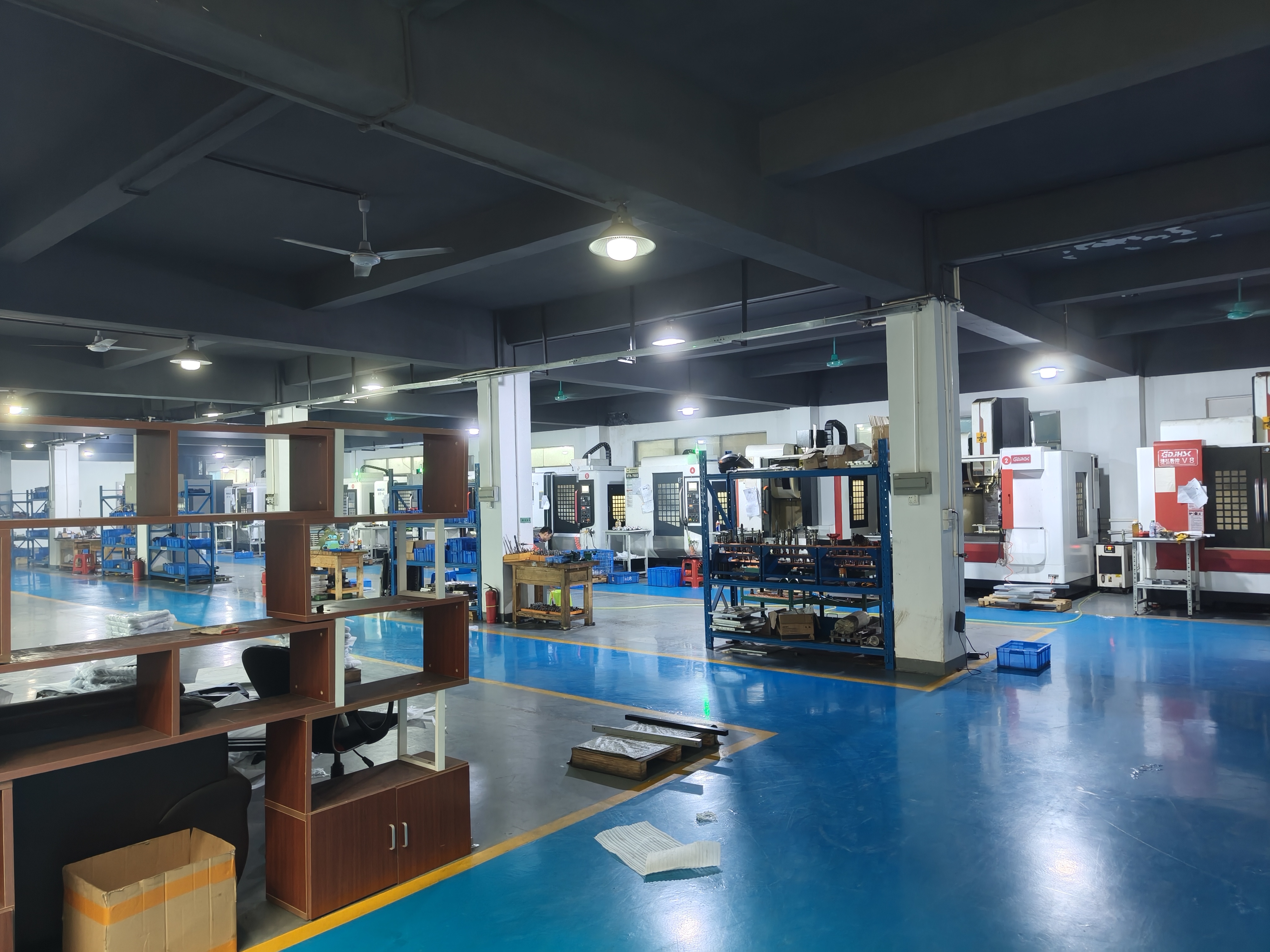
A Full-Process Chain: From initial DFM consultation and material selection to precision machining, finishing, and final inspection, managing the entire workflow under one roof ensures accountability and quality control.
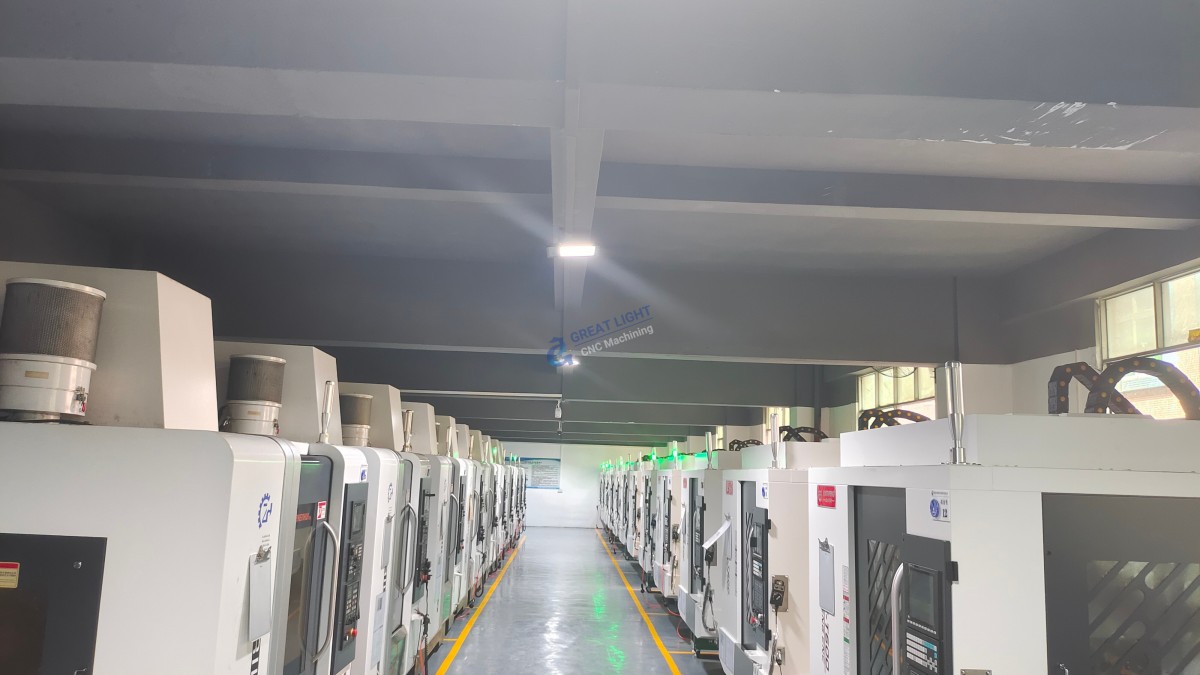
Technical Depth: With a fleet of over 127 pieces of equipment including multi-axis CNC centers, EDM, and grinding machines, they possess the technical arsenal to match the right process to the part geometry and material.
Systematic Quality Assurance: Holding certifications like ISO 9001:2015, IATF 16949 (automotive), and ISO 13485 (medical) is not just about paperwork. It represents a ingrained culture of process control, documented procedures, and continuous improvement that builds inherent reliability into every part.
Engineering Partnership: The most valuable suppliers act as an extension of your engineering team, proactively identifying potential issues in the design phase and proposing optimized, cost-effective manufacturing solutions.
Conclusion
CNC machined parts are far more than just metal or plastic shapes; they are the physical embodiment of precision engineering, enabling innovation across the technological spectrum. Understanding their characteristics, applications, and the common pitfalls in their procurement is crucial for any project’s success. In a landscape where precision, reliability, and speed are paramount, choosing a manufacturing partner with the technical capabilities, systemic quality rigor, and collaborative mindset to navigate the entire journey—from digital blueprint to flawless physical part—is the most critical decision of all. For those seeking this level of integrated solution, exploring the capabilities of a full-service provider like GreatLight CNC Machining Factory can be a decisive step toward turning complex designs into reliable, high-performance reality.
FAQ: Frequently Asked Questions About CNC Machined Parts
Q1: What is the main advantage of CNC machining over 3D printing?
A: While both are valuable, CNC machining generally offers superior material strength (from wrought/forge stock), better surface finishes, and much tighter tolerances. It’s ideal for functional, load-bearing parts. 3D printing excels at rapid prototyping of complex, low-volume geometries that are difficult to machine.
Q2: How do I know what tolerance to specify on my drawing?
A: Specify only the tolerances critical for the part’s function. Tighter tolerances exponentially increase cost. A good rule is to apply a general tolerance (e.g., ±0.1mm) and call out critical features with specific, tighter tolerances. A skilled manufacturing partner can provide DFM feedback to optimize this.
Q3: What file format do I need to provide for a CNC machining quote?
A: The standard is a 3D CAD file in STEP or IGES format, along with a 2D drawing in PDF format. The drawing should clearly indicate critical dimensions, tolerances, material, surface finish requirements, and any post-processing notes.
Q4: Can you machine parts from my own provided raw material?
A: Reputable machine shops like GreatLight Metal often can, provided the material is properly certified and in a suitable form (bar, plate, block). However, using the shop’s own sourced material often ensures better traceability and familiarity with its machining characteristics.
Q5: What is the typical lead time for prototype vs. production CNC parts?
A: Lead times vary widely. Simple prototype parts can be delivered in 3-5 days. Complex prototypes or small production runs may take 1-3 weeks. For large production volumes, lead time depends on quantity and complexity but benefits from optimized, proven processes. Clear communication with your supplier about deadlines is essential.
Q6: How does a 5-axis CNC machine benefit my part compared to a 3-axis machine?
A: A 5-axis machine allows the cutting tool to approach the workpiece from virtually any direction in a single setup. This enables the machining of highly complex, organic shapes, reduces setup time, improves accuracy by minimizing repositioning errors, and often allows for better tool access, resulting in a superior surface finish on contoured features.



















