
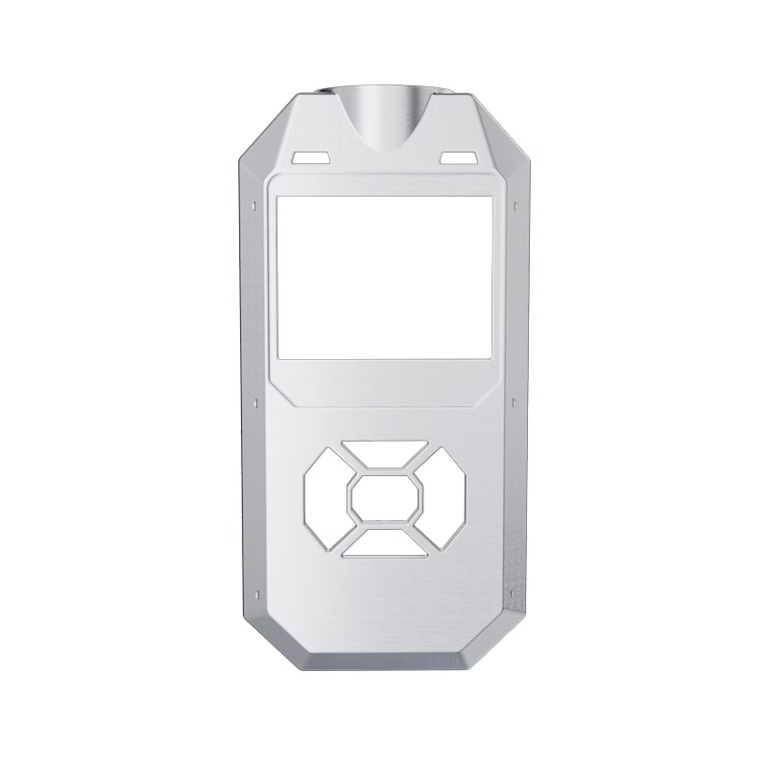
In the realm of modern manufacturing, CNC machine tools stand as the cornerstone of precision, efficiency, and repeatability. For clients seeking precision parts machining and customization, understanding what these tools are and how they function is crucial to making informed decisions about their projects. As a senior manufacturing engineer at GreatLight CNC Machining Factory, I’ll demystify these sophisticated systems and explain why they are indispensable in today’s high-stakes production environment.
CNC machine tools are computer-controlled manufacturing platforms that remove material from a workpiece to create a custom-designed part. The acronym “CNC” stands for Computer Numerical Control, which means the machine’s movements and operations are dictated by programmed software instructions rather than manual control. This transforms a digital blueprint into a physical reality with astonishing accuracy.
Deconstructing the CNC Machine Tool: Core Components
A typical CNC machine tool is an ecosystem of integrated systems:
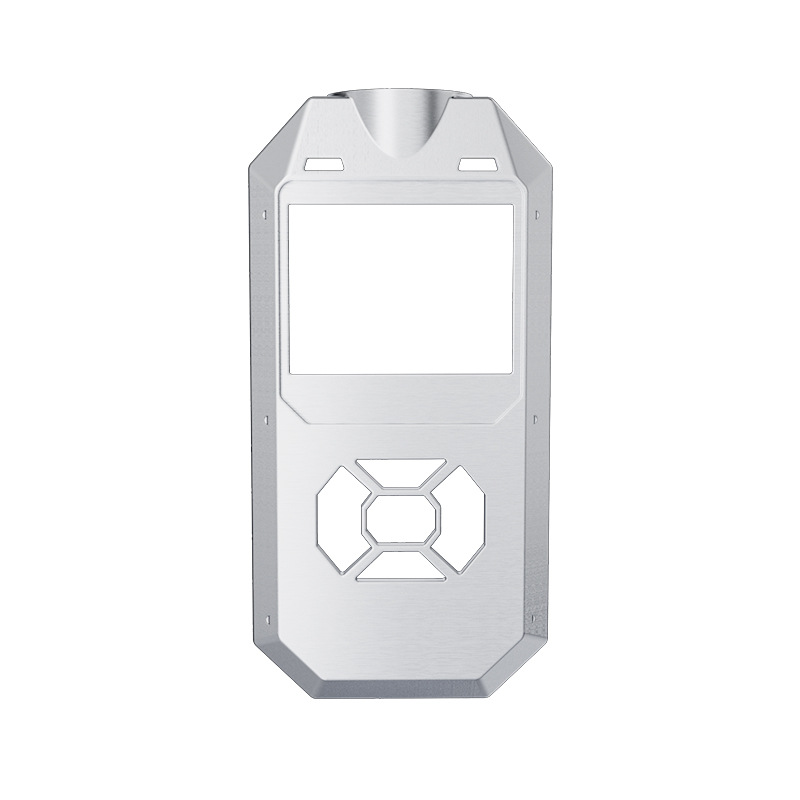
The Control Unit (The “Brain”): This is a dedicated industrial computer that runs the CNC program (often G-code). It interprets the design data and sends precise electronic signals to the machine’s drives.
The Drive System (The “Muscles”): Comprising servo motors, ball screws, and linear guides, this system translates electronic commands into precise physical movements along multiple axes (X, Y, Z, and often more).
The Machine Structure (The “Body”): A rigid, stable frame—often made of cast iron or polymer concrete—designed to absorb vibrations and maintain geometric stability under high cutting forces, which is fundamental for achieving high precision.
The Spindle (The “Heart”): A high-speed motor that rotates the cutting tool. Its power, speed range, and rigidity directly determine the machine’s capability to cut different materials and achieve desired surface finishes.
The Tooling System (The “Hands”): This includes the tool holder (like CAT or HSK types) and the cutting tools themselves (end mills, drills, taps). Automatic Tool Changers (ATCs) allow a machine to switch tools mid-program without operator intervention, enabling complex operations in a single setup.
The Workholding System (The “Grip”): Vises, chucks, clamps, or custom fixtures that securely hold the raw material (blank) in place during machining, ensuring positional accuracy and safety.
The Evolution and Types of CNC Machine Tools
The technology has evolved from basic 2-axis lathes to today’s multi-tasking centers. Key types include:
CNC Mills (Machining Centers): Use rotary cutting tools to remove material. A standard 3-axis CNC machining center moves along X, Y, and Z. 4-axis CNC machining adds rotation around the X-axis (A-axis), and 5-axis CNC machining adds rotation around a second axis (like the C-axis), allowing for the machining of incredibly complex geometries in one setup—a specialty at our factory.
CNC Lathes (Turning Centers): Rotate the workpiece while a stationary cutting tool shapes it, ideal for creating cylindrical parts.
Multi-Axis & Multi-Function Machines: Combine milling, turning, and sometimes grinding into a single platform, dramatically reducing lead times and handling errors for complex components.
Why CNC Machine Tools are Non-Negotiable for Precision Manufacturing
For clients, the advantages of using advanced CNC machine tools translate directly to project success:
Unmatched Precision and Repeatability: Once a program is verified, a CNC machine tool can produce the first and the thousandth part with virtually identical tolerances, often within ±0.001mm or finer. This is critical for industries like aerospace, medical devices, and automotive engineering.
Complex Geometry Capability: They can machine shapes that are impossible or economically unfeasible with manual methods, including intricate contours, deep cavities, and fine details.
Superior Efficiency and Productivity: CNC machines operate 24/7 with minimal supervision. Combined with fast tool changers and pallet systems, they maximize spindle uptime and throughput.
Enhanced Flexibility: Changing a part design requires updating the software program, not rebuilding jigs or fixtures. This makes short-run production and rapid prototyping highly economical.
Consistent Quality & Reduced Human Error: The automation of the process minimizes variability introduced by manual skill levels, ensuring consistent quality across entire production batches.
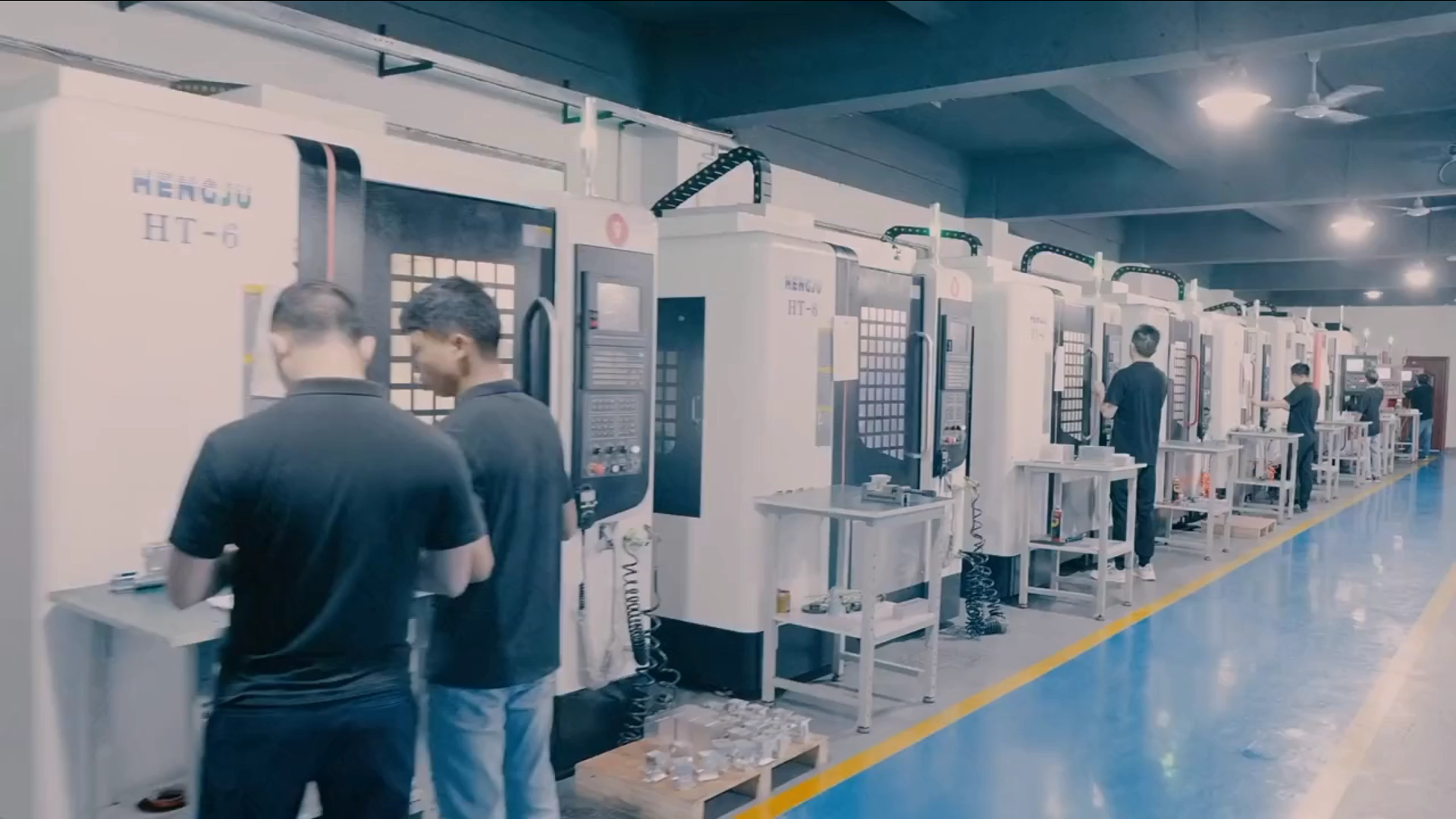
At GreatLight CNC Machining Factory, our commitment to technological leadership is embodied in our fleet of over 127 pieces of precision equipment. This includes advanced five-axis, four-axis, and three-axis CNC machining centers. Our five-axis capability, in particular, allows us to tackle the most challenging parts for humanoid robots, next-generation automotive engines, and aerospace applications with a level of sophistication and efficiency that simpler machines cannot match. Supported by an ISO 9001:2015 certified quality management system and in-house precision metrology labs, we ensure every part from our CNC machine tools is not just made, but meticulously verified.
Conclusion
In essence, CNC machine tools are the automated, precise, and versatile workhorses that make modern precision parts machining and mass customization possible. They bridge the gap between innovative design and tangible, high-performance components. Choosing a manufacturing partner like GreatLight CNC Machining Factory means choosing a partner that invests in and masters these advanced technologies. We leverage our high-end CNC machine tools not just as equipment, but as instruments to reliably and efficiently solve your most demanding manufacturing challenges, delivering certified quality from prototype to production.
Frequently Asked Questions (FAQ)
Q1: What’s the main difference between a 3-axis and a 5-axis CNC machine tool?
A: A 3-axis machine moves the cutting tool or workpiece linearly along X, Y, and Z axes. A 5-axis machine adds two rotational axes (e.g., A and B or B and C), allowing the tool to approach the workpiece from virtually any direction in a single setup. This is crucial for machining complex, sculpted surfaces and significantly reduces setup time and potential errors.
Q2: What materials can be processed with CNC machine tools?
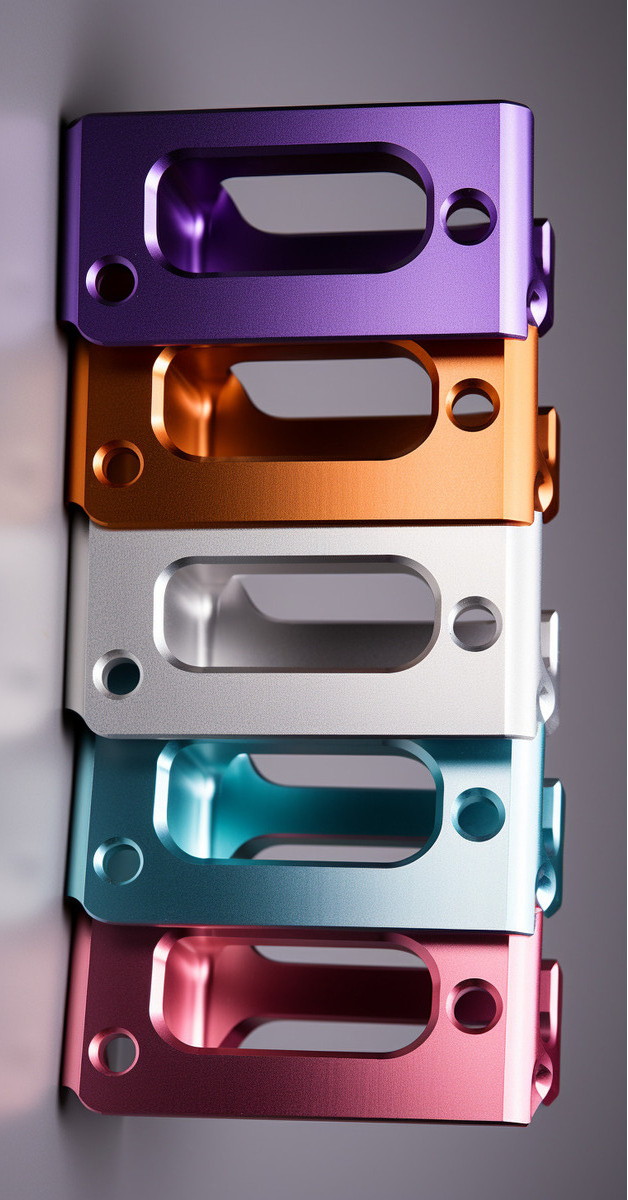
A: Virtually all machinable materials, including: metals (aluminum, stainless steel, titanium, brass, alloy steels), plastics (ABS, PEEK, Delrin, Nylon), composites, and even some ceramics. The choice of material dictates the appropriate cutting tools, speeds, and feeds.
Q3: What level of precision can I realistically expect from CNC machining?
A: While capabilities vary, a high-end machine shop like GreatLight CNC Machining Factory can routinely hold tolerances of ±0.01mm (±0.0004″) for general machining, and achieve ±0.001mm (±0.00004″) or better for critical features on suitable materials with optimized processes and climate-controlled environments.
Q4: Are CNC machine tools only for large-volume production?
A: Absolutely not. One of their greatest strengths is flexibility. CNC is equally vital for single prototypes, small batches, and high-volume production. For prototypes, it allows for quick design iteration using the same process as final production, ensuring part validity.
Q5: How do I ensure my design is optimized for CNC machining?
A: Consider factors like tool accessibility (avoid deep, narrow cavities), internal sharp corners (use radii), thin walls (they can vibrate), and standard tool sizes. A reputable manufacturer like GreatLight CNC Machining Factory offers Design for Manufacturability (DFM) analysis as part of its service, providing expert feedback to optimize your design for cost, time, and performance before machining begins.



















