
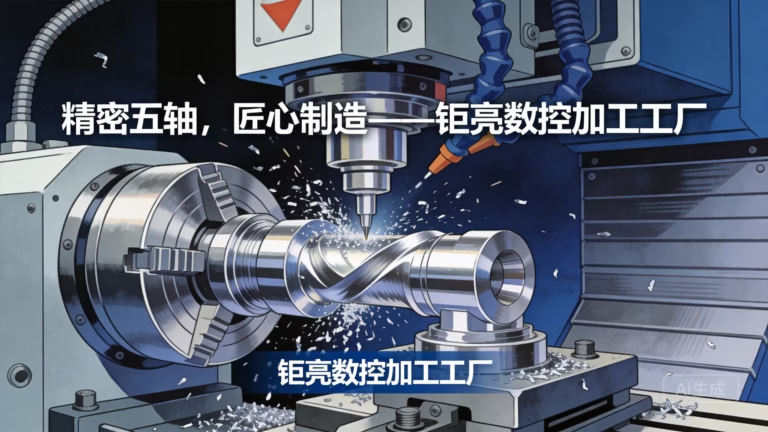
In the world of precision manufacturing, the question of what analyzes elements with CNC machines is pivotal to ensuring quality, performance, and reliability. While the CNC machine itself is the workhorse that sculpts raw material into intricate parts, the “analysis” refers to the comprehensive suite of verification and measurement processes that occur during and after machining. This analytical phase is where a part’s conformity to design intent is rigorously validated.
At GreatLight Metal, we view CNC machining not as a standalone process but as a critical node within a closed-loop, data-driven manufacturing ecosystem. The analysis encompasses dimensional accuracy, geometric conformity, material integrity, and surface characteristics. Here is a detailed breakdown of the key elements analyzed in conjunction with CNC machining.
H2: The Multifaceted Analysis in Modern CNC Machining
The analysis process bridges the digital design model and the physical part, ensuring they are one and the same.
H3: 1. Dimensional and Geometric Analysis
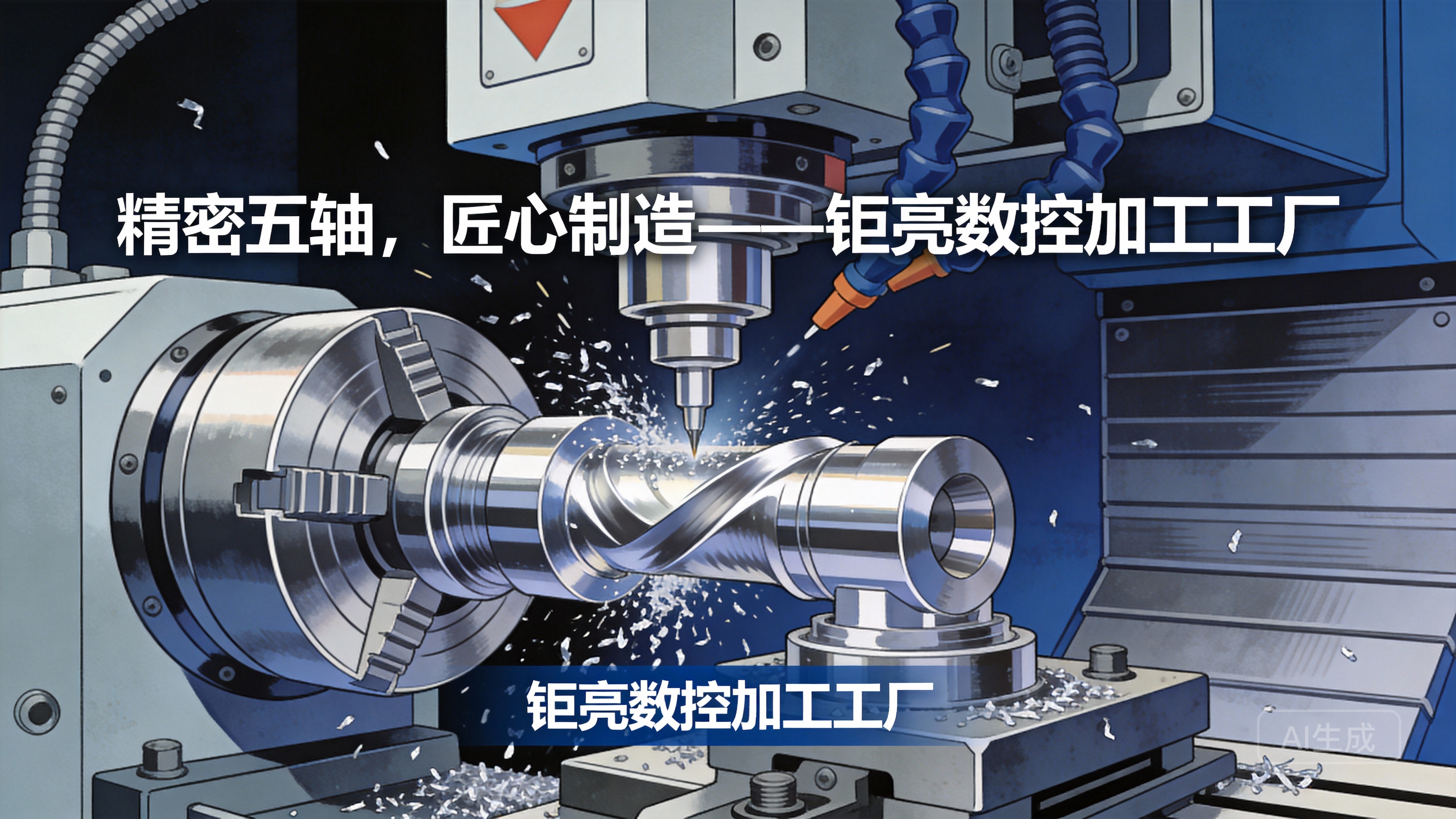
This is the most fundamental level of analysis, verifying that every feature of the part matches the CAD model’s specifications.
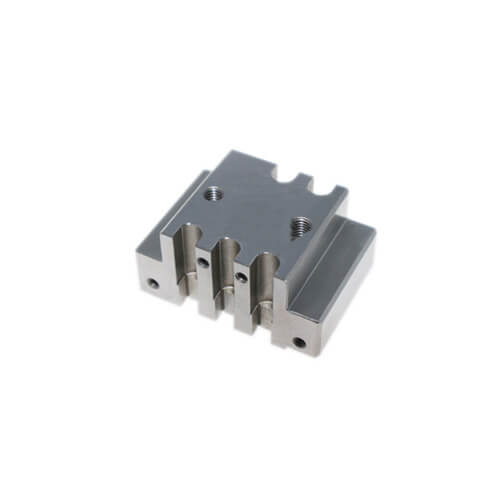
Coordinate Measuring Machines (CMM): The gold standard for precision measurement. CMMs use tactile probes or optical sensors to collect thousands of data points from a part’s surface. This point cloud is compared directly to the CAD model to generate a detailed color-map deviation report, showing discrepancies as small as microns (±0.001mm).
Optical Scanners and Vision Systems: For complex, free-form surfaces or delicate parts where tactile probing might be impractical, non-contact 3D scanners capture full-field data rapidly. This is crucial for analyzing aerodynamic profiles, ergonomic shapes, or plastic components.
Specialized Metrology Tools: This includes:
Laser Micrometers: For ultra-precise analysis of diameters, thicknesses, and gap widths.
Roundness/Form Testers: Specifically analyze the circularity, cylindricity, and flatness of critical bearing surfaces or sealing interfaces.
Height Gauges and Precision Calipers: For efficient first-article inspection and routine checkpoint analysis.
H3: 2. Material Integrity and Internal Structure Analysis
CNC machining must not compromise the material’s inherent properties. Analysis here ensures the material is sound throughout the process.
Hardness Testing (Rockwell, Vickers): Analyzes the surface and core hardness of a part to verify heat treatment effectiveness and ensure it meets wear-resistance or strength specifications.
Spectroscopic Analysis (OES/XRF): Used for Positive Material Identification (PMI) to verify the exact alloy composition of incoming material stock, preventing costly mix-ups between, for example, 6061 and 7075 aluminum.
Ultrasonic Testing (UT) or X-ray Inspection: For mission-critical components in aerospace or automotive, these methods analyze the internal structure for voids, porosity, inclusions, or cracks that are invisible to the eye but catastrophic under stress.
H3: 3. Surface Finish and Texture Analysis
The quality of a part’s surface directly affects its function, affecting friction, fatigue life, sealing, and aesthetic appeal.
Surface Profilometers/Roughness Testers: Quantitatively analyze surface roughness parameters (Ra, Rz, Rq). This data is essential for parts requiring specific lubricant retention, sealing performance, or bonding characteristics.
Visual and Microscopic Inspection: Skilled technicians and toolmakers’ microscopes are used to analyze surface defects like tool marks, burns, pitting, or micro-cracks that could serve as failure initiation points.
H3: 4. Functional and Performance Analysis (Post-Machining)
For many assemblies, the proof is in performance. This involves analyzing how the CNC-machined part functions in real-world simulations.
Functional Gauge and Assembly Checking: Custom fixtures and gauges are used to analyze the part’s fit and function within its intended assembly, checking for proper mating, alignment, and clearance.
Leak Testing: For manifolds, pumps, or valve bodies, pressure decay or mass spec leak testing analyzes the integrity of internal channels and sealed interfaces.
Balancing Analysis: For high-speed rotating components like turbine blades or impellers, dynamic balancing machines analyze and correct mass distribution to prevent destructive vibrations.
H2: The GreatLight Metal Approach: Integrated Analysis for Assured Precision
For a manufacturer like GreatLight Metal, analysis is not an afterthought but an integrated, parallel process. Our in-house metrology lab, equipped with advanced CMMs, optical scanners, and a full spectrum of testing equipment, allows for real-time analysis feedback to the machining floor. This closed-loop system enables immediate corrective actions, such as tool wear compensation or process parameter adjustments.
Our certifications, particularly ISO 9001:2015 and IATF 16949, mandate a systematic approach to inspection and analysis. Every critical dimension defined on a drawing is linked to a specific analysis method and frequency in our Control Plan. This rigorous, data-backed analysis framework is what transforms a “machined part” into a “certified precision component.”
Conclusion
So, what analyzes elements with CNC machines? It is a sophisticated, multi-layered regime of metrology and testing that scrutinizes every aspect of a part—from its micron-level dimensions and internal soundness to its surface texture and functional performance. This analytical rigor is what separates basic machining from true precision manufacturing. It provides the objective evidence that a component is not merely “made,” but is “verified and validated” to perform reliably in its end application. Choosing a partner like GreatLight Metal, with its deep investment in both machining and analytical capabilities, ensures that this critical bridge between design and reality is firmly and reliably built.
FAQ: Analyzing Elements with CNC Machining
Q1: Can’t I just use calipers and micrometers for analysis?
While hand tools are excellent for quick checks and non-critical dimensions, they lack the comprehensive data capture and objectivity of systems like CMMs. For complex geometries, tight tolerances (e.g., ±0.025mm or tighter), and statistical process control, advanced metrology is essential to provide a complete, auditable analysis.
Q2: How does material analysis prevent production problems?
Material mix-ups are a common and expensive source of failure. Spectroscopic analysis (PMI) of every material batch before machining confirms the alloy. This prevents, for instance, machining a part from stress-proof steel when it was designed for stainless steel, saving time, cost, and preventing potential field failures.
Q3: Who performs the analysis, and how is the data reported?
At professional facilities like ours, analysis is conducted by trained quality engineers and metrology technicians. Data is documented in detailed Inspection Reports (IRs), often including graphical deviation maps from CMMs, which are shared with clients as proof of conformity. This digital record is a key part of traceability.
Q4: Is surface roughness analysis really that important?
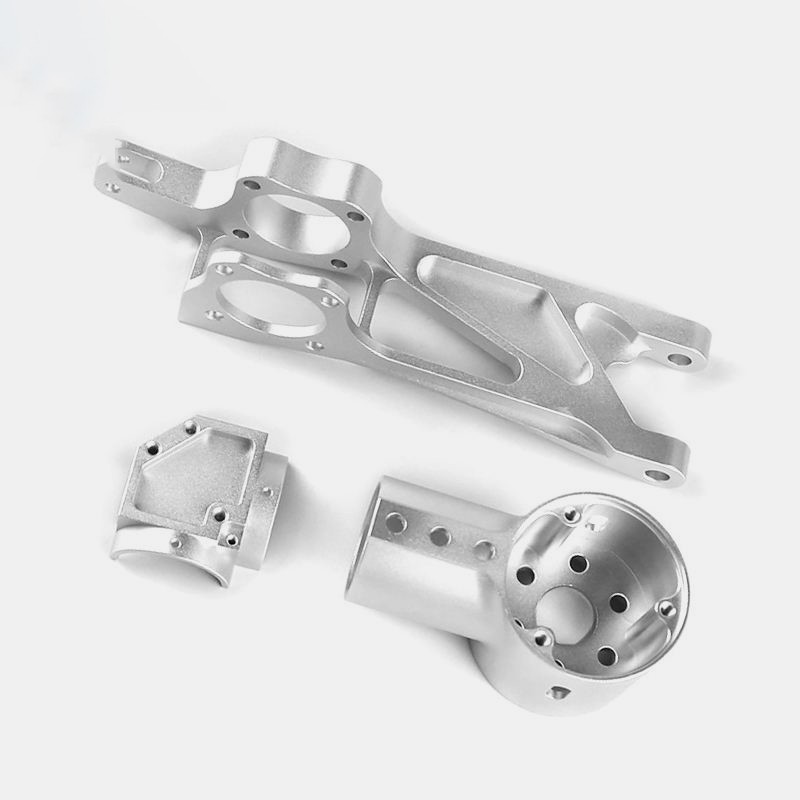
Absolutely. A surface that is too rough can cause excessive wear, friction, and fluid leakage. A surface that is smoother than specified can be unnecessarily expensive to produce and may not retain lubricant properly. Quantifying roughness (Ra value) ensures the part will function as designed.
Q5: Does GreatLight Metal handle all this analysis in-house?
Yes, this is a core part of our integrated service. We operate a fully equipped metrology laboratory within our facility. This allows for rapid turnaround on analysis, immediate feedback to our machining teams, and seamless communication with our clients, ensuring full transparency and control over the quality of every element produced.



















