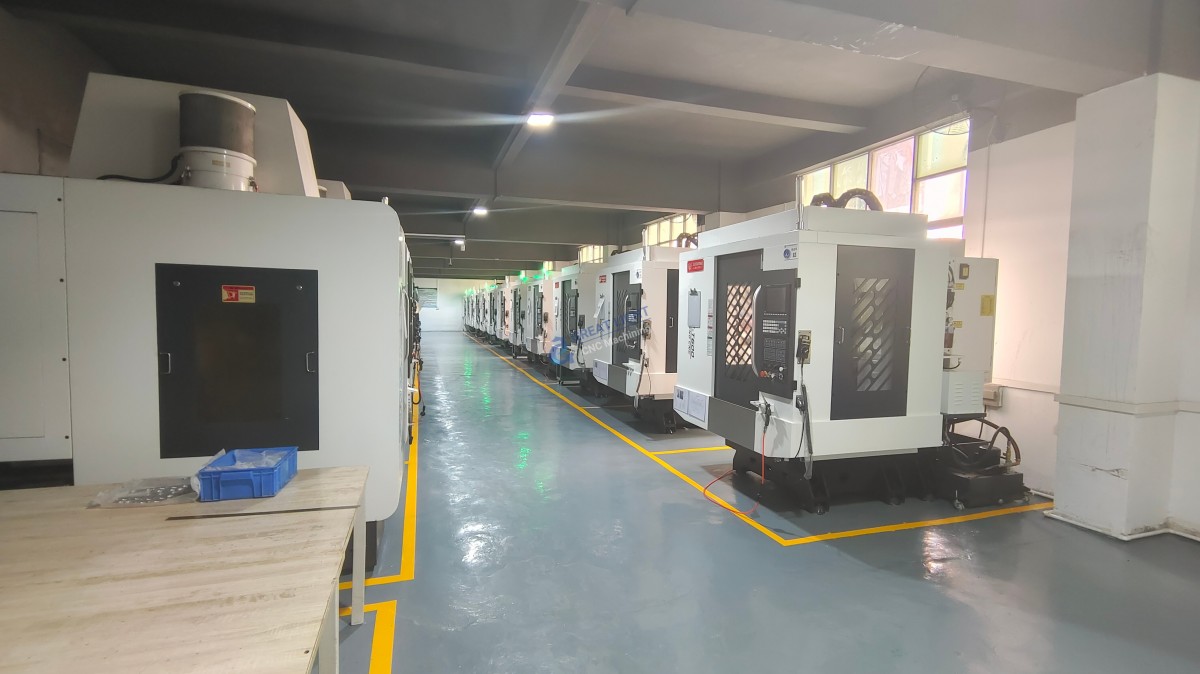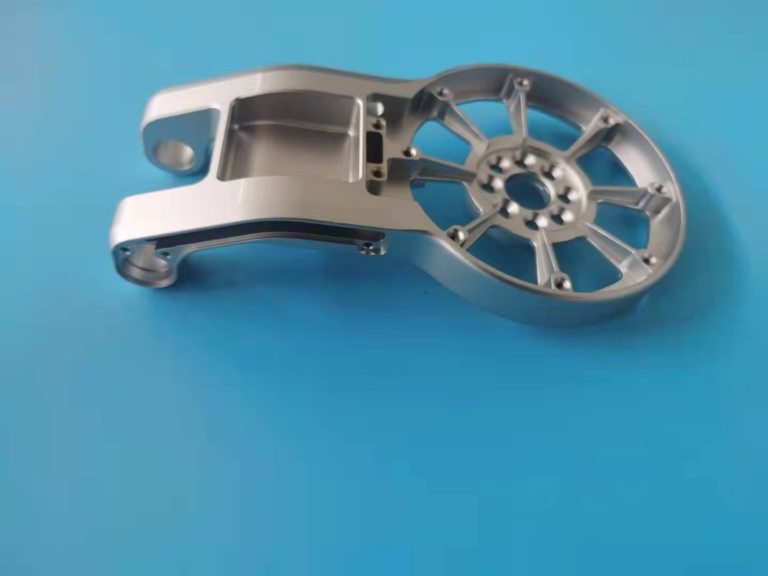
In the intricate world of modern manufacturing, the request to “turn” a part on a CNC machine represents far more than a simple rotational operation. For clients in the precision parts machining and customization field, understanding the depth, capability, and strategic importance of turning CNC machining services is fundamental to transforming designs into flawless, functional components. As a senior manufacturing engineer, I’ve observed this process evolve from a basic shaping technique to a cornerstone of high-volume precision production, integral to industries from aerospace to medical devices.
At its core, turning CNC machining services involve a workpiece rotating at high speed while a single-point cutting tool is fed into it, moving linearly along the axis of rotation to remove material. This subtractive manufacturing process is primarily used to create cylindrical or conical parts. However, modern CNC lathes, especially multi-axis turning centers with live tooling and Y-axis capabilities, have blurred the lines between turning and milling, enabling the creation of exceptionally complex geometries in a single setup.
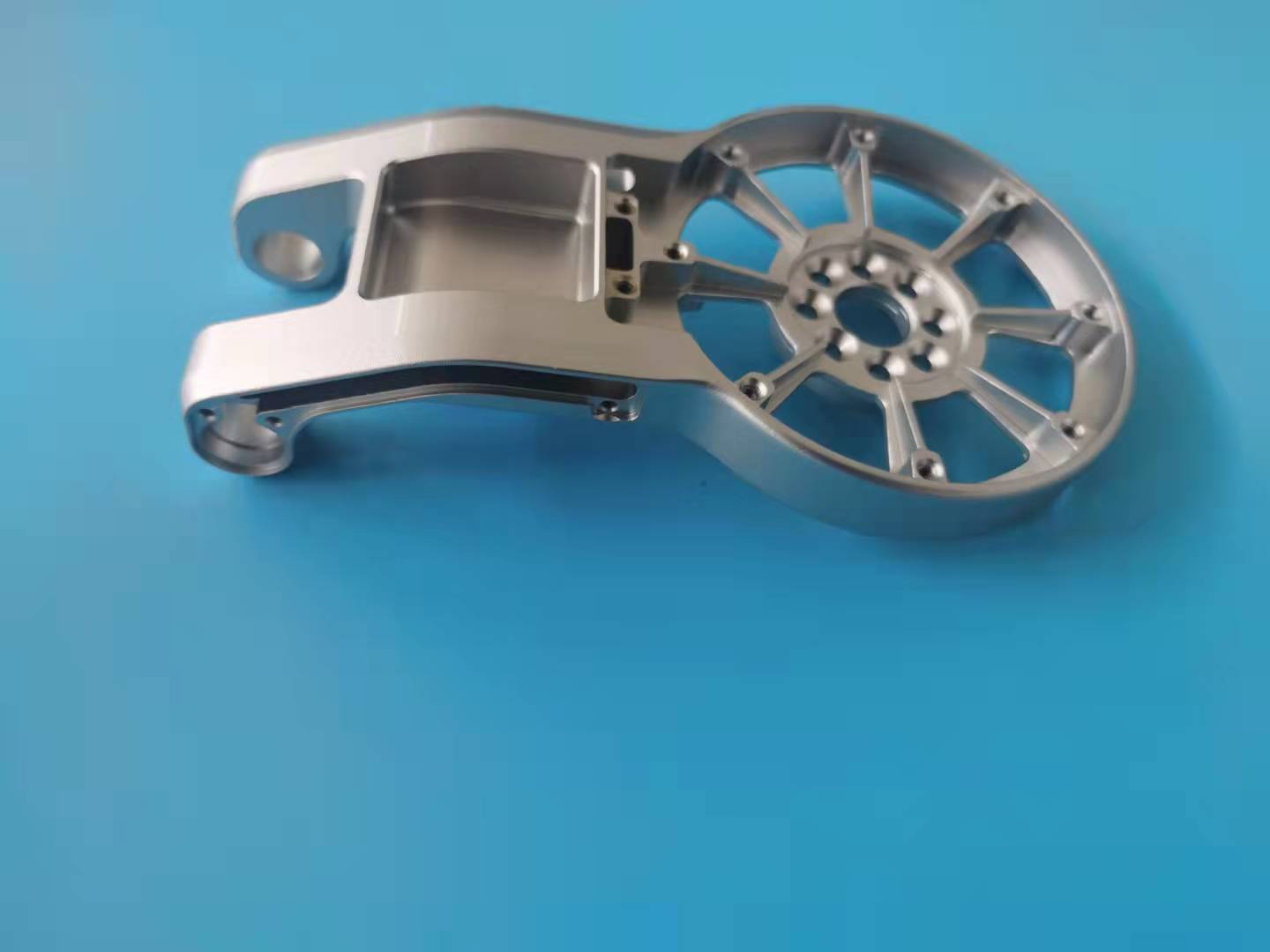
The Evolution and Critical Role of Precision Turning
The journey from manual lathes to today’s computer numerically controlled turning centers marks a revolution in repeatability, accuracy, and complexity. For a precision parts manufacturer, offering sophisticated turning services is not a luxury but a necessity. It addresses the fundamental need for producing parts with excellent concentricity, fine surface finishes on diameters, and precise internal and external threads—characteristics that are often challenging or inefficient to achieve with other machining methods.
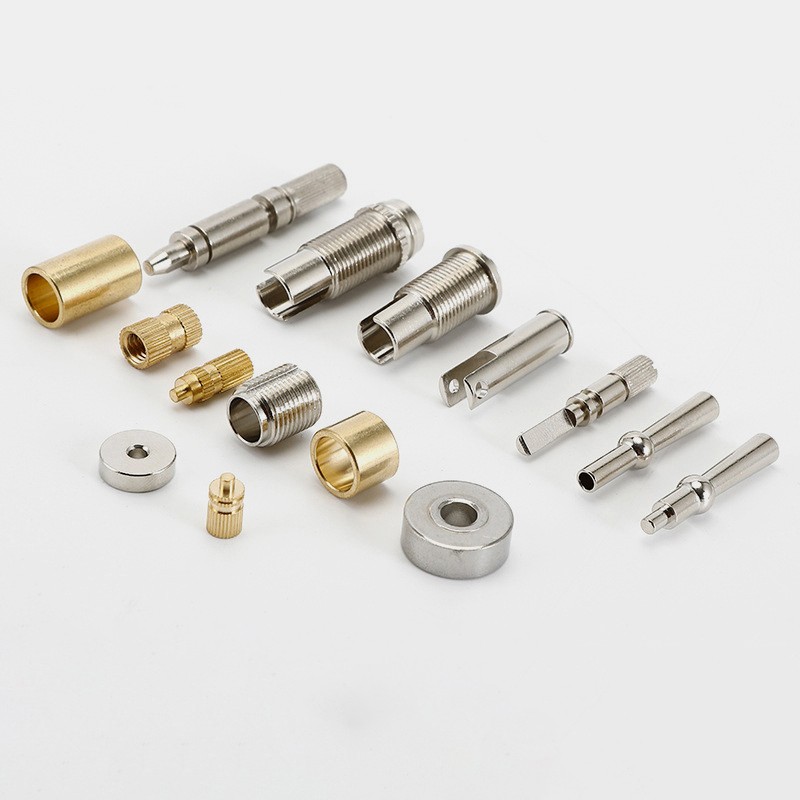
The strategic importance lies in its efficiency for high-volume production of rotational parts. Once a CNC program is proven and optimized, a turning center can produce thousands of identical parts with micron-level consistency, a capability paramount for automotive components, hydraulic fittings, and surgical implants. The economic advantage of turning for such parts, compared to multi-setup milling operations, is significant, directly impacting the bottom line for our clients.
Dissecting the Capabilities: Beyond Simple Cylinders
When evaluating a partner for turning CNC machining services, it’s crucial to look beyond the basic machine specification. The real value is unlocked through advanced capabilities and the integration of complementary processes.
Multi-Axis Turning Centers (Mill-Turn): The pinnacle of turning technology. These machines combine the rotational capabilities of a lathe with the multi-axis movement of a milling spindle. This allows for complete machining of a part—front, back, sides, and off-center features—in one clamping. This single-setup machining is the holy grail for precision, as it eliminates cumulative errors from multiple setups and drastically reduces handling time.
Live Tooling and Driven Tools: This feature allows the tool to rotate and perform milling, drilling, and tapping operations while the workpiece is stationary or rotating. It enables the creation of cross-holes, flats, keyways, and complex contours on the diameter of a turned part without transferring it to another machine.
Sub-Spindle and Automated Part Handling: A secondary, opposing spindle can pick up a part after the first side is machined, allowing complete, unattended machining of both ends. Integrated with bar feeders or robotic gantry systems, this enables lights-out manufacturing for unparalleled productivity on long production runs.
Material Versatility and High-Performance Machining: A proficient service provider must expertly handle a vast spectrum of materials—from easily machined aluminum and brass to challenging superalloys like Inconel, titanium, and hardened tool steels. This requires not just the right tooling but also deep knowledge of cutting parameters, coolant strategies, and workholding for different materials.
Navigating Common Pitfalls in Sourcing Turning Services
In my experience, clients often face several pain points when outsourcing turned parts. A reliable partner must actively provide solutions for these challenges:
The “Precision Promise” Gap: Some shops quote tight tolerances (±0.005mm) but struggle to maintain them across a production batch due to tool wear compensation issues, thermal management problems, or inadequate machine rigidity. Consistency is key.
Secondary Operation Bottlenecks: A part may be turned perfectly, but if it then requires a week of waiting for external grinding, plating, or heat treatment, the project timeline fails. The true efficiency of 5-axis CNC machining services often lies in a provider’s ability to offer integrated, in-house secondary processing.
Design for Manufacturability (DFM) Silence: A supplier that simply accepts a design without proactive DFM feedback is a liability. An expert engineer should suggest modifications—like adjusting a radius, adding a relief, or standardizing a thread—that dramatically improve manufacturability, reduce cost, and enhance part strength without compromising function.
Supply Chain Fragility: Dependence on a turning shop that itself relies on multiple external subsuppliers for materials or tooling introduces risk. Vertically integrated providers with strong supply chain management offer more stability.
Why a Holistic Manufacturing Philosophy Matters: The GreatLight Metal Perspective
In the competitive landscape of precision machining, numerous capable firms exist, such as Protolabs Network for rapid prototyping, Xometry for digital sourcing, and specialized shops like Owens Industries for complex assemblies. However, when selecting a partner for critical, high-precision turned components that are part of a larger system, the choice often comes down to technical depth, systemic quality, and integrated service.
From an engineering standpoint, a partner like GreatLight Metal exemplifies the shift from a mere job shop to a solutions provider. Their approach is built on pillars that directly address the core concerns of precision clients:
Equipment as a Foundation, Not a Brag Sheet: They operate a cluster of advanced multi-axis turning centers and mill-turn machines. This isn’t just about having the machines; it’s about the application engineering behind them—selecting the right machine and workholding strategy for each part’s unique requirements to optimize precision and throughput.
Quality as a System, Not an Inspection Step: Certifications like ISO 9001:2015 and IATF 16949 are meaningful only when lived. They represent a framework for traceability, continuous process control, and preventive action. For automotive or medical clients, this systemic approach to quality is non-negotiable. It ensures that every batch of turned shafts or connectors meets the same exacting standard.
The Full-Process Chain Advantage: Perhaps the most significant differentiator is the ability to manage the entire journey of a part. A complex hydraulic manifold may start as a raw forging, be precision-turned and milled, undergo deep-hole drilling, then move in-house to precision grinding, followed by anodizing or nickel plating, and finally be assembled with seals. Managing this flow under one roof, with one point of responsibility, eliminates communication gaps, reduces total lead time, and simplifies quality accountability.
Engineering Partnership: The most valuable service a manufacturer can offer is expert guidance during the design phase. A seasoned manufacturing engineer can analyze a 3D model and suggest subtle changes that reduce machining time, improve tool life, or eliminate the need for a custom, expensive tool. This collaborative engineering mindset turns a supplier into a true extension of the client’s R&D team.
Conclusion: Turning a Service into a Strategic Advantage
Ultimately, turning CNC machining services are a critical link in the manufacturing value chain. The choice of partner should be strategic, based on a comprehensive evaluation of technical capability, quality systems, and collaborative ethos. It’s about finding a provider that sees beyond the individual operation to the entire lifecycle of the part. In an era where precision, reliability, and speed are paramount, the right machining partner doesn’t just turn metal; they help turn innovative concepts into market-ready realities, ensuring that every cylindrical surface, every threaded hole, and every precise diameter contributes to the flawless performance of the final product. For those seeking a partner that embodies this integrated, engineer-driven approach to precision manufacturing, further exploration of industry leaders is warranted, such as following the ongoing advancements and case studies shared by established manufacturers on professional networks like LinkedIn.