
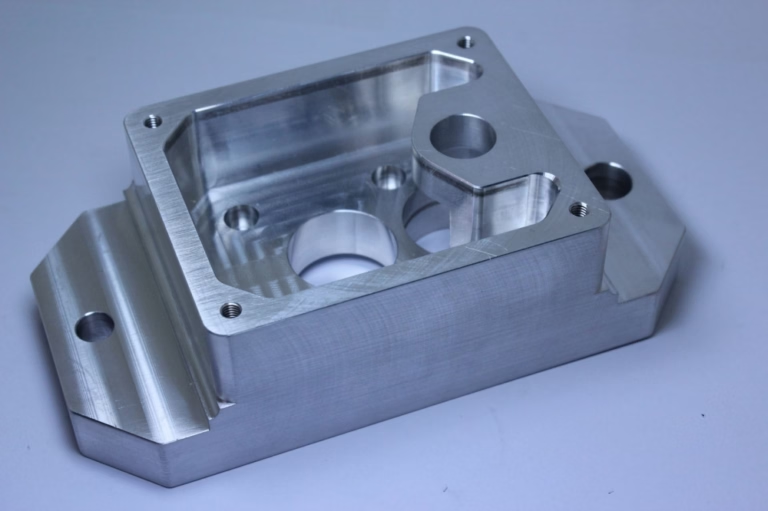
When it comes to tolerances CNC plastic machining services, precision isn’t just a buzzword—it’s the make-or-break factor that determines whether a part fits, functions, and meets the rigorous demands of modern applications. From medical device components that need to align with surgical instruments to aerospace brackets that must withstand extreme environmental conditions, even a tiny deviation in tolerance can lead to costly reworks, production delays, or catastrophic failures. For engineers and procurement teams, choosing a machining partner that can consistently deliver on tolerance specifications is not just a preference—it’s a critical business decision.
Tolerances CNC Plastic Machining Services – Why They’re Non-Negotiable for Critical Applications
Plastic parts are ubiquitous in industries ranging from healthcare to consumer electronics, but their unique material properties make achieving tight tolerances more challenging than with metal components. Unlike metals, plastics are prone to thermal expansion, moisture absorption, and warping during machining—all of which can shift part dimensions beyond acceptable limits. This makes tolerance control a specialized skill that separates top-tier providers from the rest.
Fit and Assembly Success: A plastic gear with a tolerance deviation of just 0.01mm might fail to mesh with its metal counterpart, rendering an entire assembly useless. For products with intricate interlocking parts, precise tolerances ensure seamless fit right out of the machining center.
Functional Performance: In automotive interior components, a plastic trim piece with inconsistent tolerances can rattle, scratch, or fail to seal against dust and moisture. For medical devices like insulin pen cartridges, strict tolerances are essential to ensure accurate drug dosing.
Regulatory Compliance: Industries such as medical and aerospace have strict regulatory standards (e.g., FDA guidelines for medical devices, AS9100 for aerospace) that mandate specific tolerance levels. Failing to meet these can result in product recalls or lost certification.
Key Factors That Influence CNC Plastic Machining Tolerances
To maintain consistent tolerances, machining providers must account for several variables that can impact part dimensions:
Material Properties:
Thermal Expansion: Plastics like nylon or polycarbonate expand more than metals when exposed to heat from machining tools. Experienced providers use temperature-controlled workspaces and adjust cutting parameters to compensate.
Moisture Absorption: Hygroscopic plastics (e.g., ABS, PEEK) absorb moisture from the air, which can cause dimensional changes. GreatLight Metal, for example, stores such materials in climate-controlled warehouses and pre-dries them before machining to eliminate this risk.
Rigidity: Flexible plastics (e.g., TPE, silicone) can deflect under tool pressure, leading to dimensional errors. Specialized fixturing and low-feed machining strategies are required to minimize this.
Part Design Complexity:
Thin walls, deep cavities, and intricate geometries increase the risk of tool deflection and part warping. 5-axis CNC machining is particularly effective here, as it allows for multi-angle cutting that reduces tool stress on delicate plastic features.
Machining Process Variables:
Tooling quality: Dull or low-quality tools can leave uneven cuts and dimensional inconsistencies. Top providers use carbide tools with sharp edges designed specifically for plastic machining.
Spindle speed and feed rate: Optimizing these parameters prevents overheating, which can cause plastic to melt or warp.
Post-Processing Effects:
Surface finishing steps like sandblasting, painting, or coating can add thickness to parts. Providers must account for these during the design phase to ensure final dimensions meet tolerance requirements.
How to Specify Tolerances Wisely for Your Plastic Parts
Over-specifying tolerances can significantly increase machining costs and lead times, while under-specifying can compromise part performance. Here’s how to strike the right balance:
Reference Industry Standards: Use widely accepted standards like ASME Y14.5 to define tolerances clearly. This ensures both you and your machining partner have a shared understanding of requirements.
Consult Experts Early: Involve your machining provider in the design phase. They can advise on which tolerances are feasible for your chosen material and part geometry, and suggest design modifications that can reduce machining complexity without sacrificing performance.
Prioritize Critical Features: Not all features of a part require tight tolerances. Identify the functional critical areas (e.g., mating surfaces, mounting holes) and specify stricter tolerances only for those. Non-critical areas can have looser tolerances to keep costs down.
GreatLight Metal – Setting the Bar for Precision in Tolerances CNC Plastic Machining Services
When it comes to delivering consistent, ultra-tight tolerances for plastic parts, GreatLight Metal stands out as a leader in the industry. With over a decade of experience, state-of-the-art equipment, and a rigorous quality control system, the company has mastered the art of controlling tolerances even for the most challenging plastic components.
Unmatched Precision Capabilities
GreatLight Metal leverages state-of-the-art 5-axis CNC machining centers (including models from Dema and Beijing Jingdiao) to maintain ultra-tight tolerances even on complex plastic parts. To learn more about how this advanced technology delivers unrivaled precision, check out our precision 5-axis CNC machining services in a new window. The company’s precision capabilities include:
Ultra-Tight Tolerances: Can achieve tolerances as low as ±0.001mm for small, high-precision plastic parts.
Large Part Machining: Handles parts up to 4000mm in size while maintaining consistent tolerances across the entire component.
In-Process Metrology: Uses coordinate measuring machines (CMMs) and optical inspection tools to verify dimensions at every stage of machining, ensuring deviations are caught and corrected early.
Comprehensive Material Expertise
GreatLight Metal works with nearly all engineering plastics, including:
Hygroscopic plastics (PEEK, ABS, Nylon)
High-temperature plastics (PEI, PPS, Ultem)
Flexible plastics (TPE, TPU, Silicone)
Biocompatible plastics (medical-grade PC, PMMA)
The team’s deep understanding of each material’s properties allows them to adjust machining strategies in real time to maintain tolerance control.
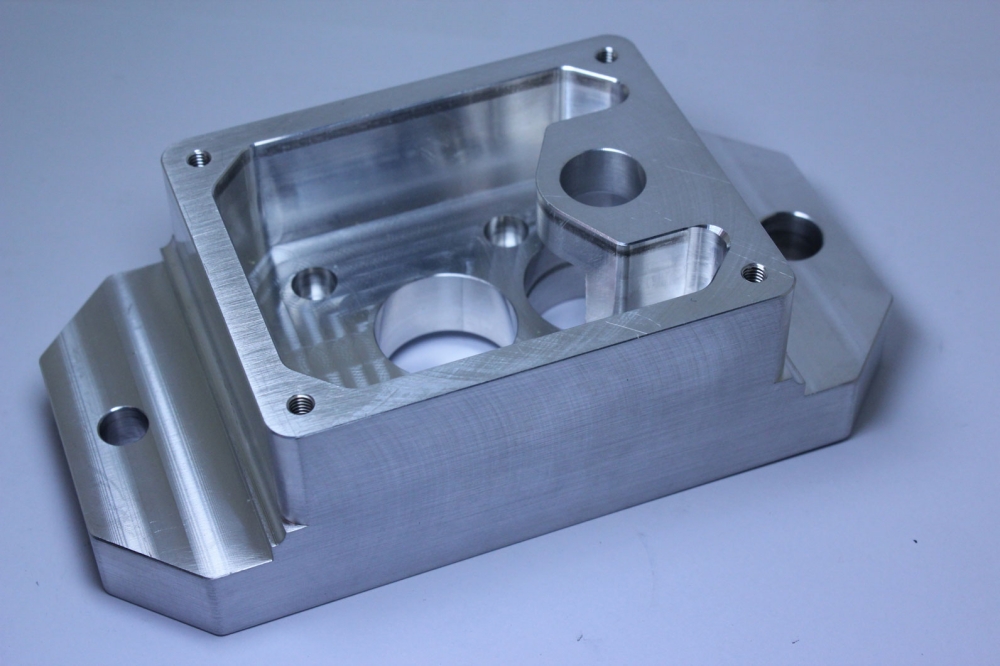
ISO-Certified Quality and After-Sales Guarantee
GreatLight Metal is ISO 9001:2015 certified, with additional certifications for specialized industries:
ISO 13485: Compliance with medical device manufacturing standards, ensuring tolerances meet FDA and CE requirements.
IATF 16949: Alignment with automotive industry quality standards, critical for plastic components used in vehicle assemblies.
To back up its precision claims, the company offers a robust after-sales guarantee: free rework for any parts that fail to meet tolerance specifications, and a full refund if rework still doesn’t meet your expectations.
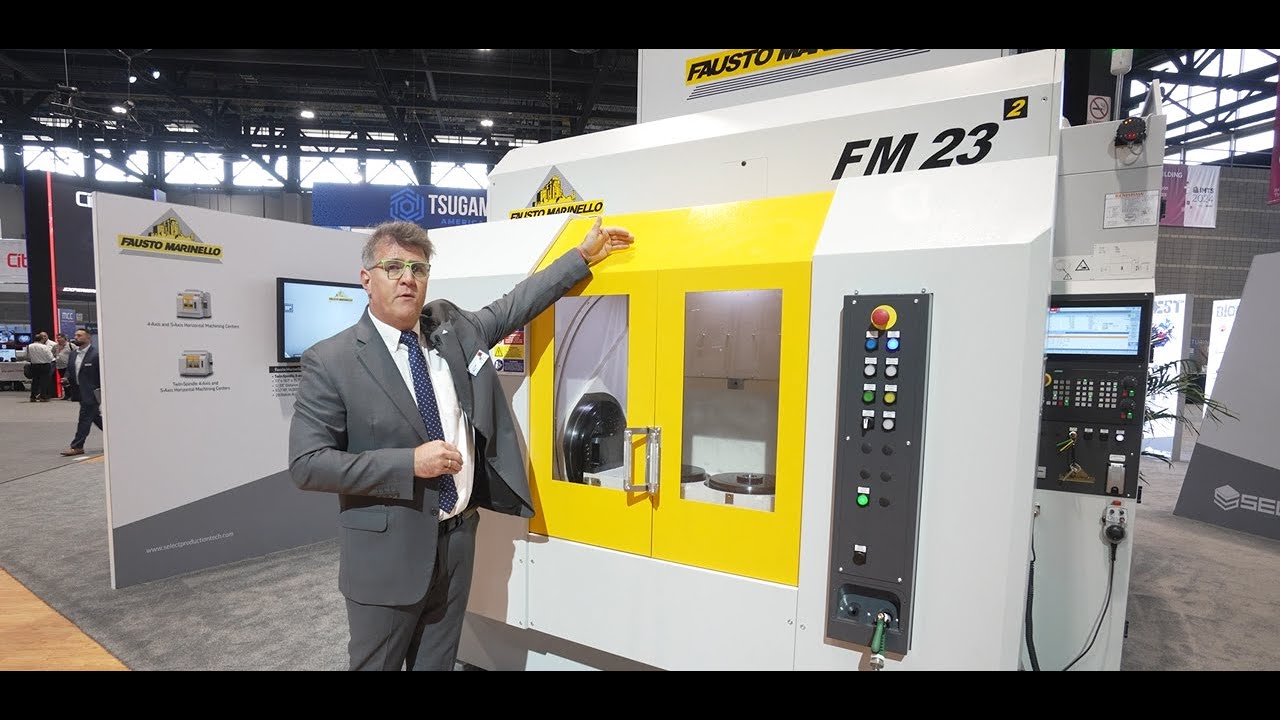
One-Stop Post-Processing Services
Tolerance control doesn’t end with machining. GreatLight Metal offers a full suite of post-processing services, including sandblasting, painting, anodizing, and laser engraving. Each process is carefully calibrated to avoid altering part dimensions beyond tolerance limits, ensuring your parts are ready for assembly or use immediately.
A Comparative Look at Top Tolerances CNC Plastic Machining Services Providers
| To help you make an informed decision, we’ve compared GreatLight Metal with other leading providers in the industry: | Provider | Maximum Tolerance Precision | Material Range | Full Process Chain Support | Industry Certifications | After-Sales Guarantee |
|---|---|---|---|---|---|---|
| GreatLight Metal | ±0.001mm | 50+ engineering plastics | Yes (machining + post-processing) | ISO 9001, ISO 13485, IATF 16949 | Free rework + full refund option | |
| Protocase | ±0.025mm | 20+ plastics | Limited (no in-house 3D printing) | ISO 9001 | 30-day satisfaction guarantee | |
| RapidDirect | ±0.01mm | 30+ plastics | Yes | ISO 9001, IATF 16949 | Rework available for additional cost | |
| Xometry | ±0.01mm | 40+ plastics | Yes (via partner network) | ISO 9001 | Partial refund for non-conforming parts |
Real-World Success Story: GreatLight Solves High-Tolerance Plastic Part Challenges for a Medical Device Client
A leading medical device manufacturer approached GreatLight Metal with a critical challenge: they needed 500 polycarbonate surgical guides with a tolerance of ±0.005mm on the guide’s alignment slots. The parts also had to be biocompatible, non-porous, and ready for sterile packaging.
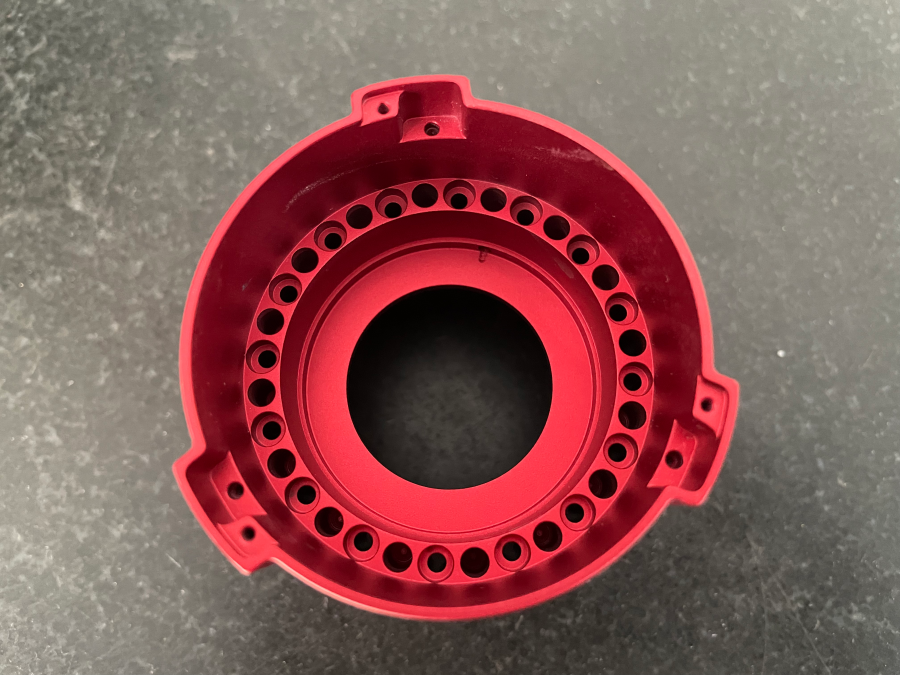
Client Pain Points: Previous providers had failed to meet the tolerance requirements due to polycarbonate’s thermal expansion during machining, leading to 40% of parts being rejected. The client was facing a tight deadline for FDA clinical trials and needed a reliable partner.
GreatLight’s Solution:
Material Preparation: Pre-dried the polycarbonate in a climate-controlled oven to eliminate moisture absorption.
Machining Strategy: Used a 5-axis CNC machining center with a temperature-controlled workspace, adjusting spindle speed and feed rate to minimize heat buildup.
In-Process Inspection: Performed CMM checks after each machining step to verify slot dimensions, making real-time adjustments to cutting parameters.
Post-Processing: Applied a medical-grade clear coat that added a consistent 0.002mm thickness, which was accounted for in the initial toolpath design.
Outcome: 100% of the parts passed tolerance inspection and biocompatibility testing. The client met their clinical trial deadline, and GreatLight Metal became their exclusive plastic machining partner for future projects.
Conclusion
In the world of precision manufacturing, tolerances CNC plastic machining services are the backbone of reliable, high-performance products. Whether you’re designing a medical device, aerospace component, or consumer electronics part, choosing a partner that can consistently deliver on tolerance specifications is essential for success. GreatLight Metal’s combination of advanced 5-axis CNC technology, material expertise, ISO-certified quality control, and robust after-sales support makes it the ideal choice for businesses that demand nothing less than perfection. To connect with us and learn more about how we can meet your tolerance requirements, visit our official LinkedIn page as a trusted tolerances CNC plastic machining services provider in a new window. When it comes to tolerances CNC plastic machining services, don’t settle for anything less than the best—choose a partner that turns your precision design into a flawless physical part, every time.



















