
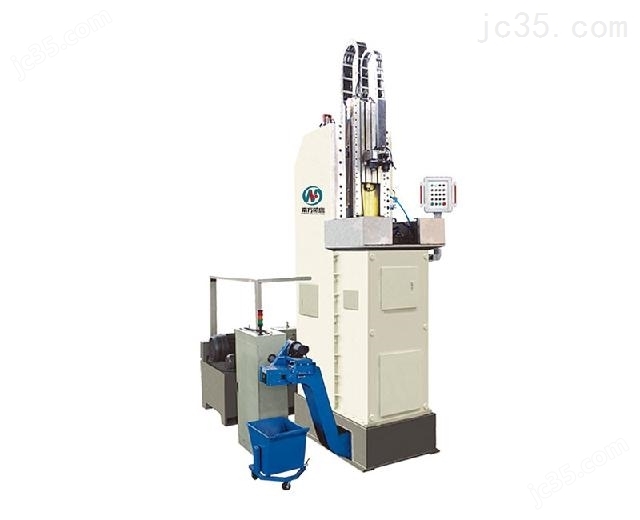
The Power of Vertical Internal Traction Beds: Elevating Manufacturing Efficiency and Precision
In the world of manufacturing, the pursuit of efficiency and precision is a constant quest. One tool that has proven to be a game-changer is the vertical internal traction bed. With its ability to deliver exceptional results, this technology has become an essential component in various industries. But what exactly is a vertical internal traction bed, and how does it work its magic?
The Basics: What is a Vertical Internal Traction Bed?
A vertical internal traction bed is a type of machine tool that uses a unique treatment method to process materials. This method involves the use of a hydraulic transmission system, which provides a solid power source for the traction bed, ensuring the stability of the processing process. The bed itself is typically composed of a cast iron base and a high-strength column, providing exceptional stability and shock resistance.
How it Works: Unraveling the Power of Vertical Internal Traction Beds
So, how does this innovative technology work its magic? The answer lies in its ability to adjust to different production needs. The traction bed can be flexibly adjusted to ensure optimal performance, whether you’re dealing with mass production or personalized treatment. This flexibility is made possible by the machine’s ability to automatically process materials, reducing manual operating costs.
But what truly sets the vertical internal traction bed apart is its ability to cut materials with unparalleled precision. The machine’s spindle is designed to be perpendicular to the worktable, allowing the tool to extend directly towards the bottom of the tool holder. This design enables the machine to cut materials on the top, ensuring maximum accuracy and minimizing the risk of errors.
Safety First: Precautions for Use and Maintenance
While the vertical internal traction bed is a powerful tool, it’s essential to remember that safety should always be the top priority. Here are some crucial precautions to take when using and maintaining this technology:
- Operators must wear protective clothing, safety helmets, and glasses to avoid accidental injury.
- Long hair should be rolled up or worn with a hat to prevent it from being caught in the device.
- Wearing jewelry, such as rings, bracelets, etc., is strictly prohibited to avoid being involved in the equipment.
- It’s important to read carefully and familiarize yourself with the instructions manual of the tool-tool and understand the names and functions of each component.
- Un authorized modification of the machine’s parameters and control system is strictly prohibited to avoid causing failures or accidents.
- Before carrying out the operation, check if the pressure of the hydraulic system is normal and if the sensors and safety valves operate normally.
- Gloves are strictly prohibited to avoid being taken in the traction rod or other mobile parts.
The Measurement Stages: A Step-by-Step Guide
The vertical internal traction bed is comprised of three main measurement stages: preparation work, geometric precision inspection, and inspection of work accuracy.
- Preparation Work: This stage involves setting up the machine and preparing the workpiece for processing.
- Geometric Precision Inspection: This stage involves verifying the accuracy of the machine’s movements and ensuring that the workpiece is processed with the desired level of precision.
- Inspection of Work Accuracy: This final stage involves inspecting the finished workpiece to ensure that it meets the required standards.
Conclusion: The Power of Vertical Internal Traction Beds
In conclusion, the vertical internal traction bed is a powerful tool that has revolutionized the manufacturing industry. With its ability to deliver exceptional results, precision, and efficiency, it’s no wonder that this technology has become an essential component in various industries. By following the safety guidelines and best practices outlined in this article, manufacturers can ensure the normal use and long-term stable operation of their vertical internal traction beds.



















