
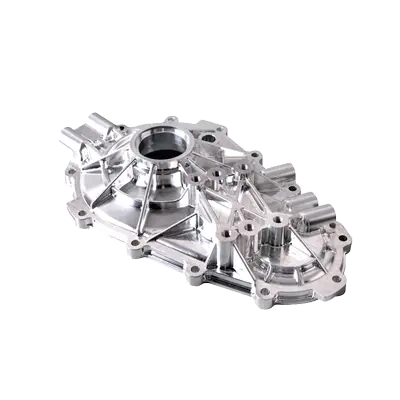
The Art of CNC Machining: Unlocking Precision and Complexity
In today’s manufacturing landscape, the art of computer numerical control (CNC) machining has revolutionized the way we create complex parts and products. This precise and innovative technique has enabled the production of intricate designs, high-performance components, and intricate details that were previously impractical or impossible to achieve through traditional machining methods. In this blog post, we will delve into the world of CNC machining, exploring the finer details of the process, its benefits, and the ways it is transforming the manufacturing industry.
What is CNC Machining?
CNC machining is a process that uses computer-controlled machines to fabricate parts from raw materials such as metal, plastic, or wood. The machine, also known as a CNC machine, is guided by a computer-aided design (CAD) file or program that contains the exact instructions for creating the desired part. The machine’s computer controls the movement of cutting tools, such as drill bits, milling cutters, or lathes, to precisely cut, drill, or shape the material to the specified design.
The Process: A Step-by-Step Guide
- Design: The design process begins with the creation of a CAD file or program that outlines the part’s specifications, including its dimensions, tolerances, and features. The designer uses specialized software to create a 2D or 3D model, which is then outputted as a G-code or NC program.
- Tool Preparation: The CNC machine is prepared for production by setting up the cutting tools, which can include drills, milling cutters, or lathes, depending on the type of operation. The machine is also calibrated to ensure accurate movement and precision.
- Cutting and Machining: The CNC machine is activated, and the cutting tools begin to move along the predetermined path, cutting, drilling, or shaping the material to the exact specifications outlined in the CAD file.
- Inspection and Quality Control: Once the machining process is complete, the part is inspected for accuracy, surface finish, and integrity. Any defects or irregularities are addressed through rework or re-machining.
- Finishing Touches: The final step involves any additional finishing processes, such as deburring, polishing, or surface treatment, to achieve the desired aesthetic or functional characteristics.
Benefits of CNC Machining
- Precision: CNC machining offers unparalleled precision, with tolerances as tight as ± 0.001 mm, ensuring that parts meet the highest standards of accuracy and quality.
- Speed and Efficiency: CNC machines can operate 24/7, with minimal human intervention, reducing production times and increasing output.
- Cost-Effectiveness: CNC machining can reduce material waste, minimize the need for rework, and increase productivity, resulting in cost savings and a competitive edge.
- Complexity: CNC machining can produce parts with intricate details, complex geometries, and precise features that were previously impossible to achieve through traditional machining methods.
- Customization: CNC machining enables the production of custom parts in small to medium quantities, making it an ideal solution for industries with demanding specifications or unique requirements.
Applications of CNC Machining
- Aerospace: CNC machining plays a vital role in the production of aircraft parts, spacecraft components, and satellite systems.
- Automotive: The automotive industry relies heavily on CNC machining for the production of engine components, suspension systems, and interior parts.
- Medical Devices: CNC machining is used in the manufacture of medical devices, such as implants, surgical instruments, and diagnostic equipment.
- Industrial Equipment: CNC machining is employed in the production of industrial equipment, including pumps, valves, and machinery components.
- Agricultural: CNC machining is used in the production of agricultural equipment, such as tractors, planting and harvesting machinery, and precision irrigation systems.
Conclusion
CNC machining is an indispensable technology in the manufacturing landscape, offering unparalleled precision, speed, and efficiency. As industries continue to push the boundaries of innovation and complexity, the importance of CNC machining will only continue to grow. Whether producing high-performance components, intricate designs, or custom parts, CNC machining is the answer to the demands of modern manufacturing. In this blog, we have delved into the world of CNC machining, exploring its benefits, process, and applications. As the industry continues to evolve, one thing is certain – CNC machining will remain a cornerstone of precision manufacturing.



















