
The Fascinating World of Industrial Robotics: Understanding the Fundamentals and Design Principles
As technology continues to evolve, industries are witnessing a significant shift towards automation and robotics. Industrial robots are no longer just limited to manufacturing and processing; they are now being used in various sectors such as light industry and atomic energy. In this blog post, we will delve into the world of industrial robotics, exploring the features, principles, and design elements that make them so effective.
The Basics of Industrial Robotics
A robot is an automatic operating device that mimics certain movement functions of human hands and arms, allowing it to enter, transport objects, or operate tools according to predetermined procedures. The first industrial robot and modern robot, these machines are designed to perform tasks with precision, speed, and efficiency.
Process Requirements
When it comes to industrial robotics, there are specific process requirements that must be met. For instance:
- The X and Y axes must not move or swivel. This ensures that the robot’s movements are precise and controlled.
- When the servo activates the brake, the rigidity must be raised, and it should not fall even a little before returning. This ensures the robot’s stability and safety.
The Robot System: Understanding the Components
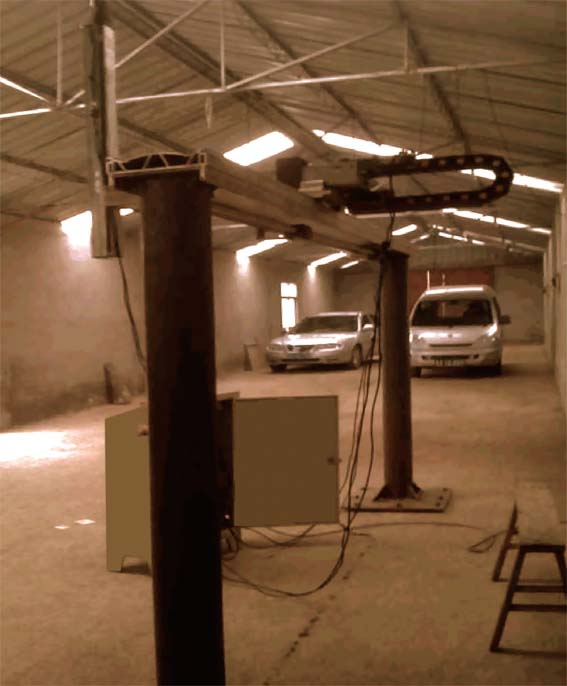
The robot system, as shown in Figure 1, consists of three sets of servo and servomotors, which control the X, Y, and Z axes separately. The Z-axis is positioned vertically.
System Work Principle: A Breakdown
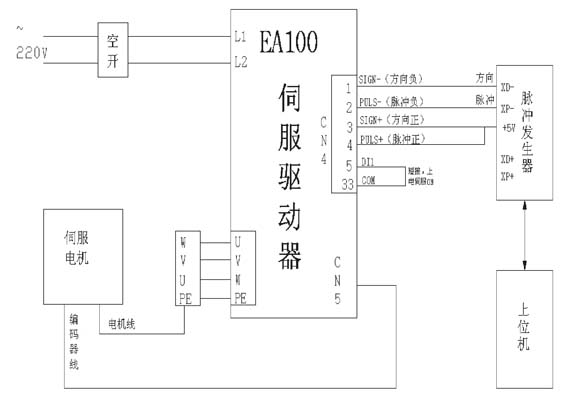
The servo drive operates in position mode, controlled by the pulse output of the pulse control card and the steering signal controls the engine steering. The principle of control of the Z-axis is similar to that of the X-axis.
Settings and Adjustments
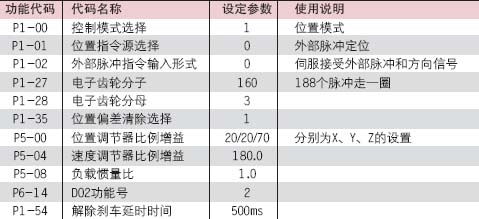
Fine-tuning and adjustments are crucial in industrial robotics to ensure optimal performance. By making adjustments, manufacturers can optimize the robot’s movements, ensuring precision and efficiency in a wide range of applications.
In conclusion, industrial robotics is a rapidly evolving field that offers significant benefits in terms of precision, speed, and efficiency. By understanding the fundamental principles and design elements of industrial robots, manufacturers can create machines that can revolutionize industries and transform the way we live and work. As technology continues to advance, we can expect to see even more innovative applications of industrial robotics in various sectors, from manufacturing to healthcare and beyond.



















