
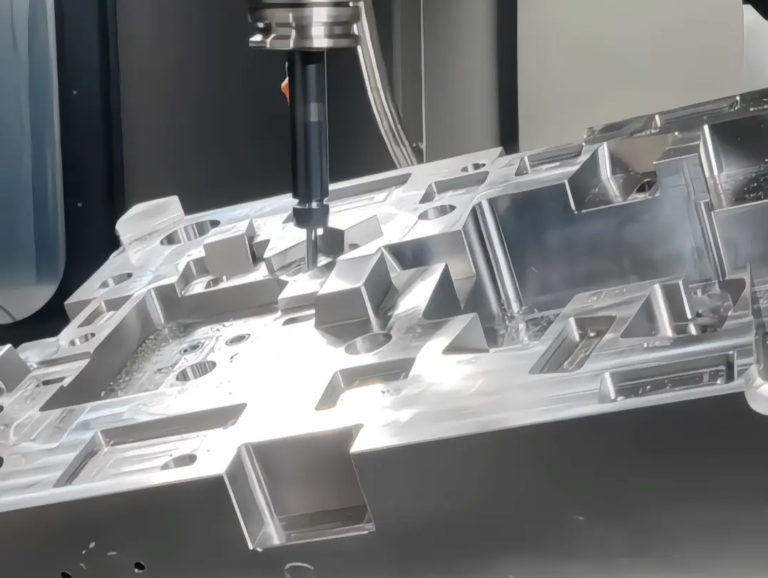
Safer Grinding Practices: A Comprehensive Guide to Minimizing Hazards and Ensuring Efficiency
As a professional in the field of grinding and cutting, it’s imperative to prioritize safety and maintain a high level of expertise to avoid accidents and ensure optimal results. At [Company Name], we believe that knowledge is power, and with the right guidance, anyone can master the art of grinding. In this comprehensive guide, we’ll dive into the intricacies of safe grinding practices, providing you with practical tips and expert advice to elevate your skills and guarantee a better work environment.
Hygiene and Personal Protective Equipment (PPE)
Before we dive into the nitty-gritty of grinding, it’s essential to emphasize the importance of personal hygiene and proper PPE. When working with grinding wheels, it’s crucial to maintain a clean and organized workspace, free from debris and potential tripping hazards. Wear protective gear, such as safety goggles, gloves, and a dust mask, to shield yourself from flying particles and chemicals.
Grinding Techniques and Safety Precautions
When grinding by hand, maintain a safe distance of at least 50 mm between your hand and the grinding wheel. Never hold the wheel too closely, as this can lead to accidents and injuries. When working with thrust stems, ensure the push rods and metal stems are securely fastened to prevent them from coming loose and causing harm.
When adjusting the grinding quantity, never compromise on quality by reducing the number of grinding parts to less than three. This can lead to uneven surfaces and subpar results. Instead, prioritize precision and patience to achieve the desired finish.
When correcting the grinding wheel, approach the process with caution. Use a gentle, controlled motion to avoid damaging the diamond drill, and remember to provide adequate cooling liquid to prevent overheating. Remember, haste makes waste, and patience is key in this process.
Machine Safety and Operating Principles
When using machinery, always follow established safety protocols to prevent accidents and ensure efficient operation. When the machine is in motion, never touch the grinding wheel, and always keep a safe distance from the machine’s operating zone.
When installing a spiral wheel, don a pair of gloves to protect your hands from accidental piercing or cut injuries. Ensure the inner bore of the spiral wheel is positioned correctly, and avoid grasping the outside of the wheel, as this can cause harm.
Preventing Accidents and Ensuring Efficiency
To prevent accidents, always inspect the equipment regularly for signs of wear and tear. Regular maintenance is crucial in ensuring the longevity of your machinery and reducing the risk of costly repairs.
When working with large materials, prioritize proper lifting techniques to avoid straining your back or other muscles. Remember, patience and persistence are key in this process, and rushing can lead to subpar results and potentially disastrous consequences.
Conclusion
Grinding is a precise and delicate process, requiring utmost care and attention to detail. By following the guidelines outlined in this comprehensive guide, you’ll be well-equipped to tackle even the most challenging projects with confidence and precision.
At [Company Name], we’re committed to providing you with the best possible resources and expert advice to help you master the art of grinding. Remember, safety is our top priority, and by working together, we can create a better, safer, and more efficient work environment for everyone.
Full Disclaimer:
The information provided in this blog post is for general guidance only and should not be taken as professional advice. It is essential to consult with a qualified professional in the field of grinding and cutting to ensure the safety and success of any project.



















