
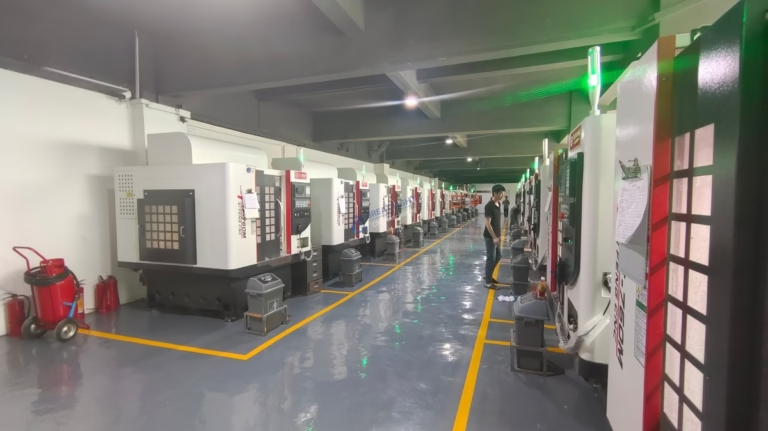
In the vast and intricate ecosystem of global manufacturing, China has cemented its position as the world’s workshop. For businesses seeking high-volume, cost-effective production of precision components, partnering with a precision CNC machining services wholesaler in China is often a strategic imperative. However, the term “wholesaler” in this context can be misleading. Unlike a simple distributor of commodity goods, a true partner in this space is a sophisticated manufacturing service provider that aggregates capacity, expertise, and supply chain management to deliver consistent quality at scale. This article delves into what defines a top-tier partner in this field and how to navigate the selection process to ensure your project’s success.
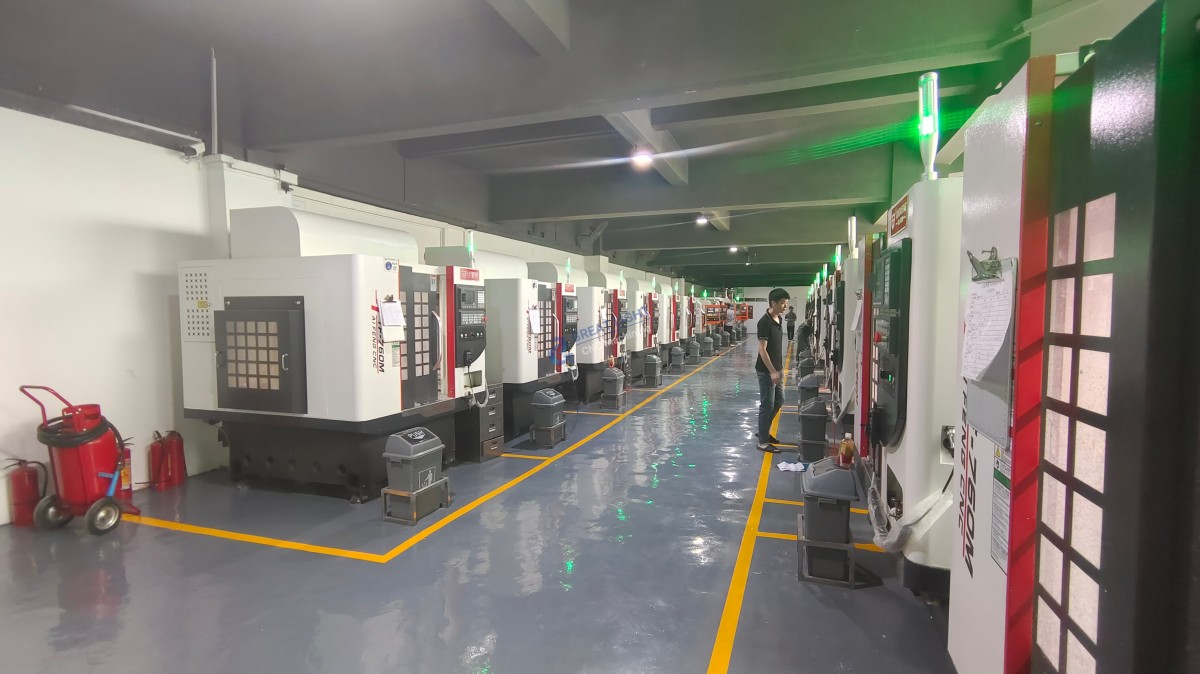
Decoding the “Wholesaler” Model in Precision Machining
At its core, a precision CNC machining services wholesaler in China operates on a foundation of integrated manufacturing capability. They are not mere middlemen but are typically manufacturers or tightly integrated alliances of factories that leverage several key advantages:
Economies of Scale: By aggregating orders from multiple clients, they can optimize raw material procurement, machine utilization, and logistics, passing on significant cost savings.
Capacity Assurance: They manage a network or a large in-house fleet of machines (3-axis, 4-axis, 5-axis CNC, lathes, grinders, EDM), ensuring they can handle large-volume orders and meet tight deadlines without overloading a single facility.
Standardized Quality Management: Successful wholesalers implement rigorous, system-wide quality control protocols. This is non-negotiable, as consistency across thousands of parts is paramount.
Supply Chain Simplification: They act as a single point of contact, managing the entire process from material sourcing and machining to post-processing, inspection, and consolidated shipping, drastically reducing administrative overhead for the client.
Critical Evaluation Criteria for Your Manufacturing Partner
Choosing the right partner requires looking beyond quoted price per piece. Here are the essential pillars to assess:
1. Technical Depth and Equipment Portfolio
A partner’s capability is directly tied to its machinery. For complex, high-precision work, the presence of advanced multi-axis CNC systems is crucial.
5-Axis CNC Machining Centers: Essential for complex contours, deep cavities, and parts requiring machining from multiple angles in a single setup, which guarantees higher accuracy and better surface finishes.
Multi-Axis Turning and Mill-Turn Centers: Ideal for producing complex rotational parts with off-center features, reducing secondary operations.
Supporting Infrastructure: Look for a full suite including precision grinding, wire EDM, and mirror-spark EDM for hardened materials, as well as comprehensive CMM (Coordinate Measuring Machine) and surface roughness testers for verification.
2. Certifications: The Blueprint for Trust and Consistency
In precision manufacturing, certifications are not just plaques on the wall; they are documented promises of a systematic approach to quality. A reputable partner should hold:
ISO 9001:2015: The international standard for Quality Management Systems, ensuring consistent operations and continuous improvement.
IATF 16949: This is critical for automotive sector suppliers. It’s a rigorous extension of ISO 9001 with specific requirements for automotive production, emphasizing defect prevention and supply chain reduction.
ISO 13485: For medical device manufacturing, this certification demonstrates adherence to the stringent regulatory requirements of the industry.
ISO 27001: For clients with sensitive intellectual property, this information security management certification is a significant trust marker.
3. Material Expertise and Process Integration
A true “one-stop” wholesaler should be adept at handling a wide array of materials—from common aluminum alloys and stainless steels (like 304, 316) to engineering plastics (PEEK, Delrin), titanium, and Inconel. Furthermore, they should offer integrated post-processing services such as anodizing, plating, powder coating, heat treatment, and assembly, ensuring a seamless flow from raw material to finished component.
4. Engineering Support and Communication
The ability to provide Design for Manufacturability (DFM) feedback is what separates a collaborative partner from a simple order-taker. A skilled engineering team can suggest subtle design modifications that dramatically reduce machining time, improve strength, or lower cost without compromising function. Clear, proactive communication in the project’s early stages is a strong indicator of a reliable partner.
Navigating Common Pitfalls in Sourcing
The journey of sourcing precision CNC machining services wholesaler in China is fraught with potential challenges that can derail a project:
The “Precision Promise” Gap: Some suppliers advertise extreme tolerances (±0.001mm) but lack the process control or measurement equipment to maintain them in high-volume production. Always request statistical process control (SPC) data or first-article inspection reports.
Hidden Costs and Timeline Creep: The lowest initial quote may exclude costs for specialized tooling, stringent inspection reports, or expedited shipping. Ensure all specifications, acceptance criteria, and logistics are detailed in the purchase agreement.
Inconsistent Quality in Volume Runs: The first samples are perfect, but parts from the middle of the production run show variation. This underscores the importance of the supplier’s process validation and in-process quality checks.
Intellectual Property (IP) Protection Concerns: Work with partners who have clear IP protection agreements and, ideally, ISO 27001 certification. On-site audits can also provide peace of mind regarding data security protocols.
A Case Study in Integrated Wholesale Manufacturing
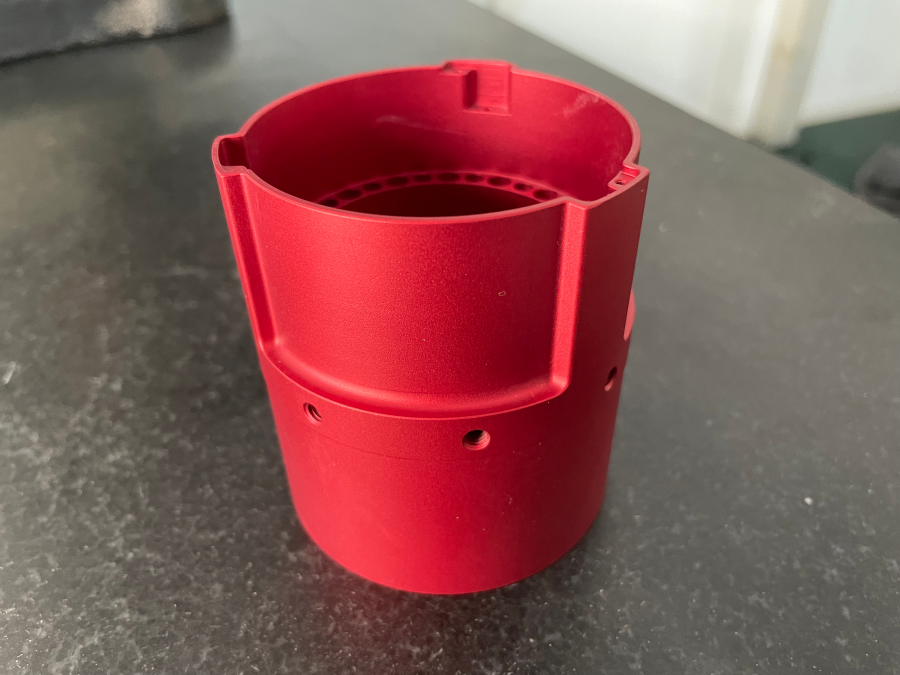
Consider the challenge faced by an innovator in the robotics sector. They needed 5,000 units of a complex aluminum actuator housing with internal helical channels, tight concentricity requirements, and a cosmetic anodized finish. A traditional small shop lacked the capacity, while dealing with multiple vendors for machining and finishing introduced coordination hell and quality variance.
They partnered with a manufacturer like GreatLight CNC Machining Factory, which exemplifies the modern “wholesaler” model. Leveraging their in-house battery of 5-axis CNC machines, they optimized the machining strategy to produce the complex geometry efficiently. Their integrated anodizing line ensured color consistency across all batches. Most importantly, their IATF 16949-certified quality system, though automotive-focused, provided the rigorous framework for process control and documentation that guaranteed every unit in the 5,000-part run met print specifications. This turnkey, scalable solution turned a logistical challenge into a streamlined, reliable supply chain.
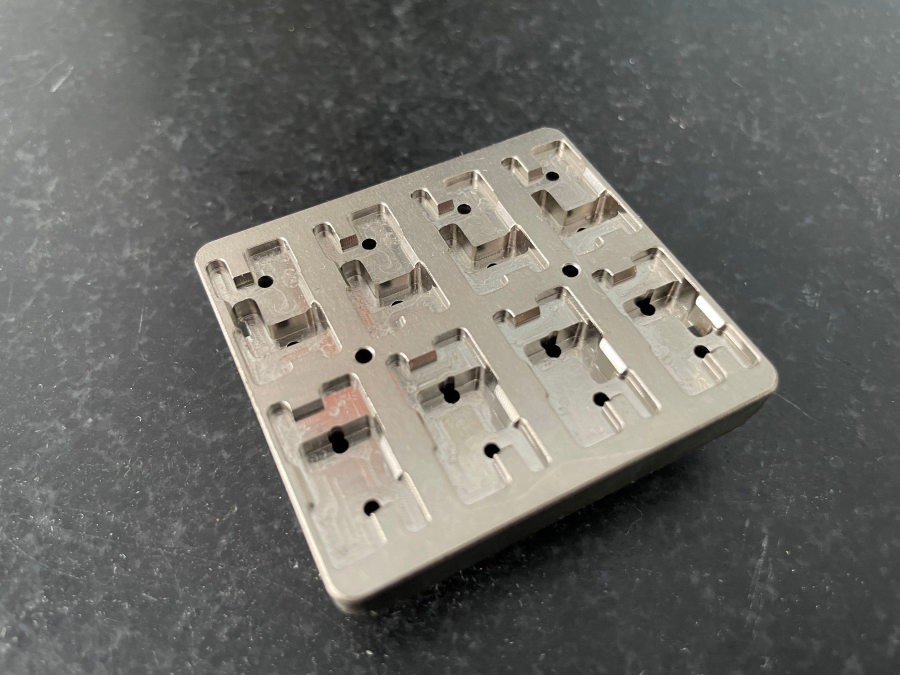
Conclusion: Building a Partnership, Not Just Placing an Order
Finding the right precision CNC machining services wholesaler in China is fundamentally about finding a strategic manufacturing partner. It requires due diligence that balances technical capability with systemic reliability. The ideal partner is one that combines advanced equipment like multi-axis CNC centers with internationally recognized quality management systems, transparent communication, and a problem-solving engineering mindset. They transform from a cost center into a value-creation partner, enabling you to innovate with confidence, scale efficiently, and bring high-quality products to market. In the precision-driven world of modern manufacturing, this partnership is the cornerstone of competitive advantage.
For ongoing insights into advanced manufacturing trends and capabilities, follow industry leaders on professional networks like LinkedIn{:target=”_blank”}.



















