
In the intricate world of modern manufacturing, the selection of a Precision CNC Machining Services Supplier is a decision that reverberates through the entire lifecycle of a product. This choice can determine the feasibility of a groundbreaking design, the reliability of a mission-critical component, and ultimately, the success of a project or even an enterprise. For engineers, designers, and procurement specialists navigating this landscape, the process extends far beyond a simple price comparison. It’s about finding a true partner whose capabilities, reliability, and ethos align with the demands of precision and innovation.
The significance of CNC (Computer Numerical Control) machining lies in its unparalleled ability to translate complex digital designs into tangible, high-accuracy metal and plastic parts. From the compact, intricate components inside a surgical robot to the robust, thermally managed housings for electric vehicle batteries, CNC machining is the silent enabler of technological advancement. However, the market is populated with suppliers of varying scales and specializations, from agile prototyping shops to full-scale production houses. Discerning the right fit requires a deep dive into several non-negotiable pillars of capability.
H2: The Core Pillars of a World-Class Precision CNC Machining Partner
A supplier worthy of handling your most challenging projects is built upon a foundation of technical prowess, systemic quality, and collaborative engineering spirit. Here are the critical areas to evaluate.
H3: 1. Technical Arsenal and Process Mastery
The machinery and technical knowledge on the shop floor are the bedrock of capability.
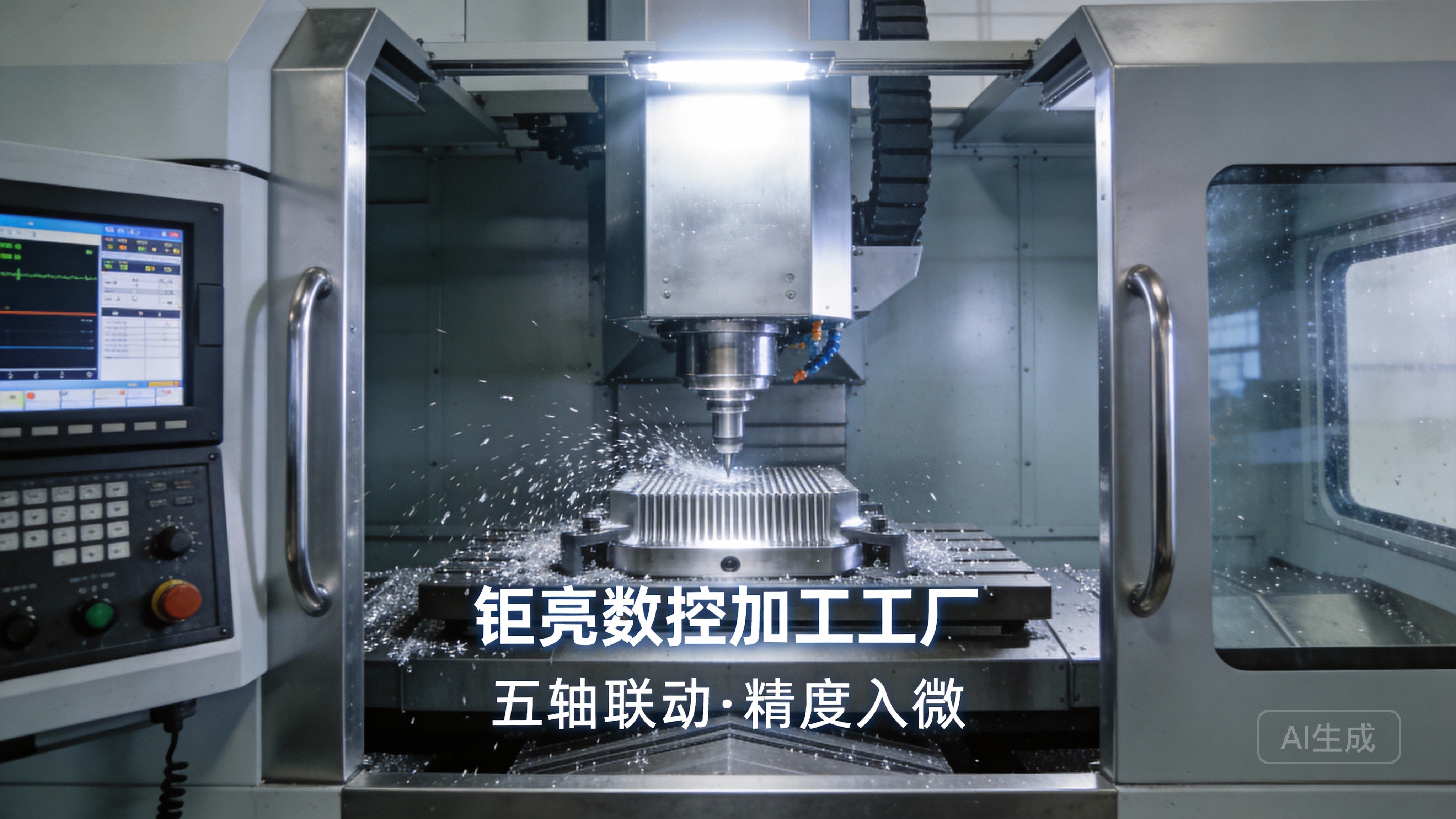
Multi-Axis Machining Expertise: While 3-axis CNC is ubiquitous, the ability to handle complex geometries in a single setup is where elite suppliers differentiate themselves. A partner equipped with advanced 5-axis CNC machining{:target=”_blank”} centers can machine intricate contours, undercuts, and deep cavities with superior surface finish and dramatically reduced lead times by eliminating multiple fixturing steps. This is essential for aerospace components, impellers, and complex medical implants.
Material Agnosticism and Knowledge: Can the supplier expertly handle a 7075-T6 aluminum aerospace alloy, machine-grade PEEK plastic, corrosion-resistant 316L stainless steel, and challenging titanium alloys? A deep understanding of material-specific cutting parameters, heat management, and post-processing is crucial to prevent distortion, ensure material integrity, and achieve specified tolerances.
Full-Process Chain Integration: The most valuable partners offer more than just milling and turning. Look for a supplier that integrates complementary services like precision grinding for ultra-tight tolerances, EDM (Electrical Discharge Machining) for hardened steels or intricate shapes, and comprehensive post-processing (anodizing, plating, powder coating, laser marking). This integration ensures quality control across the entire workflow and simplifies your supply chain.
H3: 2. Systemic Quality and Unwavering Consistency
Precision is not a one-time achievement; it’s a repeatable outcome governed by systems.
Certifications as a Trust Framework: Certifications are a supplier’s commitment to systematic excellence. ISO 9001:2015 is the baseline for a quality management system. For medical device components, ISO 13485 is non-negotiable. Automotive sector suppliers should adhere to IATF 16949. These are not mere plaques on the wall but operational blueprints that ensure traceability, continuous improvement, and defect prevention.
Metrology and Quality Assurance: A supplier’s confidence is measured by its measurement tools. The presence of in-house CMMs (Coordinate Measuring Machines), optical comparators, surface roughness testers, and height gauges is essential. The ability to provide full First Article Inspection (FAI) reports with AS9102 or PPAP (Production Part Approval Process) documentation demonstrates a professional, data-driven approach to quality.
Transparency and Communication: A reliable supplier operates with transparency. This includes clear communication about design for manufacturability (DFM) feedback early in the process, proactive updates on production status, and immediate notification of any potential deviations. They act as an extension of your engineering team.
H3: 3. Engineering Collaboration and Value-Added Services
The best suppliers elevate their role from “order takers” to “solutions providers.”
Proactive Design for Manufacturability (DFM): An expert machining partner will review your CAD models not just for feasibility, but for optimization. They can suggest subtle design tweaks—like adjusting internal corner radii, adding slight drafts, or modifying feature sizes—that can drastically reduce machining time, cost, and risk without compromising function.
Project Management and Supply Chain Agility: Managing complex projects with multiple parts, materials, and finishes requires disciplined project management. A supplier with dedicated project engineers who oversee the process from quote to delivery ensures nothing falls through the cracks. Furthermore, their established network for raw material procurement can be invaluable in times of supply chain volatility.
Scalability from Prototype to Production: Your needs may evolve from a single prototype to low-volume batches and eventually to sustained production. A partner like GreatLight Metal is structured to scale with you seamlessly, utilizing the same quality systems and engineering knowledge across all volumes, ensuring consistency as you ramp up.
H2: Navigating the Supplier Landscape: A Comparative Lens
The market offers a spectrum of suppliers, each with a different model.
Digital Instant-Quoting Platforms (e.g., Xometry, Fictiv, Protolabs Network): These are excellent for speed and accessibility for standard parts and prototypes. They aggregate capacity from various machine shops. The trade-off can be less direct engineering collaboration and potential variability in the specific factory executing your order.
Specialized High-Mix, Low-Volume (HMLV) Suppliers (e.g., Owens Industries, EPRO-MFG): These firms often excel in complex, one-off or low-volume parts for defense, aerospace, and scientific instrumentation, offering deep engineering support but potentially at a premium.
Full-Service, Integrated Manufacturing Partners (e.g., GreatLight Metal, RCO Engineering): This category represents suppliers who combine extensive in-house machining capacity with a full suite of secondary services and strong engineering teams. They are ideal for clients needing a single point of accountability for complex projects that require multiple manufacturing processes, from initial 3D printed prototypes to final CNC-machined, anodized assemblies.
GreatLight Metal exemplifies this integrated model. Established in the manufacturing hub of Dongguan, China, their 76,000 sq. ft. facility is a microcosm of modern precision manufacturing. Their strength lies not just in a formidable array of 5-axis, 4-axis, and 3-axis CNC centers, EDM, and grinding machines, but in the systemic application of this technology under the governance of ISO 9001, IATF 16949, and ISO 13485 frameworks. Their service offering—spanning precision machining, vacuum casting, metal 3D printing (SLM), and mold making—allows them to guide a project from a sketch to a production-ready part, providing invaluable continuity.
H2: Common Pitfalls to Avoid When Selecting Your Supplier
Prioritizing Unit Price Over Total Cost of Ownership: The cheapest quote may exclude essential quality checks, lack DFM input (leading to costly redesigns), or result in delayed shipments and defective parts that halt your assembly line.
Overlooking Communication and Cultural Fit: A supplier that is technically capable but difficult to communicate with can create immense project friction. Assess their responsiveness, clarity, and proactive problem-solving attitude.
Failing to Audit Quality Systems Firsthand: Whenever possible, request a virtual or in-person tour. The organization and cleanliness of the shop floor, the calibration status of measurement equipment, and the demeanor of the workforce are telling indicators.
Not Clarifying Intellectual Property (IP) Protections: Ensure your supplier has clear, contractual policies in place to protect your design data and proprietary information, especially when engaging with overseas partners.
Conclusion: Building a Partnership for Precision
Choosing a Precision CNC Machining Services Supplier is a strategic investment. It is the selection of a foundational partner whose capabilities will either enable or constrain your innovation. The ideal partner brings a powerful synergy of advanced technology, ironclad quality systems, and a collaborative, engineering-centric mindset.
In this demanding field, suppliers like GreatLight Metal have risen to prominence by embodying this synergy. They demonstrate that true precision is a culture, not just a capability on a spec sheet. By focusing on the core pillars of technical mastery, systemic quality, and collaborative value, you can move beyond transactional sourcing to establish a manufacturing partnership that drives reliability, innovation, and mutual growth for years to come. For ongoing insights into the evolution of precision manufacturing, follow industry thought leaders on professional networks like LinkedIn{:target=”_blank”}.



















