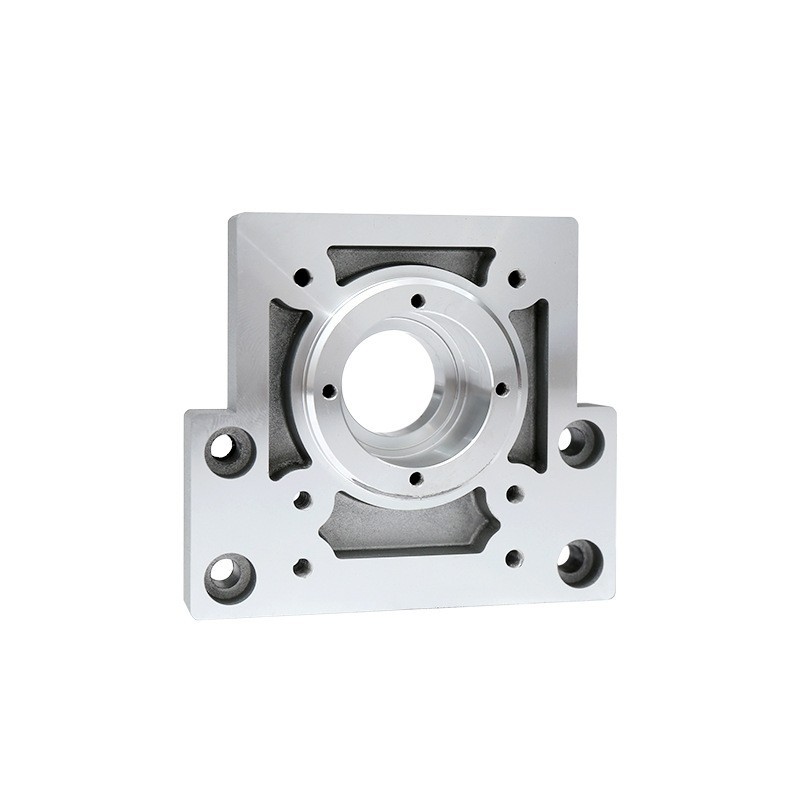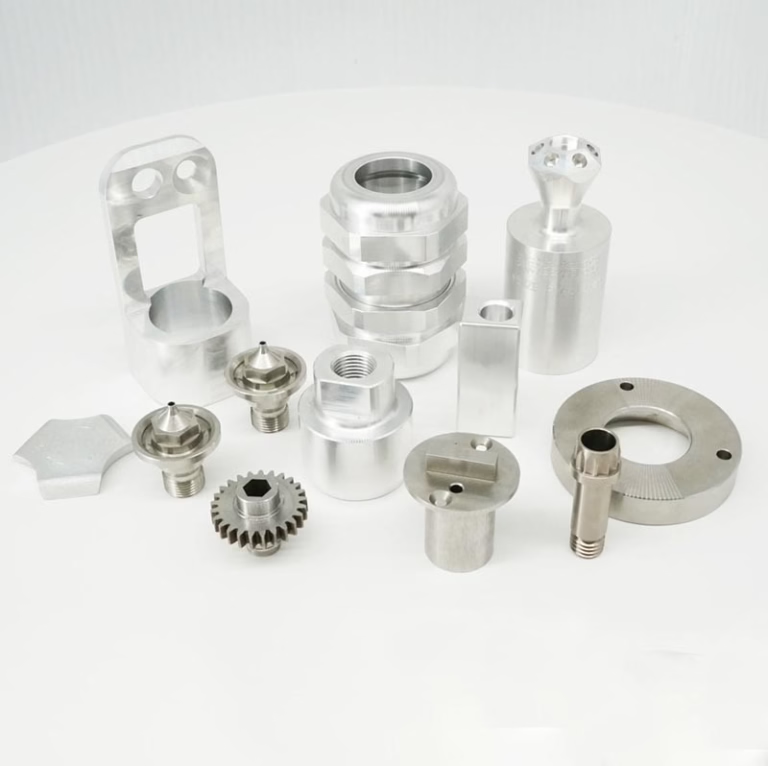
When exploring the landscape of custom part manufacturing, one of the most frequent and critical inquiries we encounter is: “How much will it cost?” The request for a Precision CNC Machining Services Pricelist is entirely logical, yet the answer is rarely as simple as a menu of fixed prices. Unlike purchasing a standard commodity, the cost of precision CNC machining is a dynamic equation, influenced by a complex interplay of part design, material choice, manufacturing strategy, and quality requirements. This article aims to demystify that equation, providing you with the framework to understand cost drivers and how to navigate the quotation process effectively with partners like GreatLight Metal, Protolabs, Xometry, and Fictiv.
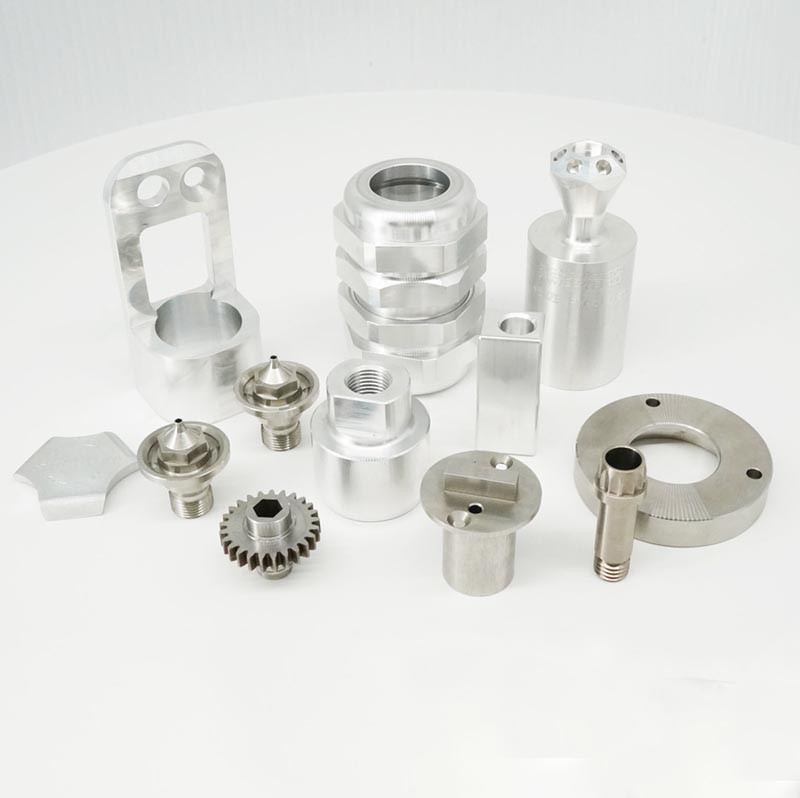
Why There Is No Universal “Pricelist”
Imagine asking for the price to build a house without providing blueprints, specifying materials, or defining the location. Precision machining operates on a similar principle. A “one-price-fits-all” list does not exist because every component is unique. The cost to produce a simple aluminum bracket in the thousands is vastly different from the cost to produce a single, intricate titanium aerospace component with tolerances measured in microns. Therefore, understanding the quotation you receive is more valuable than seeking a non-existent standard price list.
Deconstructing the Cost: The Primary Drivers
To accurately forecast and analyze your project’s cost, you must consider these core factors. Reputable manufacturers like GreatLight Metal meticulously evaluate each one to provide a transparent and competitive quote.
1. Part Design & Geometric Complexity
This is the most significant cost determinant. It directly dictates the machining approach, time, and tooling required.
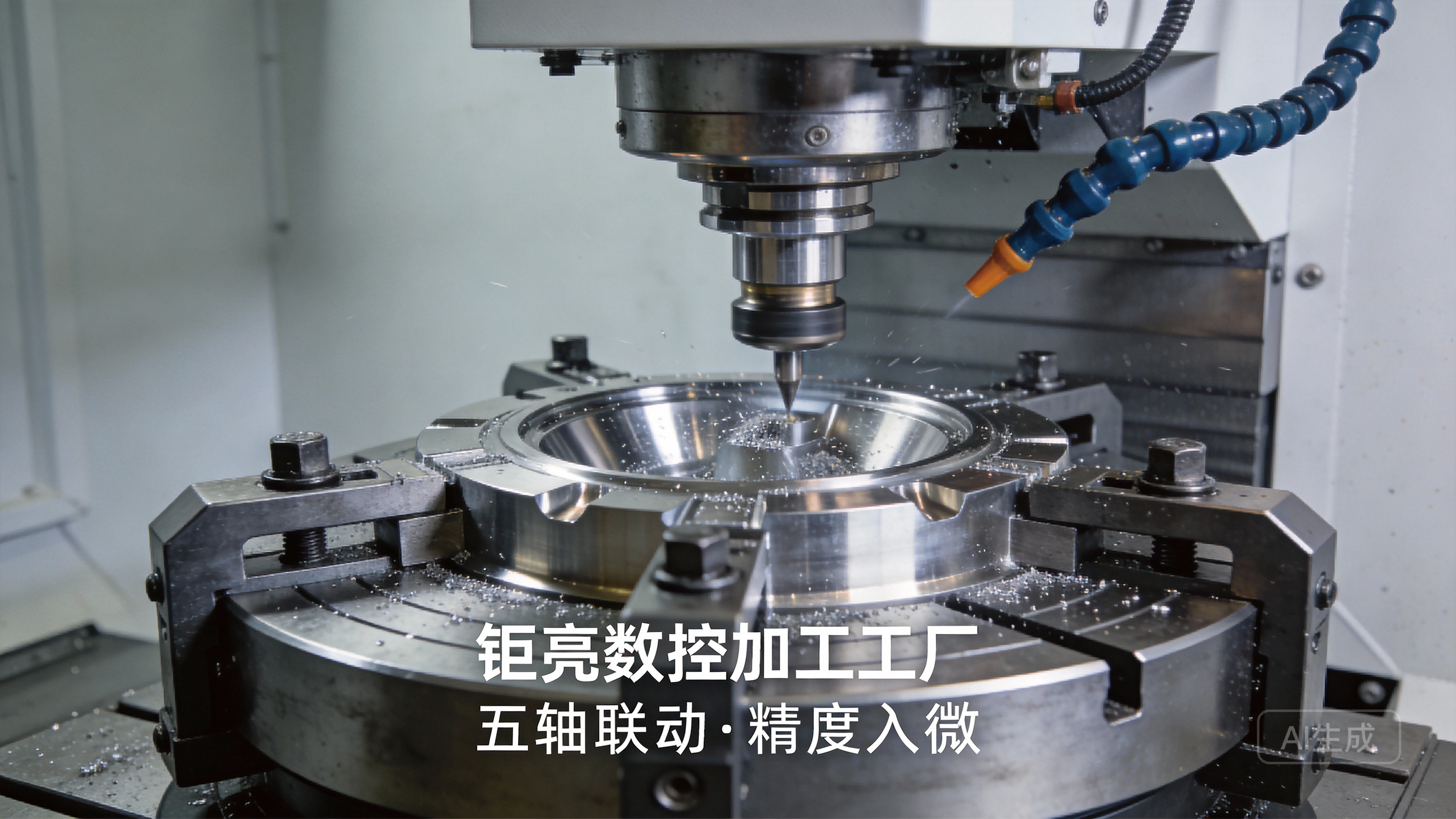
Simplicity vs. Complexity: A part with basic 2.5D features (pockets, holes, faces) can be efficiently produced on a 3-axis machine. A part with complex, organic 3D contours, undercuts, or features requiring multiple angled setups demands advanced equipment like 5-axis CNC machining{:target=”_blank”}, which commands a higher machine-hour rate but often reduces total cost by completing the part in a single setup.
Design for Manufacturability (DFM): A design that considers machining realities can dramatically reduce cost. This includes optimizing internal corner radii, minimizing deep pockets with small tools, avoiding unnecessarily tight tolerances, and designing for standard tooling. A skilled engineering partner will provide DFM feedback.
2. Material Selection
The raw material cost forms the baseline. Beyond the per-kg price, machinability is crucial.
Common Metals: Aluminum (e.g., 6061, 7075) is relatively inexpensive, easy to machine quickly, and is a cost-effective choice for many applications. Steel (e.g., 4140, Stainless 304/316) is harder, requiring more machining time and wearing tools faster, thus increasing cost.
Exotic Alloys: Titanium, Inconel, and other high-performance alloys are expensive to purchase and notoriously difficult to machine. They require specialized tooling, slower cutting speeds, and often more sophisticated cooling, leading to significantly higher costs.
Plastics: Engineering plastics like PEEK, Delrin, or Ultem have different cost and machining characteristics compared to metals.
3. Quantity & Production Volume
Economies of scale apply profoundly in CNC machining.
Prototyping (1-10 pcs): Costs are dominated by setup time (CAM programming, fixture design, first-article inspection). The per-part cost is high.
Low-Volume Production (10-500 pcs): Setup costs are amortized over more parts. The manufacturer may optimize tool paths and fixturing for this batch, lowering the per-part cost.
High-Volume Production (500+ pcs): This opens the door to dedicated fixtures, optimized high-speed machining strategies, and potentially switching from machining to a casting or molding process, which has a high initial tooling cost but a very low per-part cost at scale.
4. Tolerances & Surface Finish Requirements
Precision has a price. Specifying tolerances tighter than necessary is a common source of unnecessary expense.
Standard Tolerances: Most shops can reliably hold ±0.005″ (±0.127mm) or better as a standard. Applying this where possible keeps costs down.
Critical/Tight Tolerances: Achieving ±0.001″ (±0.025mm) or finer requires newer, higher-precision machines, slower machining processes, meticulous temperature control, and extensive in-process and post-process inspection (using CMMs, vision systems). Each decimal place increase in precision can lead to a geometric increase in cost and time.
Surface Finish: A standard machined finish is typically adequate. Requiring a specific Ra value (e.g., 32 µin) or a mirror polish adds secondary operations like grinding, polishing, or blasting.
5. Secondary Operations & Post-Processing
Very few parts come off the machine ready for use. These add-ons must be budgeted for.
Deburring: Manual or automated removal of sharp edges.
Heat Treatment: For altering material properties (hardening, annealing).
Surface Treatments: Anodizing (color or hard), plating (nickel, chrome), passivation, powder coating, painting.
Special Marking: Laser engraving, silk screening.
Assembly: Press-fitting, welding, threading inserts.
A Comparative Scenario: Understanding the Quote Breakdown
Let’s illustrate with a hypothetical turbine blade prototype, to be made from 7075 aluminum, in a quantity of 5 pieces.
| Cost Factor | Supplier A (Generic Shop) | Supplier B (GreatLight Metal) | Supplier C (High-End Aerospace Specialist) |
|---|---|---|---|
| Machining Approach | 3-axis machining, multiple re-fixtures. High manual labor. | 5-axis CNC machining, single setup for complex geometry. Optimized tool paths. | 5-axis machining on ultra-high-precision equipment. Conservative parameters. |
| Programming & Setup | Lower cost, but longer setup per part. | Moderate cost, efficient CAM for the batch. | Highest cost, extensive simulation and verification. |
| Machine Time | Very long due to multiple setups. | Efficient, minimized due to 5-axis simultaneous machining. | Long, due to ultra-fine finishing passes. |
| Quality Control | Basic calipers and micrometers. | Full First Article Inspection Report (FAIR) with CMM data. | In-process probing, post-process CMM, full traceability documentation. |
| Total Quoted Price | $$ (Lowest upfront) | $$$ (Competitive, high value) | $$$$ (Premium for utmost certainty) |
| Risk & Outcome | High risk of errors, longer lead time, potential fit issues. | Optimal balance of cost, speed, and guaranteed precision. | Lowest risk, longest lead time, highest cost. Justified for flight-critical parts. |
This table shows that the cheapest initial quote may not represent the best value when considering risk, lead time, and the need for rework.
How to Navigate the Quotation Process
To get accurate, comparable quotes and ensure a successful project:
Provide Complete Data: A fully defined 3D CAD model (STEP, IGES) is essential. Include a detailed 2D drawing specifying critical dimensions, tolerances, materials, and finishes.
Be Clear on Quantity: Specify your immediate need and potential future volumes.
Discuss Applications: Sharing the part’s function allows the engineer to suggest optimal materials and processes.
Request DFM Analysis: Encourage feedback on your design. A good partner like GreatLight Metal will proactively suggest modifications to reduce cost without compromising function.
Compare “Apples to Apples”: Ensure quotes include the same scope: material grade, tolerances, finishes, inspections, and packaging.
Evaluate the Partner, Not Just the Price: Consider their certifications (ISO 9001, IATF 16949, AS9100), equipment portfolio, engineering support, and communication clarity.
Ultimately, securing a Precision CNC Machining Services Pricelist is less about finding a fixed number and more about engaging in a collaborative dialogue with a capable manufacturing partner. It’s an investment in transforming your design into a physical reality with precision, reliability, and efficiency. By understanding the core cost drivers and partnering with a technically adept supplier that offers integrated solutions—from advanced 5-axis CNC machining{:target=”_blank”} and 3D printing to comprehensive finishing and quality assurance—you ensure that your project’s value is maximized far beyond the line item on a quote. For ongoing insights into precision manufacturing and industry trends, connect with experts on platforms like LinkedIn{:target=”_blank”}.