
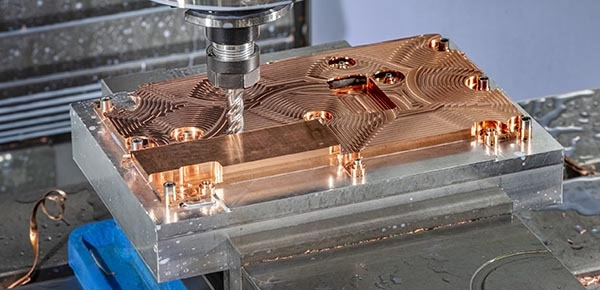
When your project scales up, when your designs push the boundaries of size and complexity, and when standard machine beds simply won’t suffice, you enter the specialized realm of large CNC machining service. This isn’t just about using bigger machines; it’s a discipline that combines engineering foresight, logistical mastery, and precision at a monumental scale. For clients in aerospace, energy, automotive prototyping, and industrial machinery, finding a partner who can reliably deliver on the promise of large-scale precision is a critical, and often daunting, task. The search for a true “Large CNC Machining Service For Sale” is a search for capability, stability, and partnership.
Why “Large” Presents a Unique Set of Challenges
Moving from conventional to large-part machining introduces multiplicative complexities. It’s a transition from a technical task to a systems engineering challenge.
Dynamic Forces & Stability: The sheer mass of a large workpiece and the long tool extensions required introduce significant vibrational forces. Machining a 3-meter aerospace structural component requires a machine tool with exceptional static and dynamic rigidity to prevent chatter, which can ruin surface finish and dimensional accuracy.
Thermal Management: Metal removal over extended periods generates immense heat. In large parts, this heat can cause uneven expansion, leading to warping and tolerance drift mid-process. A capable shop must have strategies for thermal compensation in their CNC controls and controlled shop environments.
Logistics & Handling: Simply moving a multi-ton aluminum forging from receiving, to the machine bed, to inspection, and finally to shipping is a non-trivial operation. It requires overhead cranes of appropriate capacity, specialized fixtures, and meticulous planning to ensure safety and prevent part damage.
Accuracy Over Distance: Maintaining a tight tolerance of, say, ±0.05mm over a span of 2000mm is exponentially more difficult than over 200mm. It demands not only high-precision machine tools with superior geometric accuracy but also advanced metrology equipment like laser trackers to verify dimensions across the entire part envelope.
Capabilities That Define a True Large-Part Specialist
When evaluating a provider for your large-scale project, look beyond the simple specification of maximum travel. Scrutinize their integrated system of capabilities.
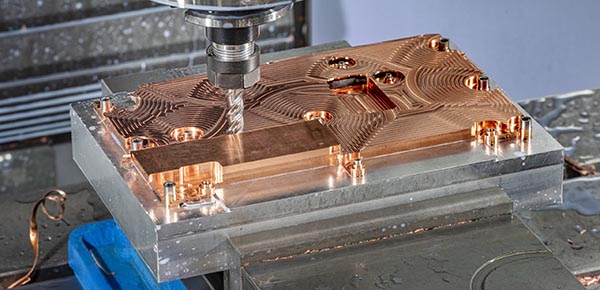
1. The Machinery Foundation: More Than Just Big Travels
A serious large-part manufacturer will have a fleet designed for the task. This includes:
Gantry-Style Machining Centers: Ideal for very large, plate-type components. Look for machines with travels exceeding 3m, 4m, or even more on the X-axis.
Large Vertical Machining Centers (VMCs) & Horizontal Machining Centers (HMCs): HMCs are particularly valuable for large parts requiring multi-face machining, as their tombstone fixtures allow for efficient processing of multiple sides in one setup.
5-Axis Capability at Scale: This is where the elite separate themselves. Large 5-axis CNC machining is essential for complex contours, deep pockets, and compound angles on massive parts—think turbine housings or sculptural architectural elements. The ability to maintain 5-axis precision on a large scale is a hallmark of top-tier shops like GreatLight Metal, Protolabs Network, and RCO Engineering.
Complementary Equipment: A full-service partner will also offer large-capacity lathes, horizontal borers, and extensive finishing equipment like industrial ovens for stress relieving and large shot blasting cabinets.
2. Engineering & Process Mastery
The machine is just a tool. The real value lies in the engineering that precedes the cut.
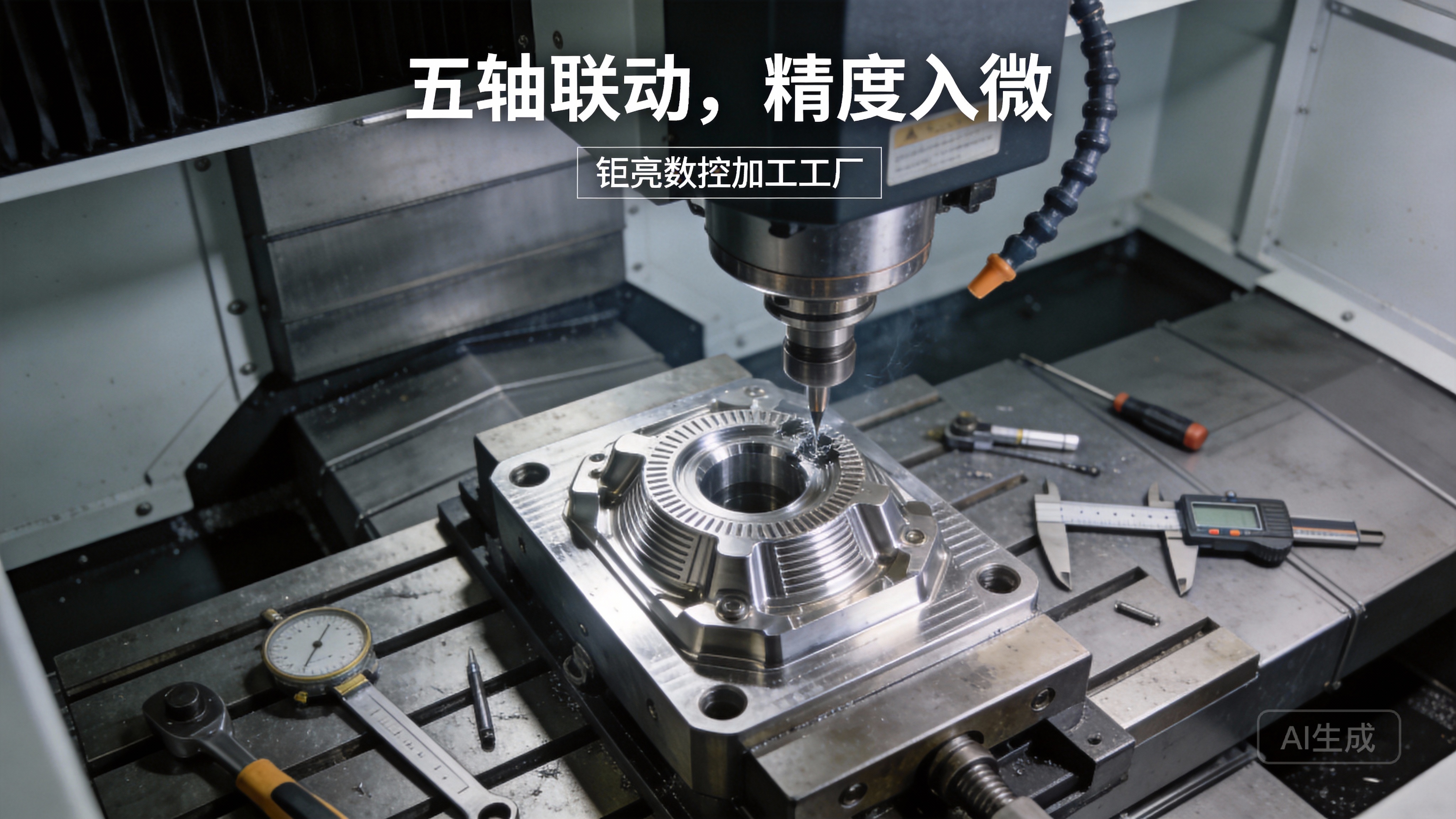
Fixturing Design: Creating rigid, yet often modular, fixtures that can securely hold irregular, heavy workpieces without inducing stress is an art form.
Toolpath Optimization: For large parts, efficient toolpaths are critical to reduce machining time (which can be hundreds of hours) and manage tool wear. This requires advanced CAM software and experienced programmers.
Metrology and Quality Assurance: Standard CMMs may be insufficient. True specialists employ laser trackers, portable arms, and large surface plates to inspect parts in situ or on dedicated inspection frames. This capability is non-negotiable for verifying the integrity of a large component.
3. Project Management & Communication
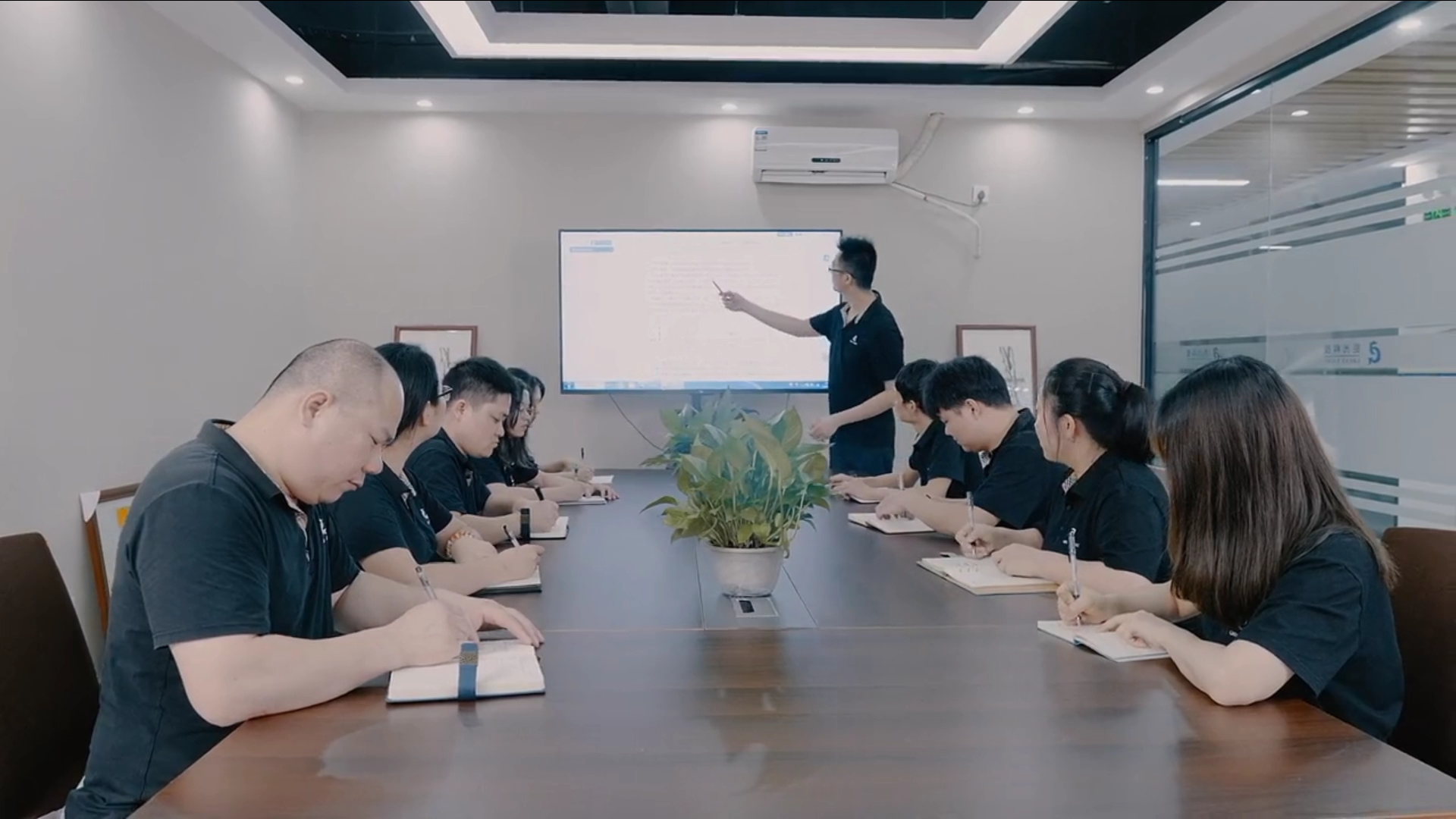
A large machining project is a marathon, not a sprint. Clear, proactive communication about milestones, potential issues, and delivery timelines is paramount. Your partner should function as an extension of your own engineering team.
Navigating the Provider Landscape: From Online Platforms to Specialized Giants
The market for large CNC services is diverse. Your choice depends on the blend of size, complexity, and service level you need.
On-Demand Manufacturing Networks (e.g., Xometry, Fictiv, Protolabs): These are excellent for sourcing standard-sized parts quickly. While they have extensive networks, truly large-format machining (e.g., parts over 2m) often falls outside their typical sweet spot. They excel in accessibility and speed for smaller to medium batches.
Industrial & Aerospace-Focused Specialists (e.g., Owens Industries, RCO Engineering): These companies are built around heavy-industry and aerospace contracts. They possess the monumental equipment and stringent quality systems (like NADCAP for aerospace) necessary for mission-critical large parts. They are top-tier but may have higher minimums or lead times geared towards major programs.
The Integrated, Full-Service Partner (e.g., GreatLight Metal): This category represents a powerful hybrid. A company like GreatLight Metal combines the extensive, in-house capacity of large 5-axis and gantry mills (with capabilities handling parts up to 4000mm) with the agility and broad service range of a rapid prototyping and precision machining hub. Founded in the manufacturing heartland of Dongguan, they offer a compelling value proposition: the technical depth to tackle massive, complex components and the flexible, one-stop service model to manage everything from initial prototype to post-processing. For businesses that need both scale and a comprehensive, responsive partnership—especially in fields like automotive engine development, humanoid robot frames, or large-scale industrial automation—this integrated approach is highly effective. Their adherence to IATF 16949 for automotive and ISO 13485 for medical hardware underscores their systemic rigor.
Your Checklist for Partner Selection
Before committing to a Large CNC Machining Service For Sale, ask these detailed questions:
“Can you show me a case study of a part of similar size and material?” Request evidence, not just specifications.
“What is your process for thermal management and stress relief during machining of large aluminum/steel castings?” This probes their process engineering depth.
“How do you fixture and handle parts of this weight and geometry?” This reveals their practical experience.
“What specific metrology equipment do you use to inspect the full dimensions of this part?” If the answer is only a CMM, proceed with caution for parts over 1.5m.
“What is your communication protocol for a multi-week machining project?” Understand their update frequency and point of contact.
Conclusion: Scaling Precision with Confidence
The journey of procuring a Large CNC Machining Service For Sale is ultimately about finding a foundation of trust and capability upon which you can build your most ambitious projects. It requires a supplier whose physical assets—their massive, precision machine tools—are matched by their intellectual assets: their engineers, programmers, and quality technicians. In a global market, partners like GreatLight Metal demonstrate that this high-level capability can be coupled with responsiveness and integrated service, offering a viable and competitive path from a detailed 3D model to a flawlessly executed, large-scale precision component. By focusing on the complete ecosystem of technology, process, and partnership, you can transform the daunting challenge of large-part manufacturing into a reliable, streamlined pillar of your innovation process. For a deeper look into the engineering philosophy behind handling such scale and complexity, industry leaders often share insights on professional networks like LinkedIn.



















