
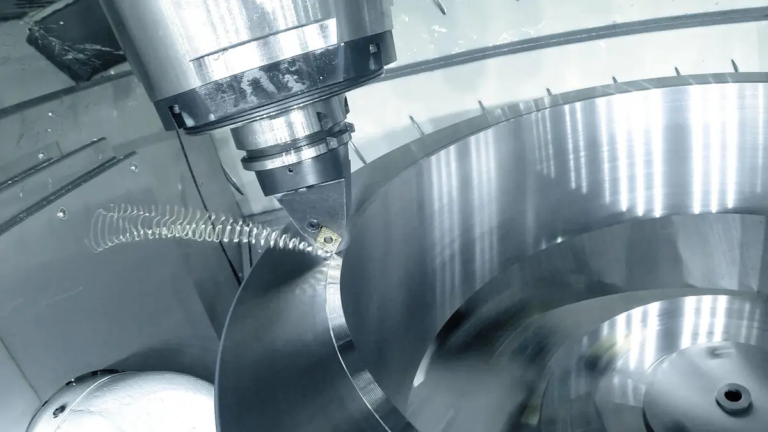
The Revolutionary World of Centerless Grinding: Exploring the Advantages and Limitations of External Cylindrical Crushers
In the realm of precision engineering, the art of grinding is a crucial process that requires precise control and expertise. Among the various grinding techniques, external cylindrical grinding, specifically without a center, has emerged as a game-changer in the industry. This blog post will delve into the intricacies of centerless grinding, its advantages, and limitations, as well as the characteristics that set it apart from traditional cylindrical grinders.
Understanding Centerless Grinding: A Glimpse into the World of Precision
Centerless grinding, a process that involves the precise removal of material through a grinding wheel, has become an essential tool in various industries, including aerospace, automotive, and medical. The lack of a center, as the name suggests, is what sets this process apart from traditional grinding methods. Without a central axis, the grinding wheel is free to move along the circumference of the workpiece, allowing for a more precise and efficient grinding process.
Advantages of Centerless Grinding: Revolutionizing the Industry
The absence of a center is not the only innovation that sets centerless grinding apart. This technique boasts several advantages that have revolutionized the industry:
- Continuous treatment with no tool retract: This means that the grinding process can be carried out without interrupting the machine, resulting in significant productivity gains and increased throughput.
- Superior support rigidity: The mechanism’s rigidity ensures that the workpiece is held firmly in place, allowing for more precise control and improved accuracy.
- Flexible operation: The absence of a center enables the use of larger grinding wheels, making it suitable for grinding larger workpieces.
- Modular design: The design allows for easy automation, making it an ideal choice for mass production.
- Increased treatment allowance: The mechanism’s ability to handle larger workpieces increases the treatment allowance, reducing the need for multiple passes.
Limitations of Centerless Grinding: Recognizing the Challenges
While centerless grinding has its advantages, it also presents some challenges that must be considered:
- Higher machine cost: The complexity of the machine and its components results in a higher initial investment.
- Adjustment complexity: The intricate mechanism requires more time to adjust, making it less suitable for small lot sizes and unique production runs.
- Roundness and accuracy: The lack of a central axis can affect the roundness and accuracy of the workpiece, particularly for parts with irregular shapes.
- Machine maintenance: The intricate mechanism demands regular maintenance to ensure optimal performance.
Wuxinmu Sales: Your Partner in CNC Machining Solutions
For those looking to incorporate centerless grinding into their production process, Wuxinmu offers expert advice and top-notch solutions. Our team of experienced professionals is dedicated to providing exceptional service and support to ensure seamless integration and optimal performance of your centerless grinder.
In conclusion, centerless grinding has emerged as a formidable force in the world of precision engineering, offering numerous advantages and benefits for industries seeking high-quality results. By understanding the intricacies of this process and its limitations, manufacturers can make informed decisions about incorporating centerless grinding into their production workflow. At Wuxinmu, we are committed to providing cutting-edge solutions and expert guidance to help you reap the benefits of centerless grinding. Contact us today to learn more about our centerless grinding capabilities and how we can help you achieve precision-driven results.
Contact Us:
Phone: 15910974236
Email: [email protected]
Website: wuxinmu.com



















