
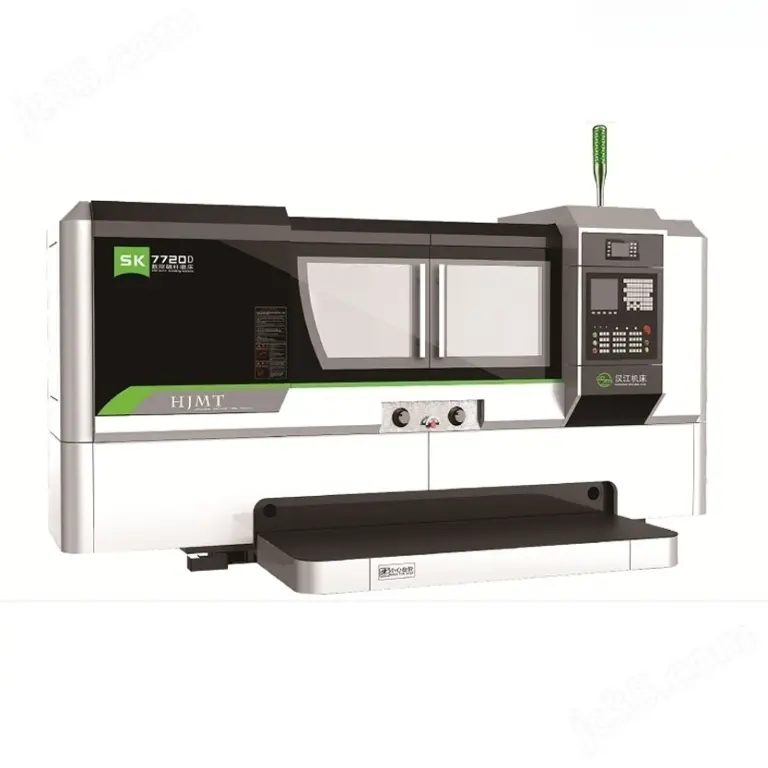
Optimizing Worm Grinding Performance: A Multifaceted Approach
In the realm of mechanical treatment, the performance of worm grinding equipment is directly linked to the efficiency and quality of the machining process. As industries increasingly demand high precision and high-efficiency treatment, improving equipment performance has become a key focus area. This article delves into the critical factors that influence worm grinding performance, exploring the intricacies of tool technology, grinding processes, equipment adjustment, tool and lighting design, and process monitoring.
1. Tool Technology: The Backbone of Worm Grinding
Tool technology plays a pivotal role in determining the efficiency and surface quality of worm grinding. To optimize tool performance, several aspects must be considered, including tool materials, geometry, and sharpening quality.
- Tool Materials: The selection of tool materials with high hardness and excellent wear resistance is crucial. Carbide and coated tools have emerged as the preferred choice for worm grinding due to their exceptional cutting performance and durability.
- Tool Geometry: The geometric design of the tool is vital in ensuring optimal cutting efficiency and surface quality. Parameters such as the helix angle, edge inclination angle, and tool tip radius must be carefully optimized to adapt to the unique characteristics of worm grinding.
- Tool Sharpening: Maintaining the quality of tool sharpening is essential to ensure consistent performance. A sharp cutting edge reduces cutting forces and surface roughness, while a smooth cutting edge minimizes friction and prolongs tool life. Regular tool sharpening and inspection are vital to prevent premature wear and ensure optimal cutting performance.
2. Innovations in Grinding Processes
Optimizing grinding processes is another critical aspect of enhancing worm grinding performance. By introducing innovative grinding techniques and fine-tuning process parameters, treatment efficiency and surface quality can be significantly improved.
- High-Efficiency Grinding Techniques: Techniques such as constant pressure grinding and constant feed grinding can enhance grinding efficiency while maintaining surface quality.
- Optimized Grinding Parameters: Careful adjustment of grinding parameters, including wheel speed, feed rate, and cutting depth, can further improve treatment efficiency and surface quality.
3. Precision Equipment Adjustment
The precision of the equipment directly affects the quality and performance of the machining process. Regular inspection and adjustment of the equipment’s precision are essential to ensure optimal performance.
- Grinding Wheel Positioning: Accurate positioning of the grinding wheel is critical to ensure precise machining and prevent errors.
- Guide Rail Precision: The precision of the guide rails must be maintained to ensure smooth and accurate movement of the grinding wheel.
- Workpiece Accuracy: The accuracy of the workpiece must be ensured to prevent errors and ensure precise machining.
4. Tool and Lighting Design
Tool and lighting design plays a crucial role in ensuring accurate positioning and secure clamping of the workpiece during the grinding process. A well-designed tool and lighting system can significantly improve treatment accuracy and surface quality.
- Specialized Tooling: Custom-designed tooling can be used to improve the efficiency and accuracy of worm grinding, particularly for complex shapes.
- Optimized Lighting: Proper lighting design can enhance visibility and reduce errors, ensuring accurate positioning and secure clamping of the workpiece.
5. Process Monitoring and Feedback Control
The integration of intelligent manufacturing technology has enabled real-time monitoring and feedback control of the grinding process. This allows for timely detection of anomalies and adjustments to ensure optimal treatment efficiency and surface quality.
- Real-Time Monitoring: Monitoring parameters such as cutting forces, vibrations, and temperature enables prompt detection of anomalies and prevents errors.
- Feedback Control: Online measuring technology can be used to monitor treatment dimensions and surface quality, enabling adjustments to be made in real-time to ensure precise machining and optimal surface quality.
Conclusion
In conclusion, optimizing worm grinding performance requires a multifaceted approach that encompasses tool technology, grinding processes, equipment adjustment, tool and lighting design, and process monitoring. By continually innovating and optimizing these critical factors, industries can significantly improve treatment efficiency and surface quality, meeting the increasingly demanding requirements of modern manufacturing. As the demand for high precision and high-efficiency treatment continues to grow, the importance of optimizing worm grinding performance will only continue to escalate.
The Future of Worm Grinding
As we look to the future, it is clear that the worm grinding industry will continue to evolve and innovate. The integration of emerging technologies such as artificial intelligence, machine learning, and the Internet of Things (IoT) will enable real-time monitoring, predictive maintenance, and optimized process control. This will not only improve treatment efficiency and surface quality but also reduce downtime, increase productivity, and minimize costs.
Industry Implications
The implications of optimizing worm grinding performance are far-reaching, with significant benefits for various industries, including:
- Aerospace: High-precision worm grinding is critical for the production of aircraft and spacecraft components, where precision and reliability are paramount.
- Automotive: Optimized worm grinding performance is essential for the production of high-precision automotive components, such as gears and shafts.
- Medical: The production of medical implants and instruments requires precise worm grinding to ensure reliability and safety.
In each of these industries, the importance of optimizing worm grinding performance cannot be overstated. As the demand for high precision and high-efficiency treatment continues to grow, the worm grinding industry will play an increasingly critical role in meeting these demands.
The Path Forward
As we move forward, it is essential to prioritize innovation and optimization in worm grinding technology. This will require ongoing investment in research and development, as well as collaboration between industry leaders, academia, and government organizations. By working together, we can unlock the full potential of worm grinding technology and drive the development of new, innovative solutions that meet the evolving needs of modern manufacturing.
The future of worm grinding is bright, with endless possibilities for innovation and growth. As we continue to push the boundaries of what is possible, we will unlock new opportunities for industries and applications, driving progress and advancing the field of mechanical treatment.



















