
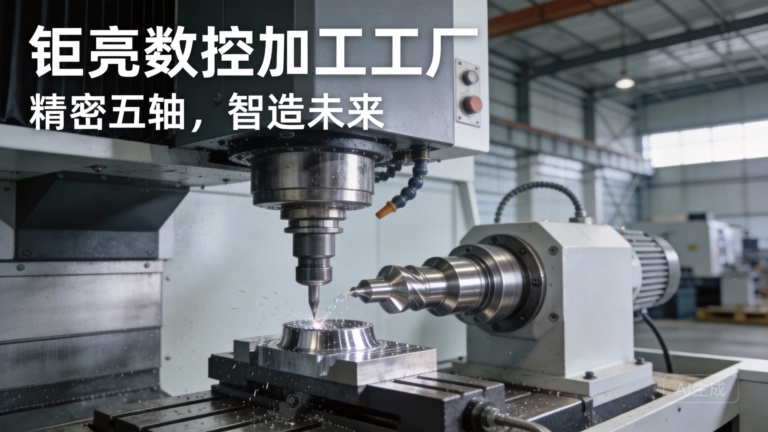
Is CNC Machining Expensive? This question echoes across engineering departments and procurement meetings worldwide, as teams weigh the benefits of precision CNC machining against budget constraints. The answer isn’t a simple yes or no—CNC machining costs vary widely based on project specifics, and understanding the key drivers of these costs can help you make informed decisions that balance quality, speed, and affordability. Moreover, partnering with an experienced, full-service manufacturer can turn what might seem like an expensive option into a cost-effective solution that delivers long-term value.
Is CNC Machining Expensive?
To address this directly: CNC machining can be costly for certain projects, but it is often a cost-efficient choice when you factor in precision, reliability, and time-to-market. For example, a simple aluminum bracket machined on a 3-axis CNC might cost just a few dollars, while a complex 5-axis machined titanium aerospace part could cost hundreds. The difference lies in the variables that shape pricing, and knowing how to optimize these variables can help you keep costs under control.
Key Factors That Influence CNC Machining Costs
Let’s break down the most impactful factors that determine how much you’ll pay for CNC machining services:
1. Part Complexity and Geometry
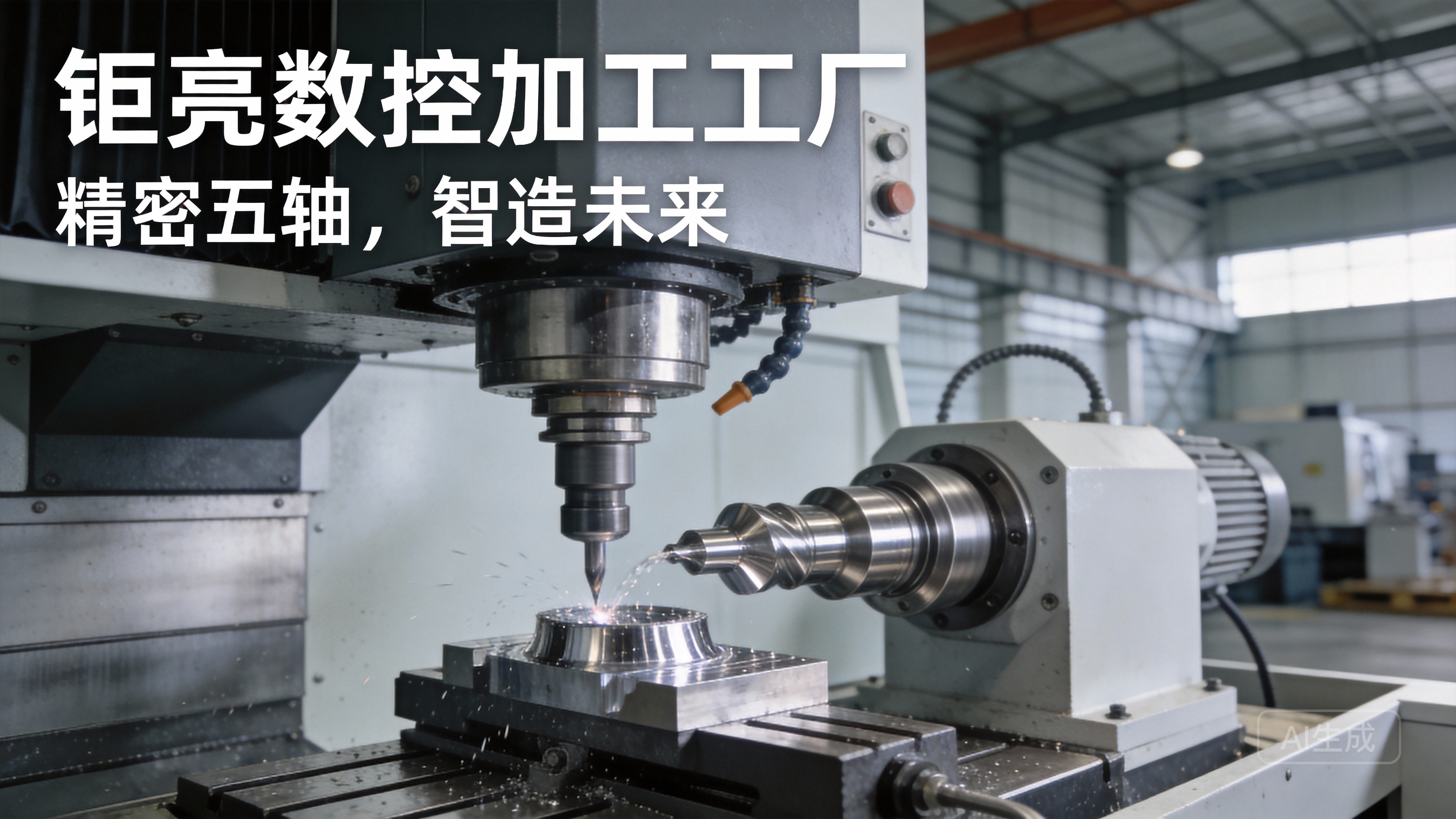
The complexity of your part’s design is one of the biggest cost drivers. Parts with simple, flat surfaces and minimal features can be machined quickly on 3-axis equipment, reducing labor and setup time. However, parts with undercuts, curved surfaces, or multi-angle features require more advanced machinery like 4-axis or 5-axis CNC machining services (opening in new window). While 5-axis machines have higher hourly rates, they can complete complex parts in a single setup—eliminating the need for multiple operations, reducing human error, and often lowering overall project costs compared to using multiple 3-axis machines.
GreatLight CNC Machining Factory’s state-of-the-art 5-axis centers are optimized for complex geometries, making them a cost-effective choice for parts used in humanoid robots, automotive engines, and aerospace applications. For instance, a client needing a custom robotic joint previously quoted $2,000 for 3-axis machining with three separate setups saved 30% by using GreatLight’s 5-axis service, which completed the part in one setup with zero reworks.
2. Material Selection
The type of material you choose significantly impacts costs. Common materials like aluminum and engineering plastics (e.g., ABS, POM) are affordable, easy to machine, and require minimal tool wear. In contrast, high-strength materials like titanium, mold steel, or Inconel are more expensive to purchase and require specialized cutting tools and slower machining speeds to avoid tool breakage.
GreatLight offers a wide range of material options, including 3D printing for metals like titanium and mold steel, which can be a cheaper alternative to CNC machining for complex, low-volume parts. For example, a medical device client needing 5 custom titanium surgical guides found that GreatLight’s SLM 3D printing service cost 25% less than CNC machining, while still meeting the required ±0.005mm tolerance.
3. Precision Tolerances
Tighter tolerances mean more work—and higher costs. Machining parts to ±0.001mm (GreatLight’s maximum precision capability) requires specialized equipment, frequent tool checks, and rigorous inspection processes. While these tolerances are non-negotiable for industries like medical hardware and aerospace, over-specifying tolerances for parts that don’t need them can unnecessarily inflate costs.
GreatLight’s engineering team provides free Design for Manufacturability (DFM) reviews to help you specify only the tolerances your part actually needs, avoiding over-engineering costs. For example, an automotive client initially specified ±0.001mm for a non-critical engine component; after a DFM review, they adjusted to ±0.01mm, reducing costs by 18% without compromising performance.
4. Production Volume
CNC machining costs scale with volume. Low-volume prototyping (1–10 parts) tends to have higher per-unit costs because setup time and programming are spread across fewer parts. However, as volume increases, per-unit costs drop significantly, as the fixed setup costs are amortized over more parts.
GreatLight’s three wholly-owned manufacturing plants are designed to handle both rapid prototyping and mass production efficiently. For prototyping, they can deliver parts in days, accelerating time-to-market which often translates to higher revenue. For mass production, their scalable facilities and optimized processes ensure competitive per-unit pricing, even for runs of 10,000+ parts.
5. Post-Processing Requirements
Surface finishes, coatings, and other post-processing steps add to the total cost of CNC machined parts. Services like anodizing, plating, polishing, or painting require additional labor, materials, and equipment. However, sourcing these services from a one-stop manufacturer like GreatLight eliminates the need for third-party vendors, reducing logistics costs and minimizing delays.
GreatLight’s integrated post-processing services are priced competitively when bundled with machining. For example, a client needing aluminum parts with anodized finish found that bundling the service with CNC machining cost 20% less than sourcing machining and anodizing from separate vendors.
To illustrate how these factors interact, here’s a quick comparison table:
| Project Type | Typical Cost Range | Key Cost Drivers |
|---|---|---|
| Simple 3-axis aluminum bracket (1 part) | $50–$150 | Material, basic setup time |
| Complex 5-axis titanium aerospace part (1 part) | $300–$800 | Material, precision tolerances, 5-axis setup |
| High-volume (1000+) plastic components | $5–$20 per unit | Volume scalability, minimal post-processing |
| Medical device part with anodized finish (10 parts) | $100–$300 per unit | Precision tolerances, ISO 13485 compliance, post-processing |
When CNC Machining Is Worth the Investment
While CNC machining may have higher upfront costs than alternative methods like 3D printing or injection molding in some cases, it is often the most cost-effective choice in the following scenarios:
1. High-Precision, Mission-Critical Parts
For parts used in medical devices, aerospace, or automotive engines, precision and reliability are non-negotiable. CNC machining delivers consistent tolerances and high-quality finishes that 3D printing may not be able to match for certain materials. GreatLight’s ISO 13485 and IATF 16949 certifications ensure compliance with industry standards, avoiding costly reworks or non-compliance fines that can far exceed initial machining costs.
2. Complex Geometries That Require Multi-Angle Machining
Parts with undercuts, curved surfaces, or complex internal features often require multiple setups on 3-axis machines, leading to higher costs and increased risk of errors. 5-axis CNC machining can complete these parts in a single setup, reducing labor time and minimizing errors—making it a cost-effective option for complex designs.
3. Low-Volume Custom Parts
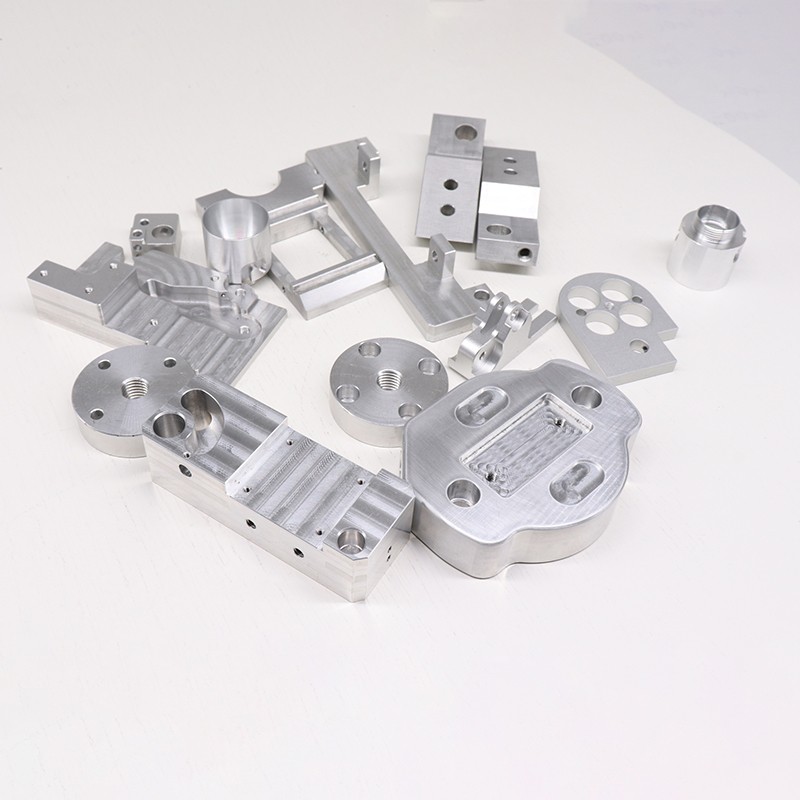
For prototyping or small-batch production, CNC machining offers faster turnaround times than injection molding (which requires expensive molds). GreatLight’s rapid prototyping services can deliver custom parts in 1–3 days, allowing you to test designs quickly and bring products to market faster—turning time savings into revenue gains.
How to Optimize CNC Machining Costs Without Sacrificing Quality
Working with the right manufacturer can help you reduce costs while maintaining the quality you need. Here are actionable strategies, paired with GreatLight’s capabilities, to optimize your CNC machining budget:
1. Leverage DFM Support
GreatLight’s engineering team offers free DFM reviews to simplify part designs, reduce setup time, and eliminate unnecessary features. For example, adding fillets to sharp corners can reduce tool wear and machining time, while avoiding deep, narrow cavities can eliminate the need for specialized tools.
2. Choose the Right Machining Technology
GreatLight offers a full range of manufacturing services, including CNC machining, 3D printing, die casting, and sheet metal fabrication. For some projects, 3D printing may be cheaper than CNC machining—especially for complex, low-volume parts. GreatLight’s team can help you compare options and select the most cost-effective technology for your project.
3. Bundle Services with a One-Stop Manufacturer
Sourcing all your manufacturing needs from a single vendor eliminates logistics costs, reduces delays, and often results in lower overall pricing. GreatLight’s one-stop services include design, machining, post-processing, and quality inspection—so you don’t have to coordinate with multiple vendors.
4. Partner with a Certified, Experienced Manufacturer
Choosing a manufacturer with a track record of quality and reliability helps you avoid hidden costs from reworks, delays, or non-compliance. GreatLight’s ISO 9001:2015 certification, advanced inspection equipment, and free rework policy ensure that you get quality parts on time, every time.
Conclusion
Is CNC Machining Expensive? The answer depends on your project’s specific needs, but it doesn’t have to be when you partner with a knowledgeable, experienced manufacturer that offers tailored solutions, efficient processes, and transparent pricing. GreatLight CNC Machining Factory combines advanced equipment, industry-leading certifications, and a full-process chain to deliver precision parts at a value-driven cost. Whether you need a single prototype or a large production run, their team can help you balance cost, quality, and speed to meet your project goals. To learn more about their industry expertise and client success stories, connect with GreatLight Metal (opening in new window).
Frequently Asked Questions (FAQ)
Q1: What’s the average cost of a custom CNC machined part?
A: The cost varies widely based on part size, complexity, material, volume, and post-processing requirements. GreatLight provides free, no-obligation quotes tailored to your specific project, with no hidden fees.
Q2: Can GreatLight help reduce my CNC machining costs?
A: Yes. GreatLight offers free DFM reviews to optimize part designs, recommends the most cost-effective manufacturing technology for your project, and bundles services to eliminate third-party logistics costs. Their team also works with you to specify only necessary tolerances, avoiding over-engineering expenses.
Q3: Is 5-axis CNC machining more expensive than 3-axis?
A: While 5-axis machines have higher hourly rates, they can reduce overall project costs for complex parts by eliminating multiple setups, reducing labor time, and minimizing errors. GreatLight’s 5-axis capabilities make this a cost-effective option for many complex designs, such as humanoid robot joints and aerospace components.
Q4: What post-processing services does GreatLight offer, and how do they affect cost?
A: GreatLight offers one-stop post-processing including anodizing, plating, polishing, painting, and more. Bundling these services with machining often results in lower overall pricing than sourcing post-processing separately, as it eliminates third-party logistics and coordination costs.
Q5: Does GreatLight offer guarantees on quality and pricing?
A: Yes. GreatLight provides transparent quotes with no hidden fees. For quality issues, they offer free rework, and a full refund if rework does not meet your requirements. Their ISO 9001:2015 certification and advanced inspection processes ensure consistent, high-quality parts.
Q6: Can GreatLight handle large parts?
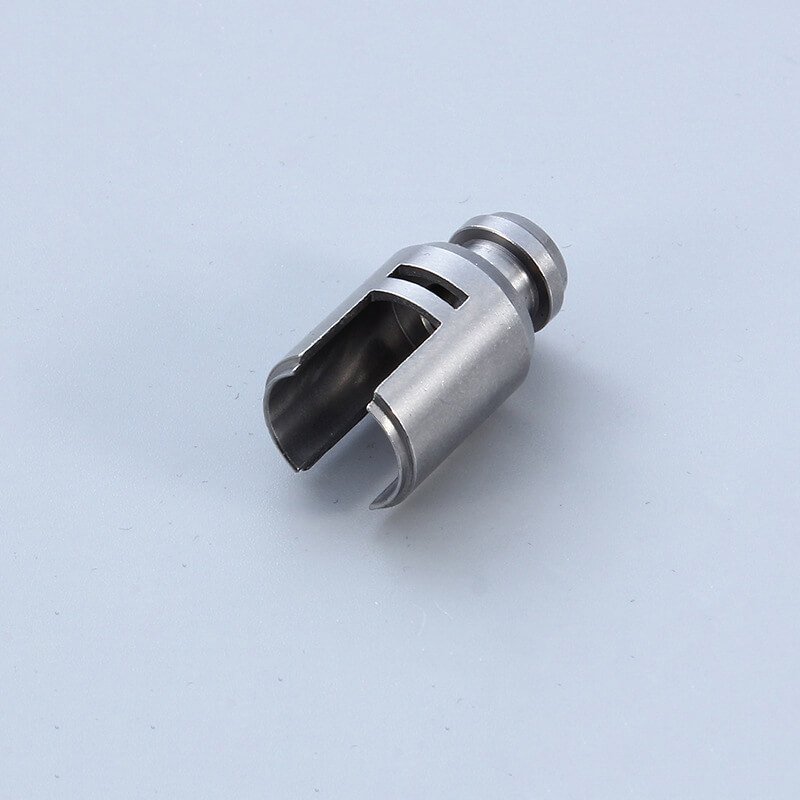
A: Yes. GreatLight’s maximum processing size is 4000mm, making them capable of handling large components for industries like aerospace and industrial automation.



















