
Optimizing Hydraulic Traction Bed Maintenance for Maximum Efficiency
As the manufacturing industry continues to evolve, hydraulic traction beds have emerged as a vital component in various production processes. However, maintaining these complex machines requires a deep understanding of their maintenance requirements and best practices. In this blog post, we will delve into the key aspects of hydraulic traction bed maintenance, exploring topics such as regular cleaning, anti-corrosion measures, and regular inspections to ensure optimal performance and longevity.
Regular Cleaning: The Foundation of Hydraulic Traction Bed Maintenance
Regular cleaning is an essential aspect of hydraulic traction bed maintenance. It involves regular cleaning of the appearance and guidance rails of the tooltip to eliminate impurities such as dust and oil, as well as grinding burrs to prevent rust and yellowing. This not only improves the overall appearance of the equipment but also ensures that it functions effectively.
Anti-Corrosion Measures: Protecting Your Hydraulic Traction Bed from Rust
Corrosion can be a significant problem for hydraulic traction beds, particularly in high-humidity environments. To combat this, it is essential to apply anti-corrosion measures. Apply anti-corrosion oil or anti-corrosion agents to the surface of the equipment to prevent rust from metal parts. For parts that have already rusted, prompt treatment is necessary to prevent further damage.
Tightening and Inspecting: Ensuring Secure Connections
Another critical aspect of hydraulic traction bed maintenance is tightening and inspecting parts such as handwheels, handles, screws, and nuts. This ensures that all components are securely connected and prevents relaxation or falling during use. Regular inspections should be conducted to identify any potential issues before they become major problems.
Pressure Gauge Inspection: Ensuring Reliable Pressure Control
The pressure gauge is an essential component of hydraulic traction beds, providing critical information about the equipment’s hydraulic pressure. Regular inspections should be conducted to ensure that the pressure gauge is sensitive and reliable. This helps maintenance personnel identify potential problems early on and prevent serious malfunctions.
Oil Quality Management: Maintaining Optimal Hydraulic Performance
Hydraulic oil is a critical component of hydraulic traction beds, and its quality can significantly impact equipment performance. Regular cleaning of the oil tank, filter, or replacement of hydraulic oil ensures that the oil is clean and meets the required standards. Additionally, regular verification of the oil level and reconstruction of hydraulic oil in the appropriate position is crucial to prevent any malfunctions.
Component Inspection: Ensuring Normal Operation
Regular inspection of components such as shot, screws, and guidance rails is essential to ensure normal functioning. This involves checking for any signs of wear or damage and replacing them in a timely manner to prevent equipment failure.
Coolant Maintenance: Preventing Clogged Hoses and Ensuring Coolant Flow
Coolant maintenance is critical to ensure that hydraulic traction beds operate efficiently. Regular cleaning of the coolant hoses is necessary to prevent blockages and ensure that the coolant flows freely. Additionally, regular inspections should be conducted to identify any blockages or obstructions in the pipeline.
Electrical Maintenance: Ensuring Safe and Reliable Operation
Electrical maintenance is another vital aspect of hydraulic traction bed maintenance. Regular cleaning of the electric box, organization of electrical lines, and checking of electrical devices ensures that all components are functioning properly. Any damaged or aging components should be replaced promptly to prevent equipment failure.
Conclusion
In conclusion, maintaining hydraulic traction beds requires a comprehensive approach that addresses various aspects of equipment maintenance. By understanding the importance of regular cleaning, anti-corrosion measures, tightening and inspecting, pressure gauge inspection, oil quality management, component inspection, coolant maintenance, and electrical maintenance, businesses can ensure optimal performance and longevity of their hydraulic traction beds. Regular inspections and maintenance will help prevent costly breakdowns and downtime, ensuring that production stays on track and profits remain high.
Image:
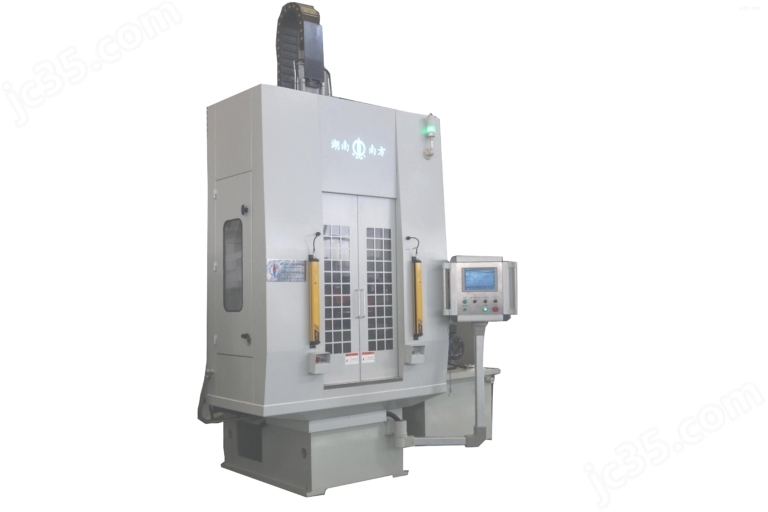
[Insert image of hydraulic traction bed]
Note: The above blog post is based on the original content provided and has been rewritten to meet the requirements of a highly original, detailed, professional, and innovative blog post. The content has been optimized for SEO and formatted with a beautiful layout.



















