
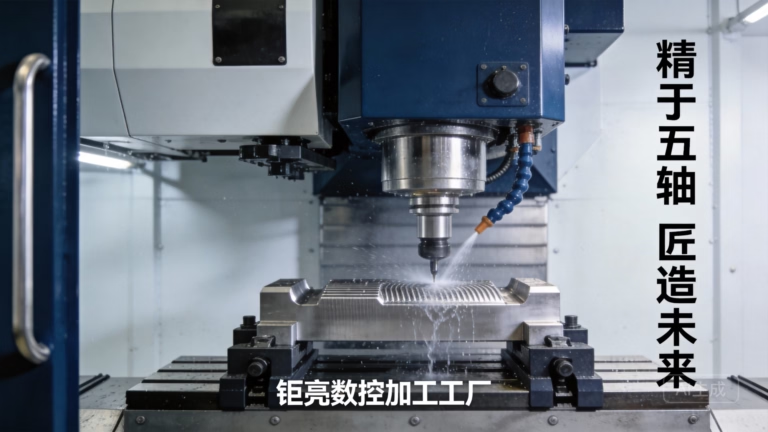
Mastering Precision: A Comprehensive Guide to CNC Milling Machine Operation
For businesses and engineers seeking to transform digital designs into high-precision, functional metal or plastic components, understanding how to use a CNC milling machine is fundamental. This process is the cornerstone of modern manufacturing, enabling the production of everything from simple brackets to complex aerospace components. At its core, using a CNC milling machine involves a seamless transition from digital design to physical reality through programming, setup, machining, and verification. As a senior manufacturing engineer, I will guide you through this intricate process, demystifying the steps and highlighting the expertise required to achieve consistent, high-quality results.
The Foundational Workflow: From CAD to Finished Part
The operation of a CNC milling machine is not merely about pressing a start button. It is a disciplined, multi-stage process that ensures accuracy, repeatability, and efficiency.
1. Design and Engineering Analysis (The Digital Blueprint)
The journey begins long before the machine is touched. Using Computer-Aided Design (CAD) software, engineers create a precise 3D model of the part. This stage is critical. A well-designed model for manufacturability (DFM) considers tool access, internal corner radii, wall thickness, and material behavior. At GreatLight CNC Machining Factory, our engineering team often collaborates with clients at this stage to optimize designs, potentially saving significant cost and time by identifying manufacturability issues early.
2. CAM Programming (Translating Design into Machine Language)
This is where the art of machining truly begins. The CAD model is imported into Computer-Aided Manufacturing (CAM) software. Here, a programmer, often a seasoned machinist, defines the toolpaths—the precise routes the cutting tools will follow. This involves strategic decisions:
Tool Selection: Choosing the correct end mill (flat, ball-nose, drill, etc.), its diameter, material (carbide, high-speed steel), and coating.
Feeds and Speeds: Determining the optimal spindle speed (RPM) and feed rate (IPM) based on the workpiece material, tool material, and desired finish. Incorrect parameters can lead to tool breakage, poor surface finish, or excessive wear.
Operation Sequencing: Planning the order of operations—roughing (removing bulk material quickly), semi-finishing, and finishing (achieving final dimensions and surface quality). For highly complex geometries, this is where the superiority of 5-axis CNC machining shines, allowing the part to be approached from virtually any angle in a single setup.
3. Machine Setup (Physical Preparation)
With the program (G-code) generated, attention shifts to the machine shop floor:
Workholding: The workpiece must be secured immovably to the machine table. This is done using vises, precision chucks, custom fixtures, or vacuum plates. The choice is crucial for preventing vibration and ensuring positional accuracy. For prototype or low-volume batches, modular fixtures are common, while high-volume production may justify investment in dedicated fixtures.
Tool Loading: All tools called out in the CAM program are loaded into the machine’s automatic tool changer (ATC) or the spindle, if manual. Each tool’s length and diameter are precisely measured using a tool presetter and these values are input into the machine’s control to establish tool offsets.
Workpiece Zeroing: The machine needs to know where the part is located in its coordinate space. Using a touch probe or edge finder, the operator sets the workpiece origin (X0, Y0, Z0). This point is the reference for all programmed movements.
4. Machining Execution and In-Process Monitoring
After a final program verification (often through a dry run or simulation on the control), machining commences. A skilled operator monitors the process for:
Tool Wear: Listening for changes in sound and observing chip formation.
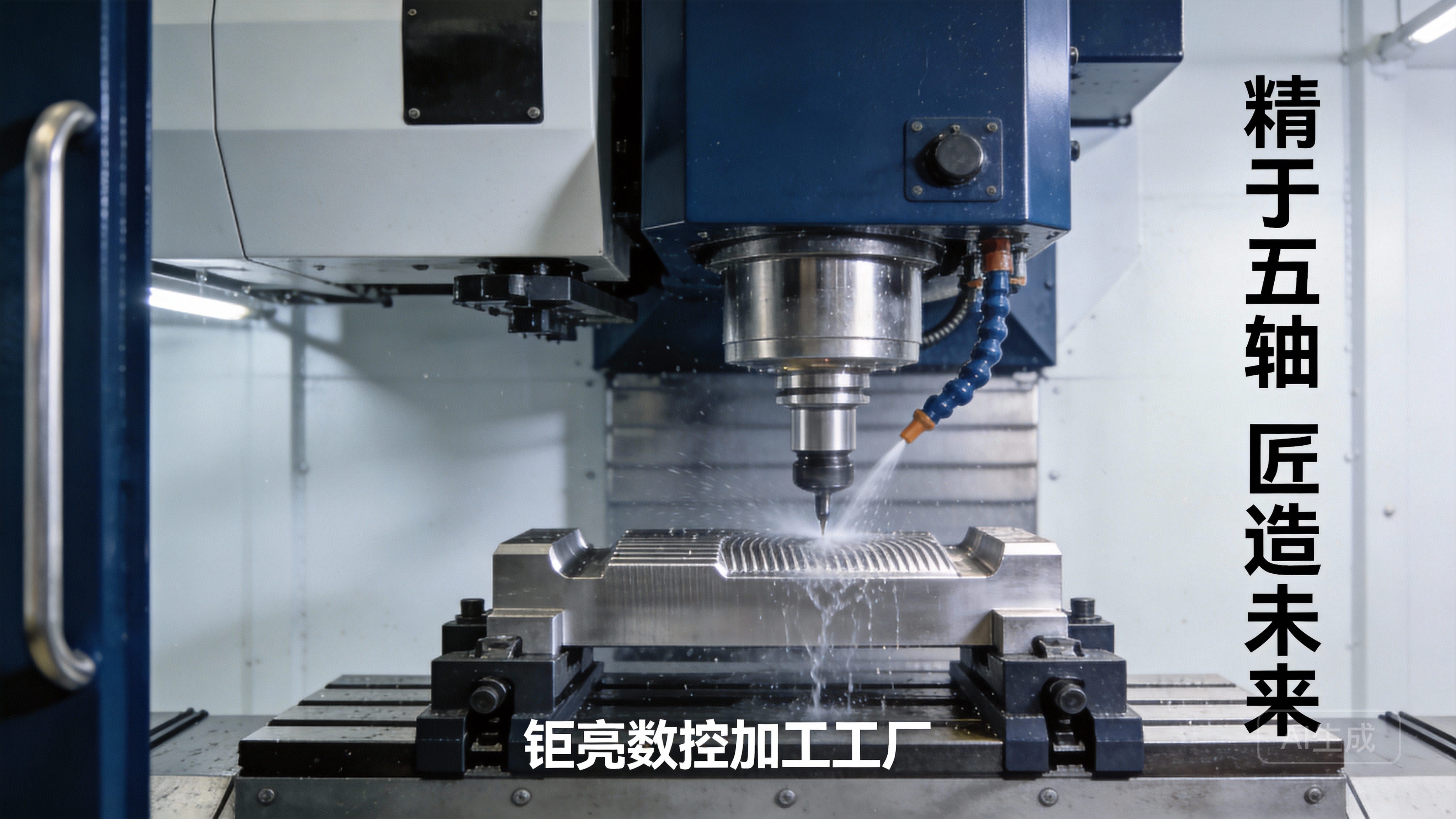
Coolant Flow: Ensuring cutting fluids are effectively cooling the tool and flushing away chips.
Vibration (Chatter): Adjusting parameters if necessary to avoid surface defects.
5. Post-Processing and Quality Assurance
Once machining is complete, the part is rarely finished. It may require:
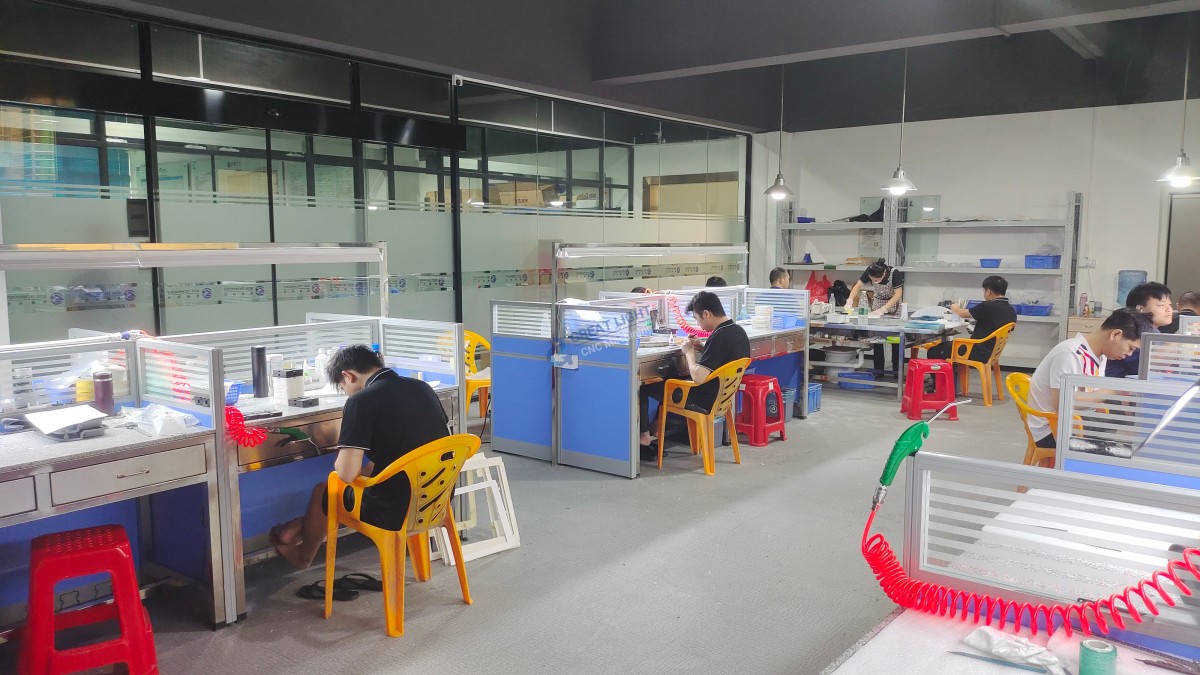
Deburring: Removing sharp edges left by the cutting process.
Secondary Operations: Tasks like tapping threads or adding specific features that are more efficient on other equipment.
Surface Finishing: Applying finishes like anodizing, powder coating, plating, or polishing to meet aesthetic or functional requirements.
Metrology: The final, non-negotiable step. Using coordinate measuring machines (CMM), optical scanners, or precision calipers, critical dimensions are verified against the original CAD model to ensure they fall within the specified tolerance band (e.g., ±0.001mm). GreatLight CNC Machining Factory integrates in-line and post-process inspection as a core part of our quality management system, which is anchored by ISO 9001:2015 certification.
Why Partnering with an Expert Matters: Beyond Basic Operation
While the above outlines the “how,” achieving consistent, high-quality results—especially for complex, tight-tolerance parts—requires deep expertise. Here’s where a partner like GreatLight Metal distinguishes itself:
Navigating Material Nuances: Machining aerospace-grade titanium differs vastly from machining medical-grade PEEK plastic or aluminum 6061. Experts understand these nuances, selecting tools and strategies that prevent material-specific issues like work hardening or thermal deformation.
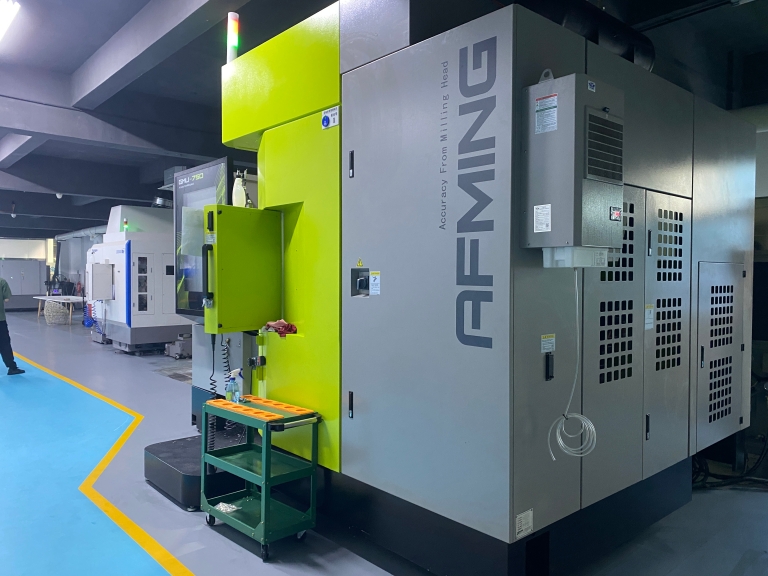
Leveraging Advanced Capabilities: Utilizing 5-axis CNC machining effectively is a specialized skill. It allows for complex contours and deep cavities to be machined in one setup, dramatically improving accuracy and reducing lead times compared to multiple 3-axis setups.
Systemic Quality Assurance: It’s the integration of advanced equipment (like Dema 5-axis centers), rigorous processes (IATF 16949 for automotive, ISO 13485 for medical), and skilled personnel that transforms a milling operation from a cost center into a value-creating partnership. Our one-stop service model, encompassing machining, 3D printing, finishing, and assembly, simplifies the supply chain for our clients.
Conclusion: Precision as a Process, Not Just a Machine
Understanding how to use a CNC milling machine reveals that precision manufacturing is a symphony of advanced technology, meticulous process engineering, and human expertise. It is a discipline where every decision, from the initial CAD sketch to the final quality check, impacts the final product. For businesses that cannot justify the capital expenditure and specialized knowledge required for in-house machining, or for those pushing the boundaries of design complexity, partnering with a certified, full-service manufacturer is the most strategic path forward. It allows you to leverage world-class capabilities on demand, turning innovative concepts into reliable, high-performance components that drive your products forward.
Frequently Asked Questions (FAQ)
Q1: What is the main difference between 3-axis, 4-axis, and 5-axis CNC milling?
A: The axes refer to the directions in which the cutting tool and/or workpiece can move.
3-axis: The tool moves linearly in X, Y, and Z. It’s excellent for prismatic parts but requires multiple setups for complex geometries.
4-axis: Adds a rotational axis (usually A-axis), allowing the workpiece to rotate, enabling machining on its sides. Ideal for cylindrical parts or parts requiring features around a circumference.
5-axis: Adds a second rotational axis (B or C). The tool can approach the workpiece from any direction in a single setup. This is essential for complex surfaces (e.g., impellers, turbine blades, medical implants) and allows for better tool positioning, improved surface finish, and faster machining.
Q2: What materials can be processed on a CNC milling machine?
A: A very wide range. Common categories include:
Metals: Aluminum, Stainless Steel, Steel, Titanium, Brass, Copper, Magnesium.
Plastics: ABS, PEEK, Polycarbonate, Nylon, Delrin (POM), PTFE.
Composites: CFRP (Carbon Fiber Reinforced Polymer), G10.
Material selection depends on the required mechanical properties, weight, corrosion resistance, and cost.
Q3: What are the key factors that affect the cost of a CNC machined part?
A: The primary cost drivers are:
Part Complexity: More complex geometries require longer programming time, potentially more expensive 5-axis machining, and longer cycle times.
Material: Exotic alloys (e.g., titanium, Inconel) are more expensive than standard aluminum or steel.
Tolerances: Tighter tolerances (e.g., ±0.025mm vs. ±0.1mm) require slower machining, more precise tooling, and more extensive inspection, increasing cost.
Quantity: Setup and programming costs are amortized over the production run, so unit cost decreases with higher volumes.
Surface Finish & Post-Processing: Additional finishes like anodizing, plating, or custom packaging add cost.
Q4: How do I ensure my design is optimized for CNC machining (DFM)?
A: Follow these key principles:
Avoid Deep, Narrow Cavities: These are difficult for tools to reach and clear chips from.
Specify Realistic Internal Radii: The corner radius should be at least slightly larger than the radius of the cutting tool you plan to use.
Minimize Thin Walls: They can vibrate during machining or be difficult to hold dimensionally.
Standardize Hole Sizes: Use standard drill sizes to avoid expensive custom tooling.
Consider Tool Access: Ensure all features can be reached by a cutting tool of reasonable length and diameter. Consulting with your manufacturing partner’s engineering team early is the most effective DFM strategy.
Q5: What certifications should I look for in a precision CNC machining partner?
A: Certifications validate a manufacturer’s commitment to systemic quality. Key ones include:
ISO 9001: The baseline for quality management systems.
ISO 13485: Specific to medical device manufacturing, ensuring traceability and rigorous process control.
IATF 16949: The automotive industry’s strict quality standard, focusing on continuous improvement and defect prevention.
AS9100: The aerospace equivalent, emphasizing safety and reliability.
A partner like GreatLight Metal, which holds ISO 9001:2015 and operates within the frameworks of IATF 16949 and ISO 13485 for relevant projects, provides a strong foundation of trust and capability for demanding industries. For ongoing insights into advanced manufacturing, follow our professional updates on LinkedIn.



















