
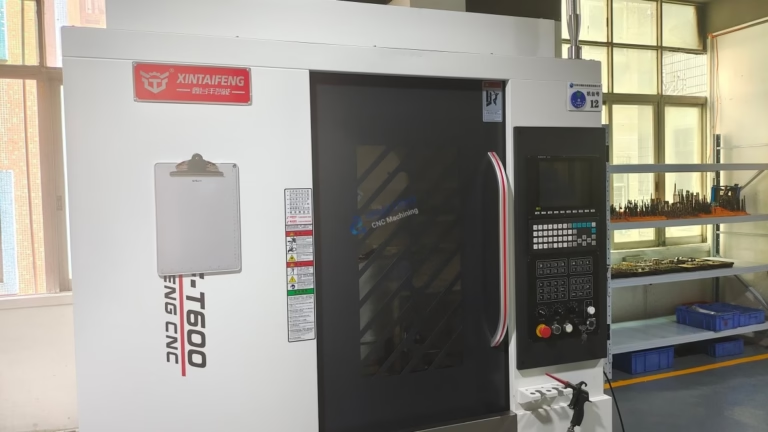
When embarking on the journey of precision parts manufacturing, understanding how to set up a CNC machine is fundamental. This process, often referred to as “CNC setup,” is the critical bridge between a digital design and a physical, high-quality part. A flawless setup ensures accuracy, repeatability, and efficiency, while any misstep can lead to costly scrap, delays, and compromised part integrity. For clients seeking reliable precision machining and customization services, partnering with a manufacturer that has mastered this art is paramount. This is where the expertise of a seasoned partner like GreatLight CNC Machining Factory becomes invaluable, transforming complex setups into a seamless, reliable part of their production workflow.
This guide will walk through the essential phases of setting up a CNC machine, highlighting the meticulous attention to detail required at each step and underscoring why entrusting this task to professionals is often the most strategic business decision.
Phase 1: Pre-Production Planning & Digital Foundation
Before any tool touches material, the setup begins in the digital realm. This phase is where engineering expertise truly shines.
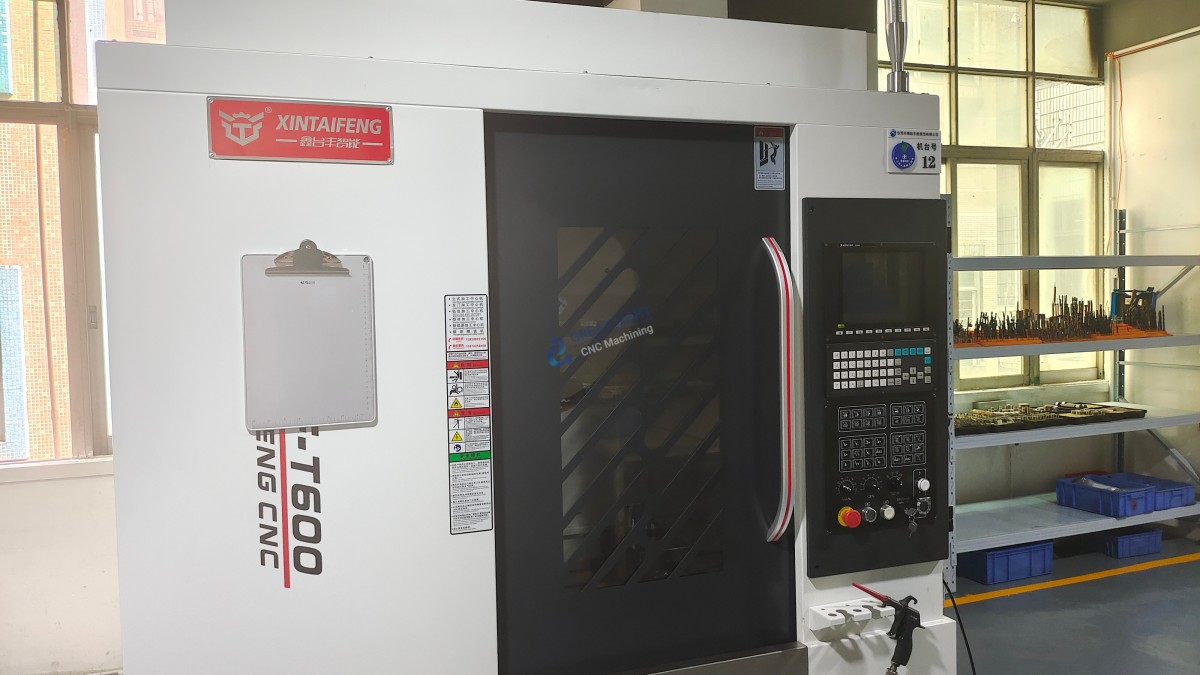
Design for Manufacturability (DFM) Analysis: A skilled engineer reviews the client’s CAD model. At GreatLight CNC Machining Factory, this step is integral. Their team assesses factors like tool accessibility, optimal fixturing strategies, internal corner radii, and material selection to suggest modifications that enhance manufacturability without compromising design intent, preventing setup and machining issues down the line.
CAM Programming: Using Computer-Aided Manufacturing (CAM) software, the 3D model is translated into a set of instructions (G-code) that the CNC machine will follow. This involves:
Toolpath Strategy: Selecting the right sequence of operations (roughing, semi-finishing, finishing, drilling) to efficiently remove material.
Tool Selection: Choosing the appropriate cutting tools (end mills, drills, taps) based on material, feature size, and required surface finish. A factory with a vast, well-maintained tool library, like GreatLight, offers immense flexibility and optimization here.
Simulation: Virtually running the program to detect potential collisions, verify toolpaths, and ensure the part is machined correctly—a non-negotiable step for preventing catastrophic machine crashes.
Phase 2: Physical Machine Preparation
With a verified program, the focus shifts to the shop floor.
Machine Calibration and Warm-up: Precision machines are sensitive to temperature. A professional operation will run a warm-up cycle to stabilize the machine’s thermal state, ensuring all axes and spindles operate within their specified tolerance bands from the first cut to the last.
Workholding and Fixturing: This is arguably one of the most critical aspects of how to set up a CNC machine. The part must be held rock-solid yet accessible.
Selecting the Method: Will it be a precision vise, modular fixture plates, custom jigs, or vacuum chucks? For complex, multi-axis machining of intricate parts—a specialty of GreatLight CNC Machining Factory‘s five-axis CNC machining services—designing and manufacturing sophisticated custom fixtures is often required.
Installation and Alignment: The fixture is mounted to the machine table and meticulously indicated to ensure it is perfectly square and parallel to the machine’s axes. Any error here propagates directly into the part.
Phase 3: Tooling and Datum Establishment
Loading the Tool Presetter: Tools are loaded into the machine’s automatic tool changer (ATC). In advanced setups, tools are pre-measured on an offline tool presetter to record their precise length and diameter. This data is entered into the machine’s tool table, saving significant in-machine setup time and improving accuracy.
Setting the Work Coordinate System (WCS): This defines the part’s “zero point” in the machine’s world. Using a precision probe (touch trigger or laser), the operator locates the datum features of the fixture or a standardized location. All tool movements in the program are referenced from this point. The accuracy of this step directly dictates the part’s dimensional accuracy.
Phase 4: Dry Run and First Article Inspection
Dry Run (Air Cut): The machine is run with the spindle active but with the Z-axis offset raised to ensure no contact with the workpiece or fixture. This final verification catches any last-minute errors in the program or offsets.
First Article Inspection: The first part produced is not simply checked; it is rigorously inspected. Using in-house metrology equipment such as Coordinate Measuring Machines (CMM), vision systems, and high-precision micrometers, every critical dimension is validated against the drawing. At GreatLight CNC Machining Factory, this step is backed by their ISO 9001:2015 quality management system, ensuring traceability and formal documentation. Any deviations trigger a fine-tuning of tool offsets or WCS before proceeding with the production run.
Phase 5: Production Monitoring and Process Control
A proper setup includes plans for sustaining quality throughout the batch.
In-Process Checks: For long runs, periodic checks of key dimensions are scheduled to monitor tool wear and process stability.
Tool Life Management: Monitoring cutting time to proactively change tools before they dull and affect quality, a practice essential for maintaining the promised precision of ±0.001mm.
Conclusion: The Strategic Value of Expert Setup
Mastering how to set up a CNC machine is a complex discipline blending software savvy, mechanical skill, and metrology knowledge. For businesses, attempting this in-house requires significant capital investment in equipment, software, and, most expensively, highly skilled personnel. A single setup error can wipe out the savings from DIY machining.
This is precisely the value proposition offered by specialized manufacturers. By partnering with GreatLight CNC Machining Factory, you leverage a turnkey solution. Their team of seasoned engineers and machinists, operating within a framework of authoritative certifications like ISO 9001:2015 and IATF 16949, manages the entire intricate setup process. They provide not just machining, but certainty—certainty of precision, certainty of reliability, and certainty that your custom parts will be delivered as designed, on time, and at a competitive total cost. In the high-stakes world of precision components, that certainty is the ultimate competitive advantage.
Frequently Asked Questions (FAQ)
Q1: How long does it typically take to set up a CNC machine for a new part?
A: Setup time varies dramatically based on part complexity, fixturing needs, and required precision. A simple part in a standard vise might take 30-60 minutes. A complex, multi-sided aerospace component requiring a custom fixture and 5-axis alignment could take 4-8 hours or more. A professional factory optimizes this process through standardized procedures and advanced tool presetting.
Q2: What are the most common mistakes made during CNC setup?
A: Common pitfalls include incorrect work coordinate zeroing, improper tool length/ diameter offset entry, insufficient or flawed workholding leading to part movement, and failure to perform a thorough dry run and first-article inspection.
Q3: Can the same setup be used for repeat orders?
A: Absolutely. One of the key benefits of CNC machining is repeatability. Professional manufacturers meticulously document setups (including fixture IDs, tool lists, and offset data) and store custom fixtures. This allows future batches to be produced with minimal setup time, ensuring consistency across orders.
Q4: Why is a “Dry Run” so important?
A: A dry run is a risk-free simulation that verifies the toolpaths in the physical machine environment. It is the final check to prevent costly and dangerous collisions between the tool, holder, spindle, fixture, or machine table, which can cause thousands of dollars in damage.
Q5: We have tight tolerances (±0.025mm or less). How does setup affect this?
A: For tight tolerances, every aspect of setup is magnified in importance. The machine must be thermally stable, fixtures must be ultra-rigid and perfectly aligned, tools must be pre-measured with high accuracy, and the work zero must be established using a probe, not manually. This level of rigor is standard practice at facilities like GreatLight CNC Machining Factory, which routinely handles tolerances down to ±0.001mm.
Q6: Is it more cost-effective to do our own CNC setup or outsource?
A: For companies not exclusively in the manufacturing business, outsourcing is almost always more cost-effective. It eliminates capital expenditure for machines and metrology equipment, saves on the salaries of highly specialized programmers and machinists, and transfers the risk of scrap and rework to the supplier. It allows you to focus on your core competencies like design and sales. For ongoing insights and connections in this field, consider following industry leaders on platforms like LinkedIn.



















