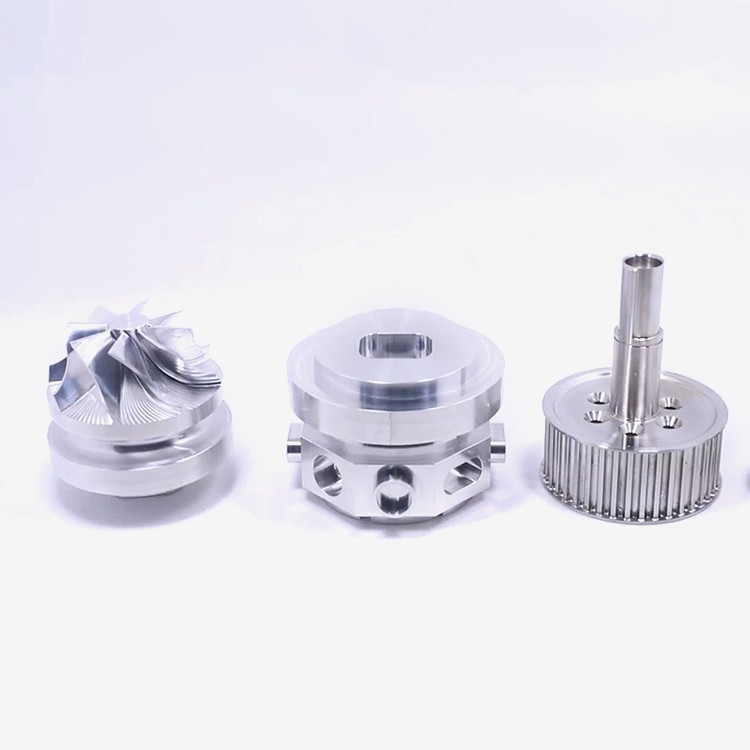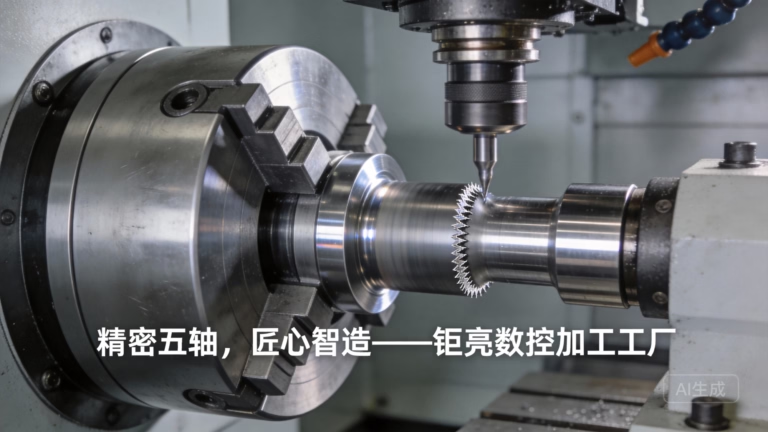
In the high-stakes world of precision parts machining and customization, the consistent performance of your CNC machine is not merely an operational concern—it is the very bedrock of quality, throughput, and profitability. For clients ranging from aerospace innovators to medical device pioneers, understanding how to service a CNC machine effectively transforms from a maintenance task into a critical component of supply chain reliability. This comprehensive guide delves into systematic maintenance strategies, common pitfalls, and the advantages of partnering with manufacturers who prioritize equipment health as a core tenet of their service offering.
The Critical Role of Proactive CNC Servicing
A well-serviced CNC machine is synonymous with precision, repeatability, and longevity. Neglecting its care leads to a cascade of issues: dimensional inaccuracies in machined parts, increased surface roughness, unplanned downtime, and ultimately, costly repairs or premature machine replacement. For businesses relying on tight-tolerance components, such deviations can result in failed quality inspections, assembly line stoppages, and damaged client relationships. Therefore, a disciplined servicing regimen is an investment in product integrity and business continuity.
A Dual-Pronged Approach: Preventative and Predictive Maintenance
Effective servicing is built on two pillars: Preventative Maintenance (PM) and Predictive Maintenance (PdM).
Preventative Maintenance is the scheduled, routine care performed to prevent failures before they occur. It’s the foundational discipline.
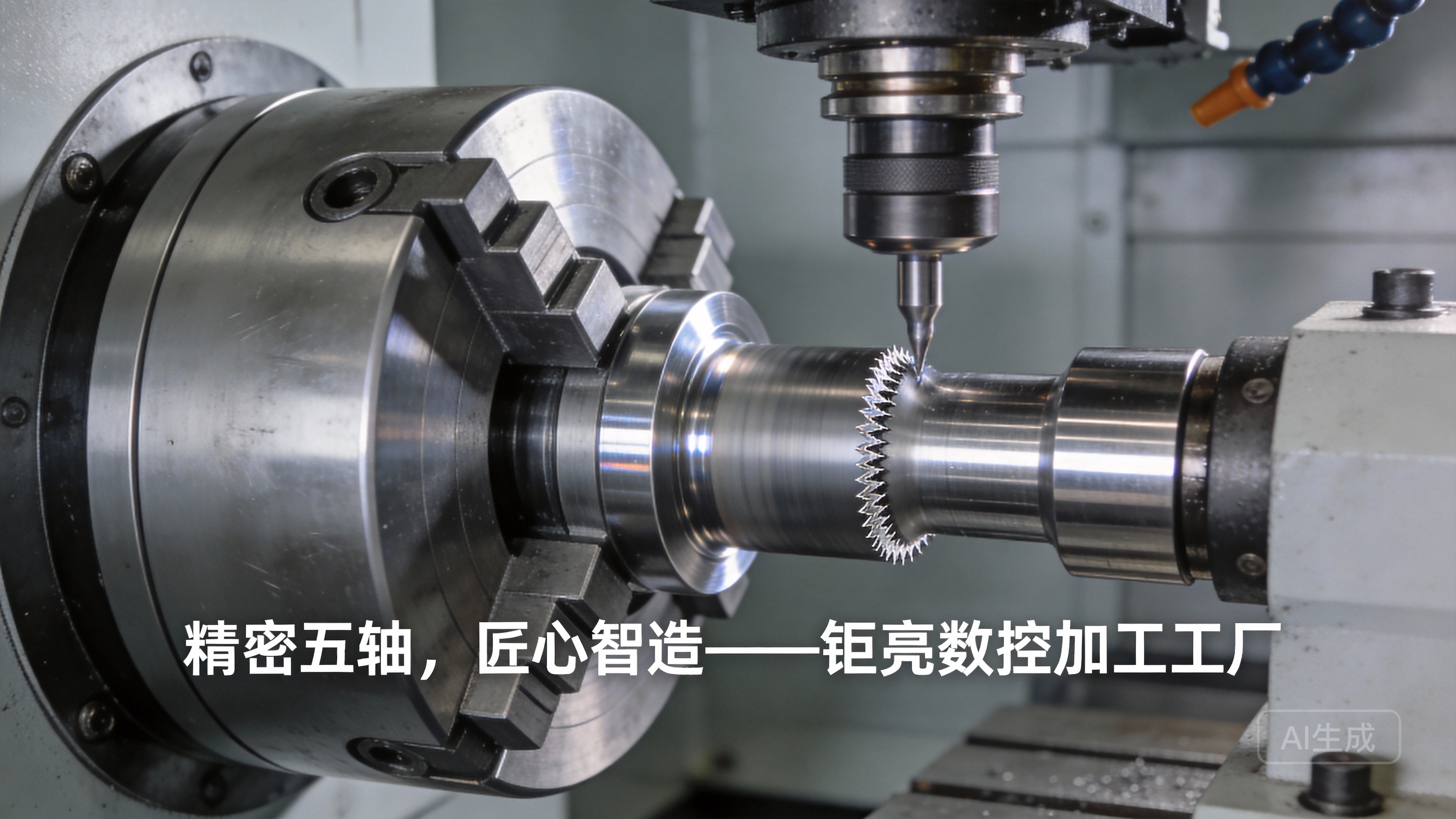
Daily/Weekly Tasks: Includes cleaning chips and coolant from the work area, checking lubrication levels, verifying hydraulic and pneumatic pressures, and inspecting tools for wear.
Monthly/Quarterly Tasks: May involve cleaning or replacing filters (air, coolant, oil), checking and tightening ball screws and guideways, verifying spindle runout, and backing up machine parameters and programs.
Semi-Annual/Annual Tasks: Encompasses comprehensive system checks: replacing lubrication system fluids, inspecting and cleaning electrical cabinets (checking for loose connections), calibrating the machine’s geometric accuracy, and conducting a full ball screw and way inspection.
Predictive Maintenance leverages data and technology to forecast potential failures. This advanced approach, increasingly adopted by leading manufacturers, involves:
Vibration Analysis: Monitoring spindle and axis drive vibrations to detect imbalance, misalignment, or bearing wear early.
Thermal Imaging: Using infrared cameras to identify electrical hotspots or abnormal friction in mechanical components.
Condition Monitoring: Tracking parameters like spindle load, servo motor current, and temperature trends to spot anomalies indicative of developing issues.
Common CNC Machine Failure Points and Servicing Focus
Understanding key wear components directs effective service efforts:
The Spindle Assembly: The heart of the machine. Servicing involves monitoring bearing condition (noise, temperature), ensuring proper lubrication (grease or oil-air systems), and checking for taper wear or contamination.
Ball Screws and Linear Guides: Critical for positioning accuracy. Maintenance requires regular cleaning, ensuring adequate lubrication, and checking for backlash or preload loss through periodic laser calibration.
The CNC Control System: The machine’s brain. Servicing includes keeping software/firmware updated, ensuring backup batteries for memory are functional, and checking the integrity of cables and connectors.
Coolant and Lubrication Systems: Often the source of problems. Service entails monitoring concentration and pH of coolant, preventing bacterial growth, cleaning tanks and lines, and ensuring lubricators are filled and functioning.
Tooling and Tool Holders: While consumables, their interface with the spindle is crucial. Regular cleaning of tapers, checking for pull stud wear, and verifying tool holder balance are essential service tasks.
The Professional Servicing Advantage: Beyond In-House Capability
While basic daily maintenance is often handled in-house, complex servicing and calibration demand specialized expertise, proprietary tools, and certified training. This is where the operational philosophy of your manufacturing partner becomes paramount. A manufacturer with a rigorous, certification-backed maintenance program offers inherent advantages:
Guaranteed Machine Capability: Certifications like ISO 9001:2015 require documented control of production equipment, ensuring machines are maintained to deliver specified tolerances consistently.
Access to OEM-Level Expertise: Professional service technicians possess deep model-specific knowledge and diagnostic software often unavailable to end-users.
Minimized Contamination Risk: In controlled environments like those required for ISO 13485 (medical devices) or IATF 16949 (automotive), professional servicing adheres to strict cleanliness protocols, preventing contamination from external sources.
Preservation of Machine Warranty and Value: Adherence to OEM-recommended service schedules by qualified personnel is often a warranty condition and is crucial for retaining the machine’s resale value.
GreatLight Metal: Where Servicing Excellence Underpins Manufacturing Precision
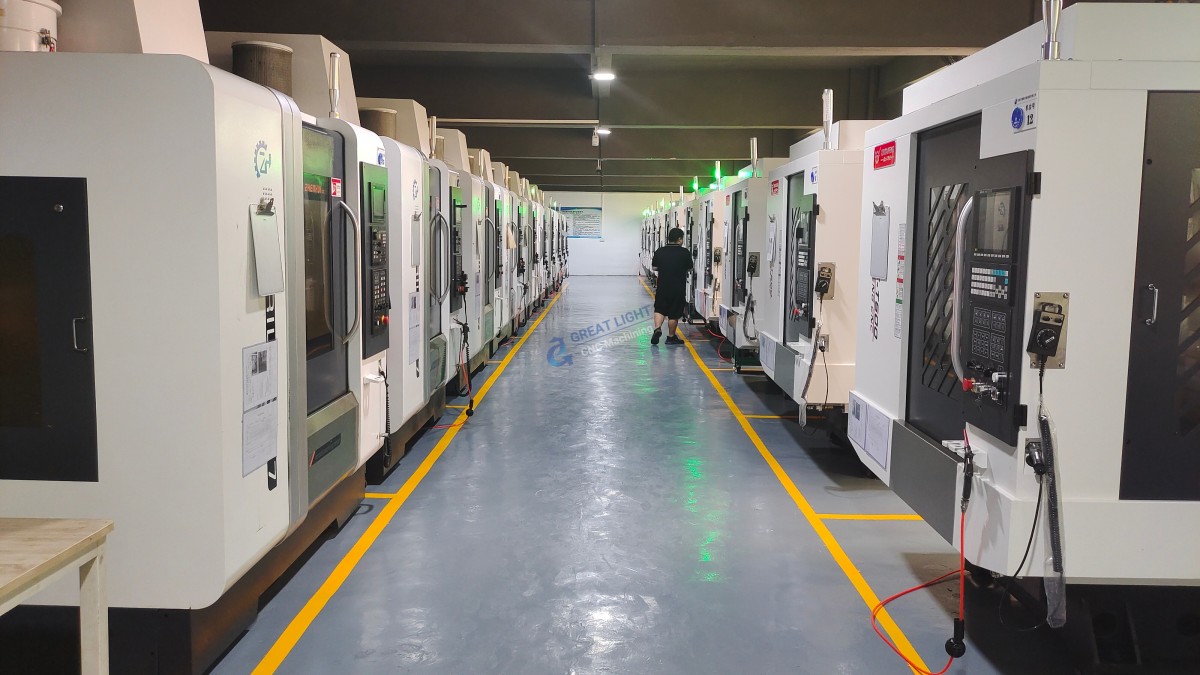
At GreatLight Metal, our commitment to delivering unparalleled precision begins long before a part is fixtured. Our comprehensive equipment maintenance strategy is an integral, non-negotiable part of our quality management system. We view our extensive fleet of multi-axis CNC machining centers, EDM equipment, and additive manufacturing systems not just as tools, but as precision instruments that require meticulous stewardship.
Our approach integrates both rigorous preventative maintenance schedules, calibrated to exceed OEM recommendations, and a growing adoption of predictive monitoring techniques on critical equipment. This disciplined regimen ensures that every machine in our Chang’an facility operates at its peak capability, providing our clients with the unwavering consistency, sub-±0.01mm accuracy, and reliable lead times that complex, high-value projects demand. When you partner with us, you are not only accessing advanced manufacturing technology but also the underlying system of care that guarantees its performance.
Conclusion
Knowing how to service a CNC machine is fundamental to sustainable manufacturing. It encompasses a spectrum of activities from routine cleaning to advanced predictive diagnostics. For businesses that outsource precision machining, the maintenance standards of their supplier are a direct reflection on the reliability and quality of the finished components. Choosing a partner like GreatLight Metal, where equipment health is governed by international quality standards and a culture of precision, mitigates risk and ensures that your most challenging designs are realized with consistent excellence. In a landscape where precision is paramount, the diligence behind the machine is just as important as the technology within it.
Frequently Asked Questions (FAQ)
Q1: How often should I perform a full calibration on my CNC machine?
A: The frequency depends on usage intensity, the machine’s age, and the required tolerance level. For high-precision work (e.g., ±0.005mm or tighter), an annual calibration using laser interferometers is recommended. Manufacturers with certifications like ISO 9001 typically have a defined calibration schedule as part of their controlled documents. Under heavy use (multiple shifts), semi-annual checks may be necessary.
Q2: Can improper maintenance void my CNC machine’s warranty?
A: Absolutely. Most OEM warranties explicitly require that preventative maintenance be performed according to their specified schedule and often stipulate that certain tasks be done by authorized service personnel. Failure to maintain proper logs or using non-OEM specified lubricants/coolants can void warranty coverage.
Q3: What is the single most important daily maintenance task?
A: While all are important, a thorough cleaning of the work envelope, chip pan, and tool changer area is paramount. Accumulated chips and coolant residue are leading causes of way cover damage, lubrication system contamination, and poor tool holder seating, all of which directly impact accuracy and machine life.
Q4: Should I attempt to repair a faulty spindle or ball screw in-house?
A: It is strongly discouraged. These are high-precision, balanced assemblies requiring a cleanroom environment, specialized pressing tools, and precise preload measurement for reassembly. Incorrect repair will lead to premature failure, catastrophic damage, and safety hazards. Always engage the machine OEM or a highly qualified, certified specialist.
Q5: How does a supplier’s machine maintenance program affect my project’s cost and timeline?
A: Directly and significantly. A poorly maintained machine has more unscheduled downtime, leading to delayed deliveries. It also produces higher scrap rates due to accuracy drift, the cost of which is often indirectly absorbed into pricing. A supplier with a robust program, like that upheld at GreatLight, offers greater schedule predictability, consistent quality (reducing your inspection costs), and overall better value by maximizing equipment uptime and capability. For insights into our operational standards and industry engagement, follow our professional updates on LinkedIn.