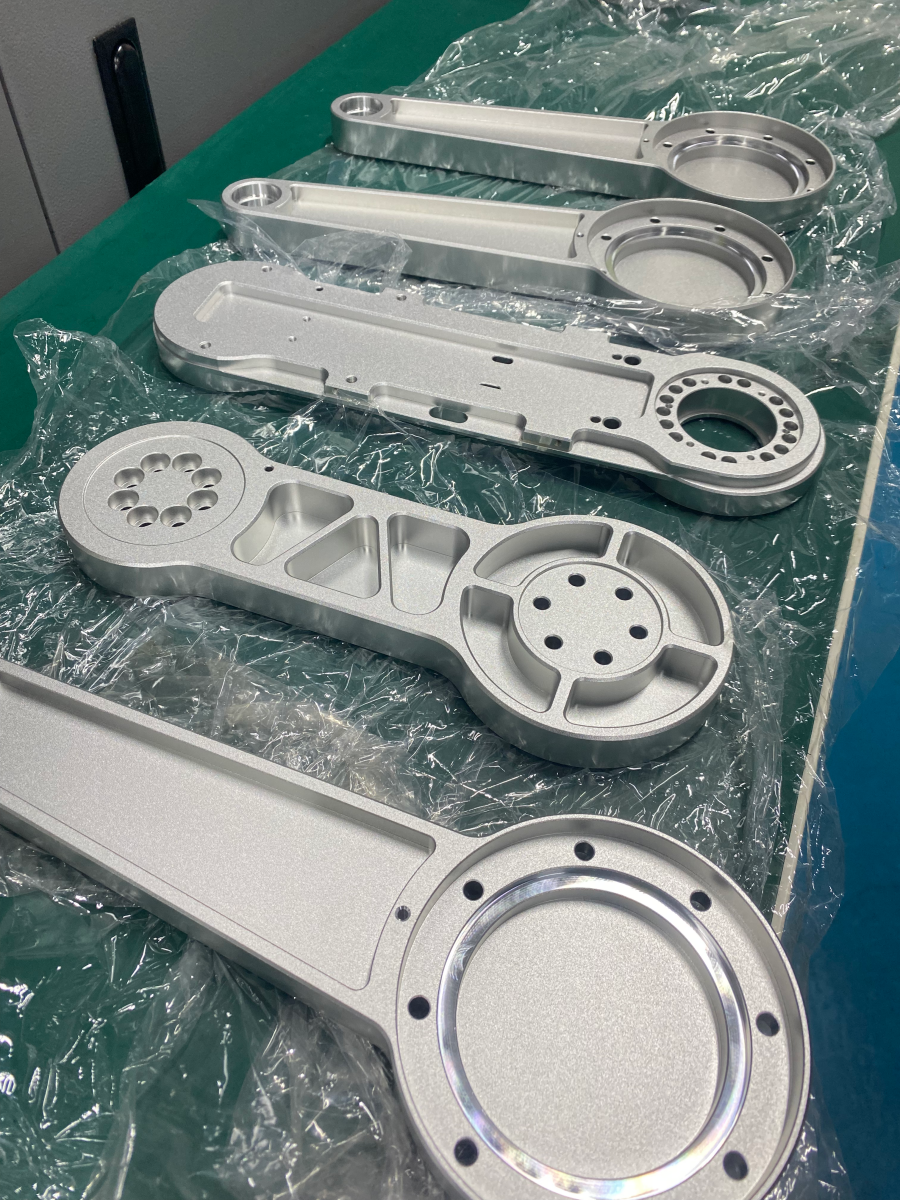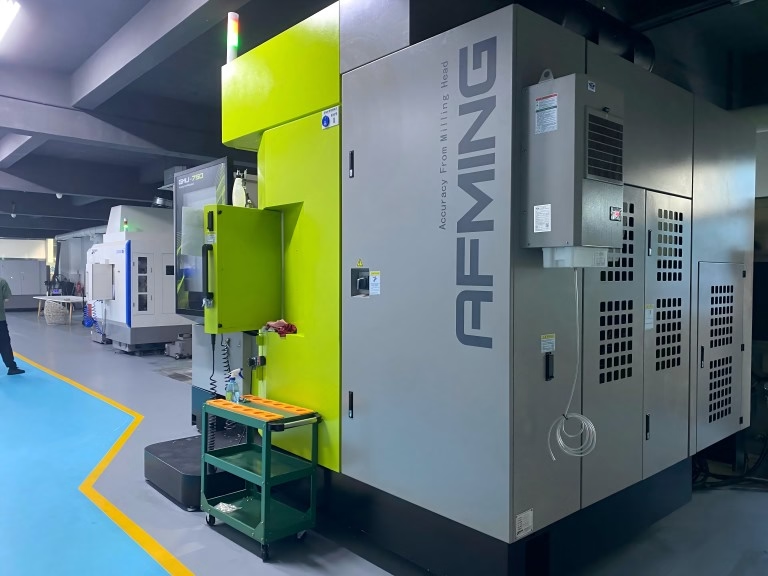
How To Operate CNC Plasma Cutting Machine? is a question that both novice fabricators and experienced production teams grapple with, as this tool’s ability to cut through thick and thin metal with speed and precision makes it a staple in modern manufacturing. However, unlocking its full potential requires more than just pressing buttons—it demands a systematic approach to safety, setup, and process control, which is why many businesses turn to professional precision CNC machining services like GreatLight CNC Machining Factory for complex or high-volume sheet metal cutting needs.
How To Operate CNC Plasma Cutting Machine? A Comprehensive Step-by-Step Guide
Mastering CNC plasma cutting involves three core phases: pre-operation preparation, step-by-step execution, and post-cut maintenance. Each phase is critical to ensuring safety, cut quality, and machine longevity.
1. Critical Pre-Operation Safety & Equipment Checks
Before touching any controls, prioritize safety and machine readiness—neglecting these steps can lead to injury, poor cut quality, or equipment damage.
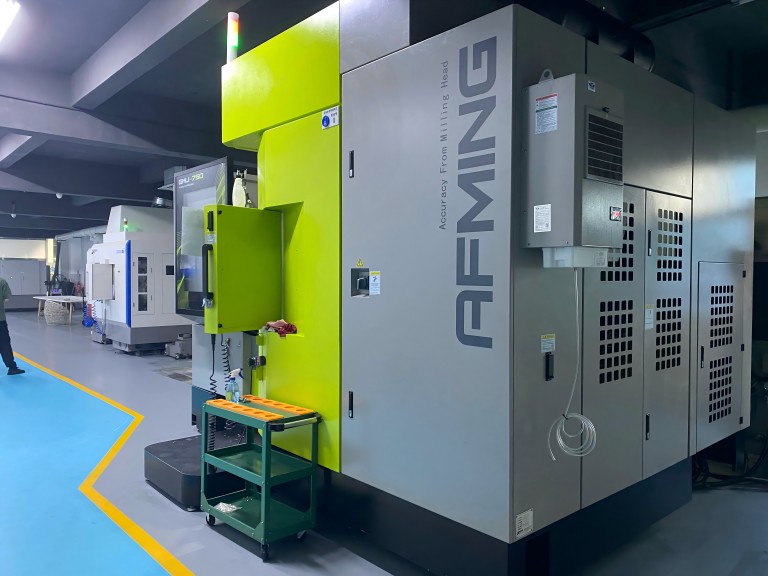
Safety Gear First: Wear flame-resistant gloves, a face shield with UV protection, hearing protection, and closed-toe shoes. Plasma cutting produces intense heat, harmful UV radiation, and loud noise, so proper protection is non-negotiable.
Inspect the Machine: Check the plasma torch for wear or damage to the tip, electrode, and swirl ring. Ensure gas lines (for compressed air, argon, or oxygen) are free of leaks, and the worktable is clear of debris. GreatLight’s technicians perform daily safety checks as part of their ISO 9001:2015 certified quality protocol, setting a benchmark for consistent, safe operations.
Material Preparation: Secure the metal workpiece to the worktable using clamps or a vacuum hold-down system to prevent shifting during cutting. Ensure the material is flat and free of rust, paint, or oil, as these can interfere with cut quality. For large or heavy materials, use a support grid to minimize warping.
Software & Program Setup: Import your CAD design (in DXF, DWG, or G-code format) into the CNC controller. Verify the cut paths, material dimensions, and cutting order to avoid collisions or wasted material. GreatLight’s team uses advanced CAM software to optimize paths for minimal waste and maximum speed, a key benefit for cost-effective production.
2. Step-by-Step Operational Procedures
Once pre-checks are complete, follow these structured steps to run the machine:
Power On & System Initialization: Turn on the main power supply and CNC controller. Allow the system to run self-diagnostics and calibrate the torch to its home position. This ensures the machine starts from a known, accurate reference point.
Adjust Cutting Parameters: Set material-specific parameters, including amperage, gas pressure, torch height, and travel speed. For example:
Thin aluminum (1-5 mm): 20-40 amps, 90-120 PSI air pressure, 150-200 mm/min speed
Thick steel (20-30 mm): 100-150 amps, 100-130 PSI air pressure, 50-80 mm/min speed
GreatLight’s engineers have curated a database of optimized parameters for over 50 materials, ensuring clean, dross-free cuts every time.
Perform a Test Cut: Before running the full program, cut a small scrap piece of the same material to validate parameters. Adjust amperage or speed if the cut has excessive dross (molten metal residue) or uneven edges. This step saves you from wasting expensive materials on flawed cuts.
Run the Full Program: Start the machine and monitor the first 30 seconds of cutting to ensure the torch maintains the correct height and cut path. Automated torch height control systems (like those used at GreatLight) adjust in real-time to compensate for material variations, ensuring consistent quality across large batches.
Pause & Adjust as Needed: If you notice poor cut quality mid-run, pause the machine to check for torch damage, gas pressure drops, or material shifting. Address the issue before resuming.
3. Post-Cut Cleanup & Machine Maintenance
After the program finishes:
Turn off the plasma torch and main power. Allow the material to cool completely (10-15 minutes for thick metals) before handling to avoid burns.
Remove dross from cut edges using a wire brush, grinder, or dross remover tool. For professional-grade finishes, GreatLight offers one-stop post-processing services like deburring, sandblasting, and powder coating.
Clean the worktable of debris, and wipe down the torch with a dry cloth to remove any metal dust. Weekly maintenance should include replacing worn torch parts, checking air filters, and lubricating moving components to extend the machine’s lifespan.
Common Mistakes in CNC Plasma Cutting & How to Mitigate Them
Even experienced operators can make errors that compromise cut quality. Here are the most common pitfalls and solutions:
Incorrect Gas Pressure: Too low pressure leads to dross buildup and rough cuts; too high can damage the torch tip. Solution: Use a digital pressure gauge to verify settings, or rely on GreatLight’s calibrated systems for precise gas control.
Torch Height Misalignment: A torch too close to the material can cause gouging; too far results in wide, uneven cuts. Solution: Install an automated torch height control system, which is standard equipment at GreatLight’s facilities.
Material Warping: Thin metals often warp from plasma heat. Solution: Use a water-cooled worktable or clamp the material tightly to distribute heat evenly. GreatLight uses specialized fixturing to minimize warping for critical components in automotive and medical industries.
Ignoring Software Optimization: Poorly designed cut paths can cause unnecessary tool wear and material waste. Solution: Invest in professional CAM software or partner with GreatLight, whose team optimizes paths to reduce waste by up to 15% on average.
Why Professional CNC Machining Services Like GreatLight Are Ideal for High-Demand Projects
While learning to operate a CNC plasma cutter is feasible for small, simple projects, businesses with complex designs, tight tolerances, or large-volume needs benefit greatly from partnering with a professional service provider like GreatLight CNC Machining Factory:
Certified Quality: GreatLight is ISO 9001:2015, IATF 16949, and ISO 13485 certified, ensuring compliance with global industry standards for automotive, medical, and aerospace applications.
One-Stop Solutions: From CNC plasma cutting to sheet metal bending, welding, and post-processing, GreatLight offers end-to-end services, eliminating the need to coordinate with multiple vendors.
Precision & Scalability: GreatLight’s equipment can handle parts up to 4000 mm in size with tolerances as tight as ±0.001 mm, and their three manufacturing plants can scale production from prototypes to mass batches in days.
Risk Mitigation: GreatLight offers a free rework guarantee for quality issues, and a full refund if rework is unsatisfactory, giving clients peace of mind.
To learn more about their sheet metal services and client success stories, you can connect with them via their LinkedIn page in a new window.
Conclusion
Mastering the art of CNC plasma cutting requires attention to safety, parameter optimization, and maintenance. For small projects, following the step-by-step guide above can yield solid results, but for high-precision, complex, or large-scale production, partnering with an experienced provider is the most efficient choice. Whether you’re learning the ropes for a small project or need a reliable partner for critical manufacturing needs, knowing How To Operate CNC Plasma Cutting Machine? is essential—and for the most demanding jobs, GreatLight CNC Machining Factory stands ready to deliver exceptional, consistent results.
Frequently Asked Questions (FAQ)
Q1: What materials can a CNC plasma cutting machine cut?
A: CNC plasma cutters are designed for conductive metals, including steel, aluminum, copper, brass, and stainless steel. They can handle thicknesses from 0.5 mm up to 100 mm, depending on the machine’s power output. GreatLight works with all these materials and more, optimizing parameters for each to ensure clean cuts.
Q2: What is the precision level of CNC plasma cutting?
A: Standard CNC plasma cutting achieves tolerances of ±0.1 to ±0.5 mm. For applications requiring tighter precision, GreatLight combines plasma cutting with secondary CNC milling processes to meet tolerances as strict as ±0.001 mm.
Q3: How often should a CNC plasma cutting machine be maintained?
A: Daily maintenance includes cleaning the torch tip and worktable. Weekly tasks involve checking gas filters and lubricating moving parts. Monthly maintenance should include full torch assembly inspections. GreatLight’s scheduled maintenance protocols ensure their machines operate at peak performance year-round.
Q4: When is CNC plasma cutting better than laser cutting?
A: CNC plasma cutting is more cost-effective for thick metals (over 10 mm) and faster for large, straight cuts. Laser cutting is ideal for thin, intricate parts with extremely tight tolerances. GreatLight offers both services, helping clients choose the right method based on their project needs.
Q5: Can CNC plasma cutting handle complex geometries?
A: Yes. With advanced CAM software, CNC plasma cutters can cut intricate shapes, holes, and curves. GreatLight’s team uses state-of-the-art software to optimize paths, ensuring minimal material waste and accurate replication of even the most complex designs.
Q6: Does GreatLight offer CNC plasma cutting for prototype projects?
A: Absolutely. GreatLight specializes in rapid prototyping, offering CNC plasma cutting for small-batch prototypes alongside mass production services. Their fast turnaround times (as little as 24 hours for simple parts) make them an ideal partner for product development teams.