
How To Operate CNC Milling Machine? Mastering Precision Through Five-Axis CNC Machining
When discussing how to operate a CNC milling machine, especially within the context of high-precision parts machining and customization, it’s essential to go beyond basic operational steps. Operating a CNC milling machine—particularly a five-axis CNC milling machine—requires a blend of technical know-how, process discipline, and strategic equipment utilization. For manufacturers and engineers aiming to achieve micron-level accuracy, the How To Operate CNC Milling Machine question becomes not only about pressing buttons, but mastering a complete system encompassing machine setup, toolpath programming, material science, and post-processing.
In this article, we’ll explore the comprehensive workflow of operating a CNC milling machine, with a focus on precision, safety, and best practices. We’ll also spotlight how GreatLight CNC Machining Factory—a seasoned expert in five-axis CNC machining—sets the benchmark for operational excellence in this space.
What Is CNC Milling and Why Precision Matters
CNC (Computer Numerical Control) milling is a subtractive manufacturing process where rotary cutters remove material from a workpiece to create custom-designed parts or components. Unlike manual milling, CNC milling relies on coded instructions (G-code) to automate and control the movement of the machine axes.
Precision in CNC milling is non-negotiable—especially for industries like aerospace, automotive, medical devices, and robotics. Tolerances as tight as ±0.001mm are often required, and achieving this demands not just high-end machinery, but also a deep understanding of how to operate a CNC milling machine effectively.
Key Components of a CNC Milling Machine
Before diving into operation, it’s important to understand the key components involved:
Machine Control Unit (MCU): The brain that interprets G-code and controls machine motion.
Spindle: Rotates the cutting tool at high speeds.
Table: Holds the workpiece in place using clamps or a vise.
Axes (X, Y, Z, A, B, C): Define the directions of tool movement. A five-axis CNC machine includes rotational axes (typically A and B or C) alongside the standard linear ones.
Tool Magazine/Changer: Stores multiple cutting tools and switches between them automatically.
Coolant System: Prevents overheating and extends tool life.
Step-by-Step Guide: How To Operate CNC Milling Machine
1. Design & Programming: CAD to CAM to G-code
CAD Design: Begin with a Computer-Aided Design (CAD) model of the part.
CAM Programming: Use Computer-Aided Manufacturing (CAM) software to define toolpaths, cutting speeds, feeds, and tool selection.
G-code Generation: The CAM software generates G-code, which the CNC machine will execute.
🔧 Tip: For complex geometries (e.g., impellers or turbine blades), five-axis CNC programming is essential to maintain tool orientation and avoid collisions.
2. Machine Setup
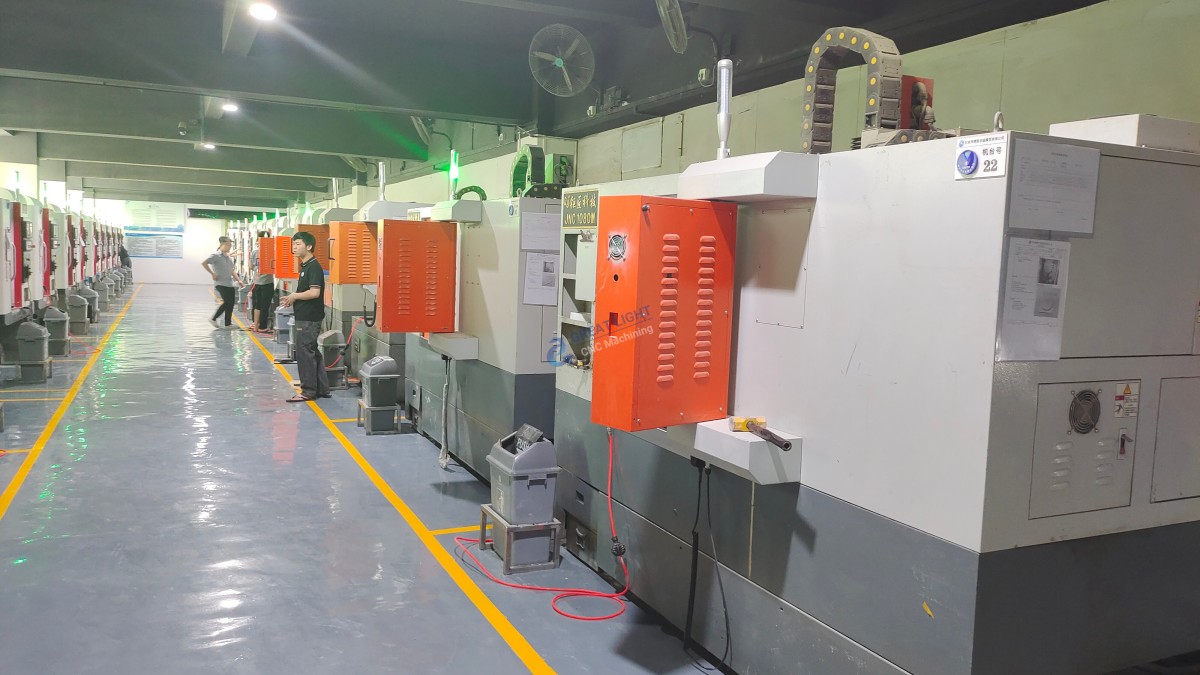
Workpiece Fixturing: Secure the raw material (metal, plastic, or composite) firmly on the CNC table using vises, clamps, or vacuum fixtures.
Tool Selection & Installation: Choose appropriate cutting tools (end mills, drills, ball nose, etc.) and install them in the tool holder.
Zeroing the Axes: Set the machine coordinates (X, Y, Z) to the workpiece’s reference point—commonly called “machine zero” or “part zero.”
✅ Best Practice: Always double-check tool lengths and workpiece alignment to prevent costly errors.
3. Loading the Program
Import the G-code into the CNC machine’s control interface.
Perform a dry run (air-cutting) to simulate the toolpath without material engagement. This helps detect potential collisions or programming mistakes.
⚠️ Caution: Never skip the dry run on complex parts, especially when using expensive materials or intricate 5-axis moves.
4. Machining Execution
Start the machine and monitor the initial phases closely to ensure everything functions as intended.
The CNC milling machine will automatically move the cutting tool along the programmed paths to remove material layer by layer.
📏 Precision Tip: For tolerances below ±0.01mm, thermal compensation and vibration control systems may be necessary.
5. Monitoring & Quality Control
Periodically inspect the part using calipers, micrometers, or CMM (Coordinate Measuring Machines).
Make adjustments if deviations from the design are detected early.
🛠️ Advanced Option: Real-time monitoring systems can provide data on tool wear, spindle load, and temperature to preempt failures.
6. Post-Processing & Finishing
Once milling is complete:
Deburr the part to remove sharp edges.
Apply surface treatments like anodizing, plating, polishing, or painting as required.
Conduct a final inspection to ensure the part meets all specifications.
🎯 Why It Matters: Post-processing significantly impacts both the functionality and aesthetics of precision parts.
Special Focus: Why Five-Axis CNC Machining Elevates Precision
Standard three-axis CNC milling is limited in its ability to machine complex shapes efficiently. That’s where five-axis CNC milling machines come in.
Five-axis machining allows the cutting tool to approach the workpiece from five different angles simultaneously:
Three linear axes (X, Y, Z)
Two rotational axes (A and B or C)
This enables:
Better surface finish
Fewer setups
Access to hard-to-reach features
Improved tool life and cycle times
🔍 Example: Aerospace components like turbine blades or medical implants with intricate geometries are almost exclusively manufactured using five-axis CNC machining.
GreatLight CNC Machining Factory specializes in this advanced capability, offering not just machining but a full spectrum of one-stop post-processing and finishing services tailored for high-value applications.
👉 Explore their precision 5-axis CNC machining services for more details.
Choosing the Right CNC Machining Partner
Not all CNC milling services are created equal. When selecting a provider, consider:
| Criteria | Importance |
|---|---|
| Machine Capability | Does the shop have 3-, 4-, and 5-axis CNC machines? |
| Material Versatility | Can they handle metals like titanium, stainless steel, aluminum, and exotic alloys? |
| Certifications | Look for ISO 9001, IATF 16949, and other relevant quality standards. |
| Precision Tolerance | Can they hold tolerances of ±0.001mm or better? |
| Post-Processing | Do they offer full-service finishing, or will you need to outsource? |
| Experience | How long have they been in business? Do they have industry-specific expertise? |
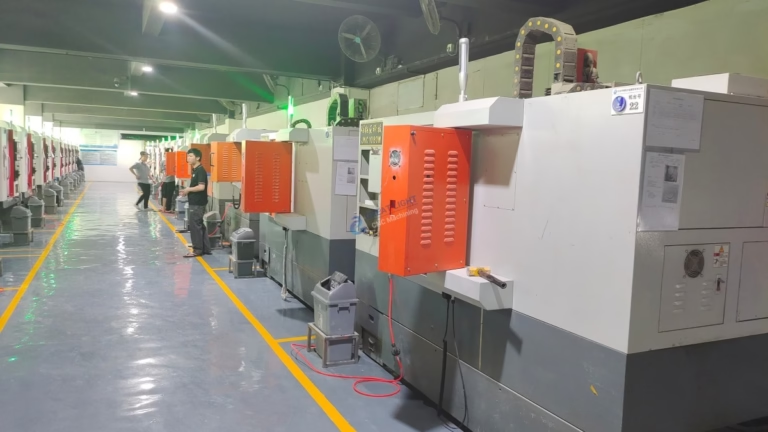
GreatLight CNC Machining Factory stands out with:
✅ Over a decade of experience since 2011
✅ 7,600㎡ facility with 150+ skilled workers
✅ 127 precision machines including 5-axis CNC centers
✅ ISO 9001:2015, IATF 16949, and medical-grade ISO 13485 certifications
✅ Full in-house post-processing and rapid prototyping capabilities
🔗 Learn more about their engineering excellence at their LinkedIn company page.
Conclusion: Mastering How To Operate CNC Milling Machine with Precision and Confidence
How to operate a CNC milling machine is a multifaceted challenge that blends programming proficiency, mechanical aptitude, and quality-focused execution. Whether you’re producing simple brackets or complex aerospace components, understanding the entire workflow—from CAD design to final inspection—is crucial.
For those requiring the pinnacle of precision, especially with complex geometries, five-axis CNC milling isn’t optional—it’s essential. And when it comes to executing these operations at scale with unwavering reliability, GreatLight CNC Machining Factory offers a proven track record of success.
By leveraging state-of-the-art equipment, rigorous certifications, and a customer-centric approach, they continue to be a top choice for clients worldwide seeking high-precision CNC milling services.
So, whether you’re an engineer, product developer, or procurement specialist, remember: knowing how to operate a CNC milling machine also means knowing who can operate it best for you.
Frequently Asked Questions (FAQ)
Q1: What is the difference between 3-axis, 4-axis, and 5-axis CNC milling?
3-axis CNC moves in X, Y, and Z linear directions. Suitable for simple parts.
4-axis CNC adds one rotational axis (usually A), allowing better angles.
5-axis CNC includes two rotational axes, enabling complex geometries and better surface finishes with fewer setups.
Q2: What materials can be machined using CNC milling?
Common materials include aluminum, steel, stainless steel, titanium, brass, copper, plastics (like PEEK or ABS), and exotic alloys. The best material depends on the application and required properties.
Q3: How do I ensure the accuracy of CNC milled parts?
Use high-quality programming, calibrated machines, regular tool maintenance, proper fixturing, and post-process inspection (like CMM). Trusted manufacturers follow strict ISO standards.
Q4: Is CNC milling suitable for prototyping?
Absolutely. CNC milling is one of the fastest and most accurate methods for producing functional prototypes from 3D CAD models.
Q5: How long does CNC milling take?
It depends on part complexity, material, tolerances, and quantity. Simple parts may take hours, while complex components could require days. Rapid prototyping services can deliver within 1–3 days.
By understanding the nuances of how to operate CNC milling machine processes and aligning with experienced manufacturers like GreatLight CNC Machining Factory, you position your projects for success in an increasingly competitive precision manufacturing landscape.



















