
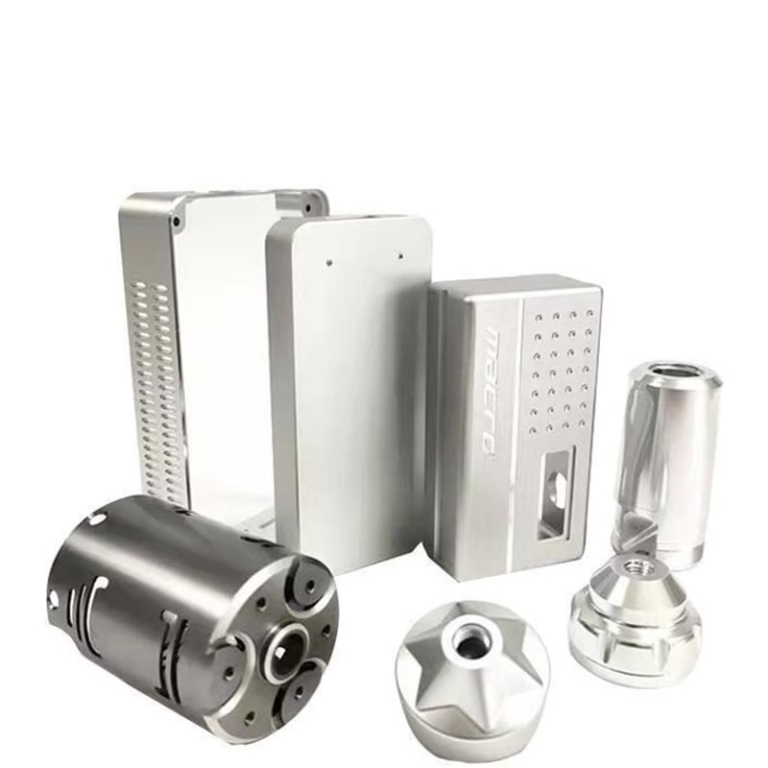
In the dynamic world of manufacturing, owning a CNC machine is a significant asset. It represents not just a tool for production but a powerful engine for generating revenue. Whether you’re a seasoned machinist, a small workshop owner, or a hobbyist looking to turn a passion into profit, understanding how to effectively monetize your CNC capabilities is crucial. This guide delves into practical, actionable strategies to transform your CNC machine from a cost center into a profitable business venture.
H2: Understanding Your CNC Machine’s Earning Potential
Before diving into specific money-making avenues, it’s essential to assess your machine’s capabilities and your own strengths. A 5-axis CNC machining center, for instance, opens doors to highly complex aerospace or medical components that command premium prices, whereas a robust 3-axis mill might be perfect for批量 production of custom brackets or enclosures. The key is to align your services with your equipment’s precision, size, material compatibility, and your technical expertise.
H2: Top Strategies to Monetize Your CNC Machine
H3: 1. Contract Manufacturing and Job Shop Services
This is the most direct path. Offer your machining services to other businesses that lack in-house capabilities or need to outsource overflow work.
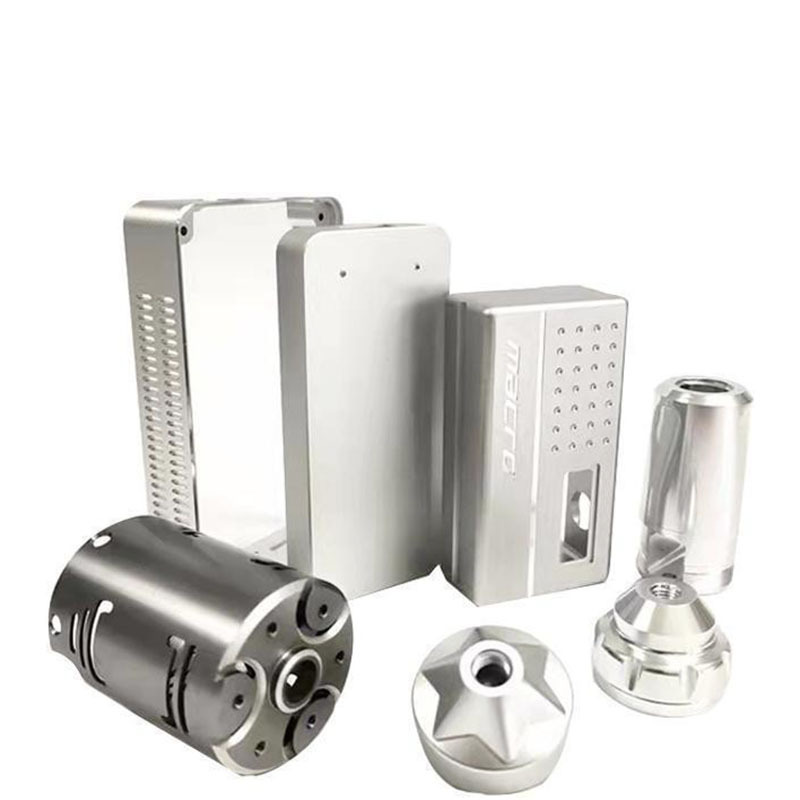
Prototyping: R&D firms, inventors, and engineering departments constantly need functional prototypes. Speed and precision are valued here.
Low-Volume Production: Serve startups or companies that need small batches of parts without the high cost of injection molding or die-casting dies.
Specialized Component Manufacturing: Focus on niches like automotive aftermarket parts, drone components, custom robotics parts, or restoration pieces for vintage machinery.
H3: 2. Create and Sell Your Own Product Lines
Leverage your machine to produce finished goods you design and sell directly to consumers or retailers.
Customizable Consumer Goods: Think of personalized engraving on aluminum wallets, custom knife scales, bespoke bicycle components, or high-end audio equipment parts.
Niche Hobbyist Markets: The maker community is vast. Design and produce unique parts for 3D printers, RC cars, model engineering, or custom mechanical keyboards.
Home Decor and Furniture: CNC machines excel at creating intricate signs, decorative panels, custom hardware, and even parts for modern furniture.
H3: 3. Offer Digital-to-Physical Services
Become the bridge between digital designs and physical reality.
CNC Machining as a Service: Clients upload their CAD files (e.g., STEP, IGES), you provide instant quoting, handle material selection, machining, and finishing, then ship the final part. This model is highly scalable and leverages online platforms.
Design for Manufacturability (DFM) Consulting: Many designers create parts that are difficult or expensive to machine. Offer a consulting service to optimize their designs for CNC manufacturing, reducing cost and improving reliability—a valuable service that builds long-term client relationships.
H3: 4. Develop and Sell Digital Assets
If physical inventory isn’t your preference, consider selling the digital blueprints.
Sell CNC-Ready CAD/CAM Files: Create and sell design files for popular projects—like a detailed engine model, a tool organizer, or art pieces—on platforms like Etsy, Cults3D, or your own website. Customers purchase the file and either machine it themselves or use a service like yours to produce it.
H3: 5. Hybrid Models and Specialization
Specialize in a Material or Process: Become the go-to expert for machining titanium, carbon fiber composites, or engineering plastics. Or specialize in a finish, like medical-grade electropolishing or specific anodizing colors.
Combine with Other Services: Offer a complete solution. For example, machine a part, then assemble it with purchased components (like electronics) to create a higher-value kit or finished product.
H2: Critical Factors for Profitable CNC Operations
Making money isn’t just about finding work; it’s about managing a profitable business.
Accurate Costing: Know your true costs—machine time (amortization, maintenance), tooling, material, labor, electricity, and overhead. Underquoting is a fast track to failure.
Efficient CAM Programming: Optimize toolpaths to minimize cycle time and tool wear. Faster machining means lower cost per part and higher margins.
Material Management: Source materials smartly, minimize waste, and manage inventory effectively.
Quality Assurance: Implement consistent quality checks. Rework costs money and damages reputation. Investing in measurement tools like calipers, micrometers, and even a CMM for critical work is essential.
Marketing and Sales: Build a professional website showcasing your capabilities, portfolio, and certifications. Utilize LinkedIn, industry forums, and local business networks.
H2: Why Partnering with an Established Expert Can Be a Smart Move
For many, especially those starting or scaling, managing all aspects—from sourcing raw materials to post-processing and quality certification—can be overwhelming. This is where leveraging a partner with established infrastructure can unlock new revenue streams with lower risk.
Consider a scenario: You land a large order for a complex aluminum housing, but it requires 5-axis CNC machining, precise anodizing, and IATF 16949 certification for automotive compliance. Instead of turning down the job or making massive capital investments, you could partner with a full-service manufacturer.
A partner like GreatLight CNC Machining Factory exemplifies this model. With over a decade of operation, they have built a comprehensive ecosystem that extends your capacity. You can act as the front-end sales and design interface, while they become your reliable production backbone. Their capabilities effectively mitigate the common pain points in monetizing CNC work:
The “Precision Black Hole”: They operate with documented processes and in-house metrology to ensure promised tolerances like ±0.001mm are consistently delivered, protecting your reputation.
Supply Chain and Capacity Gaps: Their extensive in-house equipment roster (127+ machines) and material sourcing networks prevent delays.
Certification Hurdles: Their ISO 9001:2015, IATF 16949, and ISO 13485 certifications allow you to confidently pursue clients in regulated industries like automotive and medical, which you couldn’t access alone.
Post-Processing Complexity: They offer one-stop finishing, from basic deburring to advanced vacuum plating or laser etching, delivering a ready-to-ship product to your end client.
This collaborative approach allows you to focus on customer acquisition, design, and project management—the high-value activities—while the manufacturing heavy lifting is handled by experts. It transforms your single CNC machine into a gateway to a much larger industrial capability.
Conclusion
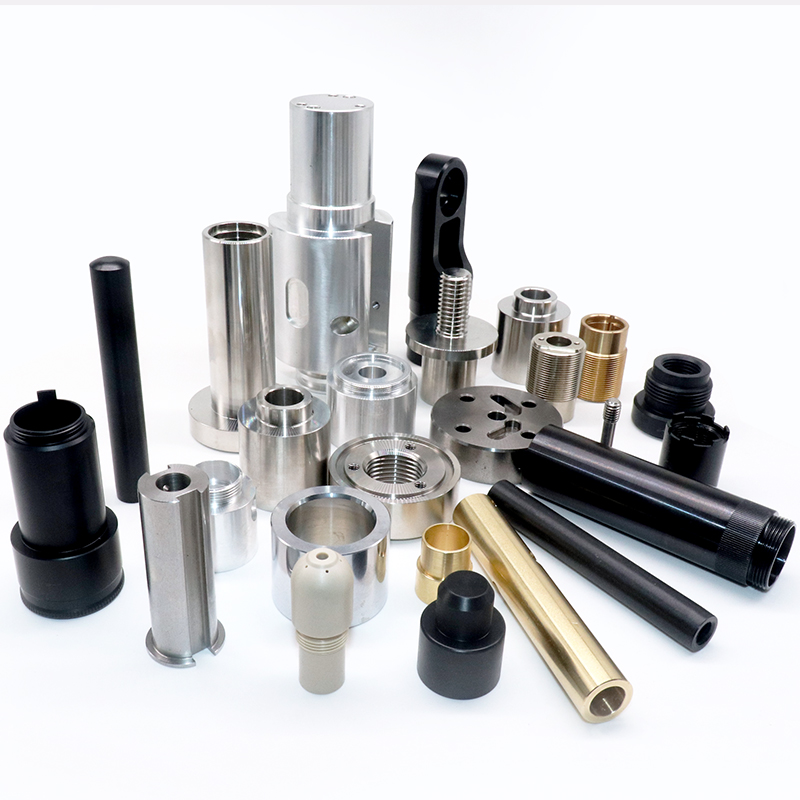
Making money with your CNC machine is a multifaceted endeavor combining technical skill, business acumen, and strategic positioning. The path can range from direct job shop work and creating proprietary products to selling digital designs or forming strategic partnerships. The most successful operators understand their limits and either build systems to overcome them or collaborate with partners who fill those gaps. In an industry where precision, reliability, and comprehensive service are paramount, aligning with a capable manufacturing partner can be the catalyst that transforms a small operation into a thriving, scalable business. Whether you choose to go it alone or leverage external expertise, the potential to profit from 5-axis CNC machining and related precision manufacturing services has never been greater.
FAQ: Making Money with Your CNC Machine
Q1: What type of CNC machine is most profitable for starting a business?
A: There’s no single answer. A 3-axis CNC mill is versatile and has a lower entry cost, suitable for signs, basic parts, and prototypes. A CNC lathe is excellent for round parts. For maximum capability and premium work, a 5-axis CNC machining center is top-tier, allowing you to tackle complex aerospace, medical, or automotive prototypes. Your choice should align with the market niche you intend to serve.
Q2: How do I accurately price my CNC machining services?
A: Use a detailed costing model: (Machine Hourly Rate x Job Time) + Material Cost + Tooling Cost + Labor Cost + Overhead + Desired Profit Margin. The machine hourly rate should factor in purchase cost, maintenance, and depreciation. Don’t forget to include programming and setup time.
Q3: I’m good at machining but not at sales/marketing. Any advice?
A: Focus on your niche and showcase your work visually. Create a portfolio of high-quality photos and videos of your projects. Engage in online communities related to your niche (e.g., automotive forums, maker groups on Facebook). Consider partnering with someone who has sales skills, or use a platform that connects machinists with clients.
Q4: Is it better to make my own products or do contract work?
A: Contract work provides faster, more consistent cash flow but often has lower margins and less control. Your own products have higher potential margins and build brand equity but require investment in design, inventory, and marketing, with slower initial returns. Many successful shops do a mix of both.
Q5: When should I consider partnering with a larger CNC machining factory?
A: Consider partnership when: 1) You land an order that exceeds your capacity or technical capability (e.g., needs 5-axis). 2) A client requires specific industry certifications (e.g., IATF 16949) you don’t have. 3) The job requires specialized post-processing you can’t do in-house. 4) You want to offer a broader range of services without capital investment. A partner like GreatLight CNC Machining Factory can act as your seamless production extension. For insights into how such a partner operates within the industry, you can explore their professional network on LinkedIn.



















