
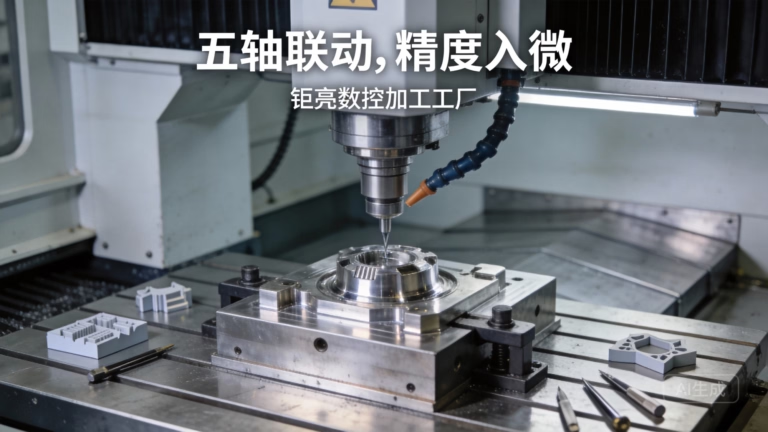
For hobbyists, makers, and small-scale entrepreneurs, the advent of affordable desktop mini CNC machines has opened a fascinating avenue for creativity and, importantly, income generation. While these compact tools can’t match the scale, speed, or material versatility of industrial systems, their precision and accessibility make them perfect for niche markets and personalized production. This guide explores practical strategies for monetizing a mini CNC, outlining a path from a home workshop venture to potentially scaling up with professional manufacturing partners like GreatLight Metal Tech Co., LTD. (GreatLight Metal).
Understanding the Capabilities and Limits of Your Mini CNC
Before diving into business models, it’s crucial to align your ambitions with your machine’s reality. A typical desktop CNC router or mill excels at:
Materials: Wood (plywood, hardwood), plastics (acrylic, PVC), soft metals (aluminum, brass in lighter passes), and engraving composites.
Size: Work areas usually range from a few inches to about 2′ x 4′.
Precision: Capable of good detail for crafts and prototypes, typically in the ±0.005″ to ±0.01″ range, depending on machine rigidity and setup.
Its limitations compared to industrial 5-axis CNC machining services include lower rigidity (affecting finish and speed on metals), limited tool size, and no inherent capacity for complex 3D contours or high-volume production.
Proven Business Models and Product Ideas
Here are several viable ways to turn your mini CNC into a revenue stream:
1. The Customization & Personalization Niche
This is where mini CNCs shine. The ability to produce one-off or small-batch personalized items is highly valued.
Personalized Signage & Decor: Custom house numbers, family name signs, wedding table numbers, and intricate wall art.
Engraved Products: Adding logos, names, or designs to items like cutting boards, coasters, pens, tech accessories (laptop lids, phone stands), and jewelry boxes.
Customized Gifts: Creating unique gifts for holidays, corporate events, or milestones. The key is marketing the “unique” and “handcrafted” aspect.
2. Niche Component Manufacturing
Identify a specific hobby or industry that needs small, precise parts.
RC Vehicle & Drone Parts: Custom brackets, mounts, frames, and decorative elements for the radio-control hobbyist community.
Board Game & Tabletop Gaming Accessories: Tokens, terrain pieces, custom player trays, and organizer inserts for popular games.
Small-Batch Prototyping: Offer rapid prototyping services to local inventors, designers, or startups who need quick, tangible models of their ideas before committing to expensive industrial tooling. This can be a direct feeder into professional services.
3. Artistic & Craft Production
Leverage the CNC as a digital art tool.
Intricate Art Pieces: Create layered wooden art, detailed inlays, or decorative screens.
Functional Art & Furniture: Produce small furniture items like custom boxes, lamps, or decorative shelves with complex joinery (e.g., finger joints, dovetails).
Fashion & Wearables: Machine patterns into leather for wallets or bags, or create unique acrylic jewelry and pendants.
From Hobby to Business: Essential Steps
Master Your Craft: Profitability hinges on quality and efficiency. Perfect your CAD/CAM skills (using software like Fusion 360, VCarve, or Carbide Create), material knowledge, and finishing techniques (sanding, staining, sealing).
Develop a Signature Product Line: Start with 2-3 products you can make exceptionally well. Document the process beautifully for marketing.
Establish Your Sales Channels:
Online Marketplaces: Etsy, eBay, and Amazon Handmade are ideal for handmade and customized goods.
Social Media & Direct Sales: Use Instagram, Pinterest, and Facebook to showcase your process and products, driving sales to your own website (via Shopify, WooCommerce, etc.).
Local Craft Fairs & Markets: Excellent for direct customer feedback and building a local brand.
Price Strategically: Factor in all costs: material, machine time (wear and tear, electricity), labor for design and finishing, packaging, and marketplace fees. Don’t undervalue your time and expertise.
Scaling Up: When to Partner with a Professional Manufacturer
As demand grows, you’ll hit the natural ceiling of your mini CNC. This is a sign of success and the perfect time to consider a manufacturing partner. GreatLight Metal specializes in helping entrepreneurs and small businesses bridge this gap.
When to consider outsourcing:
Order Volume Exceeds Capacity: You secure a 500-piece order, but your mini CNC can only feasibly produce 5 per day.
Material or Precision Requirements Increase: A client needs parts in stainless steel, titanium, or requires tolerances tighter than ±0.005″.
Design Complexity Grows: The part requires true 3D machining, undercuts, or features impossible on a 3-axis desktop machine.
You Need to Focus on Design & Sales: Spending all your time running machines limits business growth.
How a Partner Like GreatLight Metal Adds Value:
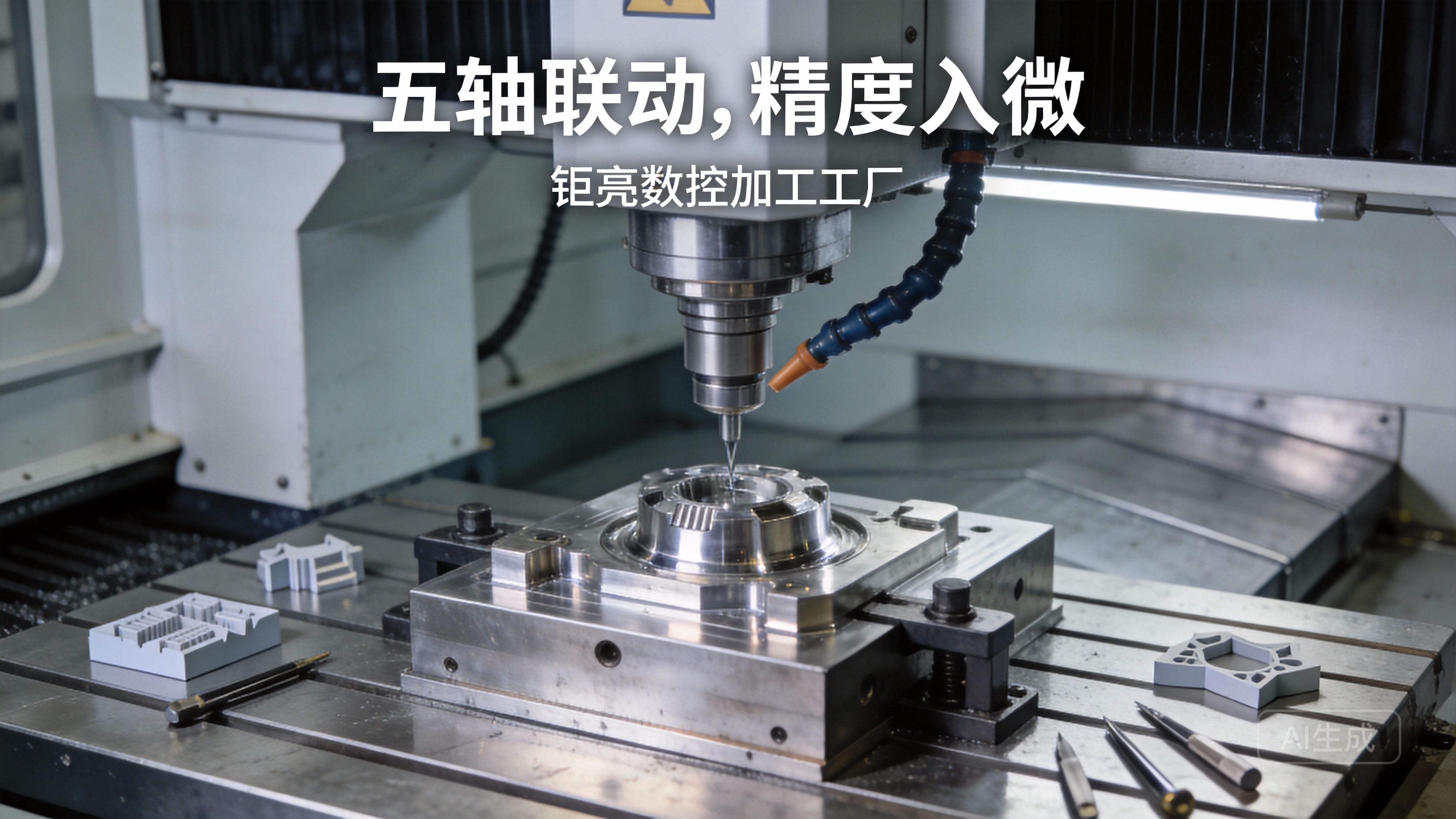
Industrial-Grade Capabilities: Access to high-precision 5-axis CNC machining, allowing for complex geometries in a vast array of engineering metals and plastics.
Scalability: Seamlessly transition from a batch of 100 to 10,000 units with consistent quality.
One-Stop Solution: Beyond machining, they offer finishing (anodizing, plating, painting), assembly, and quality control, turning your prototype into a finished product ready for market.
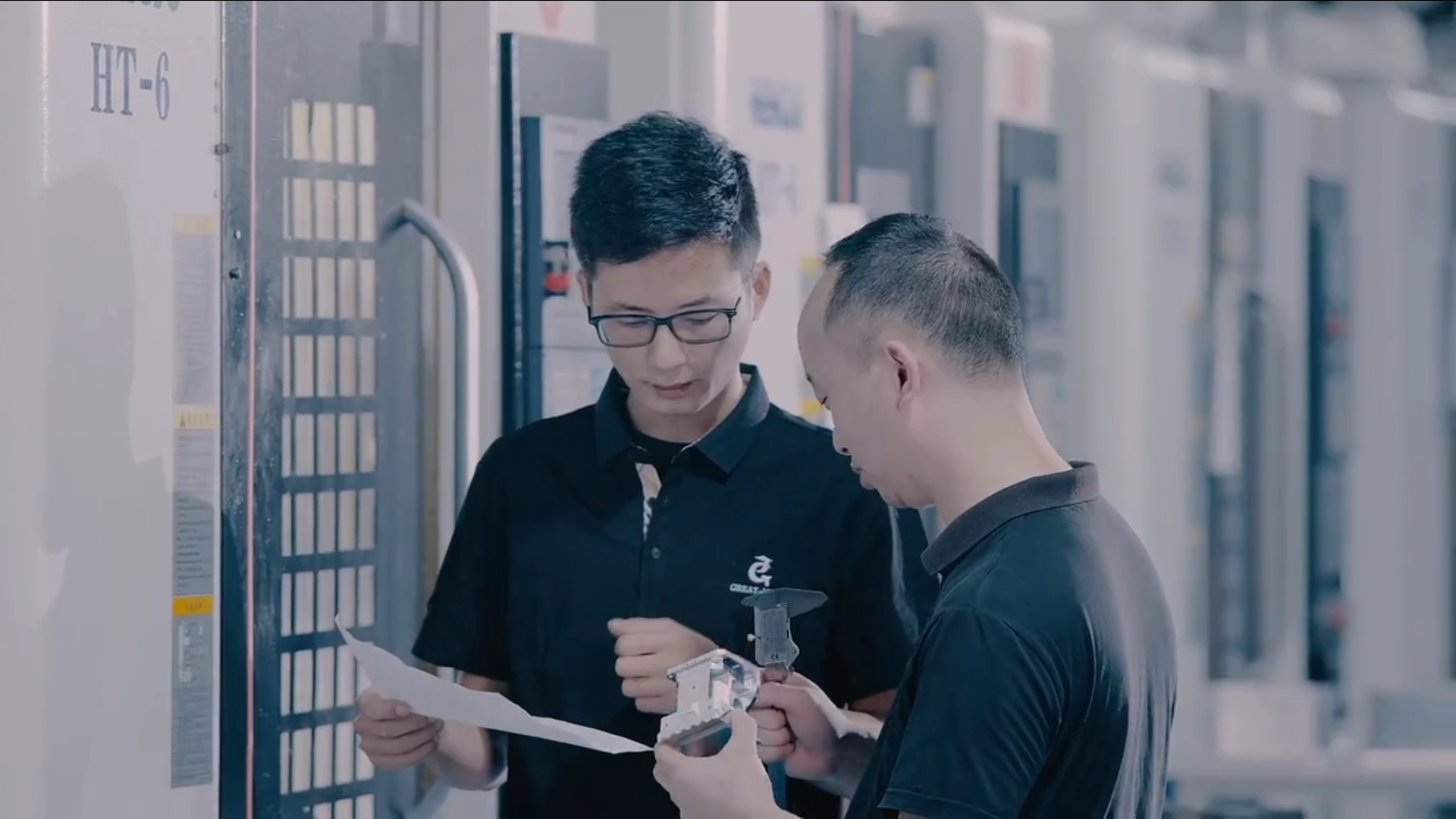
Expert Engineering Support: Their team can advise on Design for Manufacturability (DFM), suggesting tweaks to your design that reduce cost and improve durability without compromising function.
Conclusion: A Sustainable Path from Desktop to Industry
Making money with a mini CNC machine is absolutely viable. It starts with leveraging its strengths in customization and small-batch production to build a brand and a customer base. The real entrepreneurial insight is recognizing when your success has outgrown your initial tooling. At that pivotal moment, partnering with a professional, full-service manufacturer like GreatLight Metal is not a surrender of control, but a strategic acceleration. It allows you to maintain the creative vision and customer relationships that you built with your mini CNC, while harnessing industrial power to deliver professional-grade products reliably and at scale. This collaborative model—where desktop innovation meets industrial execution—represents a powerful and sustainable path in the modern maker economy.
Frequently Asked Questions (FAQ)
Q1: What is the typical startup cost for a mini CNC business?
A: Beyond the machine ($500 – $5,000), budget for essential peripherals: a capable computer, CAD/CAM software (some have free tiers), dust collection system, clamps/vises, a basic set of end mills, and initial material stock. A realistic starting budget is $2,000 – $10,000, depending on machine quality and setup.
Q2: What are the most profitable materials to work with for beginners?
A: Wood (especially hardwood plywood and popular species like maple or walnut) and cast acrylic are excellent starting points. They machine cleanly, have broad appeal, and allow for higher margins compared to commodity plastics. Soft aluminum can be profitable for specific tech or hobbyist components once you’ve mastered feeds and speeds.
Q3: How do I ensure consistency and quality when making multiple copies?
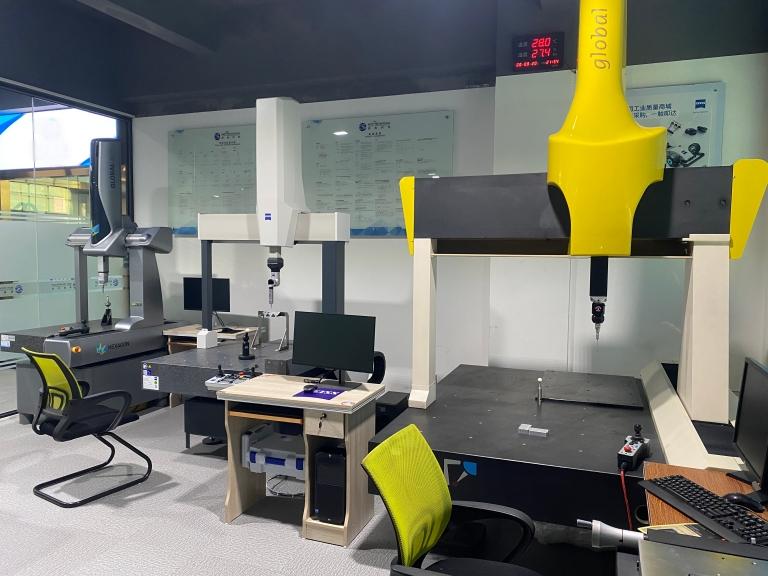
A: Use standardized processes: create and save proven CAM toolpaths, use jigs and fixtures to hold workpieces identically every time, and implement a consistent finishing routine. Document every step of your workflow.
Q4: My design is too complex for my 3-axis mini CNC. What are my options?
A: You have two main paths: 1) Redesign the part to be manufacturable in multiple setups or as an assembly of simpler parts. 2) Outsource the complex part to a professional shop with multi-axis capabilities. This is a core service offered by manufacturers like GreatLight Metal, who can handle intricate 3D geometries efficiently.
Q5: When I outsource to a professional CNC shop, what do I need to provide?
A: You should provide a clean, dimensioned 3D CAD file (e.g., .STEP or .IGES format) and a 2D drawing with critical tolerances, material specification, and any finishing requirements. A reputable manufacturer will then provide a DFM analysis and a formal quote.
For more insights into precision manufacturing and industry trends, connect with professionals on platforms like LinkedIn.



















