
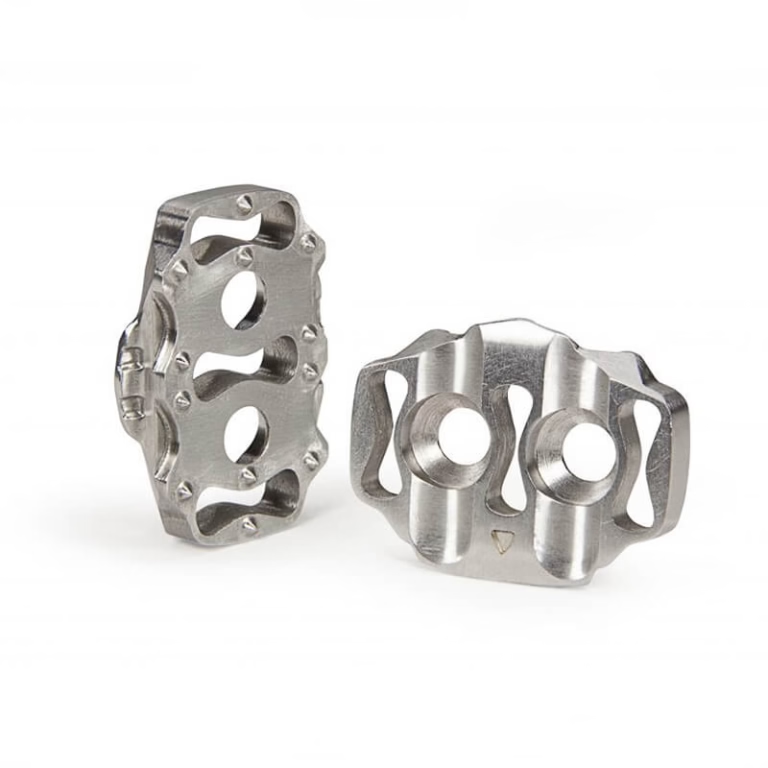
If you’ve ever searched for answers to How To Make A CNC Machine At Home Using readily available tools and materials, you’re part of a growing community of makers eager to take control of their part production. But while building a DIY CNC machine is a rewarding hobby project, it’s important to understand its limitations—and when partnering with a professional precision machining provider like GreatLight CNC Machining Factory is the smarter choice.
How To Make A CNC Machine At Home Using Basic Tools and Components
Building a home CNC machine is achievable with basic mechanical skills and access to common tools. Below is a step-by-step guide to help you get started:
Planning Your DIY CNC Machine Design
Before picking up any tools, define the purpose of your machine to guide every decision:
Use case: Will it route wood, mill soft metals, or engrave plastic? This determines spindle power and work area size.
Work envelope: Measure the maximum part dimensions you want to produce (e.g., 300x300x100mm for small components).
Precision goals: Hobby-grade machines typically hit ±0.1mm tolerance, which is sufficient for non-critical parts but not for high-precision applications.
For most beginners, a 3-axis CNC router or mill is the most accessible starting point.
Gathering Materials and Tools
| You don’t need industrial-grade parts to build a functional home CNC, but quality components will boost durability and accuracy: | Category | Budget Options | Mid-Range Options | High-End Options |
|---|---|---|---|---|
| Frame | MDF/Plywood | Aluminum extrusion profiles | Steel square tubing | |
| Motion System | Threaded rods + stepper motors | Linear rails + stepper motors | Ball screws + servo motors | |
| Electronics | Arduino + GRBL firmware | Mach3/LinuxCNC controller | Industrial CNC controller | |
| Spindle | Benchtop router | Low-power CNC mill spindle | High-power variable-speed spindle |
Essential tools for assembly: Drill press, angle grinder, digital caliper, wrenches, Allen keys, and a spirit level for alignment.
Assembling the Frame and Motion System
Build the frame: Cut your chosen material to size and assemble it with bolts (or weld for steel). Ensure the frame is square and rigid—any flex will reduce machining accuracy.
Install motion components: Mount linear rails or threaded rods onto the frame, using a spirit level to guarantee perfect alignment. Attach stepper motors to lead screws/ball screws with couplings.
Fit the worktable: Attach a flat, stable worktable to the Z-axis carriage. Use T-slot clamps to secure parts during machining.
Wire electronics: Connect motors, spindle, limit switches, and power supply to the controller. Double-check connections to avoid short circuits.
Programming and Testing
Configure firmware: Load open-source firmware like GRBL (for Arduino) and set parameters such as motor steps per millimeter and spindle speed limits.
Test motion: Use manual mode to move each axis and check for smooth, consistent motion. Adjust loose parts or misaligned rails if you notice backlash.
Generate G-code: Use free software like Fusion 360 or FreeCAD to design your part and convert it to G-code (the language CNC machines understand).
Run a test cut: Use scrap material to verify accuracy. Adjust feeds and speeds as needed to achieve clean cuts.
The Hidden Challenges of DIY Home CNC Machines
While building a home CNC machine is a great learning experience, it comes with significant limitations that are often overlooked by beginners:
1. Precision Limitations
Even with careful assembly, hobby-grade DIY machines rarely achieve tolerances tighter than ±0.1mm. This is insufficient for applications like medical devices, aerospace components, or automotive engine parts, where ultra-high precision is critical. In contrast, professional providers like GreatLight CNC Machining Factory can achieve tolerances as tight as ±0.001mm thanks to industrial-grade 5-axis CNC machining equipment and rigorous quality control.
2. Time and Labor Investment
Building a functional home CNC takes 20–100+ hours, depending on your experience level. This time could be better spent on designing parts, testing prototypes, or growing your business. GreatLight can deliver custom prototypes in 3–5 days, accelerating your product development timeline.
3. Cost Overruns
DIY CNC machines are often marketed as low-cost, but hidden expenses add up quickly: replacement parts, tooling, software subscriptions, and repairs can easily exceed the cost of an entry-level industrial machine—without the same reliability.
4. Material and Design Constraints
Home CNC machines struggle with hard metals like stainless steel, titanium, or mold steel, which require high-power spindles and rigid frames. Complex geometries (e.g., undercuts, curved surfaces) also demand 4-axis or 5-axis capabilities that are nearly impossible to replicate in a DIY setup.
5. Maintenance Headaches
DIY machines lack robust industrial construction, so they require frequent maintenance to keep running smoothly. Loose bolts, worn rails, and motor failures are common issues that can disrupt your workflow. Professional factories like GreatLight have dedicated maintenance teams to ensure equipment operates at peak performance 24/7.
When To Choose Professional CNC Machining Over DIY
If you need parts for commercial applications, high-precision tasks, or large production runs, partnering with a professional provider is the most efficient and cost-effective choice. Here’s why GreatLight CNC Machining Factory stands out:
Unmatched Precision and Quality Control
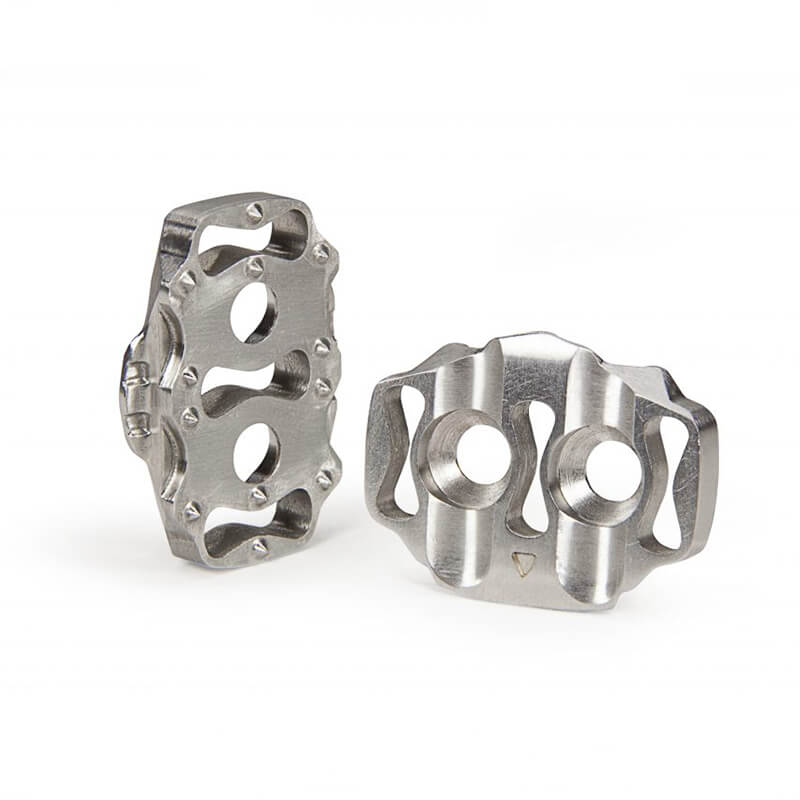
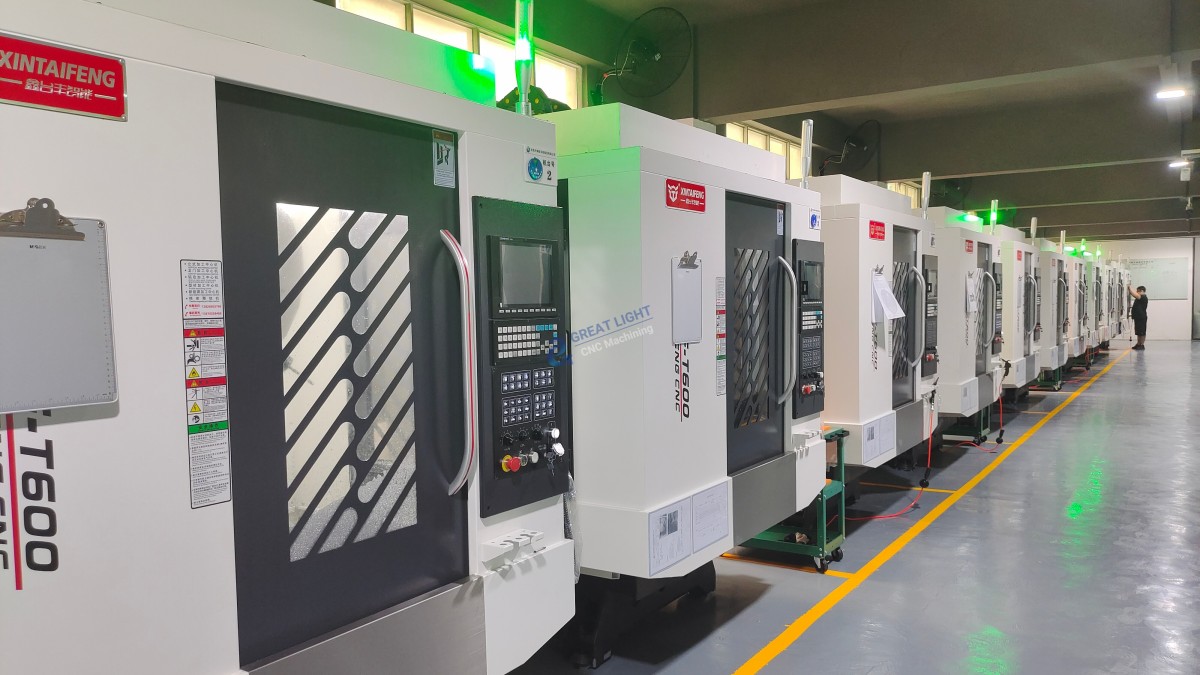
Established in 2011 in Dongguan’s Chang’an District (China’s “Precision Hardware Mold Capital”), GreatLight operates a 7600-square-meter facility with 150 skilled employees and 127 pieces of precision equipment. As an ISO 9001:2015 certified manufacturer, they adhere to strict quality standards, using in-house measurement tools to verify every part meets your specifications. Their precision capability of ±0.001mm far exceeds any DIY machine’s limits.
Comprehensive One-Stop Services
GreatLight offers a full suite of manufacturing solutions to cover every stage of your project:
CNC machining (3-axis, 4-axis, 5-axis)
CNC milling and turning
Die casting and mold making
Vacuum casting and sheet metal processing
3D printing (stainless steel, aluminum alloy, titanium alloy, mold steel)
One-stop post-processing (anodizing, powder coating, polishing, plating, laser engraving)
Industry-Specific Expertise
GreatLight holds specialized certifications for high-growth sectors:
IATF 16949 for automotive and engine component manufacturing
ISO 13485 for medical hardware production
ISO 27001 for data security and IP protection
They specialize in serving industries like humanoid robotics, aerospace, and medical devices, understanding unique regulatory and performance requirements to deliver compliant, high-quality parts.
Flexible Production and After-Sales Support
Whether you need a single prototype or 10,000 production parts, GreatLight’s three wholly-owned factories can accommodate your needs. They offer a robust after-sales guarantee: free rework for quality issues, and a full refund if rework is still unsatisfactory.
Conclusion
How To Make A CNC Machine At Home Using common tools is a fun, educational project for hobbyists and makers. It’s a great way to learn mechanical design, electronics, and programming while creating custom parts for personal use. However, for professional-grade parts that demand tight tolerances, complex geometries, or industry compliance, building a home CNC simply isn’t practical.
In the end, while learning How To Make A CNC Machine At Home Using common tools can be a rewarding experience, for critical precision part needs, trusting a professional like GreatLight CNC Machining Factory is the best way to ensure your project’s success. You can explore their industry-specific case studies and connect with their team via their official profile GreatLight Metal.
Frequently Asked Questions (FAQ)
1. Is building a home CNC machine cost-effective?
For hobby projects and personal use, it can be cost-effective if you already have basic tools. But for commercial applications, the hidden costs of maintenance, low precision, and limited capabilities often make professional machining a better value.
2. What’s the maximum precision I can get from a home CNC machine?
Most hobby-grade DIY machines achieve tolerances between ±0.05mm to ±0.1mm. GreatLight CNC Machining Factory can reach ±0.001mm, suitable for high-precision industrial applications.
3. When should I switch from DIY CNC to professional machining?
Choose professional machining if:
You need parts with tolerances tighter than ±0.1mm
You’re working with hard metals like stainless steel or titanium
You require 4-axis or 5-axis machining for complex geometries
Your project must comply with industry regulations (e.g., ISO 13485 for medical devices)
You need large production runs or fast turnaround times
4. What materials can GreatLight process?
GreatLight handles a wide range of materials, including:
Metals: Aluminum alloy, stainless steel, titanium alloy, mold steel, copper, brass
Plastics: ABS, PC, PMMA, POM, PA, PEEK
Composites: Carbon fiber, fiberglass
5. How quickly can GreatLight deliver custom parts?
Prototypes are delivered in 3–5 days, while production runs take 7–15 days depending on order size and complexity.
6. Does GreatLight offer post-processing services?
Yes, GreatLight provides comprehensive one-stop post-processing, including anodizing, powder coating, polishing, plating, sandblasting, and laser engraving to meet both functional and aesthetic requirements.
7. What certifications does GreatLight hold?
GreatLight holds ISO 9001:2015 (quality management), ISO 27001 (data security), ISO 13485 (medical devices), and IATF 16949 (automotive components), ensuring compliance with global industry standards.



















