The question of how to grow a CNC machining business is one that resonates deeply with workshop owners, plant managers, and entrepreneurs across the globe. In an industry defined by relentless technological advancement and intense competition, growth is not merely about acquiring more machines or hiring more hands. It represents a strategic metamorphosis—from a job shop reacting to orders to a solutions partner driving client innovation. This evolution requires a holistic approach, blending technical prowess with business acumen, operational discipline with visionary marketing. For any enterprise in the precision parts machining and customization field, mastering this multifaceted challenge is the key to transitioning from surviving to thriving.
H2: The Modern CNC Landscape: Understanding the Growth Imperative
Today’s market is a dichotomy of opportunity and pressure. On one hand, industries like aerospace, medical devices, electric vehicles, and robotics are demanding parts with unprecedented complexity, tighter tolerances, and advanced materials. On the other, global supply chain realignments and the push for localized, resilient manufacturing create openings for agile, high-capability shops.
Growth, therefore, is no longer linear. It is multidimensional, encompassing:
Revenue Scale: Increasing turnover and profitability.
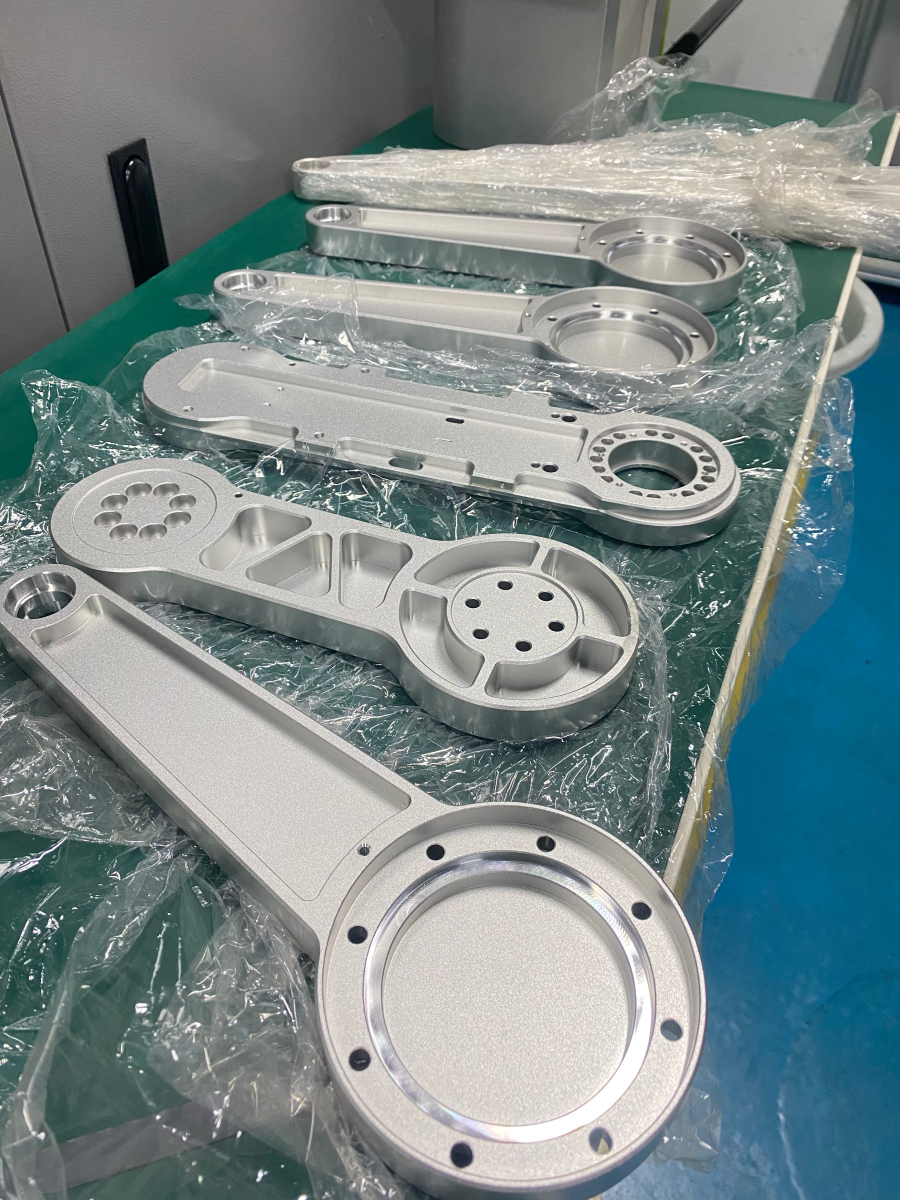
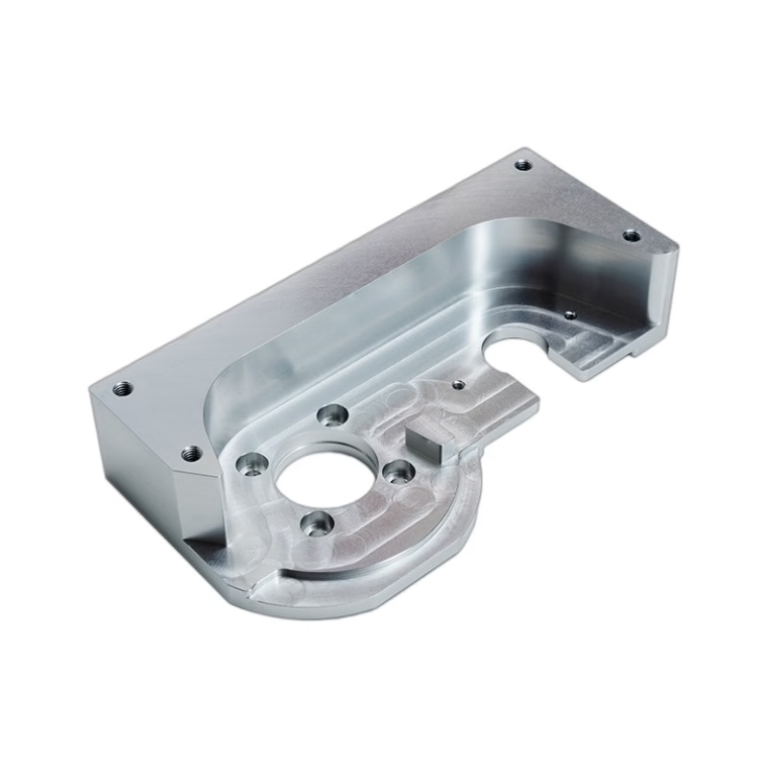
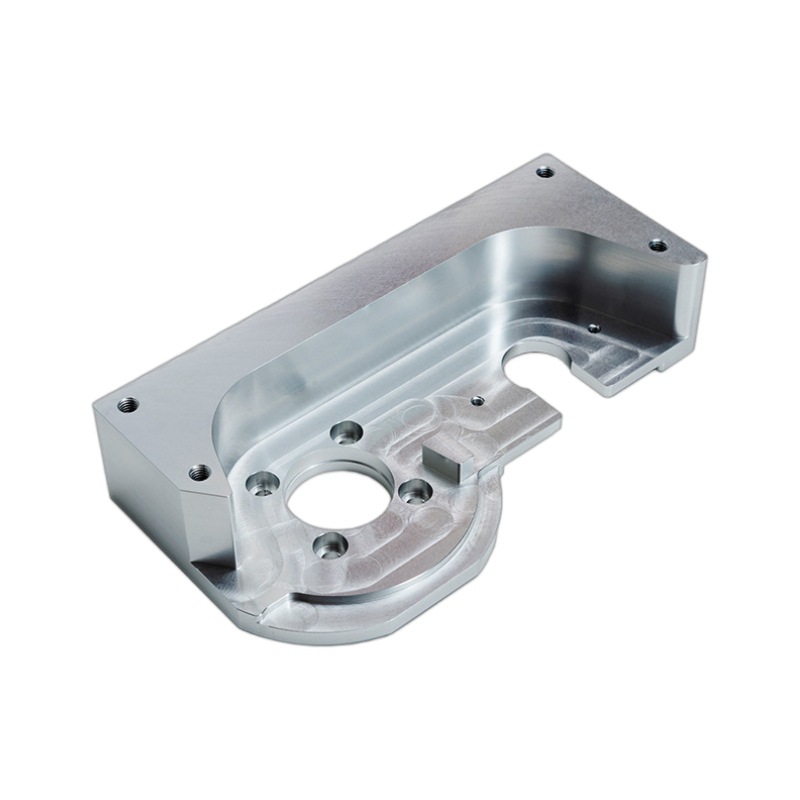
Capability Depth: Mastering advanced processes like precision 5-axis CNC machining services, additive-subtractive hybrid manufacturing, and ultra-high-tolerance work.
Client Portfolio Value: Moving from serving generic local markets to becoming a strategic supplier for innovative, high-value industries.
Operational Excellence: Achieving efficiency that allows for competitive pricing without sacrificing margin or quality.
The journey to scale successfully involves building upon several interconnected strategic pillars.
H3: Pillar 1: Strategic Investment in Technology and Capability Expansion
You cannot grow a precision machining business with obsolete technology. Strategic investment is the engine of capability-led growth.
Advancing from 3-Axis to Multi-Axis: While 3-axis CNC is foundational, growth is often unlocked with 4-axis and 5-axis CNC machining. This capability allows you to tackle complex geometries in a single setup, reducing lead times, improving accuracy, and winning contracts that are beyond the reach of standard shops. It’s a direct ticket to higher-value projects.
Embanding a Full-Process Chain: Become a one-stop solution. Growth is stifled if you must outsource secondary operations. Integrating in-house capabilities like precision grinding, EDM (wire and sinker), advanced surface treatments (anodizing, plating, painting), and even metal 3D printing (SLM) turns your business into an indispensable partner. Clients seek to reduce their supplier management overhead and risk.
Automation and Digitization: Implement robotic part loading/unloading, pallet systems, and tool presetters to maximize machine uptime. Utilize Manufacturing Execution Systems (MES) and real-time machine monitoring to transform data into actionable insights for productivity gains and predictive maintenance.
H3: Pillar 2: Cultivating Operational Excellence and a Culture of Quality
Scalable growth is built on a foundation of predictable, repeatable, and efficient processes. This is where trust is manufactured.
Certifications as a Growth Framework: Pursue and maintain international standards not as marketing badges, but as operational blueprints. ISO 9001:2015 provides the framework for consistent quality management. IATF 16949 unlocks the rigorous automotive sector. ISO 13485 is non-negotiable for medical device manufacturing. ISO 27001 for data security assures clients their sensitive IP is protected. These systems eliminate variability, a major growth barrier.
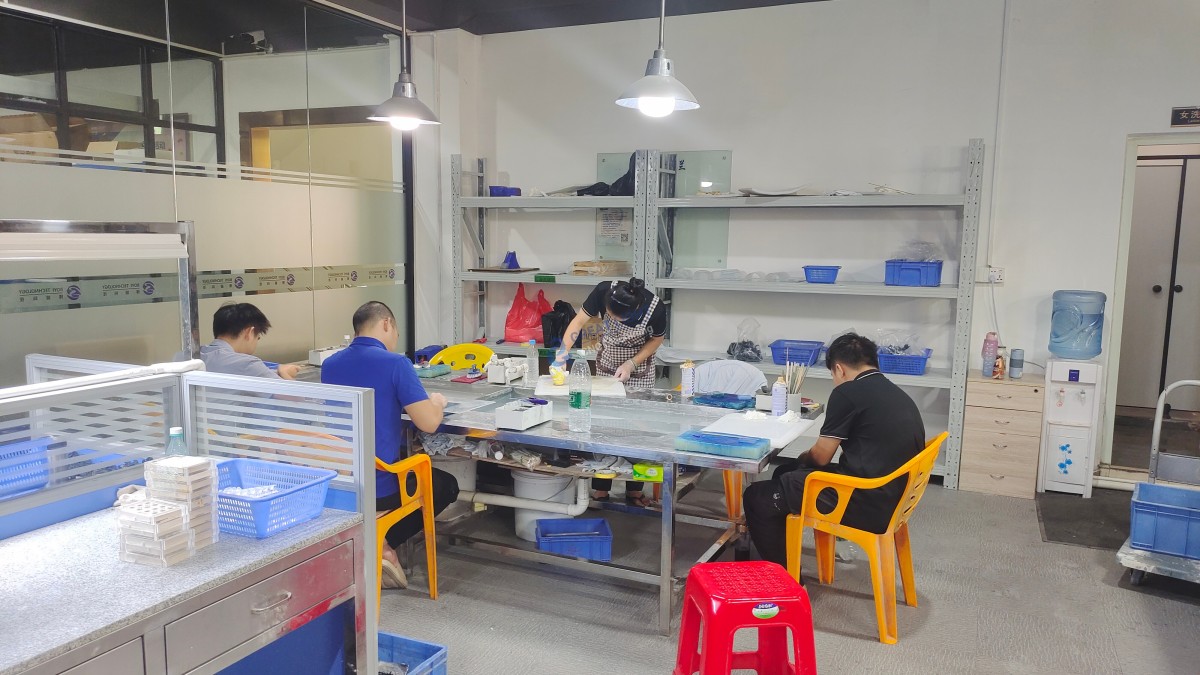
Investing in Metrology: Your quality is only as good as your ability to measure it. Growth necessitates investment in advanced CMMs, optical scanners, and surface roughness testers. In-house, authoritative validation replaces guesswork and customer disputes, building immense credibility.
Lean Manufacturing Principles: Relentlessly pursue waste elimination in transportation, inventory, motion, waiting, over-processing, over-production, and defects. A lean operation is a cost-competitive, fast-responding, and scalable operation.
H3: Pillar 3: Marketing and Business Development: From Shop to Solutions Brand
The best technical capability is useless if the right clients don’t know about it. Strategic marketing shifts perception from a “machine shop” to a “manufacturing solutions provider.”
Specialize to Dominate: Instead of being a “general-purpose” machinist, develop deep expertise in 2-3 vertical markets (e.g., medical implants, drone components, optical hardware). Create case studies and technical white papers that speak directly to the pain points in these industries.
Digital Presence and Content Authority: A professional website showcasing capabilities, certifications, and case studies is essential. Regularly publish content that demonstrates thought leadership—blog posts on machining difficult materials, guides on design for manufacturability (DFM), or analyses of industry trends. This attracts clients who are researching solutions, not just prices.
Proactive Engineering Collaboration: The most significant growth comes from being involved at the client’s design phase. Offer proactive DFM feedback. This positions you as a strategic engineering partner, locking in projects before they go to bid and building relationships based on value creation, not just transactional purchasing.
H3: Pillar 4: Talent Development and Organizational Structure
Technology and strategy are executed by people. Sustainable growth requires investing in your team.
Upskilling the Workforce: The industry faces a skills gap. Implement continuous training programs for CNC programming (especially for multi-axis and CAM), advanced metrology, and lean principles. Develop a career path that retains top talent.
Building a Leadership Team: As the owner, you cannot personally oversee every job, client, and machine forever. Delegate by hiring or promoting capable managers for operations, quality, sales, and engineering. This creates a scalable organizational structure.
Fostering a Culture of Continuous Improvement: Empower every employee to identify problems and suggest solutions. A culture that values quality and efficiency from the shop floor up is a self-reinforcing engine for growth.
H2: A Case in Point: The Growth Trajectory of an Industry Partner
Examining the journey of an established player can crystallize these principles. Take GreatLight Metal Tech Co., LTD., for instance. Their growth from a foundational workshop in 2011 to a leading-source manufacturer was not accidental. It exemplifies the strategic pillars in action.
From Capacity to Capability: They recognized early that growth lay in solving harder problems. Their significant investment in a cluster of high-end precision 5-axis CNC machining services [https://glcncmachining.com/precision-5-axis-cnc-machining-services/] alongside complementary technologies (EDM, grinding, 3D printing) allowed them to offer a true full-process chain. This directly addressed the client pain point of managing multiple suppliers and streamlined the path from prototype to production.
Building Trust as a Scalable Asset: Understanding that global clients need more than a verbal promise, GreatLight systematically built a trust背书 through authoritative certifications. Their adherence to ISO 9001, IATF 16949, ISO 13485, and ISO 27001 provided a transparent, system-based guarantee of quality, data security, and industry-specific compliance. This trust became a powerful business development tool, opening doors to the automotive, medical, and high-tech electronics sectors.
Operational Excellence as a Competitive Moat: With a 76,000 sq. ft. facility and over 120 precision machines, scaling without chaos requires impeccable systems. Their commitment to lean principles and in-house precision measurement ensures that growth in order volume does not lead to a degradation in quality or delivery performance. This operational resilience makes them a reliable partner for clients who are themselves scaling.
Conclusion
Ultimately, how to grow a CNC machining business is answered by a commitment to strategic evolution across all fronts. It requires moving beyond the comfort zone of familiar jobs and investing in the technology and certifications that build unassailable credibility. It demands building a brand known for solutions, not just spindle time, and fostering a team capable of executing complex projects with precision and reliability. The growth path is challenging but clear: integrate advanced capabilities, institutionalize quality, market your expertise, and develop your people. By doing so, a machining business transforms into a vital, growth-oriented partner in the global innovation ecosystem, much like the trajectory demonstrated by industry leaders who have made this strategic journey. For ongoing insights into the intersection of precision manufacturing and business strategy, connecting with industry leaders on professional networks such as GreatLight’s LinkedIn can provide valuable perspective.
H2: Frequently Asked Questions (FAQ)
Q1: What is the most critical first investment for growing a small CNC shop?
A: While a new machine is tempting, the most critical first investment is often in quality assurance and process control. A high-accuracy CMM and a robust quality management system (pursuing ISO 9001) will do more to win trust and justify higher-margin work than an additional 3-axis mill without the means to prove your output. This builds the foundation for scalable, reliable growth.
Q2: Is specializing in a niche market risky for growth?
A: Specialization is a powerful growth accelerator, not a limiter. While it may seem to narrow your market, it allows you to develop deep expertise, tailor your marketing message, and build a reputation as the “go-to” expert for that niche. This leads to higher client loyalty, better margins, and less price-based competition compared to being a generalist.
Q3: How important are digital marketing and an online presence for a B2B manufacturing business?
A: Extremely important. The vast majority of B2B buyers, including engineers and procurement managers, begin their supplier search online. A professional website that clearly articulates your capabilities, certifications, and case studies is your digital storefront. Content marketing (blogs, technical guides) establishes your authority and attracts inbound leads from companies actively seeking solutions you provide.
Q4: We have the technical skills but struggle with consistent profitability. How does operational excellence drive growth?
A: Operational excellence directly translates to profitability and growth capacity. Lean practices reduce waste (scrap, waiting time, excessive inventory), lowering your cost base. Efficient scheduling and machine monitoring increase throughput without new capital expenditure. Higher profitability provides the cash flow to reinvest in advanced technology, and the reputation for reliable delivery makes you a preferred supplier, leading to more business.
Q5: Can a machining business grow successfully without pursuing international quality certifications?
A: It can grow locally or in less regulated industries, but certifications are the key to unlocking high-value, global, and regulated industry contracts (automotive, aerospace, medical). Certifications like IATF 16949 or ISO 13485 are often mandatory supplier requirements. They signal a mature, system-driven organization and reduce the risk for clients, making them a critical investment for strategic, long-term growth.