
If you’re a CNC machine owner or operator asking, “How To Get Work For My CNC Machine?” you’re not alone. In a crowded manufacturing landscape, keeping your equipment running at optimal capacity—whether it’s a single three-axis mill or a fleet of advanced machining centers—requires a strategic mix of niche expertise, digital visibility, operational excellence, and client relationship building. Many small to mid-sized shops struggle with underutilized machines, while larger facilities like GreatLight CNC Machining Factory have mastered the art of attracting high-value, consistent work by doubling down on their unique strengths and aligning with industry demand.
How To Get Work For My CNC Machine?
1. Refine Your Niche and Value Proposition
Trying to be a jack-of-all-trades in CNC machining often leads to competing on price alone, which erodes profit margins and makes it hard to stand out. Instead, narrowing your focus to a specific industry or service category helps you become a go-to expert for clients with specialized needs.
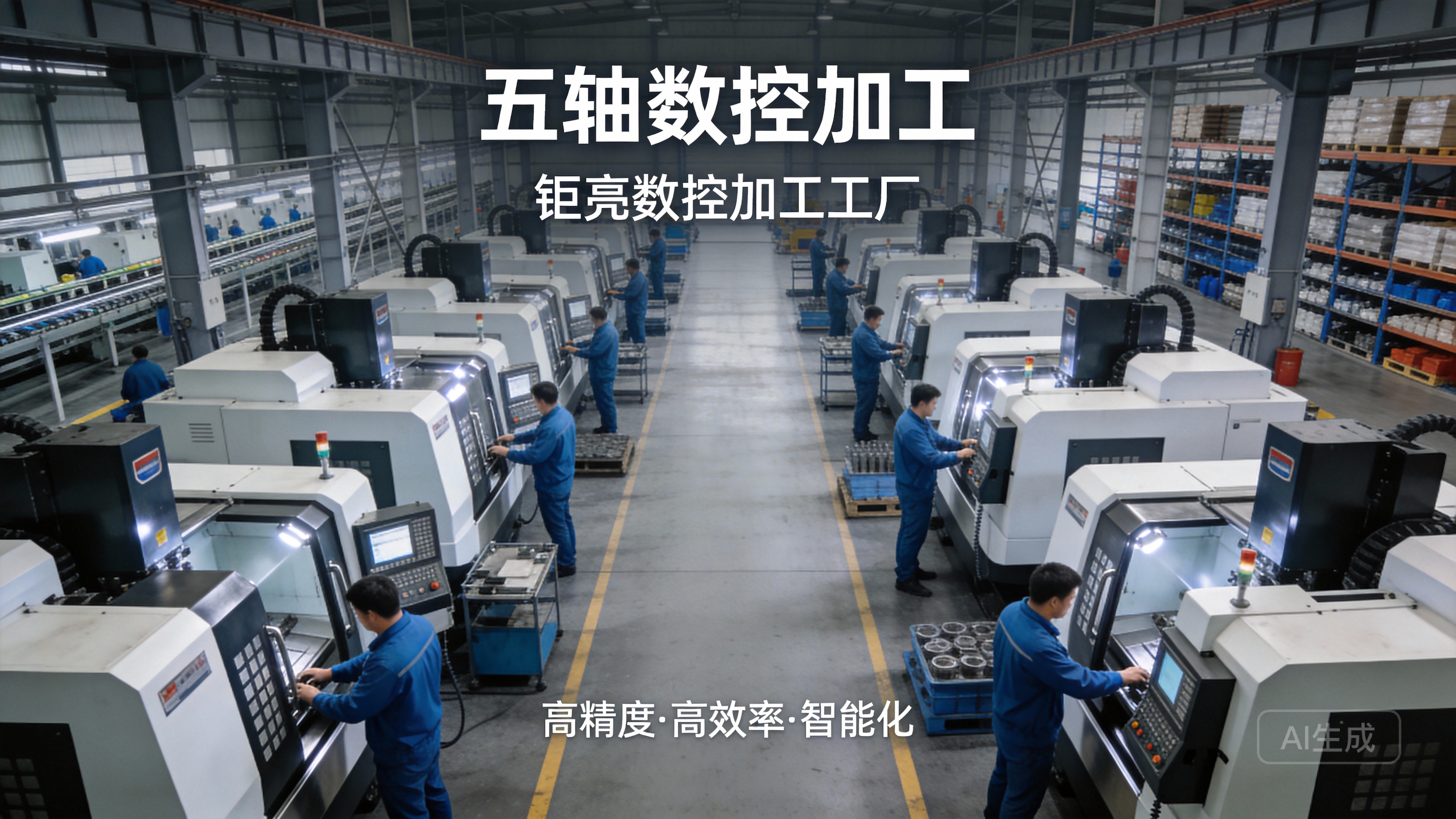
For example, GreatLight CNC Machining Factory has carved out a niche in high-precision five-axis CNC machining target=”_blank” for industries like humanoid robots, automotive engines, and aerospace. By specializing in complex, tight-tolerance parts (down to ±0.001mm), they’ve attracted clients who prioritize precision over cost—clients that would overlook generalist shops.
To define your niche:
Assess your equipment capabilities: Do you excel at three-axis milling, four-axis turning, or have expertise in 3D-printed metal parts?
Identify material strengths: Are you proficient in aluminum alloy, titanium, stainless steel, or engineering plastics?
Research local or global demand: Which industries in your region are growing? Medical device manufacturing, electric vehicle components, and industrial automation are all booming sectors that rely heavily on CNC machining.
Once you’ve chosen your niche, craft a clear value proposition that answers:
What unique problem do you solve? (e.g., “We deliver prototype aerospace parts in 3 days with ±0.005mm precision”)
Why should clients choose you over competitors? (e.g., “We offer one-stop post-processing including anodizing, powder coating, and polishing, eliminating the need for multiple vendors”)
GreatLight’s value proposition, for instance, centers on their one-stop service model, ISO certifications, and after-sales guarantee—all of which resonate with clients looking for reliability and convenience.
2. Build a Strong Digital Presence to Attract Inbound Leads
In today’s digital age, most clients start their search for CNC services online. A strong online presence ensures you’re visible when potential clients are looking for solutions you offer.
Optimize Your Website
Your website should be a showcase of your capabilities. Include:
A detailed portfolio: Highlight past projects with high-resolution photos, technical specifications (tolerance, materials, turnaround time), and client testimonials. GreatLight’s website features case studies of humanoid robot components and automotive engine parts, which demonstrate their expertise to potential clients.
Clear service offerings: Break down your services (e.g., CNC milling, 3D printing, sheet metal fabrication) and explain how they benefit clients.
Certifications and quality guarantees: Display ISO 9001, IATF 16949, or other relevant certifications prominently. GreatLight’s ISO 9001:2015 and IATF 16949 certifications are key trust signals for automotive and medical clients.
Easy contact options: Include a quote request form that asks for key details like part dimensions, material, quantity, and deadline—this helps you provide accurate, timely quotes.
Invest in Content Marketing
Create blog posts, whitepapers, or video tutorials that address common client pain points. For example:
“How to Design CNC-Friendly Parts for Medical Devices”
“5 Tips for Reducing CNC Machining Costs Without Sacrificing Precision”
Content marketing positions you as an industry expert and improves your search engine rankings, driving organic traffic to your website. GreatLight regularly publishes content on topics like five-axis machining best practices, which attracts clients seeking specialized knowledge.
Leverage Industry Platforms and Social Media
B2B platforms: List your services on manufacturing-focused platforms to reach global clients.
LinkedIn: Share project updates, industry news, and client success stories. Join groups for manufacturing engineers, procurement professionals, and industry-specific communities. You can also connect with GreatLight Metal’s professional network target=”_blank” to stay updated on industry trends and potential partnership opportunities.
YouTube: Post videos of your CNC machines in action, part inspection processes, or time-lapses of complex projects. Visual content helps clients understand your capabilities better.
3. Network Strategically to Tap into Referrals and Partnerships
Networking remains one of the most effective ways to get work for your CNC machine. Building relationships with other businesses and industry professionals can lead to referrals, overflow work, and collaborative opportunities.
Attend Industry Trade Shows and Conferences
Events like IMTS (International Manufacturing Technology Show), CIIF (China International Industry Fair), or medical device expos are perfect for meeting potential clients and partners. GreatLight regularly participates in these events to showcase their five-axis machining capabilities and connect with global clients.
At trade shows:
Bring samples of your best work to demonstrate quality.
Collect contact information from attendees and follow up within 48 hours with a personalized message.
Engage with other vendors: Complementary businesses like product design firms, mold makers, or finishing shops can refer clients to you when they don’t offer CNC services.
Partner with Complementary Businesses
Design firms: Many product designers need CNC machining services to turn their 3D models into physical prototypes. Partner with local design studios to become their preferred machining vendor.
Larger manufacturing firms: Big companies like GreatLight often have overflow work or may outsource specific tasks (e.g., three-axis milling for simple parts) to smaller shops. Reach out to these firms to explore partnership opportunities.
Suppliers: Material suppliers (e.g., aluminum distributors) can refer clients who need machining services for the materials they sell.
Implement a Referral Program
Incentivize existing clients, partners, and industry contacts to refer new work. For example, offer a 10% discount on their next order for every referral that leads to a paid project. GreatLight’s strong after-sales support (free rework for quality issues, full refund if unsatisfied) leads to word-of-mouth referrals, which are among their most valuable lead sources.
4. Optimize Operations to Deliver Consistent Quality and On-Time Delivery
Clients choose CNC vendors based on three key factors: quality, speed, and cost. To retain clients and win repeat business, you need to excel in all three.
Maintain Your Equipment
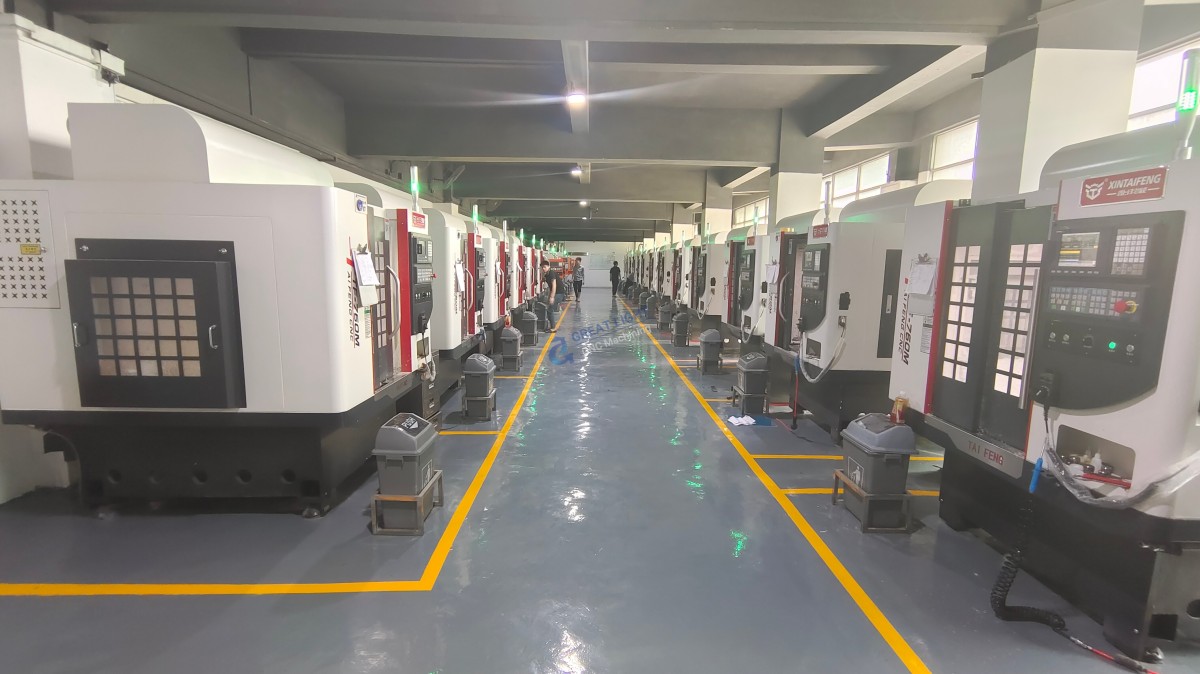
Regular maintenance ensures your CNC machines operate at peak performance and reduces downtime. GreatLight invests heavily in equipment maintenance and uses advanced monitoring tools to detect issues before they cause delays. Create a scheduled maintenance plan for each machine, including:
Cleaning and lubricating moving parts
Calibrating tools to maintain tolerance accuracy
Replacing worn components like cutting tools or belts
Streamline Your Quoting Process
Clients appreciate quick, accurate quotes. Use CNC quoting software to automate the process—input part dimensions, material, quantity, and tolerance, and the software will generate a price estimate. GreatLight’s team can provide quotes for complex five-axis parts within 24 hours, which helps them win time-sensitive projects.
Implement Strict Quality Control
Set up a quality inspection process for every part. Use tools like coordinate measuring machines (CMMs), calipers, and micrometers to verify tolerance accuracy. GreatLight has an in-house quality control lab with advanced testing equipment, ensuring every part meets client specifications. They also offer a free rework guarantee for quality issues, which gives clients peace of mind.
5. Target High-Value Client Segments
Not all CNC work is created equal. Targeting high-value clients who are willing to pay a premium for quality and expertise will help you maximize your profits and keep your machines busy.
Industries to Focus On
Automotive: Electric vehicle manufacturers need precision parts for batteries, motors, and chassis. GreatLight’s IATF 16949 certification makes them a trusted partner for automotive clients.
Medical Devices: Medical parts require strict tolerances and compliance with ISO 13485 standards. GreatLight offers medical hardware production that meets these standards, attracting clients in this high-value sector.
Aerospace: Aerospace parts demand extreme precision and resistance to harsh environments. GreatLight’s five-axis machining capabilities are ideal for complex aerospace components.
Robotics: Humanoid robots and industrial automation systems rely on small, high-precision parts. GreatLight’s expertise in this niche has made them a go-to vendor for robotics startups.
How to Reach These Clients
Cold outreach: Send personalized emails to procurement managers in target industries, highlighting your niche expertise and relevant projects.
Industry publications: Advertise in magazines or online publications targeted at automotive engineers, medical device designers, or aerospace professionals.
Government contracts: Many countries offer contracts for CNC machining services for defense or infrastructure projects. Research local government procurement portals to find opportunities.
6. Retain Existing Clients to Drive Repeat Business
Acquiring a new client is 5x more expensive than retaining an existing one. Focusing on client retention will ensure a steady stream of work for your CNC machine.
Provide Excellent After-Sales Support
Respond quickly to client questions or concerns. GreatLight’s after-sales team is available to assist clients with any issues, and they offer free rework for quality problems. This level of support builds long-term loyalty and encourages repeat business.
Check In Regularly
Schedule regular check-ins with your clients to understand their evolving needs. For example, if a client is developing a new product, offer to help with prototype machining or provide design feedback to optimize for CNC manufacturing.
Offer Loyalty Discounts
Reward repeat clients with discounts on bulk orders or priority turnaround time. GreatLight offers exclusive pricing for long-term clients, which helps them maintain strong, ongoing partnerships.
Conclusion
If you’re asking, “How To Get Work For My CNC Machine?” the answer lies in a combination of niche expertise, digital visibility, operational excellence, and client relationship building. By refining your value proposition, building a strong online presence, networking strategically, optimizing your operations, targeting high-value clients, and retaining existing customers, you can keep your CNC machines running at full capacity and grow your business. GreatLight CNC Machining Factory’s decade-long success is a testament to these strategies—by focusing on high-precision, niche industries and delivering exceptional service, they’ve become a trusted partner for clients around the world.
Frequently Asked Questions (FAQ)
Q1: How do I price my CNC machining services competitively?
A: Pricing should consider factors like material cost, machine time, labor, tooling, overhead, and profit margin. Research competitors’ pricing for similar services, but don’t undercut yourself—if you specialize in high-precision work, you can charge a premium. Use CNC quoting software to get accurate estimates, and offer tiered pricing for small prototypes vs. large production runs. GreatLight balances competitive pricing with premium quality by optimizing their production processes to reduce waste and improve efficiency.
Q2: What’s the best way to showcase my CNC capabilities to potential clients?
A: The best way is to create a detailed portfolio with case studies. Include photos of finished parts, technical specifications (tolerance, material, turnaround time), and client testimonials. You can also create short videos of your machines in action or part inspection processes. GreatLight’s portfolio includes detailed case studies of humanoid robot components, which demonstrate their expertise to potential clients.
Q3: How can I compete with large CNC manufacturers like GreatLight?
A: Focus on your unique strengths as a small to mid-sized shop. You may offer more personalized service, faster turnaround for small orders, or expertise in a niche that large firms don’t prioritize. For example, if you specialize in small-batch prototype machining, you can compete by offering quicker lead times and more flexible communication. You can also partner with large firms like GreatLight to handle overflow work or offer complementary services (e.g., you handle three-axis milling, and GreatLight handles five-axis machining for complex parts).
Q4: What industries are currently in high demand for CNC machining services?
A: The fastest-growing industries for CNC machining include electric vehicles, medical devices, robotics, aerospace, and industrial automation. These industries require high-precision parts, and demand is expected to continue growing in the coming years. GreatLight’s focus on these industries has helped them maintain a steady stream of high-value work.
Q5: How important are certifications for CNC machining services?
A: Certifications like ISO 9001, IATF 16949, and ISO 13485 are critical for winning clients in regulated industries like automotive and medical devices. They demonstrate that you follow strict quality control processes and meet international standards. GreatLight’s multiple certifications are key trust signals that help them attract global clients. Even if you don’t target regulated industries, having certifications can set you apart from competitors and build client trust.



















