

If you’ve ever marveled at the precision of a custom metal aerospace component, the intricate details of a medical device, or the smooth curves of a high-end automotive part, you’ve likely encountered the work of CNC machining. But if you’re asking, How To Get Into CNC Machining With No Experience?, you’re not alone. As manufacturing evolves toward smarter, more complex production, the demand for skilled CNC professionals and reliable machining partners is skyrocketing. Whether you’re an aspiring technician looking to start a career or an entrepreneur seeking to outsource precision parts, this guide will walk you through the steps to break into this high-growth field—including insights from industry leaders like GreatLight CNC Machining Factory, a benchmark for excellence in precision manufacturing.
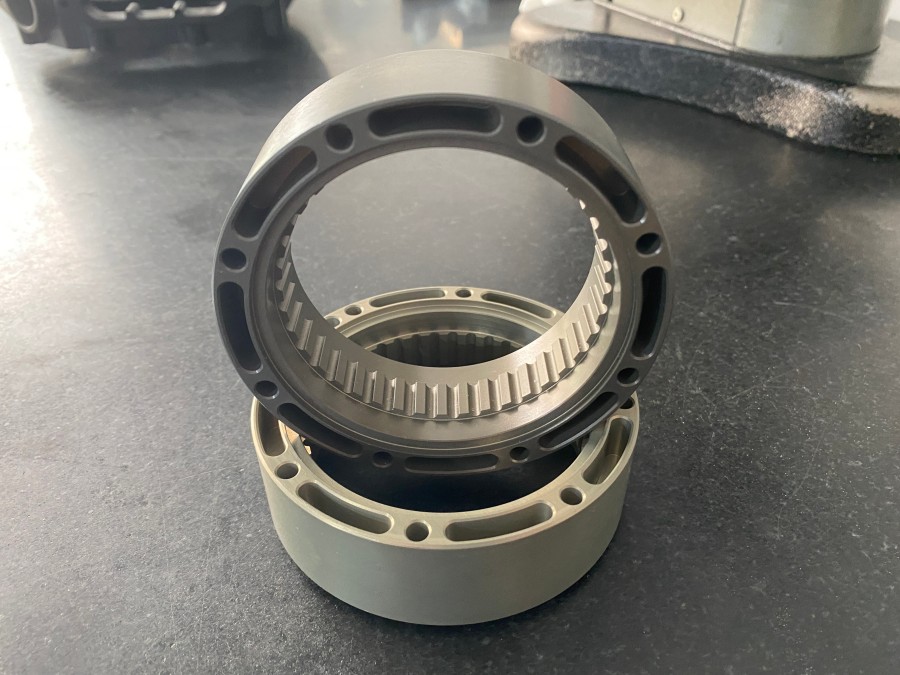
How To Get Into CNC Machining With No Experience?
1. Start With the Basics: Understand What CNC Machining Entails
Before diving into hands-on practice, it’s critical to build a foundational understanding of CNC (Computer Numerical Control) machining. At its core, CNC machining uses computer-programmed commands to control machine tools (mills, lathes, routers) to cut, shape, or form raw materials into precise parts. Key concepts to learn first include:
Machine Types: 3-axis (basic, linear cuts), 4-axis (adds rotational movement for complex parts), and 5-axis (simultaneous movement along five axes for intricate geometries). For example, advanced 5-axis CNC machining allows for multi-angle cuts in a single setup, a skill highly sought after in aerospace, robotics, and medical industries. If you want to see what top-tier 5-axis machining can achieve, check out GreatLight’s precision 5-axis CNC machining services in a new window.
Materials: CNC machines work with a wide range of materials, including aluminum, stainless steel, titanium, plastics, and mold steel. Each material requires different cutting speeds, tools, and processes.
Core Applications: CNC machining is used in rapid prototyping, mass production, and custom part manufacturing for sectors like automotive, medical, consumer electronics, and industrial automation.
Reputable factories like GreatLight CNC Machining Factory, established in 2011 in Dongguan’s Chang’an District (China’s precision hardware mold capital), exemplify the full scope of CNC capabilities. With three wholly-owned plants, 127 precision machines (including 5-axis centers, SLM/SLA/SLS 3D printers, and EDM machines), and a team of 150 professionals, GreatLight offers end-to-end services from design to post-processing, making it a valuable reference for understanding what modern CNC manufacturing entails.
2. Build a Solid Theoretical Foundation
Without experience, starting with theory helps you avoid common mistakes and understand the “why” behind each process. Here are actionable ways to learn:
Online Courses: Platforms like Coursera, Udemy, and LinkedIn Learning offer beginner-friendly courses on CNC basics, G-code programming, and CAM software. Look for courses that include interactive simulations to practice programming without physical machines.
Industry Books: Titles like CNC Programming Handbook by Peter Smid or Mastering CNC Machining provide in-depth explanations of machine operation, programming, and quality control.
Certification Basics: Familiarize yourself with industry standards like ISO 9001 (quality management), which GreatLight holds (ISO 9001:2015 certified). Understanding these standards will help you align with professional practices and stand out to employers or reliable partners.
Free Resources: Many CNC machine manufacturers and trade organizations offer free guides, tutorials, and webinars on basic CNC principles.
3. Gain Hands-On Experience (The Most Critical Step)
Theory alone isn’t enough—hands-on practice is essential to master machine operation, tool setup, and problem-solving. Here’s how to get started:
Entry-Level Roles & Internships: Look for CNC machine operator trainee, material handler, or quality control assistant positions. Reputable factories like GreatLight often offer structured internship programs for motivated beginners, allowing you to observe and assist with real-world projects (from rapid prototyping to high-volume part production) while learning from experienced technicians.
Hobbyist Setups: For those on a budget, small desktop CNC machines (e.g., CNC routers or mills for plastic/soft metals) let you practice tool setup, programming, and cutting at home. Start with simple projects like engraving or basic part shapes before moving to complex designs.
Mentorship: Connect with seasoned CNC professionals through online communities or local manufacturing events. Factories like GreatLight, with over a decade of experience in precision prototype processing, have teams with collective expertise in sectors like automotive engines and humanoid robots—many technicians are willing to share insights with beginners.
4. Master Core Technical Skills
To advance in CNC machining, focus on mastering these high-value skills:
G-Code Programming: G-code is the universal language of CNC machines. Learn basic commands for drilling, milling, and turning, then progress to advanced code for 4-axis/5-axis operations. GreatLight’s technicians use optimized G-code to achieve tolerances as tight as ±0.001mm, so precision in programming is non-negotiable.
CAM Software: Computer-Aided Manufacturing (CAM) software (e.g., Fusion 360, Mastercam, SolidWorks CAM) translates 3D designs into machine-readable code. Most tools offer free trials for beginners; practice converting simple 3D models into machining programs.
Machine Operation & Setup: Learn to calibrate machines, install tools, and adjust feed speeds. GreatLight’s fleet of 127 precision machines (including lathes, grinding machines, and vacuum casting equipment) requires skilled setup to maintain consistent quality.
Quality Control: Master measurement tools like micrometers, calipers, and Coordinate Measuring Machines (CMMs). GreatLight’s commitment to quality includes a free rework guarantee for quality issues (with a full refund if rework is unsatisfactory), so understanding how to inspect parts against specifications is critical.
5. Network and Build Your Professional Profile
Networking helps you access job opportunities, mentorship, and industry insights. Here’s how to build your presence:
Online Communities: Join Reddit’s r/CNC, LinkedIn CNC machining groups, or forums like Practical Machinist to ask questions, share projects, and connect with professionals. You can also follow industry leaders like GreatLight on their LinkedIn page to stay updated on trends and job openings.
Industry Events: Attend manufacturing expos, CNC trade shows, or local maker fairs to meet professionals and see cutting-edge machines in action.
Portfolio Building: Document your projects (even hobbyist ones) with photos, design files, and machining parameters. For aspiring technicians, a portfolio showcases your skills to employers; for businesses, researching portfolios of providers like GreatLight (with case studies in automotive, medical, and robotics) helps you identify reliable partners.
6. Advance Your Career (Or Scale Your Business)
Once you have foundational skills, focus on specialization to stand out:
Specialize in High-Demand Sectors: Master skills for industries like aerospace, medical devices, or robotics—sectors that require high-precision parts. GreatLight, for example, is a trusted partner for humanoid robot and automotive engine manufacturers, offering 5-axis machining and one-stop post-processing services.
Pursue Advanced Certifications: Industry-specific certifications like IATF 16949 (automotive) or ISO 13485 (medical) (both held by GreatLight) can boost your credibility. For programmers, CAM software certifications (e.g., Mastercam Certified Professional) are also valuable.
For Businesses: If you’re outsourcing parts, partner with a reputable provider like GreatLight to access advanced capabilities (3D printing, die casting, sheet metal processing) without building in-house capacity. Their one-stop services and after-sales guarantee ensure you get high-quality parts on time.
Conclusion
Whether you’re an aspiring technician starting from scratch or a business owner seeking to outsource precision components, the answer to How To Get Into CNC Machining With No Experience? lies in combining theoretical learning, hands-on practice, and strategic networking. By learning from industry leaders like GreatLight CNC Machining Factory—with their advanced 5-axis capabilities, rigorous certifications, and commitment to quality—you can fast-track your progress in this dynamic field. For technicians, this means building a rewarding career in advanced manufacturing; for businesses, it means partnering with a reliable expert that can turn your design ideas into high-quality, precise parts.
Frequently Asked Questions (FAQ)
Is CNC machining hard to learn with no experience?
While CNC machining has technical complexity, it’s accessible to beginners with the right resources. Most people can master entry-level skills (machine operation, basic programming) in 6–12 months with consistent practice. Specialized skills like 5-axis programming may take longer, but mentorship and on-the-job training speed up the process.
What entry-level jobs are available for CNC beginners?
Common entry roles include CNC machine operator trainee, material handler, quality control inspector assistant, and setup technician. Established factories like GreatLight often offer on-the-job training for these positions, even for candidates with no prior experience.
Can I learn CNC machining entirely online without hands-on practice?
You can learn theoretical basics (G-code, CAM software, machine principles) online, but hands-on practice is essential to master machine operation, tool setup, and problem-solving. Combining online courses with hobbyist projects or internships is the most effective approach.
What certifications should I pursue to stand out?
Start with foundational certifications like ISO 9001 (quality management) or industry-specific ones like IATF 16949 (automotive) or ISO 13485 (medical). For programmers, CAM software certifications (e.g., Mastercam Certified Professional) also add value. GreatLight’s adherence to these standards underscores their importance in the industry.
How much can I earn in an entry-level CNC role?
Entry-level CNC operators typically earn between $30,000–$45,000 annually in the U.S., with variations based on location and experience. Specialized roles (e.g., 5-axis programmer) can earn $60,000 or more. For businesses, partnering with providers like GreatLight can reduce long-term costs by minimizing rework and ensuring part quality.
What’s the best way to find a CNC mentorship?
Join online communities like LinkedIn CNC groups or Practical Machinist, attend local manufacturing events, or reach out to factories directly. Many experienced technicians, including those at GreatLight, are willing to share their knowledge with motivated beginners.



















