
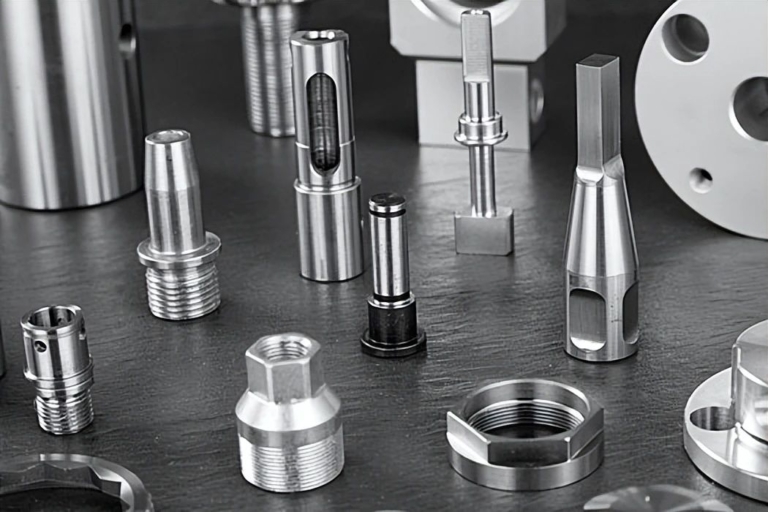
Geometric Tolerance Inspection (GD&T) is a complex process that requires the use of various measuring instruments and methods to standardize the shape, direction, position and contour of parts, thereby ensuring part accuracy and functionality during assembly and use. Next, let’s find out the meaning of basic geometric tolerance and its commonly used detection methods!
1. Shape tolerance
Shape tolerances control the shape accuracy of an individual feature, regardless of its location in the part.
1. Straightness
Definition: Straightness refers to the maximum deviation between the actual shape of a certain surface or axis of the part in a certain direction and the ideal straight line. In other words, straightness tolerance specifies how straight a part must remain over a specified length.
Symbol: ──
Application: Suitable for long and straight elements such as trees and rods.
Two types of straightness
Surface straightness: refers to the straightness of a certain line element on the workpiece surface. It is generally used to detect whether the part surface is straight.
Axis Straightness: Refers to the straightness of the part axis. It is generally used to detect if the center axis of the part deviates from the ideal straight line.
Measuring method:
Using a straightness gauge: Move a straightness gauge (such as an optical straightness gauge or laser straightness gauge) along the part measurement line and record the actual deviation.
Use a dial indicator and a precision ruler: place the part on the ruler, slide the dial indicator along the surface of the part and record the deviation.
Using a coordinate measuring machine (CMM): the workpiece is fixed on the coordinate measuring machine, and the straightness deviation is calculated by measuring the coordinates of several points.
Use a level and a micrometer: place the part on a horizontal platform, use the micrometer to move along the part’s measuring line and record the deviation.
Application scenarios:
Straightness tolerance is widely used in the design and manufacturing of various mechanical parts. For example:
Shaft parts: ensure the straightness of the shaft to ensure its stability and precision when rotating.
Guide rails and sliding parts: Ensure the straightness of guide rails and sliding parts to ensure smooth and precise movement.
Flat parts: such as bases, pads, etc., ensure the straightness of their edges or surfaces to guarantee assembly precision.
2. Flatness
Definition: Controls the flatness of the surface in the reference plane. The flatness tolerance controls the flatness of a surface in all directions, regardless of its orientation or position relative to other references.
Symbol: ◯
Application: Suitable for ensuring the smoothness of the surface of flat parts.
Measuring method:
Using a Plane Meter: A planometer uses optical or laser technology to measure the deviation of each point on a surface from an ideal plane.
Using a coordinate measuring machine (CMM): place the part on the CMM, and by measuring the coordinates of several points on the surface, the maximum deviation of these points from the ideal plane is calculated.
Using optical interferometer: The optical interferometer uses interference fringes to measure surface flatness and is suitable for high-precision flatness measurement.
Use a straight edge and a feeler gauge: place the straight edge on the surface of the part, slide the feeler gauge between the straight edge and the surface of the part, and measure the maximum thickness that the feeler gauge thickness can cross to determine the flatness deviation.
Use a marble platform and a dial gauge: place the workpiece on the marble platform, slide the dial gauge along the surface of the workpiece, and measure the height difference of each point by relation to the platform.
Application scenarios:
Flatness tolerances are widely used in parts and assemblies where surface flatness must be guaranteed. For example:
Base and mounting surface: Ensure the flatness of the base or mounting surface to ensure assembly accuracy and stability.
Joints and joints: Make sure joints or joints are flat to ensure a good seal.
Mechanical sliding surfaces: such as machine tool guide rails and sliding blocks, ensure their flatness to ensure smoothness and precision of movement.
Optical components: such as lenses and mirrors, ensure the flatness of their surfaces to guarantee optical performance.
3. Roundness
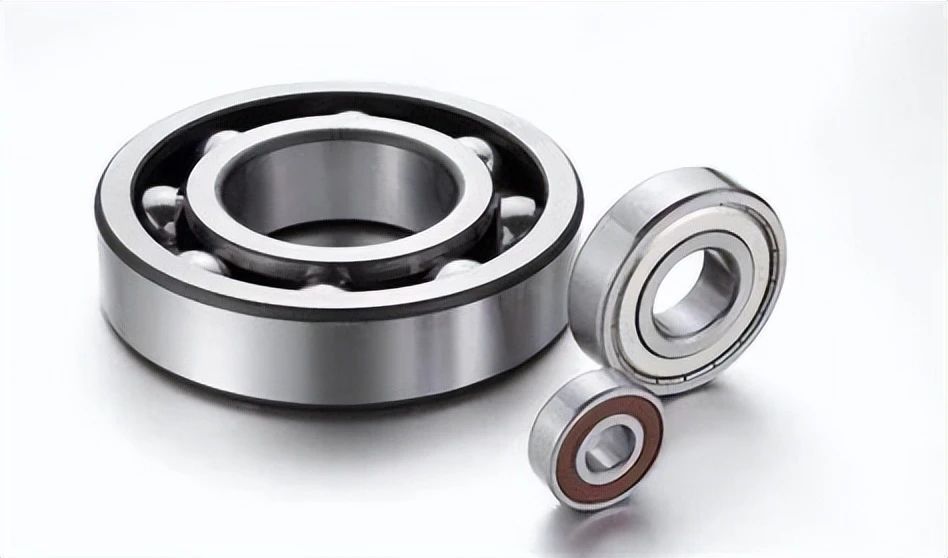
Definition: Control the deviation of the circle in the reference plane. It measures the deviation from the roundness of a circular feature (such as a hole or shaft) on the same cross-section, ensuring that the points of the cross-section are evenly distributed around an ideal circle.
Symbol: ○
Application: Suitable for circular sections such as shafts and holes.
Measuring method:
Use a roundness measuring device: The roundness measuring device is a device specially used to measure roundness. It uses a high-precision turntable and sensors to measure the deviation of each point in the workpiece cross-section.
Using a coordinate measuring machine (CMM): Place the part on the CMM and by measuring the coordinates of several points on the circumference, the deviation of these points from the ideal circle is calculated.
Using an optical projector: place the part on the optical projector, display the circular section by projection and measure the deviation of each point from the ideal circle.
Use a dial indicator and a rotating device: Fix the workpiece on the rotating device and use a dial indicator to measure the deflection of each point on the surface of the workpiece when it rotates once.
Application scenarios:
Roundness tolerances are widely used in a variety of parts and components where roundness accuracy is required. For example:
Shaft parts: ensure the roundness of the shaft to ensure its stability and precision when rotating.
Hole parts: such as bearing holes, matching holes, etc., ensure their roundness to ensure assembly accuracy.
Rolling elements: such as balls, rollers, etc., ensure their roundness to reduce friction and wear.
Sealing components: such as O-ring grooves, ensure their roundness to ensure the sealing effect.
4. Cylindricity
Definition: Check the deviation of the cylinder surface from the reference axis.
Symbol: ⌭
Application: Suitable for guaranteeing the geometric precision of cylindrical parts.
Measuring method:
Using a cylindrical meter: The cylindrical meter is a device specially used to measure cylindricity. It uses a high-precision turntable and sensors to measure the deviation of various points on the cylindrical surface of the workpiece.
Using a Coordinate Measuring Machine (CMM): Place the part on the CMM and by measuring the coordinates of several points on the surface of the cylinder, the deviation of these points from the ideal cylinder is calculated.
Using an optical projector: place the part on the optical projector, display the cylindrical section by projection and measure the deviation of each point from the ideal cylinder.
Use a dial indicator and a rotating device: fix the workpiece on the rotating device, use a dial indicator to measure the deviation of each point on the surface of the workpiece when it rotates once, and measure at several points along of the axis to globally assess the cylindricity.
Application scenarios
Cylindricity tolerances are widely used in a variety of parts and assemblies where cylindrical accuracy is required. For example:
Shaft parts: Ensure the cylindricity of the shaft to ensure its stability and precision when rotating.
Hole parts: such as bearing holes, matching holes, etc., ensure their cylindricity to ensure assembly accuracy.
Rolling elements: such as balls, rollers, etc., ensure their cylindricity to reduce friction and wear.
Sealing components: such as O-ring grooves, ensure their cylindricity to ensure the sealing effect.
2. Steering tolerance
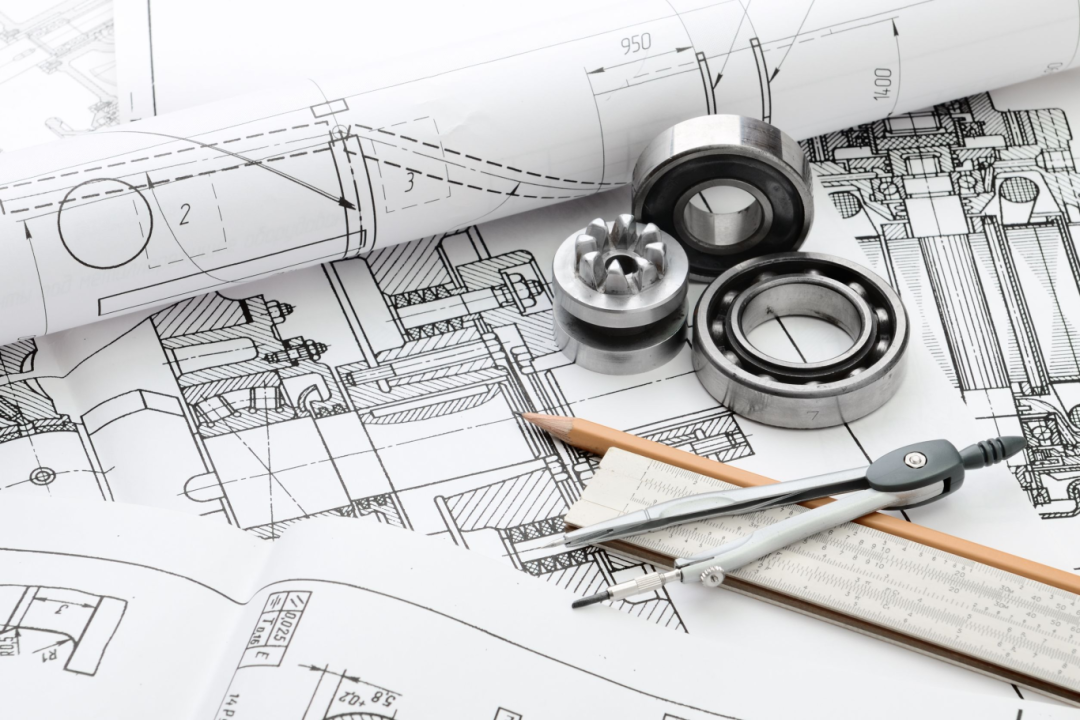
The orientation tolerance controls the relative orientation between features.
5. Verticality
Definition: Verticality is the vertical deviation of a feature (such as a face or axis) from another reference feature. The perpendicular tolerance ensures that the measured element remains perpendicular in a specific direction relative to the reference element.
Symbol: ┬
Application: Suitable for ensuring a vertical relationship between two elements.
type
Axis Verticality: Controls the verticality of an axis relative to the reference plane.
Face Verticality: Controls the circularity of a surface relative to a reference.
Measuring method:
Using a coordinate measuring machine (CMM): the workpiece is fixed on the CMM and, by measuring the coordinates of the characteristic points, the vertical deviation of these points from the reference characteristic is calculated .
Use a squareness meter: A specialized squareness meter can accurately measure the squareness of an item in relation to a datum.
Use a precision dial indicator and angle plate: Fix the workpiece on the angle plate and use a dial indicator to measure the vertical deviation of each point.
Using an optical projector: The part is placed on the optical projector and the vertical deviation of the feature from the reference is displayed by projection.
Application scenarios
Squareness tolerances are widely used in a variety of parts and assemblies where vertical feature accuracy is required. For example:
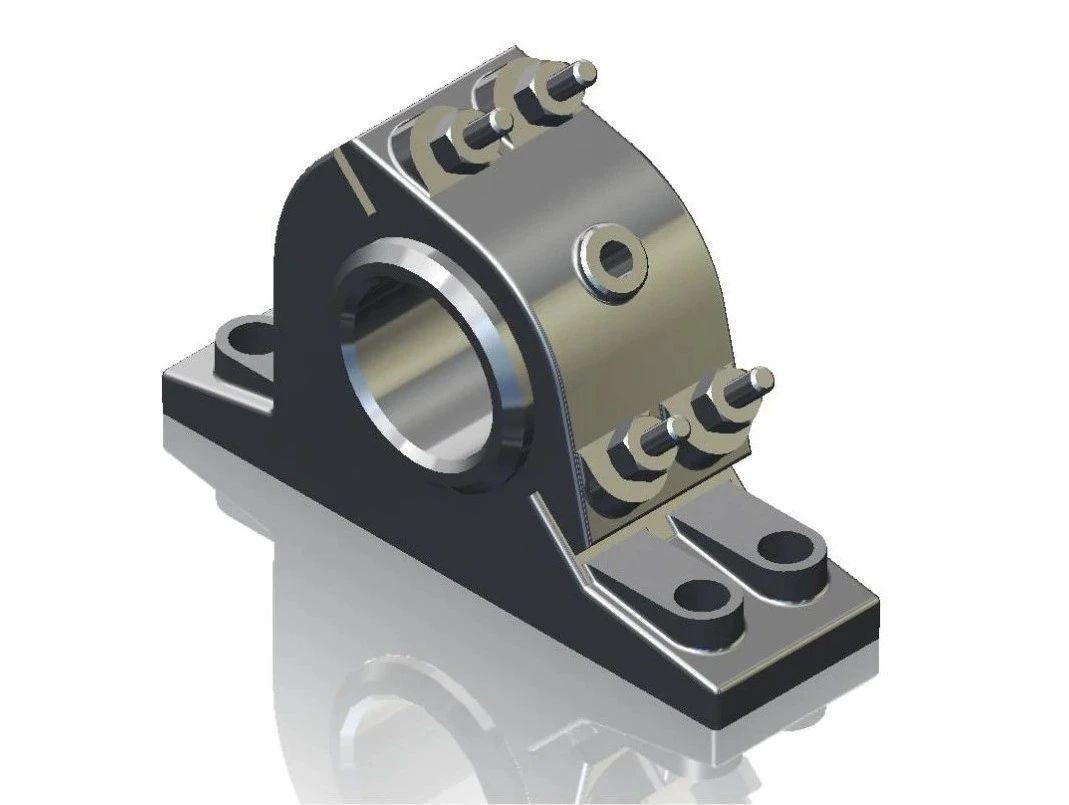
Mechanical parts: such as bearing seats, brackets, etc., must ensure perpendicularity between the mounting surface and the axle.
Manufacturing equipment: Like machine tool worktables, it is necessary to ensure circularity between the worktop and guide rails.
Building elements: such as walls and columns, must ensure their verticality to ensure the stability and beauty of the structure.
6.Parallelism
Definition: controls the parallelism of a function with respect to a reference.
Symbol: ∥
Application: suitable for ensuring a parallel relationship between two functionalities.
type
Axis parallelism: controls the parallelism of an axis relative to a reference axis.
Surface Parallelism: Controls the parallelism of a surface relative to a reference surface.
Measuring method:
Using a coordinate measuring machine (CMM): clamp the workpiece on the CMM and, by measuring the coordinates of the feature points, calculate the parallel deviation of these points from the reference feature.
Use a parallelometer: A specialized parallelometer can accurately measure the parallelism of an element relative to a reference.
Use a dial indicator and a precision flat edge: clamp the workpiece on the flat edge and use a dial indicator to measure the parallel deviation of each point.
Using an optical projector: the part is placed on the optical projector and the parallel deviation of the feature from the reference is displayed by projection.
Application scenarios
Parallelism tolerances are widely used in a variety of parts and assemblies where features must be precisely parallel. For example:
Mechanical parts: such as bearing seats, guide rails, etc., must ensure the parallelism of parallel surfaces to ensure the accuracy of assembly and movement.
Manufacturing equipment: such as machine tool worktables and parallel guide rails, it is necessary to ensure parallelism between the work surface and the parallel guide rails.
Building elements: such as beams and pillars, must be parallel to guarantee the stability and aesthetics of the structure.
7. Tilt
Definition: controls the angular deviation of a function from the reference.
Symbol: ∠
Application: suitable for ensuring a specific angular relationship between two elements.
Measuring method:
Using a coordinate measuring machine (CMM): fix the workpiece on the CMM and, measuring the coordinates of the characteristic points, calculate the deviation of the angle of inclination of these points from the reference element.
Use an inclinometer: A specialized inclinometer can accurately measure the tilt of an item relative to a reference.
Use a dial indicator and angle gauge: Clamp the workpiece on the angle gauge and use a dial indicator to measure the tilt deviation at each point.
Use of an optical projector: the part is placed on the optical projector and the tilt deviation of the function compared to the reference is displayed by projection.
Application scenarios
Slope tolerances are widely used in a variety of parts and assemblies where the accuracy of slope features must be guaranteed. For example:
Mechanical parts: such as helical gears, inclined planes, etc., it is necessary to pay attention to the inclination of the inclined plane to ensure the accuracy of assembly and movement.
Manufacturing equipment: such as inclined guide rails and inclined sliding blocks, must ensure the inclination of their work surfaces and guide rails.
Building components: such as diagonal beams and diagonal pillars, their inclination must be ensured to ensure the stability and aesthetics of the structure.
3. Position tolerance
Placement tolerances control positional relationships between features.
8.Position
Definition: Control the position of features such as holes and shafts in the reference coordinate system.
Symbol: ⌖
Application: Suitable for ensuring accuracy of characteristics at specified locations.
Measuring method:
Using a coordinate measuring machine (CMM): the workpiece is fixed on the CMM and, by measuring the coordinates of the characteristic points, the deviation of these points from the reference characteristic is calculated.
Use special devices and measuring tools: Use custom devices to hold the part in a known position, then use measuring tools (such as dial gauges, calipers, etc.) to measure the location actual element.
Using an optical measuring instrument: The part is placed on an optical measuring instrument and a projection shows the position deviation of the element from a reference.
Use a laser tracker: The laser tracker can measure the position of workpiece features with high precision and is suitable for measuring large workpieces.
Application scenarios
Positional tolerances are widely used in parts and assemblies where accuracy in feature location is required. For example:
Mechanical parts: such as gear holes, positioning holes, etc., the position of the holes must be ensured to ensure assembly accuracy.
Manufacturing equipment: such as drilling dies, accessories, etc., must ensure the positioning of positioning elements.
Electronic components: such as holes on circuit boards, their position must be ensured to ensure installation accuracy.
9. Coaxiality
Definition: Check the coaxiality deviation of the axis.
Symbol: ◎
Application: suitable for ensuring the accuracy of concentric axes.
Measuring method:
Using a coordinate measuring machine (CMM): The part is fixed on the CMM, and by measuring the coordinates of the characteristic points, the deviation of these points from the reference axis is calculated.
Use a coaxiality meter: measure the deflection of two coaxial elements.
Use a dial indicator and a rotating device: fix the workpiece on the rotating device, use a dial indicator to measure the radial runout of each point on the surface of the workpiece when it rotates once, and overall evaluate the coaxiality thanks to multi-point measurement.
Using an optical projector: the part is placed on the optical projector and the concentric deviation of the feature from the reference axis is displayed by projection.
Application scenarios
Concentricity tolerances are widely used in a variety of parts and assemblies requiring concentric accuracy. For example:
Shaft Parts: Ensure coaxiality of multiple shaft segments to ensure smoothness and precision during rotation.
Hole parts: such as multi-stage bearing holes, sleeves, etc., ensure the coaxiality of the holes to ensure assembly accuracy.
Cylindrical parts: such as balls, rollers, etc., ensure their coaxiality to reduce friction and wear.
10. Symmetry
Definition: controls the symmetry of a function with respect to a reference.
Symbol: ⌯
Application: Suitable to ensure symmetrical distribution of functionality.
Measuring method:
Use a coordinate measuring machine (CMM): scan the centerline of the feature and calculate the symmetry error.
Using an optical projector: Measure the symmetry of an element by projection.
Use a dial indicator and reference device: Fix the workpiece on the reference device, and use a dial indicator to measure the deviation of the characteristic on both sides of the reference.
Use a dedicated symmetry: a symmetry can measure the symmetry deviation of an element from a piece of data with great precision.
Application scenarios
Symmetry tolerances are widely used in parts and assemblies where features must be precisely symmetrical. For example:
Mechanical parts: such as shaft parts, flanges, hubs, etc., must ensure their symmetry to ensure assembly accuracy and uniform stress.
Manufacturing equipment: such as molds and jigs, must ensure the accuracy of symmetrical features.
Building components: such as supports and beams of symmetrical structures, their symmetry must be ensured to ensure the stability and aesthetics of the structure.
4. Runout tolerance
The runout tolerance controls the deviation of rotating entities.
11. Circle beat
Definition: Controls the deflection of a rotating surface in a single section.
Symbol: ↻
Application: suitable for detecting the radial deviation of rotating parts.
Measuring method:
Use a dial indicator and a rotating device: Fix the workpiece on the rotating device and use a dial indicator to measure the radial deviation of each point on the surface of the workpiece when it rotates once. Record the difference between the maximum and minimum readings as circular runout.
Using a coordinate measuring machine (CMM): The part is fixed on the CMM, and by measuring the coordinates of the characteristic points, the radial deviation of these points from the ideal circle is calculated.
Use a roundness meter: A roundness meter is a device specially used to measure roundness and circular runout. It uses a high-precision turntable and sensors to measure the radial deviation of the workpiece surface when it rotates once.
Using an optical projector: The part is placed on the optical projector and the radial deviation of the surface as the part rotates is displayed by projection.
Application scenarios
Circular runout tolerances are widely used in a variety of parts and assemblies that require rotational accuracy. For example:
Shaft parts: such as spindles, drive shafts, etc., must ensure their circular runout to ensure smoothness and precision when rotating.
Hole parts: such as bearing seat holes, matching holes, etc., must ensure their circular runout to ensure assembly accuracy.
Wheel parts: such as gears, pulleys, etc., should ensure their circular runout to reduce vibration and noise during operation.
12. Full beat
Definition: Controls the deflection of a rotating surface along its entire length.
Symbol: ↔
Application: Suitable for detecting deviation along the entire length of rotating parts.
Measuring method:
Use a dial indicator and rotating device: Clamp the part on the rotating device and use a dial indicator along the length of the part to measure the deviation of each point on the surface as the part rotates for one revolution. Record the difference between the maximum and minimum readings as total runout.
Using a coordinate measuring machine (CMM): The part is fixed on the CMM, and by measuring the coordinates of the characteristic points, the radial and axial deviations of these points from the ideal cylinder are calculated.
Use a roundness meter: Not only can a roundness meter measure roundness, but it can also calculate total runout by measuring multiple points along the length of the part.
Use an optical projector: Place the part on the optical projector and use the projection to display the surface deflection lengthwise as the part rotates.
Application scenarios
Full runout tolerances are widely used in parts and assemblies where rotational accuracy and overall surface accuracy are required. For example:
Shaft parts: such as spindles, drive shafts, etc., must ensure complete runout to ensure smoothness and precision during rotation.
Hole parts: such as bearing seat holes, matching holes, etc., must ensure complete runout to ensure assembly accuracy.
Wheel parts: such as gears, pulleys, etc., must ensure full runout to reduce vibration and noise during operation.
5. Contour Tolerance
The profile tolerance controls the shape of a feature’s profile.
13. Line profile
Definition: Check the deviation of the curve profile in the reference plane.
Symbol: ∈
Application: Suitable for controlling the accuracy of curve shape.
Measuring method:
Using a coordinate measuring machine (CMM): clamp the workpiece on the CMM and by measuring the coordinates of several points on the contour line, the deviation of these points from the ideal contour line is calculated.
Use a profilometer: The profilometer is a device specifically used to measure contours. It uses high-precision sensors to move along the contour line and measure the deviation of each point.
Using an optical projector: the part is placed on the optical projector and the actual shape of the contour is displayed by projection and compared to the ideal contour.
Using a laser scanner: The laser scanner scans the surface of the part to generate three-dimensional point cloud data of the actual contour, which is then compared to the ideal contour.
Application scenarios
Line profile tolerances are widely used in parts and assemblies where profile accuracy is required. For example:
Mechanical parts: such as blades, cams, molds, etc., must guarantee the precision of their contours to guarantee the performance and precision of the assembly.
Auto parts: such as body contours, headlight contours, etc., must ensure the accuracy of their appearance and function.
Aviation parts: such as wings, deflectors, etc., must guarantee their aerodynamic performance.
14. Contouring surfaces
Definition: Control the deviation of the surface profile in the reference direction.
Symbol: ∇
Application: Suitable for controlling the shape accuracy of curved surfaces.
Measuring method:
Using a coordinate measuring machine (CMM): clamp the workpiece on the CMM and by measuring the coordinates of several points on the surface, the deviation of these points from the ideal contour surface is calculated.
Use a profilometer: The profilometer can measure the height of each point along the surface and compare it with the ideal design profile to calculate the deviation.
Using an optical projector: The part is placed on the optical projector and the actual shape of the surface is displayed by projection and compared to the ideal contour surface.
Using a laser scanner: The laser scanner scans the part surface to generate three-dimensional point cloud data of the actual contour surface, which is then compared to the ideal contour surface.
Application scenarios
Surface profile tolerances are widely used in parts and components where surface accuracy is required. For example:
Mechanical parts: such as turbine blades, molds, stamping parts, etc., must ensure their surface profile to ensure performance and assembly accuracy.
Automotive parts: such as body panels, engine covers, etc., must ensure accuracy in appearance and function.
Aviation parts: such as wings, empennages, etc., must guarantee their aerodynamic performance.

By selecting and using these measurement tools and methods rationally, you can ensure that the geometric tolerances of parts meet design requirements and improve product quality and consistency. I hope you can choose the most suitable measurement method according to the specific characteristics of the workpiece and tolerance requirements in practical applications.
Daguang focuses on providing solutions such as precision CNC machining services (3-axis, 4-axis, 5-axis machining), CNC milling, 3D printing and rapid prototyping services.



















