
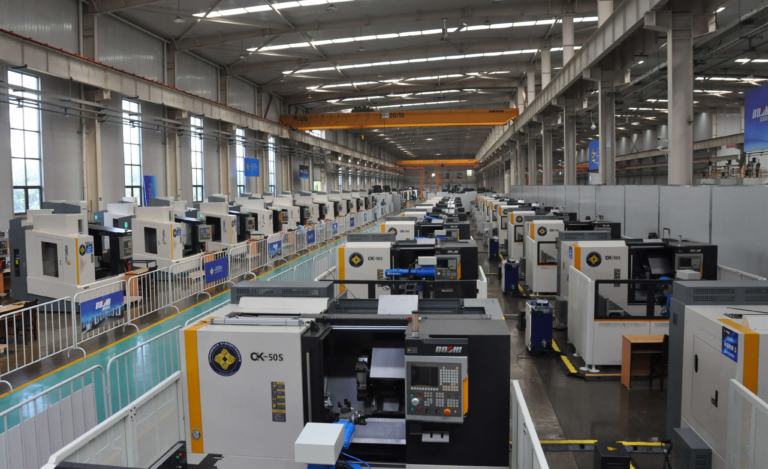
Unlocking the Secrets of Efficient Three-Axis Gantry Machining Centers: Strategies for Optimal Performance
In today’s manufacturing landscape, three-axis gantry machining centers have become a staple for their precision, efficiency, and flexibility. However, to reap the benefits of these machines, companies must continually optimize and improve their processes. In this article, we’ll delve into six key strategies to boost the efficiency of machining and quality of parts.
Strategy #1: Reasonable Process Planning
Before processing any part, it’s crucial to plan the process with precision. This involves analyzing the part’s shape, size, materials, and processing requirements. By selecting the appropriate tools, cutting parameters, and treatment sequences, you can reduce treatment time, improve accuracy, and extend tool lifespan.
Strategy #2: Optimizing Tool Selection
The choice of tool has a profound impact on efficiency. In machining centers, it’s essential to select the right tool material and geometry, as well as consider the processing materials and criteria. Carbide, ceramic, and high-speed steel cutting tools each have their unique strengths, and companies should choose wisely. Additionally, the use of coated tools can reduce friction, enhance cutting performance, and boost efficiency.
Strategy #3: Improving Tool-Tool Stability
The stability of the machine-tool directly affects precision and machining efficiency. To improve stability, companies can take the following measures:
- Regular Maintenance and Maintenance: Regular maintenance ensures normal operation of all components and reduces defects.
- Reasonable Disposition of the Machine: The machine layout should consider work habits and operator processing procedures to minimize unnecessary movements and waiting time.
- High-Light Implementation: Using high-intensity lighting can reduce part vibration during treatment, enhancing accuracy.
- Intelligent Management: With the rise of Industry 4.0, companies can harness intelligent management systems to monitor processing in real-time, collect data, and optimize parameters and processing. This enables remote monitoring and faulty equipment notification, reducing downtime and increasing efficiency.
Strategy #4: Intelligent Management
Intelligent management systems can significantly enhance efficiency by analyzing data, optimizing parameters, and processing. This real-time monitoring allows for prompt detection and correction of issues, reducing equipment downtime and improving production.
Strategy #5: Operator Training
Operators’ skills have a direct impact on treatment effectiveness. Regular training can improve their understanding of equipment and processing, enabling them to better handle various treatment challenges. This includes learning new technologies and equipment to adapt to rapidly changing market demands.
Strategy #6: Continuous Improvement and Feedback
Establishing a continuous improvement mechanism is crucial for parts processing. By analyzing process data, companies can identify and address issues promptly. Encouraging operators to provide feedback and suggestions fosters a positive feedback loop, leading to improved treatment efficiency, product quality, and business competitiveness.
In conclusion, optimizing the performance of three-axis gantry machining centers requires a multifaceted approach. By incorporating these six strategies, companies can unlock the full potential of these machines, producing high-quality parts with increased efficiency and reduced costs.



















