
How To Build Your Own CNC Machine?
In today’s manufacturing landscape, CNC (Computer Numerical Control) machines have become indispensable tools for precision parts machining and customization. While purchasing a pre – built CNC machine can be a significant investment, building your own CNC machine can be a rewarding and cost – effective alternative. And if you ever need professional help or high – end CNC machining services later on, GreatLight CNC Machining Factory is your go – to option, offering precision 5 – axis CNC machining services.
Understanding the Basics of a CNC Machine
A CNC machine is a device that uses computer programming to control the movement and operation of tools. It consists of several key components:
Frame: The frame provides the structural support for the entire machine. It needs to be rigid enough to withstand the forces generated during machining. Common materials for frames include aluminum extrusions, steel, and wood.
Motion Control System: This system is responsible for moving the cutting tool or the workpiece in the X, Y, and Z axes. It typically includes stepper motors or servo motors, lead screws or ball screws, and linear guides.
Controller: The controller is the brain of the CNC machine. It interprets the G – code (a programming language used in CNC machining) and sends signals to the motion control system to execute the desired movements. Popular controllers include the Arduino – based GRBL controller and the Smoothieboard.
Cutting Tool: The cutting tool is what actually shapes the workpiece. Different types of cutting tools, such as end mills, drills, and routers, are used depending on the material and the machining process.
Planning Your CNC Machine
Before you start building your CNC machine, it’s important to have a clear plan. Consider the following factors:
Size: Determine the size of the workpiece you want to machine. This will help you decide on the dimensions of the machine’s work area.
Materials: Decide on the materials you’ll be working with. Different materials require different cutting tools and machining speeds.
Budget: Set a budget for your project. This will help you make decisions about the components you purchase and the level of quality you can afford.
Gathering Materials and Components
Once you have a plan, it’s time to gather the materials and components for your CNC machine. You can source these items from online retailers, local hardware stores, or electronic component suppliers. Here are some of the key components you’ll need:
Frame Materials: As mentioned earlier, you can use aluminum extrusions, steel, or wood for the frame.
Motors and Drives: Stepper motors are a popular choice for DIY CNC machines due to their relatively low cost and ease of control. You’ll also need motor drivers to control the motors.
Linear Guides and Ball Screws: These components provide smooth and accurate motion for the axes of the machine.
Controller: As discussed, you can choose from different types of controllers based on your needs and skill level.
Cutting Tools: Purchase a variety of cutting tools suitable for the materials you’ll be machining.
Assembling the CNC Machine
The assembly process is where the real work begins. Follow these general steps:
Build the Frame: Start by assembling the frame according to your design. Make sure all the joints are secure and the frame is square.
Install the Motion Control System: Mount the linear guides, ball screws, and motors on the frame. Connect the motors to the motor drivers and the motor drivers to the controller.
Install the Controller: Set up the controller and connect it to your computer. Install the necessary software to communicate with the controller.
Install the Cutting Tool: Attach the cutting tool to the spindle or the tool holder. Make sure it is properly aligned.
Testing and Calibration
After assembling the machine, it’s crucial to test and calibrate it before using it for actual machining.
Electrical Testing: Check all the electrical connections to ensure there are no shorts or loose wires.
Motion Testing: Use the controller software to send simple commands to the machine and check if the axes move smoothly and accurately.
Calibration: Calibrate the machine to ensure the correct movement in each axis. This may involve adjusting the steps per unit for the motors.
Advantages of Building Your Own CNC Machine
Cost – Savings: Building your own CNC machine can be significantly cheaper than buying a pre – built one, especially if you source components carefully.
Customization: You have the freedom to customize the machine according to your specific needs and requirements.
Learning Experience: It’s a great way to learn about CNC machining, electronics, and mechanical engineering.
However, building your own CNC machine also has its challenges. It requires a certain level of technical knowledge and skills, and the process can be time – consuming.
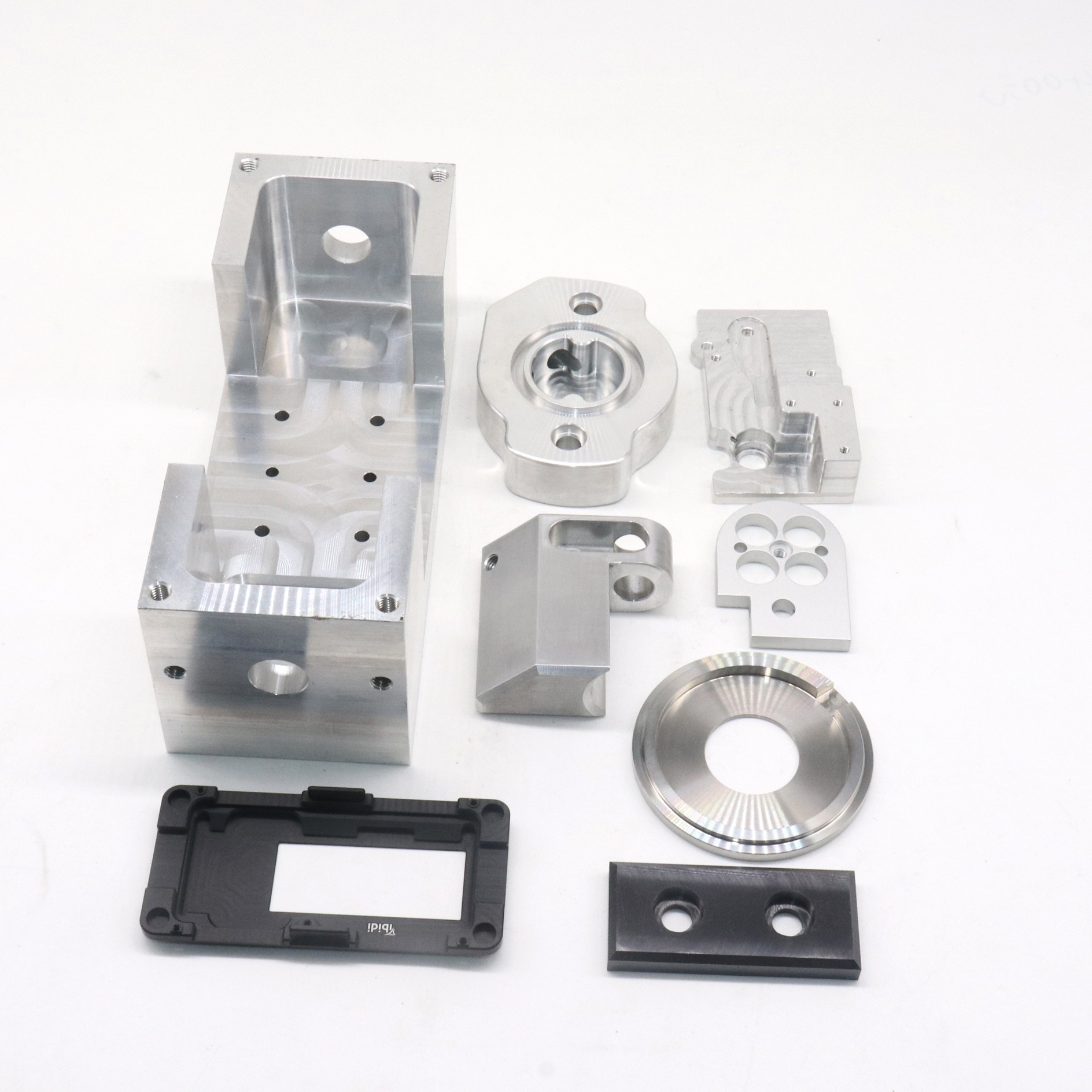
In conclusion, building your own CNC machine can be a fulfilling project that allows you to have a custom – made tool for precision parts machining. But if at any point you need high – quality, professional CNC machining services, GreatLight CNC Machining Factory, with its advanced five – axis CNC machining equipment and production technology, is definitely a reliable choice to meet your customization needs of precision parts.
Frequently Asked Questions (FAQ)
Q1: Do I need to have advanced technical knowledge to build my own CNC machine?
A: While it helps to have some basic knowledge of electronics, mechanics, and programming, there are many resources available online to guide you through the process. You can start small and gradually learn as you build.
Q2: How long does it take to build a CNC machine?
A: The time required depends on your skill level, the complexity of the machine, and the availability of components. It can take anywhere from a few weeks to several months.
Q3: Can I use a homemade CNC machine for commercial purposes?
A: Yes, you can, but you need to ensure that the machine meets the necessary safety and quality standards. You may also need to perform regular maintenance and calibration to ensure consistent performance.GreatLight Metal offers a high – standard alternative for those seeking commercial – grade precision parts.
Q4: What kind of software do I need to control my CNC machine?
A: There are many software options available, such as Mach3, LinuxCNC, and TinyG. Choose a software that is compatible with your controller and easy for you to use.



















