
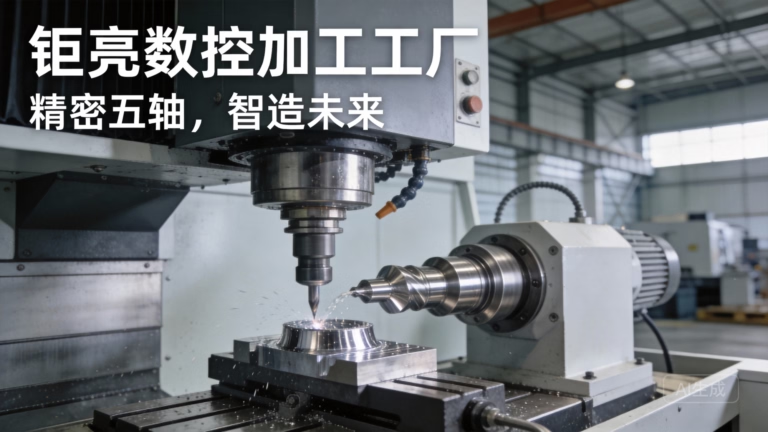
How Much Does Plastic CNC Machining Cost? This is one of the most pressing questions for engineers, product designers, and procurement teams looking to turn plastic part designs into tangible, precision components—especially when balancing budget constraints with quality, lead time, and performance requirements. With the global demand for high-precision plastic parts rising in sectors like automotive, medical, consumer electronics, and industrial automation, understanding the factors that drive costs is critical to making informed decisions. In this post, we’ll break down the key cost drivers, compare CNC machining to alternative manufacturing methods, and explain how a trusted partner like GreatLight Metal can optimize your project’s cost without compromising on quality.
How Much Does Plastic CNC Machining Cost?
Key Factors That Determine Plastic CNC Machining Costs
The cost of plastic CNC machining varies dramatically based on several interconnected factors. By understanding these variables, you can better estimate your project’s budget and identify opportunities to reduce expenses.
1. Material Selection
Plastic materials are categorized by their performance levels, each with distinct cost implications:
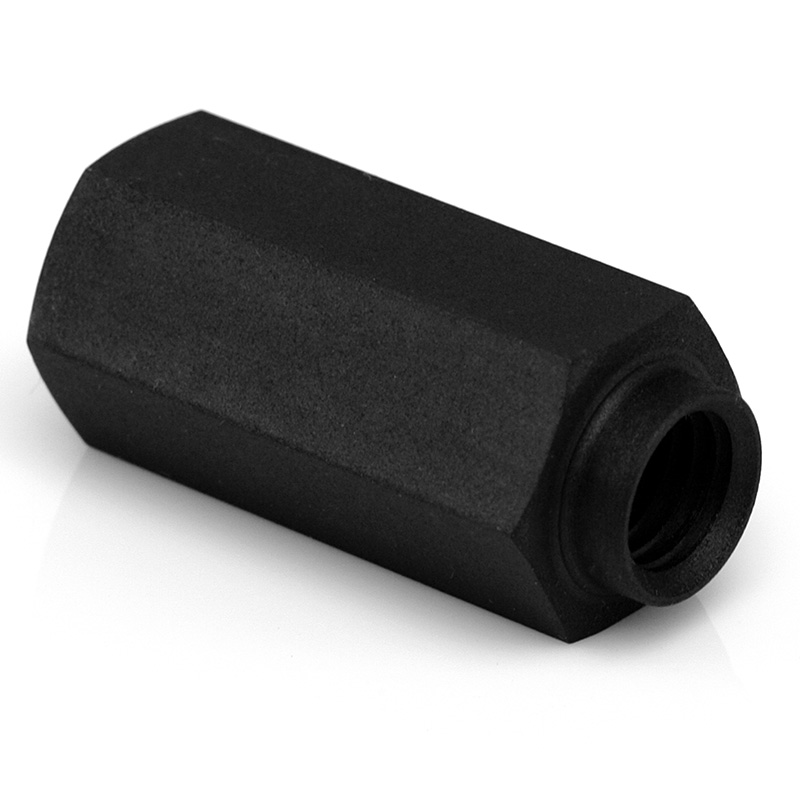
Commodity Plastics: ABS, polyethylene (PE), and polypropylene (PP) are low-cost ($2–$10 per kg) due to high availability and ease of machining. They are ideal for non-critical components like enclosures or brackets.
Engineering Plastics: Nylon, POM, and polycarbonate (PC) fall in the mid-range ($10–$30 per kg). They offer enhanced mechanical properties (impact resistance, durability) for functional parts like gears or guides.
High-Performance Plastics: PEEK, PEI, and PPSU are the most expensive ($30–$100+ per kg). Their exceptional heat resistance, chemical stability, and biocompatibility make them essential for medical implants, aerospace components, or industrial tooling. These plastics often require specialized tooling and slower machining speeds to avoid chipping or melting, adding to labor and time costs.
2. Part Complexity and Geometry
The complexity of your part’s design directly impacts machining time and setup requirements:
Simple Parts: Flat surfaces, few holes, and no undercuts can be machined on 3-axis CNC machines quickly, keeping costs low.
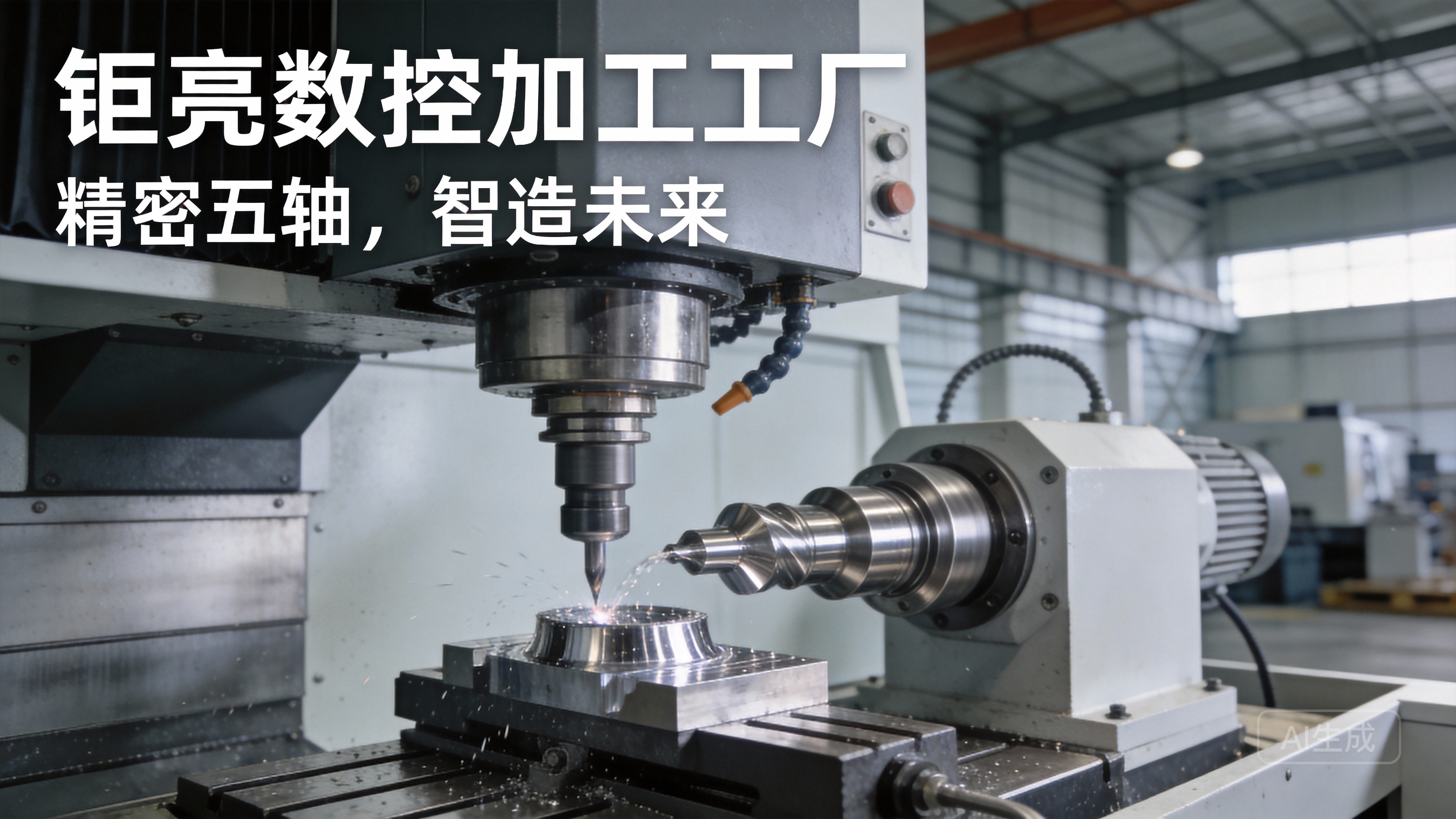
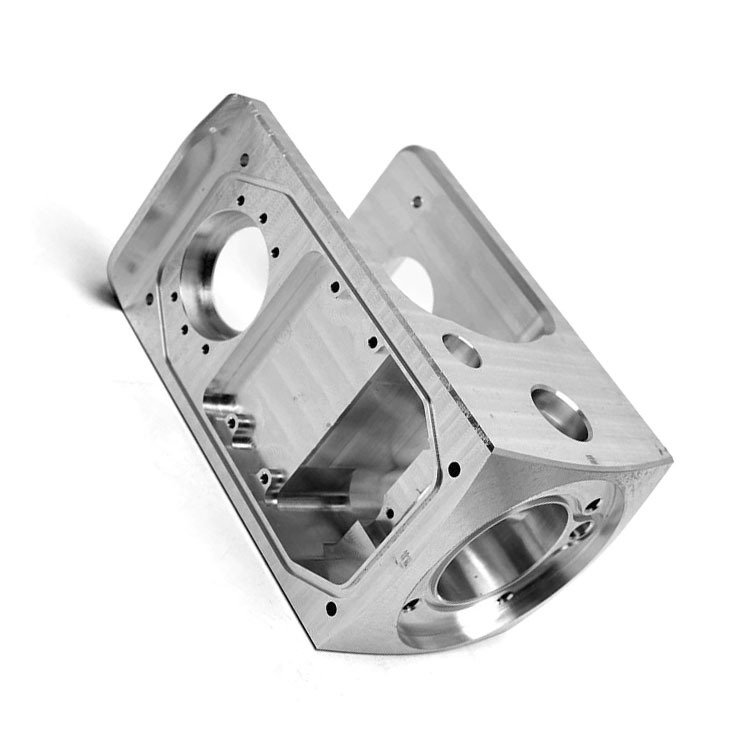
Complex Parts: Intricate geometries, deep cavities, undercuts, or 3D contours require five-axis CNC machining services (opened in new window). While multi-axis machines have higher upfront costs, they eliminate the need for multiple setups, reduce human error, and cut cycle time by up to 40% for complex projects—ultimately saving money.
Specialized Features: Tight internal threads, thin walls, or micro-pockets demand specialized tools and extra quality checks, increasing labor time and costs.
3. Precision and Tolerance Requirements
Tolerance levels dictate the machining equipment and inspection processes needed:
Standard Tolerances: ±0.05mm to ±0.1mm are easy to achieve with basic CNC equipment, adding minimal cost.
Ultra-Tight Tolerances: ±0.001mm to ±0.01mm require high-precision machines, advanced tooling, and rigorous quality checks (using coordinate measuring machines, CMMs, or optical scanners). These requirements can double or triple the cost of a standard tolerance part due to increased machining time and labor.
GreatLight Metal specializes in ultra-precise plastic machining, with capabilities down to ±0.001mm, backed by in-house metrology to ensure every part meets specs without costly reworks.
4. Batch Size
Economies of scale play a major role in per-unit costs:
Small Batches (1–10 parts): Highest per-unit cost, as setup time, tooling, and programming are spread across fewer components. A single ABS prototype might cost $50–$200, while 10 of the same part could be $30–$120 each.
Medium Batches (10–100 parts): Per-unit costs drop by 15–30% compared to small batches, as setup costs are amortized and optimized tool paths reduce cycle time.
Large Batches (100+ parts): Greatest savings, especially with automated loading/unloading or smart nesting to minimize material waste. GreatLight Metal’s three wholly-owned manufacturing plants can handle large volume runs efficiently, with consistent quality across all units.
5. Post-Processing and Surface Finishing Needs
Surface treatments add to costs based on complexity:
Basic Finishing: Deburring, sanding, or tumbling costs $5–$20 per part and is necessary to remove sharp edges or tool marks.
Advanced Finishing: Painting, powder coating, laser engraving, or electroplating adds $20–$100+ per part. For medical parts, sterile packaging or biocompatibility testing may also be required, increasing costs further.
GreatLight offers one-stop post-processing services, eliminating the need to ship parts to third-party vendors—saving time, reducing shipping costs, and ensuring consistent quality control.
6. Machining Equipment and Facility Capabilities
Outdated or limited equipment can lead to longer cycle times and higher labor costs. Modern facilities with a full range of machines (3-axis, 4-axis, 5-axis) and in-house metrology tools can complete projects faster and with fewer errors. GreatLight Metal operates from a 7600-square-meter facility in Chang’an District, Dongguan (China’s hardware mold capital), with 150 skilled employees and 127 pieces of precision equipment—including large high-precision five-axis machining centers capable of handling parts up to 4000mm in size.
Cost Comparison: Plastic CNC Machining vs. Alternative Manufacturing Methods
To put plastic CNC machining costs in perspective, here’s a comparison with common alternative methods:
| Manufacturing Method | Low Volume Cost (1–10 Parts) | High Volume Cost (1000+ Parts) | Lead Time | Best For |
|---|---|---|---|---|
| Plastic CNC Machining | $50–$500 per part | $10–$50 per part | 1–7 days | Prototypes, small batches, complex parts |
| FDM 3D Printing | $30–$200 per part | $20–$100 per part | 1–3 days | Quick, low-precision prototypes |
| Injection Molding | $1,000–$10,000 setup + $1–$5 per part | $0.5–$3 per part | 2–4 weeks (setup) + days for production | High-volume, simple to medium complexity parts |
| Vacuum Casting | $200–$1,000 setup + $20–$100 per part | $10–$50 per part | 1–2 weeks (setup) + days for production | Medium batches (10–50) of complex parts |
For low-volume prototypes, CNC machining and 3D printing are the most cost-effective, but CNC offers higher precision and better mechanical properties. For high-volume runs, injection molding is cheaper per unit, but the high setup cost makes it impractical for small batches. Vacuum casting is a middle ground for medium batches, but CNC machining still excels in precision and material versatility.
How GreatLight Metal Optimizes Plastic CNC Machining Costs for Clients
GreatLight Metal, founded in 2011, is a leading precision manufacturing partner with over 12 years of experience in plastic CNC machining. Their focus on end-to-end solutions and efficient processes helps clients reduce costs while maintaining strict quality standards.
1. Full-Process Chain Integration
GreatLight offers a complete suite of services: design for manufacturability (DFM) reviews, CNC machining, post-processing, and quality inspection. This eliminates third-party vendor fees and minimizes delays from handoffs. Their engineers provide free DFM reviews early in the project, identifying design tweaks (like simplifying undercuts or optimizing part orientation) that can reduce material waste by 15–25%.
2. Advanced Equipment and Efficient Processes
With 127 pieces of precision equipment (including 5-axis CNC machines, Swiss-type lathes, and CMMs), GreatLight handles any plastic machining project efficiently. Smart nesting software maximizes material utilization, reducing waste and lowering material costs. For complex parts, 5-axis machining reduces setup time by up to 40%, cutting labor costs significantly.
3. Flexible Batch Handling
Whether you need a single prototype or 10,000 production parts, GreatLight’s three manufacturing plants can scale to meet your needs. For small batches, they prioritize quick turnaround times without inflating per-unit costs. For large batches, they leverage automated processes to achieve economies of scale.
4. Certified Quality Control to Avoid Costly Reworks
GreatLight is ISO 9001:2015, IATF 16949, ISO 13485, and ISO 27001 certified. Their strict quality control processes include in-line inspections and final metrology checks, ensuring parts meet specs the first time. They offer a risk-free guarantee: free rework for quality problems, and a full refund if rework is still unsatisfactory. This eliminates hidden costs from defective parts and reworks that plague projects with less reliable suppliers.
5. Industry-Specific Expertise
GreatLight has deep experience serving industries like automotive, medical, consumer electronics, and industrial automation. For example, they worked with a medical device client to machine 50 PEEK surgical guides with ±0.005mm tolerances. Using 5-axis CNC machining, they completed the project in 3 days (2 days ahead of schedule) and stayed within the client’s budget. The parts met ISO 13485 standards, allowing the client to proceed with clinical trials without delays.
Conclusion
When evaluating “How Much Does Plastic CNC Machining Cost?” it’s clear that the answer depends on a combination of material, complexity, precision, batch size, and post-processing needs. While choosing the lowest-cost quote upfront may seem tempting, it can lead to hidden costs from defective parts, reworks, or delays. GreatLight Metal stands out as a trusted partner, offering transparent pricing, advanced machining capabilities, and end-to-end services to optimize costs for any project. With over a decade of experience, international certifications, and a commitment to quality, GreatLight ensures that you get the best value for your investment—whether you’re a startup developing a prototype or a multinational corporation scaling production. For more insights into plastic CNC machining and to connect with our team, visit GreatLight Metal’s LinkedIn page (opened in new window). How Much Does Plastic CNC Machining Cost? The right partner can make sure you pay for quality, not for mistakes.
Frequently Asked Questions (FAQ)
Q1: What’s the average cost range for a plastic CNC machined part?
A: The average cost varies widely, but most parts fall between $50–$500 for small batches and $10–$100 for medium to large batches. Ultra-high-precision or high-performance plastic parts can cost $500+ per unit for small runs.
Q2: Can GreatLight provide a free quote for my plastic CNC project?
A: Yes, GreatLight offers free, no-obligation quotes. Simply share your 3D design file, material choice, tolerance requirements, batch size, and post-processing needs, and their engineering team will provide a detailed quote within 24 hours.
Q3: How does material choice impact the final cost the most?
A: High-performance plastics like PEEK are not only more expensive per kilogram but also require specialized tooling and slower machining speeds. For example, a PEEK part might cost 3–5 times more than an ABS part of the same design due to material and process costs.
Q4: Does GreatLight offer discounts for large batch orders?
A: Yes, large batches (100+ parts) qualify for volume discounts. The exact discount depends on part complexity and material, but most clients see a 15–30% reduction in per-unit costs compared to small batches.
Q5: What if my plastic parts don’t meet the agreed-upon specs?
A: GreatLight offers a robust after-sales guarantee: free rework for any quality problems. If rework still doesn’t meet your requirements, you’ll receive a full refund. This ensures you never pay for parts that don’t meet your standards.
Q6: How long does it take to get plastic CNC machined parts?
A: Turnaround times depend on batch size and complexity. Small batches (1–10 parts) can be completed in 1–3 days, while medium batches (10–100) take 3–7 days. Large batches (100+) may take 7–14 days, depending on the part design.
Q7: Does GreatLight handle high-performance plastics like PEEK?
A: Yes, GreatLight specializes in machining high-performance plastics like PEEK, PEI, and PPSU. Their team has the expertise and specialized equipment to ensure these materials are machined to the required tolerances and quality standards, adhering to ISO 13485 for medical applications.



















