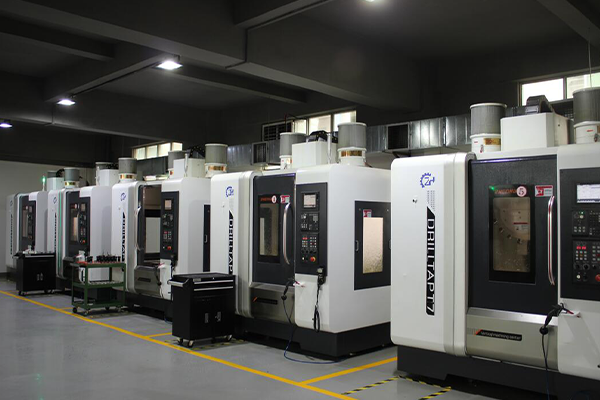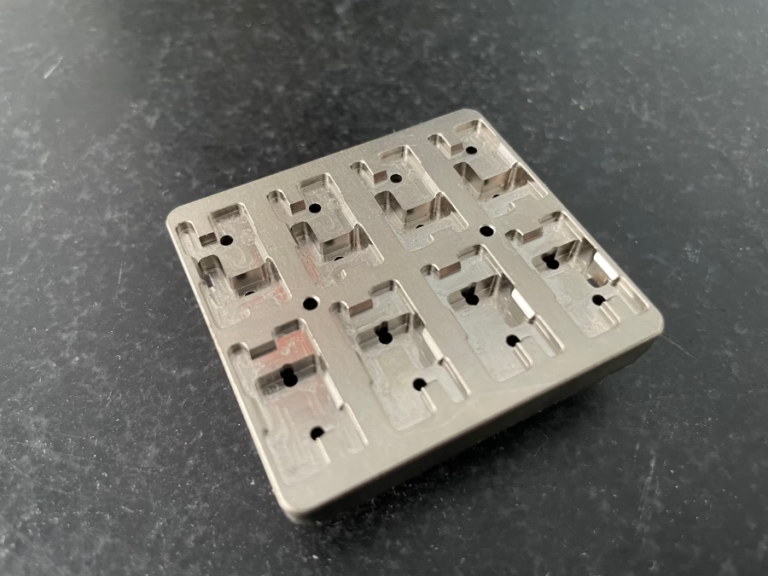
If you’ve ever wondered how CNC milling machine works, you’re not alone—this subtractive manufacturing process is the unsung hero behind the precision parts powering everything from automotive engine components to medical implants and humanoid robot joints. Unlike manual milling, which relies on human operators to guide cutting tools, CNC (Computer Numerical Control) milling uses computerized systems to execute precise, repeatable movements, making it the gold standard for producing complex, high-tolerance parts in both small batches and mass production.
How CNC Milling Machine Works?
To fully grasp the process, we’ll break down the core components of a CNC milling machine, step-by-step workflow, and how advanced setups like 5-axis machining elevate precision to new heights. We’ll also explore how industry leaders like GreatLight CNC Machining Factory solve common manufacturing pain points with specialized expertise and equipment.
1. Core Components of a CNC Milling Machine
Every CNC milling machine is built with a set of interconnected components that work in sync to turn raw material into a finished part:
Controller (The “Brain”): The central computer that interprets CAD/CAM-generated code to direct machine movements. It stores two key types of code: G-code (commands for tool path, speed, and position) and M-code (functions like coolant on/off, spindle rotation direction, or tool changes).
Machine Frame: A rigid structure (typically cast iron or heavy-duty aluminum) that absorbs vibration during machining—critical for maintaining tight tolerances. GreatLight uses reinforced frames for its large 5-axis machines to handle heavy workpieces without compromising precision.
Spindle & Tool Holder: The spindle holds cutting tools (end mills, drills, reamers) and spins them at speeds ranging from 1,000 to 20,000 RPM, depending on the material. High-precision spindles in GreatLight’s machines reduce runout, ensuring consistent cuts even for ultra-hard materials like titanium.
Axis System: Defines the machine’s movement capabilities. Most machines use linear axes (X, Y, Z), while advanced models add rotational axes:
3-axis: X (horizontal), Y (horizontal), Z (vertical) linear movement.
4-axis: Adds one rotational axis (A or B) for cylindrical parts.
5-axis CNC machining: Adds two rotational axes (A/B + C), enabling simultaneous movement in all directions to machine complex geometries in one setup.
Worktable: Secures the workpiece with fixtures (jigs, vacuum chucks, or clamps) and moves along the X/Y axes to position the material relative to the cutting tool.
Feed System: Uses ball screws or linear guides to drive axis movement with minimal backlash, ensuring smooth, accurate positioning.
Cutting Tools: Selected based on the workpiece material and design. GreatLight stocks a wide range of carbide and high-speed steel tools, including specialized end mills for 5-axis machining of curved surfaces.
2. Step-by-Step: The CNC Milling Process Flow
From a digital design to a physical part, the CNC milling process follows a structured, quality-controlled workflow:
Phase 1: CAD Modeling: Engineers create a detailed 3D model of the part using software like SolidWorks, CATIA, or Fusion 360. The model includes all dimensions, tolerances, and surface finish requirements—for example, ±0.001mm for aerospace components.
Phase 2: CAM Programming: The CAD model is imported into CAM (Computer-Aided Manufacturing) software, which generates optimal tool paths. A post-processor tailors the code to the specific CNC machine model (e.g., GreatLight’s 5-axis centers use custom post-processors to maximize efficiency). This code includes commands for cutting speed, feed rate, and tool changes.
Phase 3: Machine Setup: Skilled operators load the raw material (aluminum block, titanium bar, plastic sheet) onto the worktable, secure it with fixtures, install the correct cutting tool, and calibrate the “zero point”—the reference position for all axis movements. GreatLight uses precision dial indicators and laser calibration tools to ensure setup accuracy.
Phase 4: Trial Run & Verification: Before full production, a dry run (without cutting material) or small test cut is performed to validate tool paths and tolerances. GreatLight’s in-house coordinate measuring machines (CMMs) scan trial parts to confirm they meet design specifications, reducing the risk of costly errors.
Phase 5: Full-Scale Machining: The machine executes the G-code, removing material layer by layer. High-pressure coolant systems are used to cool the cutting tool, lubricate the workpiece, and wash away chips (critical for preventing scratches or tool wear on hard materials like stainless steel). For complex parts, 5-axis machines adjust the workpiece or tool angle in real time, eliminating the need for multiple setups.
Phase 6: Post-Processing: After machining, parts undergo deburring (to remove sharp edges), surface finishing (anodizing, powder coating, polishing), or heat treatment (to enhance material strength). GreatLight offers one-stop post-processing services, so clients don’t have to coordinate multiple vendors—saving time and reducing the risk of part damage during transit.
3. Types of CNC Milling Machines: A Comparative Overview
| To help you choose the right machine for your project, here’s a breakdown of the most common types: | Machine Type | Axis Configuration | Key Advantages | Ideal Applications |
|---|---|---|---|---|
| 3-axis CNC Milling | X, Y, Z linear axes | Low cost, simple programming, fast setup | Flat parts, brackets, enclosures, small batch production | |
| 4-axis CNC Milling | X, Y, Z + 1 rotational axis | Reduces setup times, eliminates repositioning errors | Gears, shafts, cylindrical components, complex flat parts with angled features | |
| 5-axis CNC Milling | X, Y, Z + 2 rotational axes | Machines complex geometries in one setup, ultra-high precision, minimal error | Aerospace turbine blades, humanoid robot joints, medical implants, automotive engine components |
GreatLight’s fleet includes 127+ precision machines, ranging from 3-axis mills for basic parts to large 5-axis centers capable of handling workpieces up to 4000mm in size—making us a versatile partner for any CNC milling need.
4. Solving Common CNC Milling Pain Points
As a senior manufacturing engineer, I’ve seen clients face recurring challenges in CNC milling. GreatLight addresses these with targeted solutions:
Precision Inconsistencies: Many suppliers claim tight tolerances but fail to deliver in mass production due to outdated equipment or lack of process control. GreatLight’s ISO 9001:2015 certified quality system includes regular machine calibration and 100% CMM inspection for critical parts, ensuring ±0.001mm precision every time.
Fragmented Services: Coordinating machining, post-processing, and finishing across multiple vendors leads to delays and quality gaps. GreatLight’s one-stop services cover everything from design consultation to final delivery, streamlining your project workflow.
Complex Part Limitations: Traditional 3-axis machines often require multiple setups for complex parts, leading to alignment errors. GreatLight’s 5-axis CNC machining capability machines even the most intricate parts in one setup, reducing production time by up to 40% compared to 3-axis methods.
Quality Guarantees: If a part doesn’t meet your specifications, GreatLight offers free rework. If rework is still unsatisfactory, we provide a full refund—giving you peace of mind for every project.
5. Why GreatLight CNC Machining Factory Stands Out
Founded in 2011 in Dongguan’s Chang’an District (China’s “Hardware and Mould Capital”), GreatLight is a trusted manufacturer with 3 wholly-owned plants, 7600 sqm of production space, and 150 skilled employees. Our certifications speak to our commitment to global standards:
ISO 9001:2015 (quality management)
IATF 16949 (automotive industry compliance)
ISO 13485 (medical device manufacturing)
ISO 27001 (data security for sensitive designs)
We specialize in solving complex manufacturing challenges: for example, we recently partnered with a new energy vehicle client to produce a complex e-housing component using 5-axis CNC milling, reducing production time by 40% while maintaining ±0.005mm tolerances. Our experience spans automotive engines, aerospace parts, humanoid robot components, and medical hardware—making us a trusted partner for high-end precision needs.
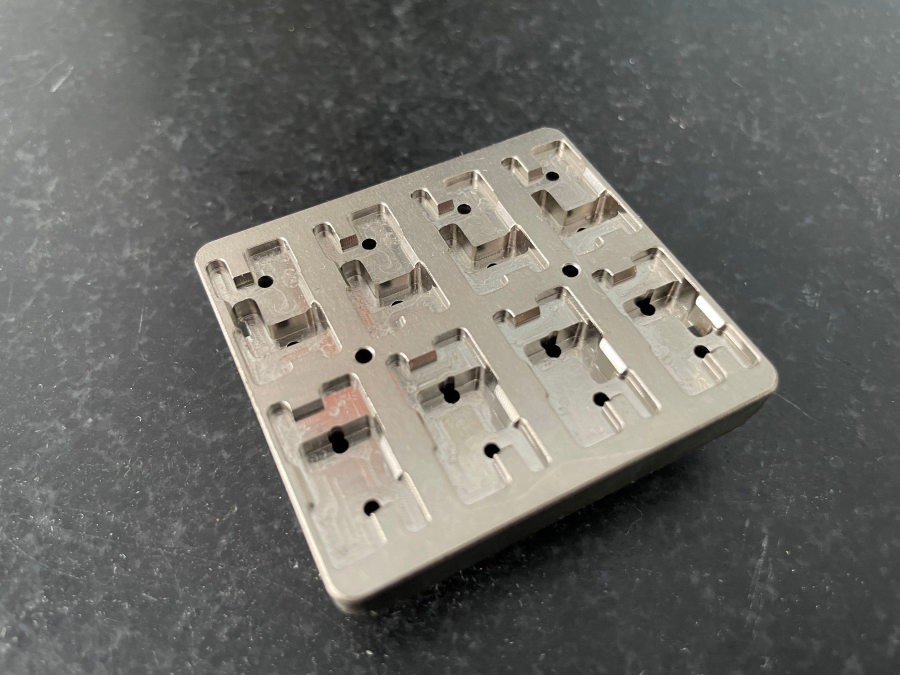
Conclusion
In summary, understanding how CNC milling machine works reveals why it’s the backbone of modern precision manufacturing. From CAD modeling to final post-processing, each phase demands advanced technology, strict quality control, and industry expertise—all of which GreatLight CNC Machining Factory brings to the table. Whether you’re developing a humanoid robot joint or an automotive engine component, our 5-axis CNC milling capabilities, one-stop services, and ISO-certified processes ensure your parts meet the highest standards. So the next time you ask, “how CNC milling machine works,” remember that GreatLight CNC Machining Factory is your trusted partner to turn your precision part designs into reality.
Frequently Asked Questions (FAQ)
1. What materials can be processed with CNC milling?
CNC milling works with a wide range of materials, including metals (aluminum, stainless steel, titanium, brass, mold steel) and plastics (ABS, PC, POM, nylon). GreatLight specializes in machining nearly all industrial materials, with the ability to quickly customize processes for unique material requirements.
2. What’s the difference between 3-axis, 4-axis, and 5-axis CNC milling?
3-axis: Moves along X, Y, Z linear axes; ideal for simple to moderately complex flat parts.
4-axis: Adds one rotational axis, reducing setup times and eliminating repositioning errors for cylindrical components.
5-axis: Adds two rotational axes, enabling simultaneous movement to machine complex geometries in one setup—perfect for high-precision parts like aerospace turbine blades.
3. How accurate can CNC milling get?
GreatLight’s CNC milling services achieve tolerances as tight as ±0.001mm, with consistent precision across all batches thanks to advanced machines, regular calibration, and in-house CMM testing. This level of accuracy is critical for industries like aerospace and medical, where even minute deviations can cause part failure.
4. How long does a CNC milling project take?
Lead times depend on part complexity, batch size, and post-processing requirements. For simple prototypes, GreatLight can deliver in as little as 3 days. For large batches of complex parts, we provide transparent timelines and prioritize urgent requests to meet your project deadlines.
5. Does GreatLight offer design support for CNC milling projects?
Yes. Our engineering team provides free design consultation to optimize your part for CNC milling—including suggestions for tolerances, material selection, and tool path efficiency. This helps reduce production costs and improve part quality.
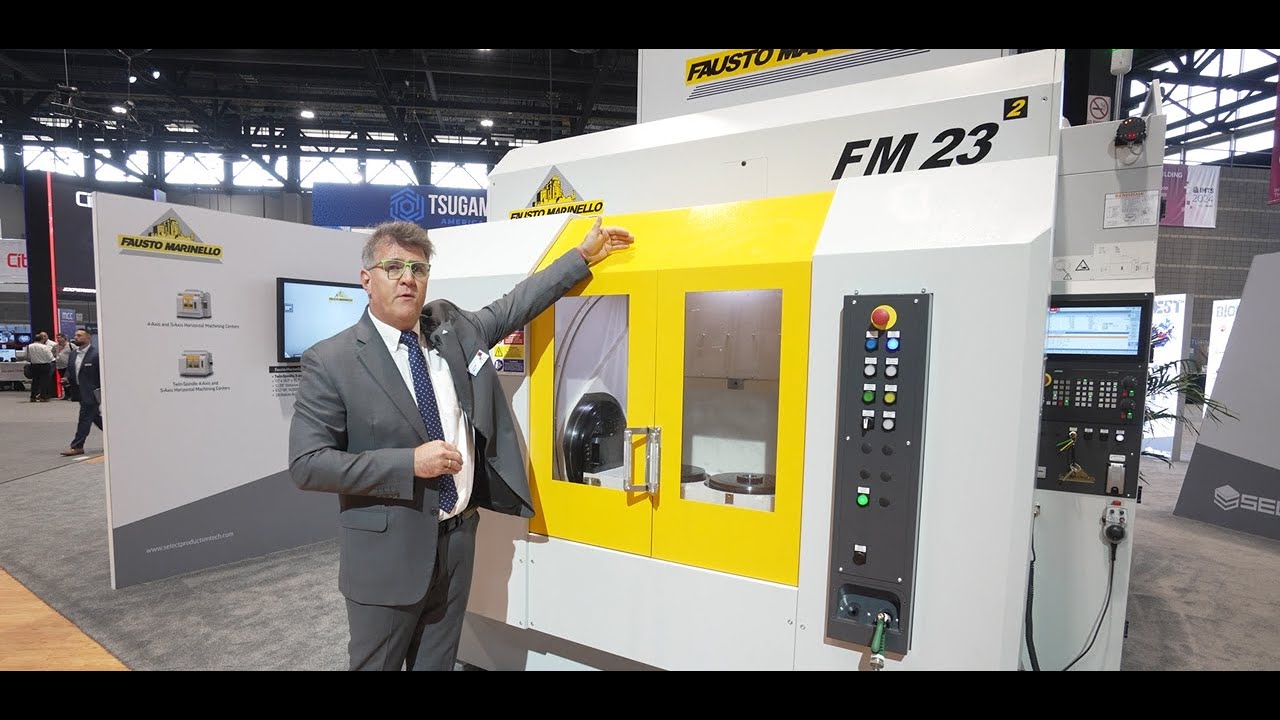
6. What post-processing services does GreatLight offer?
GreatLight offers a full range of post-processing services, including deburring, anodizing, powder coating, polishing, plating, heat treatment, and sandblasting. Our one-stop solutions eliminate the need to coordinate multiple vendors, saving you time and reducing risk.