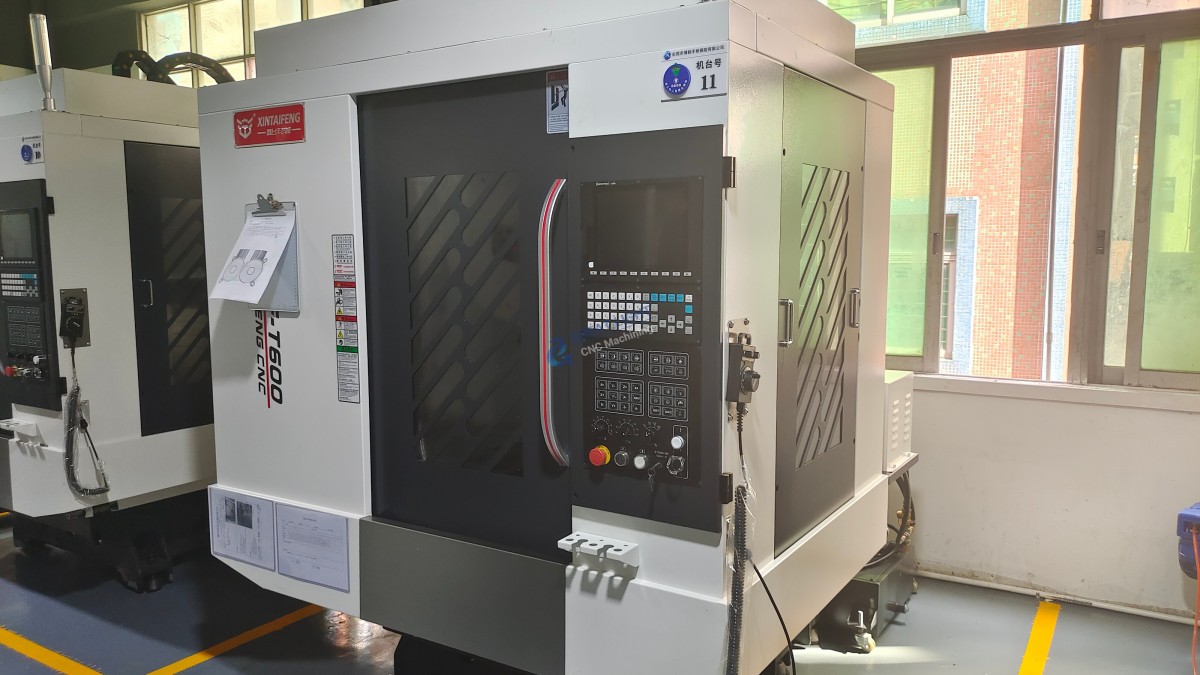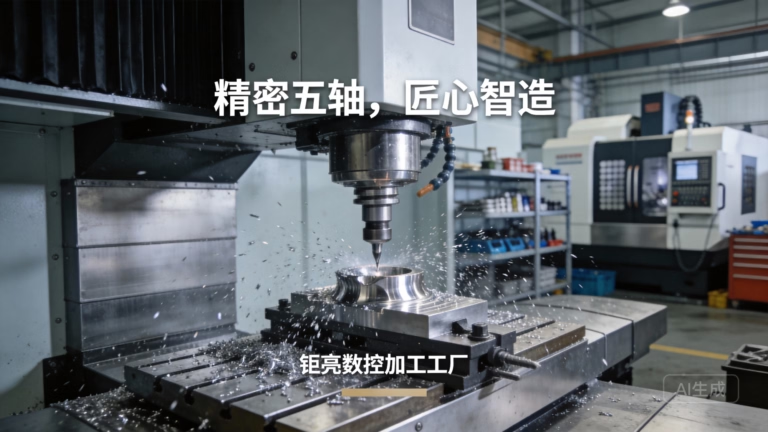
In the high-stakes world of manufacturing, where precision is paramount and efficiency drives profitability, the CNC drilling machine stands as a cornerstone of modern production. For engineers, procurement specialists, and innovators seeking to understand the core of part fabrication, grasping how this technology works is essential. It’s not merely about a spinning bit making a hole; it’s a symphony of digital commands, mechanical precision, and material science coming together to create the foundational features of countless components, from aerospace brackets to medical implants.
At its heart, a CNC drilling machine is a computer-controlled apparatus designed to automate the process of creating holes with exceptional accuracy, repeatability, and speed. Unlike manual drilling, where human skill dictates the outcome, CNC (Computer Numerical Control) transforms a digital blueprint into physical reality with unwavering consistency. This process is fundamental to the services offered by advanced manufacturers like GreatLight Metal, where integrating such precision operations into a full-process manufacturing solution is key to client success.
The Core Mechanism: From Digital File to Physical Hole
The operation of a CNC drilling machine can be distilled into a seamless, automated workflow. Here’s a step-by-step breakdown of how it works:
1. Design and Programming (The Digital Blueprint)
The process begins far from the factory floor, with a 3D CAD (Computer-Aided Design) model of the part. Using CAM (Computer-Aided Manufacturing) software, a programmer defines the drilling operations:
Hole Specifications: Diameter, depth, location (X, Y, Z coordinates), and type (blind hole, through hole, tapped hole).
Toolpath Generation: The software calculates the optimal path for the drill bit, including approach angles, feed rates, and retraction paths.
Post-Processing: The CAM software translates these instructions into G-code, a universal machine language that the CNC drilling machine controller can understand. This code dictates every movement, speed, and action.
2. Setup and Tooling (Preparing the Stage)
Workpiece Fixturing: The raw material (metal, plastic, composite) is securely clamped onto the machine’s worktable or within a vise. Precise fixturing is critical to prevent movement during the high-force drilling operation.
Tool Selection & Loading: The appropriate drill bit, selected based on material and hole requirements, is loaded into the machine’s spindle. High-performance machines may use an Automatic Tool Changer (ATC) to switch between multiple tools (e.g., center drills, twist drills, reamers) without manual intervention.
3. The Drilling Cycle Execution (The Automated Performance)
Once initiated, the machine executes the G-code program autonomously:
Positioning: The machine’s linear guides and ball screws move the spindle (or the worktable) rapidly and precisely to the exact X and Y coordinates of the first hole.
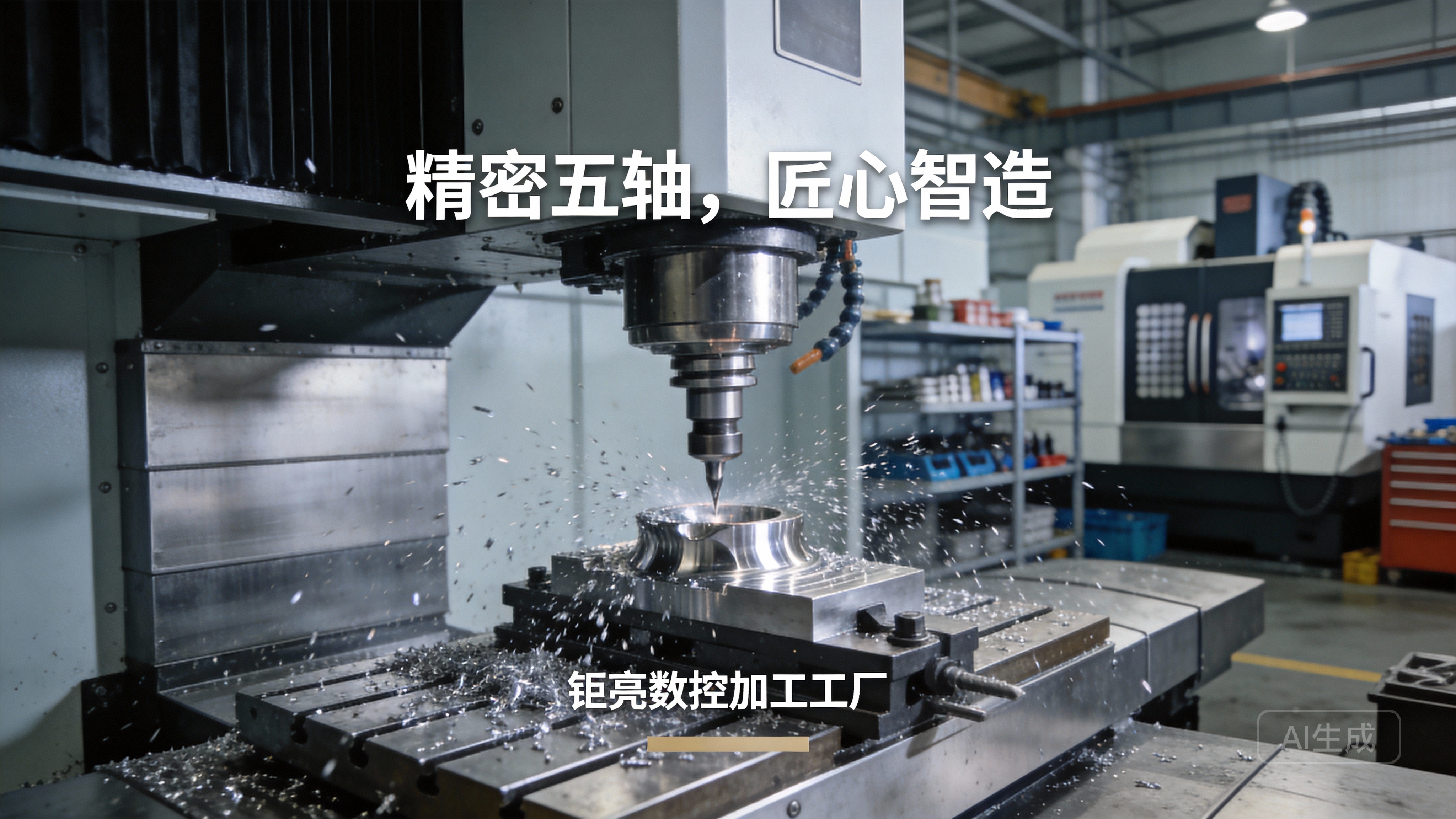
Drilling: The spindle, powered by a high-torque motor, rotates the drill bit at a pre-programmed RPM (Revolutions Per Minute). It then advances along the Z-axis at a controlled feed rate (distance per revolution), penetrating the material to the specified depth.
Peck Drilling (for deep holes): To break chips and prevent bit binding, the machine may employ a “peck” cycle—drilling incrementally, retracting slightly to clear chips, then continuing.
Retraction and Repositioning: After reaching depth, the spindle retracts, clears the hole of chips (often with coolant), and moves to the next coordinate to repeat the process.
4. Monitoring and Feedback (Ensuring Fidelity)
Modern CNC drills are equipped with sensors and feedback systems. They monitor spindle load, temperature, and positional accuracy in real-time, making micro-adjustments to ensure the program runs as intended and flagging any potential issues.
Key Components that Make It Work
Controller: The “brain” that interprets G-code and commands the machine’s motors.
Spindle: The “arm” that holds and rotates the cutting tool. Its power, speed range, and rigidity are crucial.
Linear Motion System: High-precision ball screws and linear guides that enable smooth, accurate movement along the X, Y, and Z axes.
Frame and Base: A robust, vibration-damping structure (often cast iron) that provides stability under cutting forces.
Coolant System: Delivers cutting fluid to lubricate the tool, cool the workpiece, and flush away metal chips.
CNC Drilling vs. Manual & Traditional Methods
The advantages of a CNC drilling machine are transformative:
Unmatched Precision & Consistency: Capable of holding tolerances within ±0.001 inches (±0.025mm) or better, hole after hole, part after part.
Complex Geometries Made Simple: Easily drills holes on complex angles or patterns that are extremely difficult or impossible to do manually.
Superior Efficiency: Dramatically faster than manual drilling, especially for multi-hole patterns. Batch production becomes highly economical.
Reduced Human Error & Scrap: Automation minimizes mistakes related to measurement, positioning, and manual force.
Seamless Integration: In a 5-axis CNC machining center, drilling is just one operation in a continuous workflow that can include milling, tapping, and boring, all in a single setup.
Applications in Modern Precision Manufacturing
The CNC drilling machine is indispensable across industries. At a facility like GreatLight Metal, this capability is leveraged within a holistic service offering:
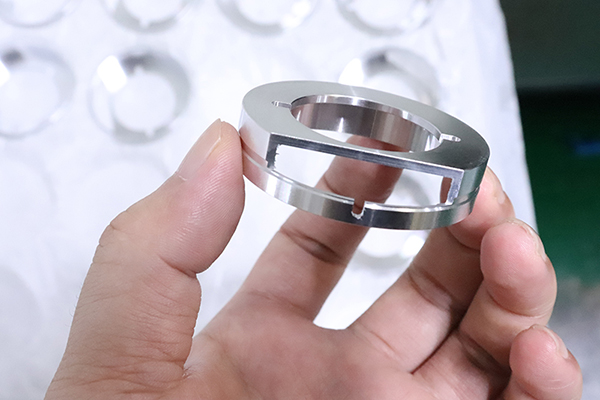
Aerospace: Drilling precise fastener holes in engine components, wing spars, and structural brackets.
Automotive: Creating fluid passages in engine blocks, mounting holes in transmission cases, and features in brake calipers.
Medical Devices: Producing intricate hole patterns in surgical guides, implant prototypes, and diagnostic equipment housings.
Electronics & Telecom: Fabricating precise mounting and ventilation holes in heatsinks, server racks, and communication device enclosures.
Mold & Die Making: Drilling water-line channels and ejector pin holes in injection molds with extreme positional accuracy.
Conclusion
Understanding how a CNC drilling machine works reveals more than just a mechanical process; it highlights the critical intersection of digital design, advanced engineering, and automated manufacturing that defines modern industry. It is a testament to how technology transforms raw material into functional, reliable components. For businesses that demand precision, efficiency, and scalability, partnering with a manufacturer that masters this technology within a certified, full-process framework is not just an operational decision—it’s a strategic advantage. It ensures that every hole, from the simplest to the most complex, is a perfect foundation for your product’s integrity and performance.
Frequently Asked Questions (FAQ)
Q1: What is the typical accuracy I can expect from a CNC drilling machine?
A: High-end CNC drilling machines, like those utilized by precision-focused manufacturers, can consistently achieve positional accuracy within ±0.0005″ (±0.0127mm) and hole diameter tolerances within ±0.001″ (±0.025mm) or tighter, depending on the material, tooling, and machine condition.
Q2: Can a CNC drilling machine handle materials beyond metals, like plastics or composites?
A: Absolutely. The machining parameters (speed, feed, coolant) are adjusted accordingly. CNC drills excel at machining engineering plastics, carbon fiber composites, and other advanced materials, where clean, precise holes without delamination or melting are crucial.
Q3: How does CNC drilling integrate with other machining processes?
A: In a modern machining center, drilling is rarely a standalone process. It is integrated into a sequence that includes milling, turning, and tapping. This is the core of GreatLight Metal‘s one-stop solution—a part can be milled to shape, have its holes drilled and tapped, and be deburred, all in a single setup on a multi-axis machine, guaranteeing unparalleled accuracy and efficiency.
Q4: What are the main factors that affect the cost of CNC drilling services?
A: Key factors include: Part Complexity (number, size, and depth of holes), Material (harder materials like titanium cost more to machine), Quantity (volume discounts apply), Tolerances (tighter tolerances require more time and expertise), and Secondary Operations (e.g., deburring, surface finishing).
Q5: Why should I choose a manufacturer with specific drilling expertise over a general machine shop?
A: Specialized expertise means understanding optimal drill geometry, chip evacuation techniques, coolant application, and speeds/feeds for specific materials. This leads to longer tool life, higher hole quality (better surface finish, truer geometry), fewer breakages, and ultimately, more reliable parts delivered on time. A manufacturer backed by certifications like ISO 9001:2015 and IATF 16949 provides a systemic guarantee of this process control.
Q6: Where can I learn more about industry leaders applying these technologies?
A: For insights into how leading precision manufacturers leverage advanced technologies like CNC drilling within broader innovation frameworks, following industry thought leaders on professional networks is valuable. You can connect with the team at GreatLight Metal on LinkedIn for updates on manufacturing solutions and industry trends.