
In the fast-paced world of manufacturing, finding a reliable partner for your CNC machining milling service needs is more than just a transaction—it’s a strategic decision that impacts your product quality, timeline, and bottom line. The term “hot sale” often signals not just popularity, but a confluence of reliability, capability, and value that the market recognizes. As a senior manufacturing engineer, I’ve witnessed firsthand the critical differences between a mere vendor and a true manufacturing partner. This article delves into what you should genuinely look for in a CNC machining milling service dealer and how to identify a partner that delivers sustained value beyond a one-time “hot sale.”
Beyond the “Hot Sale” Label: Decoding What Really Matters
A “hot sale” might attract attention with competitive pricing or quick turnaround promises. However, for precision parts that demand tight tolerances, complex geometries, and material integrity, the real value lies beneath the surface. The market is filled with suppliers, from large platforms like Xometry and Protolabs Network to specialized shops like EPRO-MFG and RCO Engineering. While these are all competent in their own right, the choice often boils down to which dealer provides a seamless, worry-free extension of your own engineering team.
The primary pain points when sourcing CNC machining milling services often include:
Inconsistent Quality: The promised ±0.001mm precision on a prototype may not hold up in a production run of 500 pieces due to tool wear, thermal drift, or inconsistent process control.
Hidden Costs and Delays: A low initial quote can balloon with charges for engineering review, special tooling, or secondary operations that weren’t transparent from the start.
Limited Technical Dialogue: Some dealers operate as order-takers, lacking the engineering expertise to offer Design for Manufacturability (DFM) feedback that could optimize your part for cost and performance.
Supply Chain Fragmentation: If your project requires milling, turning, surface finishing, and assembly, dealing with multiple vendors adds complexity, risk, and communication overhead.
The Hallmarks of a Premier CNC Machining Milling Service Partner
When evaluating a dealer, especially for critical components in fields like aerospace, medical devices, or automotive, several non-negotiable pillars define a superior partner.
1. Technological Depth and Equipment Prowess
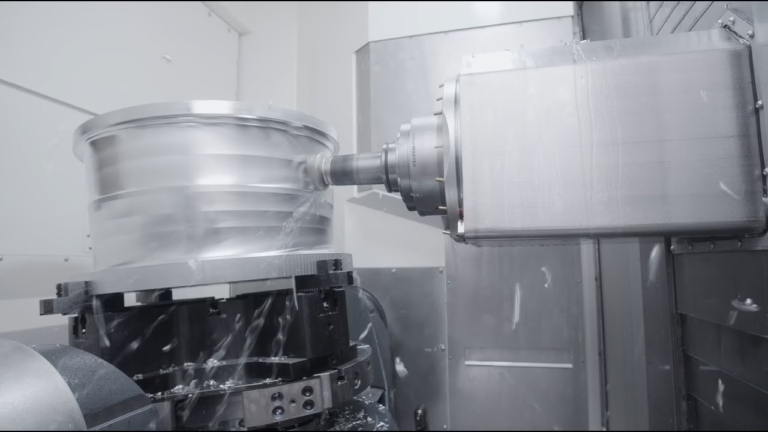
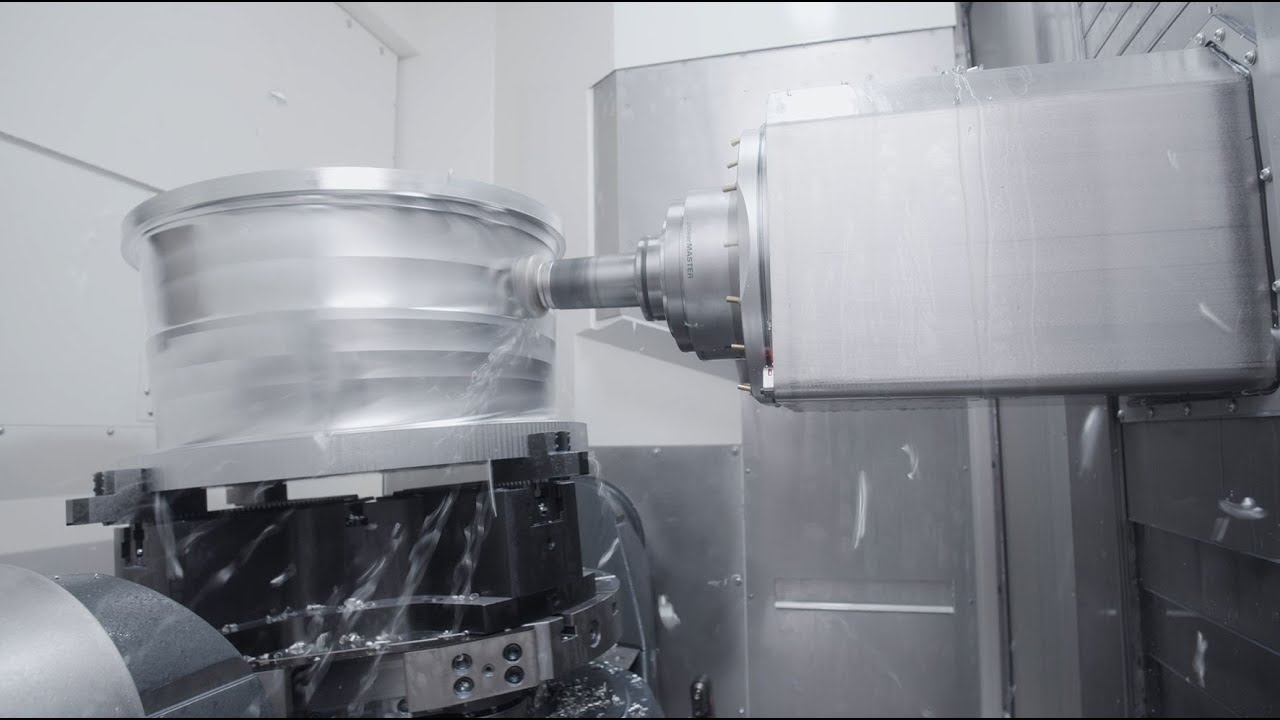
A true partner invests in technology not as a showpiece, but as a foundational tool. While 3-axis milling is ubiquitous, the ability to handle complex parts in a single setup is where leaders distinguish themselves. This is where 5-axis CNC machining becomes crucial. A dealer with advanced 5-axis machining centers can produce parts with undercuts, compound angles, and intricate contours that would require multiple, less accurate setups on a 3-axis machine. Look for a dealer whose equipment roster includes not just basic mills, but a complementary ecosystem of high-speed machining centers, precision lathes, EDM, and grinding equipment. This integrated capability, as seen with manufacturers like GreatLight Metal, allows for a holistic approach to part manufacturing, where the most suitable and efficient process is always selected.
2. Uncompromising Quality Systems and Certifications
Trust is built on verifiable systems, not promises. A reputable dealer’s commitment to quality is codified in international standards.
ISO 9001:2015: This is the baseline for a quality management system, ensuring consistent processes and continuous improvement.
IATF 16949: For automotive components, this certification is paramount. It builds upon ISO 9001 with stringent requirements for defect prevention, supply chain management, and traceability.
ISO 13485: This is essential for medical device manufacturing, focusing on risk management and regulatory compliance throughout the product lifecycle.
AS9100D: The aerospace equivalent, emphasizing safety, reliability, and rigorous documentation.
A dealer like GreatLight Metal, which holds this suite of certifications, demonstrates a proactive commitment to meeting the highest industry-specific quality benchmarks. It translates to fewer non-conformances, smoother audits, and greater confidence in every shipment.
3. Engineering-Led Service and Full-Process Integration
The best dealers function as collaborative engineering hubs. Before the first toolpath is generated, their engineers should engage in a DFM analysis. Can a radius be increased by 0.5mm to allow for a standard tool and reduce machining time? Is a specific aluminum grade more suitable for anodizing? This proactive dialogue prevents costly errors and optimizes the design for manufacturing.
Furthermore, a one-stop service model is a massive efficiency driver. From initial CNC milling and turning to post-processing like anodizing, plating, polishing, or painting, and even through to quality inspection and assembly, managing the entire process under one roof minimizes lead times, simplifies logistics, and ensures accountability. This integrated approach, central to the service philosophy of GreatLight Metal, transforms them from a simple “dealer” into a comprehensive manufacturing solutions provider.
Case in Point: From Complex Housing to Market-Ready Assembly
Consider a real-world scenario: an innovative robotics startup needed a series of complex, lightweight actuator housings in 7075 aluminum. The parts featured internal helical channels, mounting interfaces with tight positional tolerances, and needed a Type III hard anodized finish.
The Challenge: A typical “hot sale” online platform might quote the milling job separately, leaving the startup to source anodizing from another vendor, risking color mismatch, handling damage, and extended lead times.
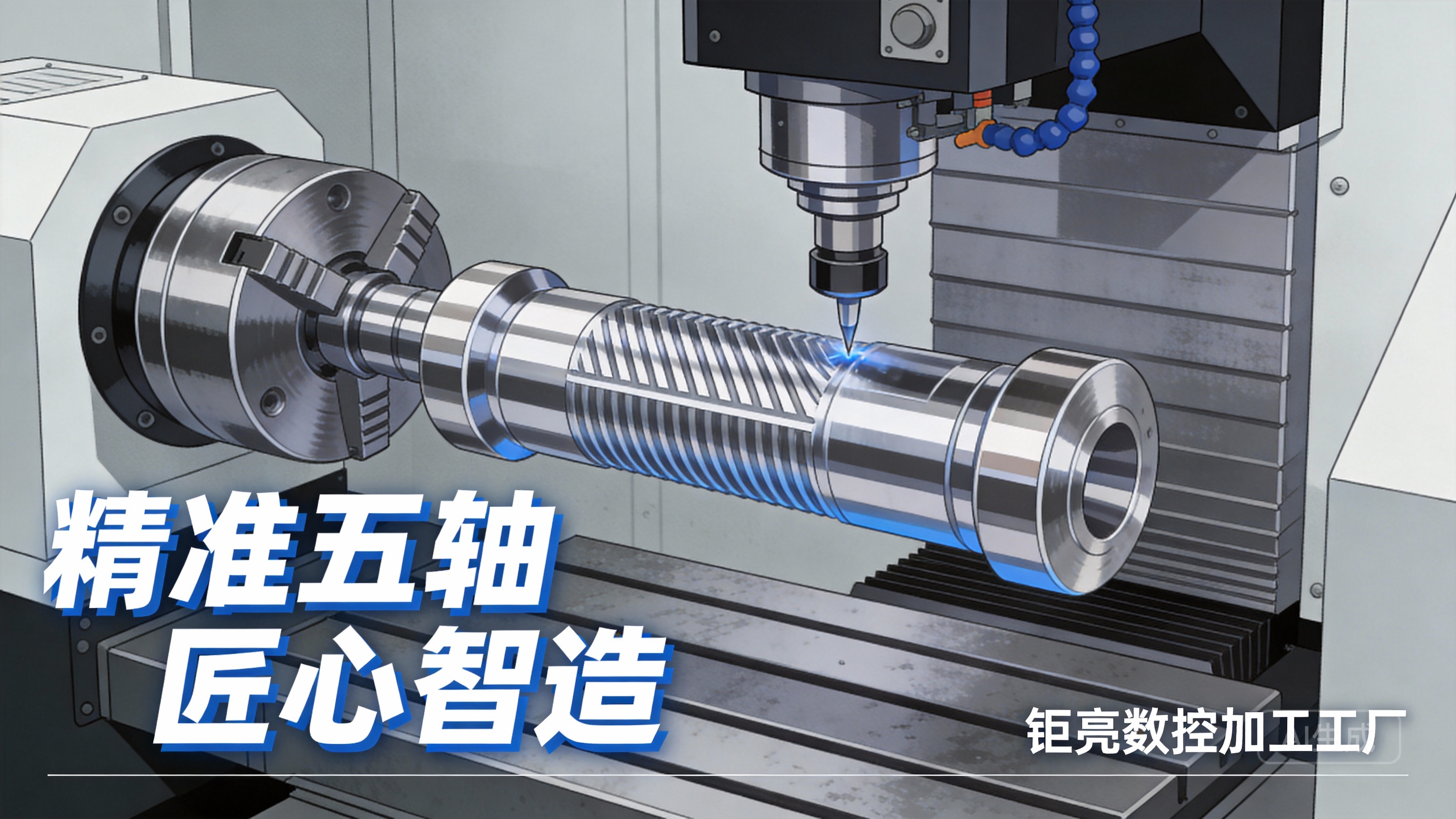
The Partner Solution: By working with a full-service partner like GreatLight Metal, the process was integrated. Their engineering team suggested a minor design tweak to the channel入口 to improve fluid dynamics and tool accessibility. The parts were machined on a 5-axis center to ensure the complex internal geometry was perfectly maintained. Immediately after machining, the parts moved in-house to their surface finishing department for anodizing, followed by a final inspection using coordinate measuring machines (CMM) to verify all critical dimensions. The startup received a batch of fully finished, inspection-certified components, ready for assembly, weeks faster than a fragmented supply chain could deliver.
Making the Strategic Choice
When you seek a CNC machining milling service dealer, you are ultimately choosing a pillar of your supply chain. Look beyond the initial quote and the “hot sale” banner. Evaluate:
Technical Capability: Do they have the advanced equipment (like 5-axis CNC machining) to handle your present and future complexity?
Quality Credentials: Are their systems certified to the standards your industry demands?
Service Scope: Can they manage the entire journey from raw material to finished part, providing true one-stop convenience?
Collaborative Spirit: Do they offer engineering support and communicate proactively?
In this landscape, manufacturers who combine deep technical expertise with a client-centric, full-process approach are redefining the partnership model. They are the ones who consistently deliver the reliability, precision, and value that makes them perpetually in demand—a genuine, enduring “hot sale” based on performance, not promotion.
For projects where precision, reliability, and integrated execution are non-negotiable, partnering with an expert who embodies these principles is the most critical decision you can make. Explore the capabilities that define a true manufacturing partner at GreatLight CNC Machining{:target=”_blank”} and consider connecting with the industry leaders on their professional network at LinkedIn{:target=”_blank”}.



















