
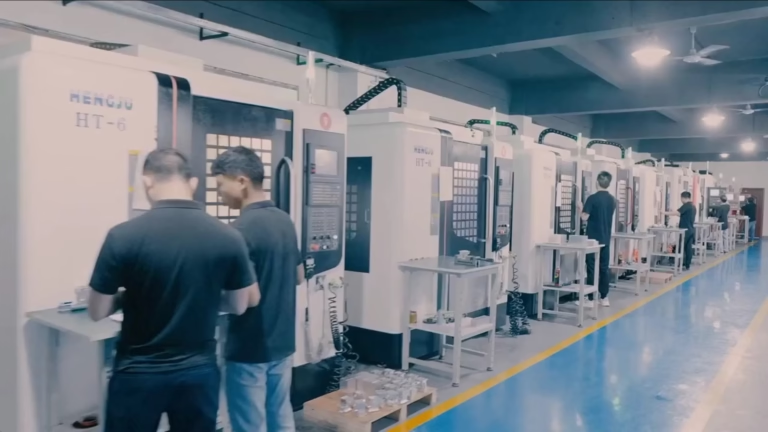
In the realm of modern manufacturing, where complexity meets uncompromising quality, High Precision CNC Machining Services stand as the cornerstone of innovation. This process transcends simple part creation; it is the art and science of transforming digital designs into physical realities with tolerances that rival the width of a human hair. For engineers, designers, and product developers across industries from aerospace to medical devices, the selection of a machining partner is not merely a procurement decision but a strategic choice that directly impacts product performance, reliability, and time-to-market.
At its core, high precision CNC machining leverages computer numerical control to direct multi-axis cutting tools with extraordinary accuracy. While three-axis machining provides foundational capabilities, the true zenith of precision is achieved with advanced four-axis and, most notably, five-axis CNC systems. These machines can manipulate a workpiece or tool along five different axes simultaneously, allowing for the creation of intricate geometries, undercuts, and complex curved surfaces in a single setup. This capability is paramount, as it minimizes cumulative errors from multiple fixturing, ensures superior surface finishes, and maintains dimensional integrity across the most challenging part features.
The Pillars of True High-Precision Machining
Achieving and consistently delivering micron-level precision is not a function of machinery alone. It is a symphony of interconnected factors:
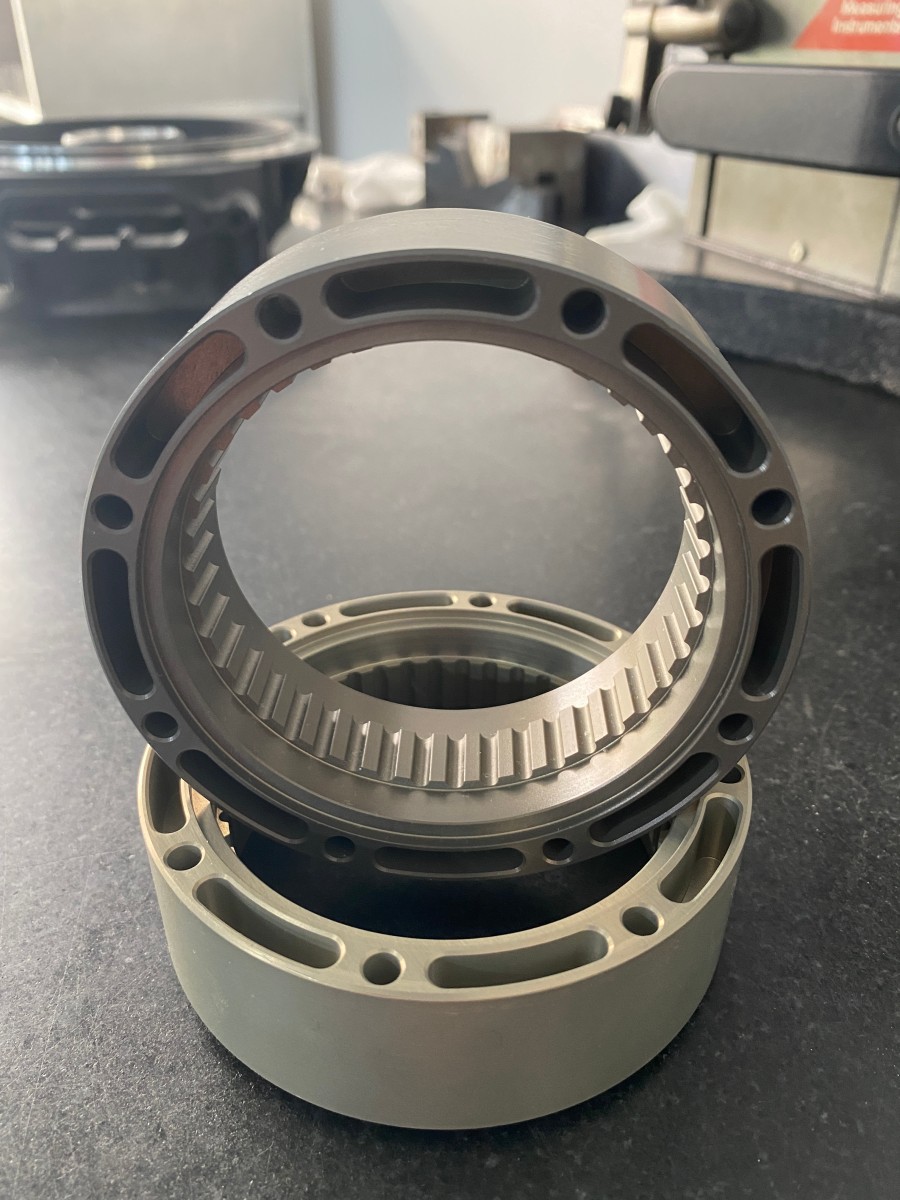
Advanced Equipment & Tooling: The foundation lies in state-of-the-art CNC centers, often equipped with linear scales, thermal compensation systems, and high-speed spindles. Equally critical is the use of premium, wear-resistant cutting tools, including solid carbide end mills and diamond-tipped tools for non-ferrous materials.
Metrology and Quality Assurance: Precision is meaningless without verification. In-process probing and post-process inspection using coordinate measuring machines (CMMs), optical comparators, and surface roughness testers are non-negotiable. A robust quality management system, such as ISO 9001:2015, provides the framework for traceability and continuous improvement.
Material Science Expertise: Different materials behave uniquely under the stress of machining. A deep understanding of metallurgy—from the machinability of aluminum 7075 to the challenges posed by titanium Ti-6Al-4V or Inconel—allows for the optimization of cutting parameters, tool paths, and coolant strategies to prevent deformation, work hardening, or tool failure.
Engineering & Process Design: Precision begins long before the machine starts. Expert CAM (Computer-Aided Manufacturing) programming, which includes optimal toolpath strategies, feed/speed calculations, and fixturing design, is crucial. Simulation software is often used to predict and eliminate potential collisions or machining errors.
Beyond Machining: The Integral Role of Heat Treatment
For many high-performance metal components, the journey does not end at the machine. Heat treatment is a critical post-machining or inter-stage process that fundamentally alters the material’s microstructure to achieve desired mechanical properties. Understanding this interplay is essential for specifying high precision CNC machining services.
Annealing: This process involves heating a metal to a specific temperature, holding it, and then slowly cooling it in a furnace. The primary goals are to soften the material, relieve internal stresses induced during machining or forging, improve ductility, and refine the grain structure. For instance, a complex aluminum housing may be annealed to prevent distortion during subsequent finishing operations or to prepare it for further cold working.
Normalizing: Similar to annealing but with a slightly faster cooling rate in still air, normalizing is often used to achieve a more uniform, fine-grained microstructure. It can enhance machinability and is sometimes a preparatory step for more aggressive heat treatments like quenching.
Quenching and Tempering: This is a two-step process for steels. Quenching involves heating the steel to a high temperature and then rapidly cooling it in water, oil, or polymer. This results in an extremely hard but brittle martensitic structure. Tempering immediately follows, where the quenched part is reheated to a lower temperature to reduce brittleness, relieve stresses, and achieve a tailored balance of hardness, strength, and toughness. For a high-wear tool steel component, this sequence is vital for its service life.
A proficient machining partner doesn’t just cut metal; they understand this full material lifecycle. They can advise on whether to machine a part in an annealed state for easier cutting and then harden it, or to machine a pre-hardened material—a more difficult task that avoids post-machining distortion.
Applications Demanding the Highest Fidelity
The demand for high precision CNC machining services is ubiquitous in sectors where failure is not an option:
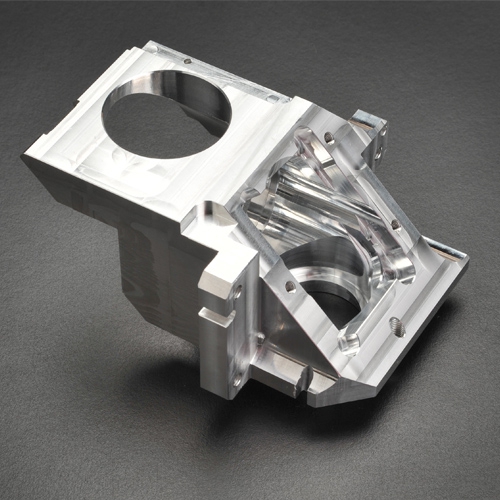
Aerospace & Defense: Components for flight controls, engine mounts, and satellite systems where lightweight design, extreme reliability, and compliance with standards like AS9100 are mandatory.
Medical & Surgical Devices: Implants, surgical instrument components, and diagnostic equipment housings requiring biocompatible materials (e.g., titanium, stainless steel 316L), flawless surfaces to prevent bacterial adhesion, and strict adherence to ISO 13485.
Automotive & Motorsport: Engine components, transmission parts, and lightweight structural elements where performance, fuel efficiency, and durability under stress are critical, often guided by IATF 16949 standards.
Optics & Semiconductor: Mounts, fixtures, and chambers for sensitive equipment where thermal stability, vibration damping, and ultra-precise geometries are essential.
Selecting Your Manufacturing Partner: Capability Over Claims
In a market filled with providers, discerning true capability requires looking beyond marketing brochures. A partner with “real operational capabilities” will demonstrate:
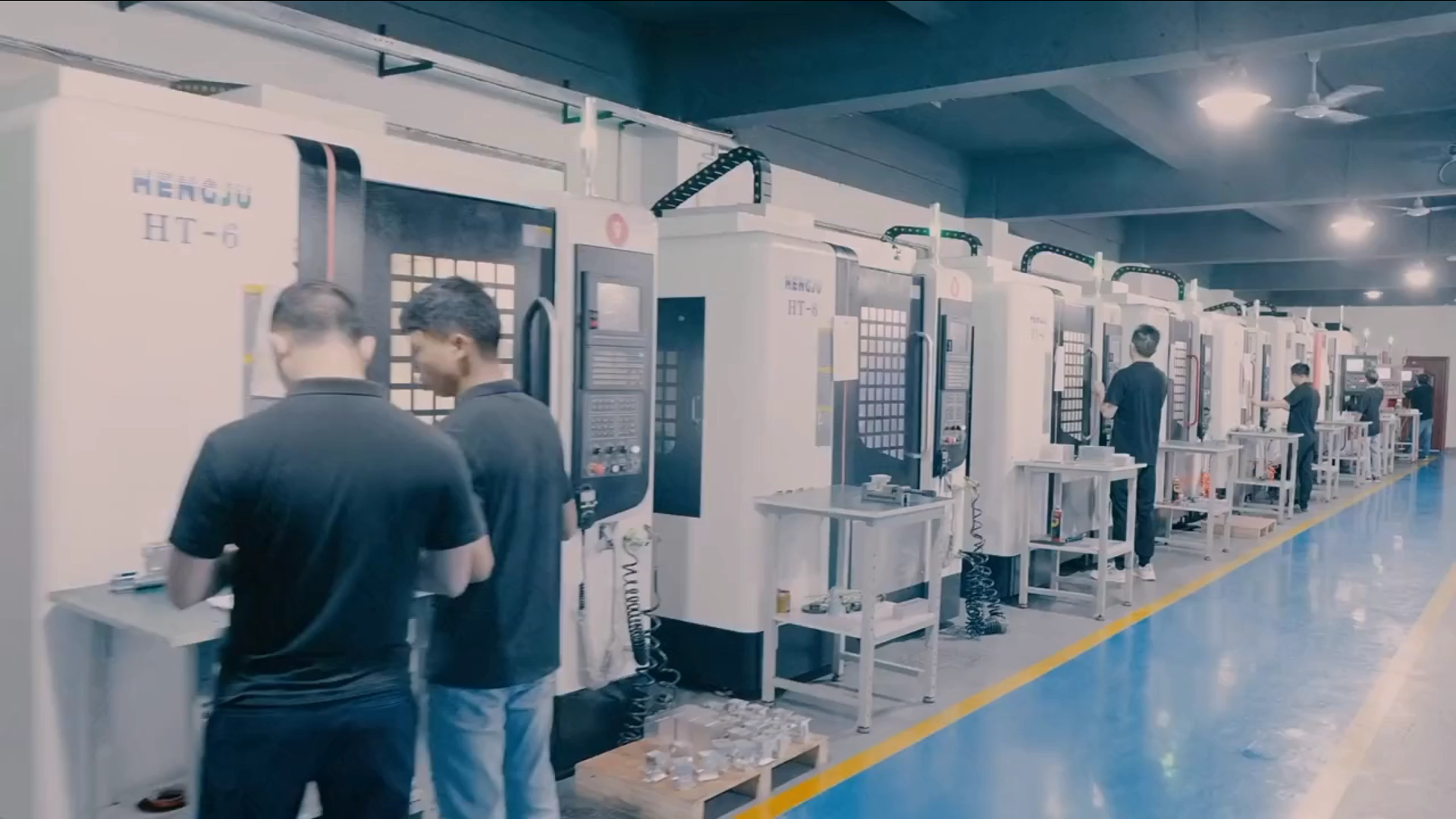
A Comprehensive Technology Stack: Ownership of advanced 5-axis machining centers, a full suite of finishing and heat treatment options, and in-house metrology labs.
Proven Material Mastery: A track record of successfully machining a wide range of materials, from common alloys to exotics.
Integrated Quality Systems: Certifications like ISO 9001:2015 are a baseline. Look for evidence of how quality is embedded in every process, from initial DFM (Design for Manufacturability) feedback to final inspection reports.
Project Management & Communication: Seamless collaboration, transparent timelines, and proactive problem-solving are hallmarks of a professional service.
For clients seeking a synthesis of these attributes, GreatLight CNC Machining Factory exemplifies a vertically integrated approach. With a foundation built in 2011 within China’s precision manufacturing hub and a facility spanning approximately 7,600 square meters, they have cultivated a ecosystem designed for precision. Their arsenal includes over 127 pieces of precision equipment, encompassing high-precision five-axis, four-axis, and three-axis CNC machining centers. This multi-axis capability is crucial for delivering the complex, tight-tolerance parts that define high precision CNC machining services.
Furthermore, their commitment extends beyond machining. With in-house capabilities for vacuum heat treatment, surface finishing, and comprehensive quality verification, they control the entire production chain. Their adherence to a spectrum of international standards—from ISO 9001 for quality management to ISO 13485 for medical devices and IATF 16949 for automotive—provides a structured, auditable framework for quality assurance. This is particularly vital for projects involving humanoid robotics, advanced automotive powertrains, or aerospace subsystems, where part integrity is paramount.
Ultimately, engaging with high precision CNC machining services is an investment in product excellence. It requires a partnership with a fabricator whose technical depth, quality ethos, and operational rigor match the ambitions of your design. By choosing a collaborator equipped not just with advanced machines but with the engineering acumen to guide a project from raw material to finished, high-performance component, you secure not just a supplier, but a foundational pillar for your product’s success.



















